
Feeding your flock a balanced diet is crucial to their overall health, but do you ever wonder if certain human foods are safe for your chickens to eat? Beetroot, with its vibrant red color and sweet flavor, might be tempting to share with your feathered friends. But can chickens eat beetroot at all? Not only is it a nutrient-rich addition to their diet, but it also provides essential vitamins and minerals that support healthy egg production and digestion.
In this article, we’ll delve into the benefits of feeding beetroot to your chickens, including its nutritional value, preparation methods, and potential health issues. We’ll explore how to safely incorporate beetroot into their meal plan, as well as what to watch out for when giving it to them in excess. By the end of this post, you’ll have a clear understanding of whether beetroot is a healthy treat for your chickens or not.
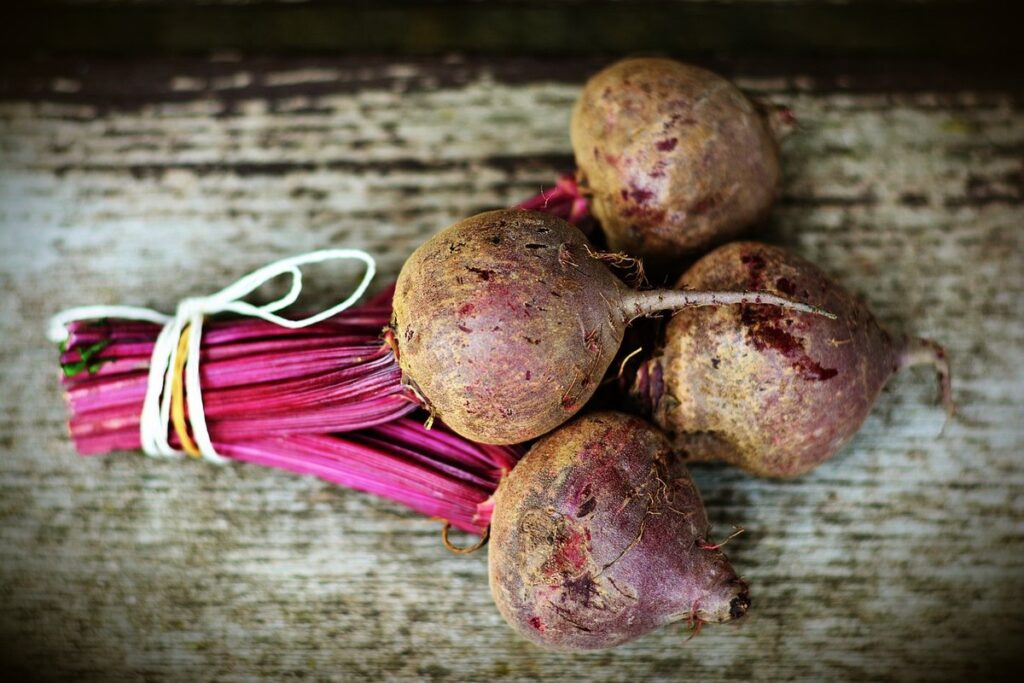
Benefits and Uses of Beetroot in Chicken Diets
Beetroot can be a valuable addition to your flock’s diet, offering several benefits for their health and wellbeing. Let’s explore how beetroot can support your chickens’ nutrition.
Nutritional Value of Beetroot for Chickens
Beetroot is an excellent addition to your chicken’s diet, providing numerous nutritional benefits that can have a positive impact on their overall health. One of the standout features of beetroot is its high fiber content. Chickens require a certain amount of fiber to maintain healthy digestion and prevent issues like constipation or impacted crop. A 100-gram serving of cooked beetroot contains around 2.8 grams of dietary fiber, making it an excellent way to support your flock’s digestive health.
In addition to fiber, beetroot is also rich in essential vitamins and minerals such as vitamin C, potassium, and manganese. These nutrients play a crucial role in maintaining healthy blood cells, supporting bone growth, and regulating energy levels. For example, the high content of nitrates in beetroot can help reduce inflammation and improve circulation, resulting in healthier-looking birds.
To incorporate beetroot into your chicken’s diet, start by adding small amounts to their feed or supplementing with fresh, chopped beetroot as a treat. A general rule of thumb is to introduce new foods gradually, monitoring your flock’s response before increasing the serving size.
Tips for Feeding Beetroot to Your Flock
When it comes to incorporating beetroot into your chickens’ diet, there are several things to keep in mind. Firstly, it’s essential to introduce beetroot gradually and in moderation to avoid digestive upset.
A good starting point is to add a small amount of cooked or raw beetroot to their feed mix, about 1-2% of their total daily intake. You can also try mixing it with other fruits and vegetables for added variety. Be sure to remove any seeds and leaves, as they may be toxic to your flock.
In terms of preparation, cooking beetroot makes it more palatable for chickens and helps break down some of the fiber. Simply boil or steam it until tender, then chop or puree before adding to their feed. Some chicken keepers even add a small amount of beetroot juice to their water troughs for an extra nutritional boost.
As always, monitor your flock’s response closely and adjust accordingly. Keep in mind that beetroot is high in sugar, so be mindful not to overdo it. A balanced diet with plenty of variety will ensure your chickens reap the benefits of beetroot without any adverse effects.
Safety Precautions and Potential Risks
When feeding beetroot to your chickens, it’s essential to be aware of potential health risks and take steps to minimize them. This includes monitoring for signs of digestive issues and being prepared for emergencies.
Toxicity and Allergic Reactions
When introducing beetroot into your chickens’ diet, it’s essential to be aware of potential risks. While beetroot is generally considered safe for chickens in moderation, excessive consumption can lead to toxicity and allergic reactions.
Chickens may experience symptoms such as lethargy, diarrhea, or vomiting if they ingest too much beetroot. This can be particularly concerning if your flock has underlying health issues or is sensitive to certain foods. It’s also crucial to note that some chickens might develop an allergy to beetroot over time, leading to more severe reactions.
Identifying toxicity and allergic reactions in your flock requires close observation and attention to their behavior. Watch for signs such as labored breathing, swelling around the face and neck, or changes in droppings. If you suspect any adverse effects, stop feeding beetroot immediately and consult with a veterinarian or poultry expert.
To minimize risks, introduce beetroot gradually into your chickens’ diet, starting with small amounts (about 1-2 tablespoons per bird) to gauge their tolerance. Also, ensure fresh water is available at all times to help flush out any potential toxins.
Digestive Issues and Beetroot Consumption
While beetroot can be a nutritious and delicious treat for chickens, it’s essential to be aware of the potential digestive issues that may arise from its consumption. In some cases, feeding beetroot to chickens has been linked to diarrhea or other gastrointestinal problems.
This is likely due to the high sugar content and fiber in beetroot, which can be difficult for chickens to digest. If your chicken ingests too much beetroot, it may lead to an imbalance of gut bacteria, causing digestive issues. Be cautious not to overfeed beetroot, as this can exacerbate the problem.
To minimize the risk of digestive issues, introduce beetroot in moderation (about 1-2 teaspoons per pound of body weight per day) and monitor your chicken’s stool quality closely. If you notice any signs of digestive distress, such as loose stools or decreased appetite, stop feeding beetroot immediately and consult with a veterinarian.
Keep in mind that individual chickens may react differently to beetroot consumption. Pay attention to your flock’s specific needs and adjust their diet accordingly. By being mindful of the potential risks, you can ensure a safe and healthy experience for your feathered friends.
Feeding Methods and Ratios
Now that we’ve discussed the benefits of feeding beetroot to your chickens, let’s dive into how to incorporate it into their diet safely and effectively.
Raw vs Cooked Beetroot: Which is Best?
When it comes to feeding beetroot to your chickens, you’re likely wondering whether raw or cooked is better. While both methods have their benefits and drawbacks, understanding the nutrient retention and bioavailability differences can help you make an informed decision.
Raw beetroot retains its high water content and fiber, making it a great digestive aid for your flock. The vitamin C and B vitamins in raw beetroot are also preserved, providing a boost to your chickens’ immune systems. However, some of the oxalic acid in raw beetroot can bind to minerals like calcium and zinc, reducing their absorption.
Cooking beetroot breaks down some of this oxalic acid, making it easier for your chickens to absorb essential nutrients. The heat also increases the bioavailability of beta-carotene, a precursor to vitamin A that’s crucial for healthy skin and eyesight. However, overcooking can lead to nutrient loss, particularly in water-soluble vitamins like vitamin C.
To balance these factors, consider a mix of raw and cooked beetroot in your flock’s diet. Chop or grate raw beetroot and add it to their feed in moderation, while cooking beetroot for longer periods (like roasting) to enhance bioavailability can be a good addition to their meals.
Beetroot-Rich Treats for Chickens
When it comes to incorporating beetroot into your chicken’s diet, you don’t have to limit yourself to just adding it to their regular meals. One fun and creative way to get them excited about this nutrient-rich food is by making homemade feed mixes or frozen treats.
To make a delicious beetroot-based feed mix, simply chop up fresh beetroot and mix it with some oats, sunflower seeds, and dried mealworms. This treat not only provides your chickens with essential vitamins and minerals but also adds a boost of fiber to their diet. You can also customize this recipe by adding other ingredients like chopped apples or carrots.
For a more indulgent option, try making frozen beetroot popsicles for your flock! Simply puree cooked beetroot in a blender, mix it with some yogurt or eggshell water (to prevent the mixture from freezing too solidly), and pour it into ice cube trays. Once frozen, pop them out and serve to your chickens as a cool treat on a hot day. They’ll love the sweet and earthy flavor of these beetroot-rich goodies!
How to Grow Your Own Beetroot for Chicken Feed
Growing beetroot for chicken feed is a simple process, and we’ll walk you through it step by step. Learn how to cultivate your own beetroot in this easy-to-follow guide.
Benefits of Growing Your Own Beetroot
Growing your own beetroot can be a game-changer for several reasons. For one, it’s an incredibly cost-effective option. Store-bought beetroot can be pricey, especially if you’re buying organic or in bulk. By growing your own, you can save around $2-3 per pound, depending on the variety and quality of the beetroot.
But the benefits don’t stop there. When you grow your own beetroot, you have complete control over the soil quality, watering schedule, and pest management. This means that your homegrown beetroot will be significantly more nutritious than store-bought varieties. Beetroot is packed with vitamins A and C, potassium, and fiber, making it a superfood for chickens.
To create a beetroot garden, start by choosing a sunny spot in your backyard. Beetroot loves well-draining soil, so make sure the area gets plenty of water but isn’t prone to flooding. Plant the seeds around 1-2 inches deep and 2-3 inches apart, and keep the soil consistently moist until they germinate.
By following these simple steps, you can enjoy a bountiful harvest of fresh, nutrient-rich beetroot for your flock. Plus, growing your own means you’ll have access to this valuable resource year-round – no more relying on store-bought options or seasonal availability!
Tips for Harvesting and Storing Beetroot
When it’s time to harvest your beetroot crop, it’s essential to do so at the optimal stage of maturity. Beetroot is typically ready to be harvested about 60-70 days after sowing, when the roots are between 2-3 inches in diameter. Gently dig around the plants with a fork, being careful not to damage the roots.
To check if your beetroot is ready, gently twist the leaves of the plant – if they come away easily, it’s likely time to harvest. If you prefer smaller beets for chicken feed, you can pick them at 1-2 inches in diameter, but larger beets are better for storing.
For storage, trim the leafy greens and store beetroot in a cool, dark place with good ventilation. Do not wash the roots before storing – instead, scrub them clean just before use to prevent moisture from accumulating. Beetroot can be stored for up to 2-3 months if kept dry and away from light. Store it with the tap root facing downwards to prevent moisture absorption.
Regularly check on your stored beetroot for signs of sprouting or rot. Remove any affected roots promptly to maintain quality and prevent spoilage. This will ensure that your beetroot remains fresh and nutritious for your chickens throughout the year.
Conclusion: Can Chickens Eat Beetroot?
Now that we’ve explored whether beetroot is safe for chickens, it’s time to wrap up our findings and give you a clear answer on this popular question. Let’s conclude our investigation once and for all!
Recap of Key Points
In conclusion, we’ve explored the world of feeding beetroot to chickens, and while it’s a nutritious addition to their diet, there are some essential things to keep in mind. Let’s recap the key points discussed throughout this article.
Feeding beetroot to chickens can provide them with essential vitamins, minerals, and antioxidants. The high water content and fiber in beetroot make it an excellent digestive aid, which is particularly beneficial for backyard hens. However, it’s crucial to introduce beetroot gradually into their diet to avoid any adverse reactions. A good starting point is to mix a small amount of cooked or raw beetroot with their regular feed.
On the flip side, excessive consumption of beetroot can cause an imbalance in your chickens’ sodium levels. This is because beets are relatively high in sodium, and if fed in excess, it can lead to health issues such as diarrhea, constipation, and even kidney damage. To minimize this risk, ensure you’re only adding a small amount of beetroot to their diet.
When choosing beetroot for your flock, opt for organic and free-range options whenever possible. This ensures that the beets are grown without chemicals or pesticides, which can harm your chickens if ingested. Also, consider cooking the beetroot before feeding it to them, as this will make the nutrients more accessible.
Incorporating beetroot into your chickens’ diet is a great way to provide them with essential nutrients and promote their overall health. However, remember that moderation is key. Keep an eye on your flock’s behavior and adjust the amount of beetroot accordingly. With a little creativity and patience, you can give your chickens the benefits of beetroot without compromising their well-being.
Frequently Asked Questions
How do I safely introduce beetroot to my flock for the first time?
Start by mixing a small amount of raw or cooked beetroot with their regular feed, gradually increasing the quantity over several days to prevent digestive upset. Monitor their behavior and adjust accordingly.
Can I give beetroot to my chickens as a treat every day?
No, it’s essential to provide beetroot in moderation (about 1-2% of their daily diet) to avoid nutritional imbalances and potential health issues. Treats should not replace their balanced feed.
How do I store fresh beetroot for later use with my flock?
Store beetroot in a cool, dry place or refrigerate it to maintain its freshness. You can also consider pickling or dehydrating beetroot to extend its shelf life.
What’s the best way to prepare beetroot for feeding to chickens?
Beetroot can be fed raw or cooked. If cooking, ensure it’s fully cooled before serving to prevent scalding your flock’s mouths and throats. Steaming is a recommended method to retain nutrients.
Can I grow my own beetroot specifically for my flock’s diet?
Yes, growing your own beetroot allows you to control the quality and nutrition content of the root, as well as reduce costs associated with purchasing external sources. Consider dedicating a section of your garden to beetroot cultivation.