
Are you looking for an eco-friendly way to boost your garden’s fertility without harming the environment? You’re in luck because we’ve got just the solution: alpaca manure! This natural fertilizer is gaining popularity among gardeners due to its impressive benefits. Not only can it increase crop yields, but it’s also a sustainable alternative to synthetic fertilizers that can pollute our soil and waterways. But where do you get your hands on this magical stuff? The answer lies with these adorable creatures – alpacas! In this article, we’ll delve into the world of alpaca manure composting and show you how to effectively apply it in your garden, resulting in healthier plants and a reduced environmental impact.
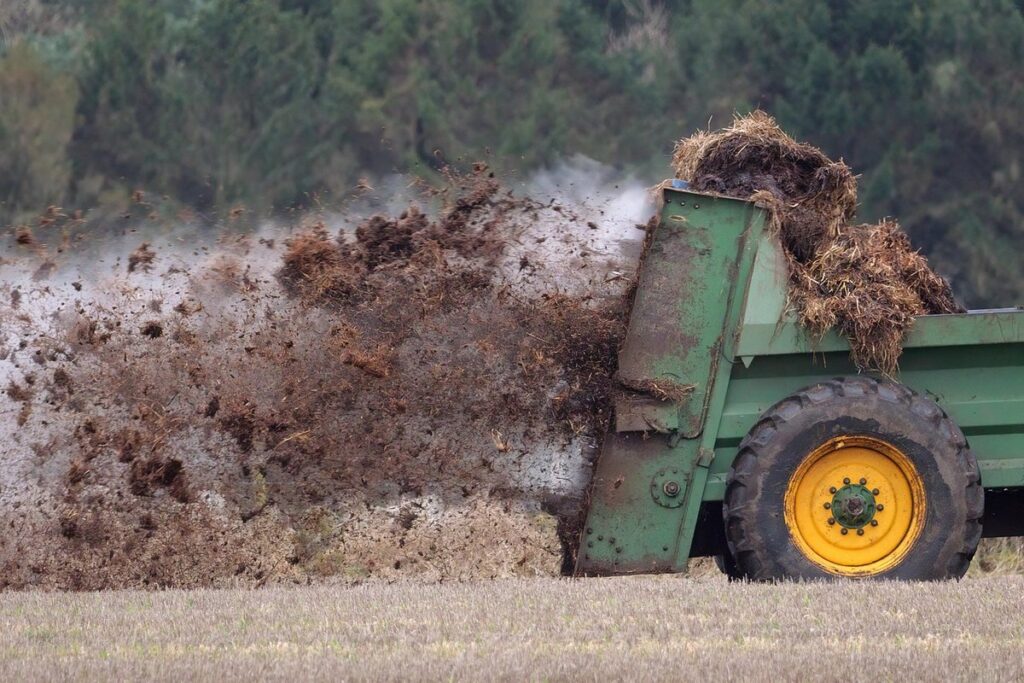
Introduction to Alpaca Manure
Alpacas produce a nutrient-rich manure that’s perfect for garden enthusiasts, but before you start using it, let’s dive into what makes alpaca poop so special.
Nutrient-Rich Characteristics
When it comes to nutrient-rich characteristics, alpacas truly stand out from other animal manures. Their poop is a treasure trove of essential nutrients that can supercharge your garden’s growth and fertility. One of the primary reasons why alpaca manure is so valuable is its high nitrogen content – around 0.5-1.5% on average, depending on factors like diet and age.
Nitrogen is crucial for plant development, driving cell division and growth. Alpacas also produce a significant amount of phosphorus (around 0.2-0.6%), an equally vital nutrient that promotes root development and overall health. Potassium levels are even higher, averaging around 1-3%, making it an excellent all-around fertilizer.
To put this into perspective, consider the following: if you’re using traditional synthetic fertilizers to achieve similar nitrogen and phosphorus levels, you’d need to apply significantly more product – often multiple times throughout the growing season. By contrast, alpaca manure is a natural, slow-release fertilizer that can be applied once or twice per year for sustained results.
Environmental Impact
When you use alpaca manure as garden fertilizer, you’re not only providing your plants with essential nutrients but also reducing the environmental impact of synthetic fertilizers. These chemical-based fertilizers can contaminate soil, air, and waterways, harming ecosystems and human health. In contrast, alpaca manure is a natural, organic alternative that’s rich in nitrogen, phosphorus, and potassium – perfect for promoting healthy plant growth.
By incorporating alpaca manure into your gardening routine, you’re also creating a closed-loop system where waste becomes valuable resource. You’ll be reducing the amount of synthetic fertilizers needed, minimizing packaging waste, and producing nutrient-dense compost that can be reused in future garden projects.
To make the most of this eco-friendly practice, consider implementing these tips:
* Collect alpaca manure regularly to avoid overloading your soil with excess nutrients.
* Mix alpaca manure with other compost materials like leaves or grass clippings to create a balanced nutrient-rich fertilizer.
* Apply alpaca manure in moderation, following the recommended guidelines for nutrient levels to prevent over-fertilization.
By adopting sustainable gardening practices and using alpaca manure as garden fertilizer, you’ll be taking a significant step towards reducing your environmental footprint.
Benefits of Using Alpacas as Garden Manure
Using alpacas as a natural fertilizer for your garden has numerous advantages that can enhance plant growth and overall soil health. Let’s explore these benefits in more detail below.
Fertilization Power
One of the most significant advantages of using alpaca manure as garden fertilizer is its incredible fertilization power. Alpacas are ruminant animals, which means they have a four-chambered stomach that allows them to break down and extract nutrients from plant material more efficiently than many other animals. As a result, their manure is packed with essential nutrients like nitrogen, phosphorus, and potassium.
Studies have shown that alpaca manure can increase crop yields by up to 25% due to its high nutrient content. This is because the manure’s nitrogen levels promote healthy plant growth, while its phosphorus content helps develop strong root systems. Additionally, the manure’s potassium content improves overall soil structure and promotes water retention.
To harness this fertilization power in your garden, try incorporating alpaca manure into your compost pile or using it as a natural fertilizer for individual plants. You can also mix it with other organic matter to create a nutrient-rich mulch that will enrich your soil over time. By utilizing alpaca manure effectively, you’ll be amazed at the improvements in plant growth and overall garden health.
Weed Suppression
When you incorporate alpacas into your garden as manure providers, their waste can serve a dual purpose: nutrient-rich fertilizer and natural weed suppressant. The dense and fibrous composition of alpaca dung makes it an effective barrier against weeds, preventing them from germinating and growing.
This unique property is especially beneficial in gardens with poor soil quality or where traditional weed control methods have failed. Alpaca manure’s weed-suppressing capabilities can be attributed to its high cellulose content, which creates a physical barrier that prevents seeds from sprouting. As an added benefit, alpacas are meticulous about their droppings, often depositing them in specific areas, making it easier for gardeners to collect and use this valuable resource.
To maximize the weed-suppressing potential of alpaca manure, spread a 2-3 inch layer over the affected area. Allow it to break down completely before incorporating it into your soil or using as mulch. By harnessing the natural weed-fighting properties of alpacas, you can create a more balanced and sustainable garden ecosystem, reducing your reliance on chemical herbicides and other potentially hazardous substances.
How to Use Alpaca Manure in Your Garden
Alpacas can be a valuable addition to your garden, and their manure is a nutrient-rich fertilizer that’s easy to use. Learn how to harness its benefits for your plants in this section.
Composting Methods
Composting alpaca manure is an excellent way to utilize its nutrient-rich properties for your garden. To get started, you’ll need to mix the fresh manure with other compost materials like leaves, grass clippings, or vegetable scraps. Aim for a 2:1 ratio of “brown” materials (dried out and carbon-rich) to “green” materials (fresh and nitrogen-rich).
You can then pile up your mixture in a designated area, ensuring it’s at least 3-4 feet high to facilitate decomposition. Keep the compost moist but not waterlogged, as this can lead to unpleasant odors or pests. As you observe the composting process, you’ll notice that the materials start breaking down and emitting heat.
After several weeks or months, depending on factors like temperature and moisture levels, your compost should be ready for use. It will resemble dark, crumbly soil with an earthy aroma. At this stage, you can mix it into your garden beds, using it as a natural fertilizer to promote healthy plant growth. This method not only reduces waste but also enriches the soil, making it an eco-friendly and efficient way to care for your garden.
Direct Application
When applying alpaca manure directly to your garden soil, it’s essential to use it within 24 hours of collection. Fresh alpaca manure is a nutrient-rich fertilizer that can provide an immediate boost to plants. To do this effectively, spread the manure evenly across the soil surface, avoiding any areas with dense plant growth.
A good starting point is to mix one part alpaca manure with three parts garden compost or well-rotted manure. This blend will not only improve soil fertility but also enhance its structure and drainage. If you’re using a small area of your garden, you can dig in the mixture 4-6 inches deep.
The ideal application rate for fresh alpaca manure is about 2-3 pounds per square foot of garden bed. Be cautious not to overdo it, as this can lead to nutrient imbalances and potential harm to plants. Keep in mind that alpacas are herbivores, so their manure will have a lower nitrogen content compared to other livestock.
Remember to water your soil well after application to prevent any dry spots from forming. This technique is particularly useful for seedlings or newly planted areas where an instant nutrient boost can make all the difference.
The Cost-Effectiveness of Alpaca Manure
One of the biggest advantages of using alpacas as a garden fertilizer source is their surprisingly cost-effective manure, which can save you money in the long run. Let’s take a closer look at just how affordable it really is.
Initial Investment
When considering adding alpacas to your garden as a manure source, one of the initial concerns is likely the upfront cost. While it’s true that purchasing an alpaca requires an investment, it’s essential to weigh this against the long-term benefits and low maintenance costs.
The initial investment for an alpaca can range from $2,000 to $10,000, depending on factors such as breed, age, and quality. However, once you have your alpacas, their care is relatively straightforward and inexpensive. Alpacas are agile grazers that require minimal space, which means you don’t need to dedicate a large area of land to their upkeep.
In fact, according to the Alpaca Owners Association, an average-sized alpaca can cost around $1-2 per day to maintain, including food, veterinary care, and other expenses. This works out to be significantly less than many other livestock options, such as cows or horses, which can require upwards of $10-20 per day in maintenance costs.
To get started with alpacas, it’s recommended that you begin by researching reputable breeders and visiting local farms to learn more about their care and management. With proper planning and investment, your initial outlay for an alpaca can be a wise decision that pays off in the long run.
Long-Term Savings
As you start using alpaca manure as a natural fertilizer for your garden, you may begin to notice significant long-term savings. One of the primary benefits of this approach is reducing your reliance on synthetic fertilizers. These chemical-based products can be expensive and often require repeated applications, which can quickly add up.
In contrast, alpaca manure provides a natural and sustainable source of nutrients for your plants. By using it as a substitute for synthetic fertilizers, you can cut down on the costs associated with frequent purchases. Moreover, alpaca manure is rich in nitrogen, phosphorus, and potassium – essential elements that promote healthy plant growth.
To maximize your savings, consider implementing the following strategies:
* Use alpaca manure as a mulch to retain moisture and suppress weeds
* Mix it into your soil to improve its structure and fertility
* Compost it to create a nutrient-rich fertilizer for future use
By adopting these methods, you’ll be able to reduce waste, minimize costs, and maintain a thriving garden without breaking the bank.
Common Challenges and Solutions
Using alpacas for garden manure can be rewarding, but it also comes with its own set of challenges that you should be aware of. We’ll explore some common issues to watch out for and their practical solutions.
Odor Control
One common challenge many gardeners face when using alpaca manure is dealing with its pungent smell. This can be a major issue if you have a small space or are trying to keep your garden odor-free for sensitive plants or neighbors. However, the good news is that there are several solutions available to help mitigate this problem.
Composting is an excellent way to reduce the odor of alpaca manure. By mixing it with other carbon-rich materials like leaves or straw and allowing it to break down over time, you can significantly reduce its volatile organic compounds (VOCs) – the culprits behind its strong smell. A general rule of thumb for composting is to maintain a 2:1 ratio of brown (dry) materials to green (wet) ones like manure.
Another key solution to managing odors from alpaca manure lies in proper storage. This means keeping it away from direct sunlight, rain, and other environmental factors that can exacerbate its smell. A dedicated container with a lid or a tarp-covered area will keep the manure contained and prevent it from spreading its odor.
Disease Prevention
Preventing disease transmission is a top priority when using alpacas as garden manure. This means taking extra care to ensure their health and well-being, which in turn helps safeguard your garden. A clean and healthy living environment for the alpacas reduces the risk of parasites, bacteria, and viruses that can be transmitted through their waste.
Regular veterinary check-ups are essential to identify any potential issues before they become major problems. Additionally, maintaining a hygienic enclosure with adequate ventilation, regular cleaning, and disinfection can help prevent disease transmission. A good rule of thumb is to provide at least 1 square meter of space per alpaca inside the enclosure.
Another key aspect is ensuring that your alpacas have access to clean water and a balanced diet. Providing fresh food and water daily helps keep them healthy and strong, reducing the risk of disease transmission through their waste. Regularly monitoring the health of your alpacas and taking prompt action if you notice any signs of illness can also help prevent disease spread.
Proper care and maintenance will not only benefit the alpacas but also contribute to a healthier garden ecosystem.
Conclusion
Now that we’ve explored the benefits of using alpacas for garden manure, let’s summarize the key takeaways from our conversation so far.
Recap of Benefits
Using alpaca manure as a natural fertilizer for your garden offers numerous benefits that can elevate your gardening practices to new heights. For one, its high nutrient content is unmatched by many other types of manure. Rich in nitrogen, phosphorus, and potassium, it provides essential macronutrients for healthy plant growth, making it an excellent alternative to synthetic fertilizers.
But alpaca manure’s advantages don’t stop there. Its unique composition also makes it an effective weed suppressant, allowing you to reduce the need for herbicides and other chemicals in your garden. This natural approach not only promotes a healthier ecosystem but also contributes to a more sustainable gardening practice.
To incorporate alpaca manure into your garden routine, consider these tips: compost it to create a nutrient-rich soil amendment; use it as a mulch to retain moisture and suppress weeds; or apply it directly around plant bases for an instant fertilizer boost. By embracing this natural resource, you’ll not only nourish your plants but also take a step towards creating a more environmentally friendly garden.
Final Thoughts
As you begin to consider alpacas as an alternative garden fertilizer source, it’s essential to keep in mind that this approach can have a significant impact on the environment and your wallet. By utilizing their manure, you’ll not only reduce chemical fertilizer use but also create a more sustainable gardening routine.
Here are some key takeaways to keep in mind when integrating alpacas into your gardening routine:
* Alpaca manure is high in nitrogen, phosphorus, and potassium – making it an ideal alternative to synthetic fertilizers.
* By reducing chemical fertilizer use, you’ll minimize the environmental damage caused by water pollution and soil degradation.
* Not only will this approach save you money on fertilizer costs, but you’ll also enjoy the benefits of a healthier garden ecosystem.
When adopting alpacas as part of your gardening strategy, remember to ensure their overall health and well-being. Proper care and regular veterinary check-ups will guarantee that your alpacas remain healthy, happy, and productive members of your garden team.
Frequently Asked Questions
How can I store alpaca manure to maintain its nutrient value?
Proper storage is crucial for preserving the high nitrogen content of alpaca manure. Store it in a well-ventilated area, covered with a tarp or plastic sheet to prevent moisture accumulation. Ensure it’s kept away from extreme temperatures and direct sunlight.
Can I use alpaca manure as a standalone fertilizer, or does it need to be composted first?
Alpaca manure can be used directly in your garden, but composting it first will increase its effectiveness and reduce potential odors. Composting breaks down the manure’s carbon-rich fibers, releasing more nutrients for plant uptake.
How do I balance using alpaca manure with other fertilizers to avoid over-fertilization?
Yes, balancing nutrient intake is crucial. Alpacas produce a high amount of nitrogen, which can lead to an excessive buildup if not balanced with phosphorus and potassium sources from other fertilizers or composts. Regular soil tests will help you determine the optimal fertilizer mix.
Are there any specific alpaca breeds that produce better-quality manure than others?
Some alpaca breeds are considered more beneficial for manure production due to their diet, digestive system, and genetic predispositions. However, it’s essential to note that individual results may vary regardless of breed. Focus on establishing a balanced diet and healthy living conditions for your alpacas.
Can I use alpaca manure as a natural pest control measure or weed suppressant in addition to its fertilization benefits?
Alpaca manure has been observed to repel certain pests, such as slugs and snails. It’s also known to suppress weed growth due to its high nutrient content and potential antimicrobial properties. However, more research is needed to fully understand its pest control effects.