
Erosion gullies are one of the most visible signs of soil degradation, but they’re often misunderstood. These deep channels can form suddenly in fields, gardens, and even backyards, leaving behind damaged landscapes and reduced fertility. Soil erosion is a major concern for farmers, gardeners, and environmentalists alike – not just because it affects crop yields and water quality, but also because it compromises the long-term health of our soil.
In this article, we’ll explore the causes of erosion gullies, how they impact soil health, and most importantly, what you can do to prevent them from forming in the first place. We’ll delve into prevention methods, sustainable solutions for repairing damaged landscapes, and practical tips for maintaining healthy soil that’s resilient to erosion. Whether you’re a seasoned farmer or a beginner gardener, understanding erosion gullies is crucial for preserving our natural resources and promoting environmental sustainability.
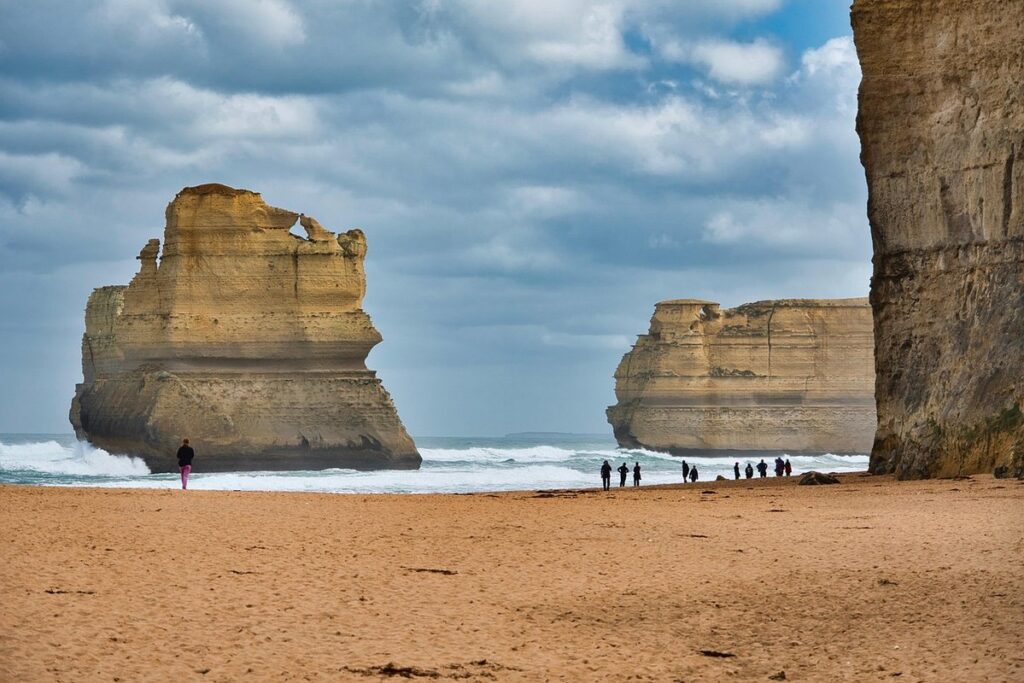
What are Erosion Gullies?
Erosion gullies can be a serious concern for soil health, but understanding what they are and how they form is key to prevention. Let’s dive into the basics of erosion gullies.
Definition and Formation
Erosion gullies are channels of water-eroded soil that develop on slopes and hillsides. They form when water flow concentrates into a narrow path, wearing away the surrounding soil and creating a steep-sided depression. This process is a natural part of landscape evolution, but it can also be accelerated by human activities such as deforestation, intensive agriculture, and construction.
The factors that contribute to erosion gullies include heavy rainfall, poor soil cover, and inadequate slope management. For instance, if a hillside has been cleared of its vegetation, the soil is left exposed to raindrops, which can create small channels in the surface. As more water flows into these channels, they widen and deepen over time.
Understanding erosion gullies is essential for managing soil degradation. By identifying areas prone to gully formation, land managers can take steps to mitigate their impact. This may involve re-vegetating slopes, implementing conservation tillage practices, or installing retention ponds to slow down water flow.
Types of Erosion Gullies
Erosion gullies come in three primary forms: sheet erosion, rill erosion, and gully erosion. Each type has distinct characteristics that set it apart from the others.
Sheet erosion is a subtle process where water flows evenly over the soil surface, causing gentle but widespread removal of topsoil. This type of erosion can be difficult to detect initially, as it often resembles a normal rainfall pattern. However, repeated exposure to sheet erosion can lead to significant soil degradation and increased risk of rill or gully formation.
Rill erosion is characterized by more defined flow channels, with water converging into small streams that begin to incise the landscape. These channels are typically narrow and shallow but can expand rapidly if left unchecked. Rill erosion often results from prolonged sheet erosion, as water accumulates in low-lying areas and starts to carve out its own path.
Gully erosion is the most severe form of the three, with massive channels cutting through the soil and underlying layers. This type of erosion occurs when rills continue to grow and merge, ultimately breaking through the landscape and creating deep, unstable paths that can be treacherous for both people and livestock.
Causes of Erosion Gullies
Erosion gullies are often a symptom of larger issues with soil health and drainage, so let’s explore what triggers these destructive channels to form in the first place. We’ll delve into the key causes that lead to erosion gully formation.
Soil Erosion Factors
Soil erosion is a complex process that’s influenced by several interrelated factors. When it comes to erosion gullies, these factors can either trigger or exacerbate their formation. At the top of the list are rainfall intensity and land use.
Heavy downpours can strip away soil cover in seconds, leaving the underlying layers exposed and vulnerable to further erosion. This is especially true for areas with steep slopes where water runs off quickly without seeping into the ground. The frequency and severity of such events determine the overall erosion risk.
Land use patterns also play a significant role in gully formation. Areas with intensive farming practices or deforestation are more susceptible to soil erosion, as vegetation roots help hold the soil together. Clear-cutting and poor agricultural management leave land exposed to water runoff, increasing the likelihood of gully development.
Agricultural activities such as overgrazing can also contribute to soil degradation by reducing vegetative cover and increasing sediment transport.
As for slope steepness, steeper slopes are naturally more prone to erosion due to increased water velocity. This is why landscape modification should be done carefully to avoid exacerbating the issue.
Vegetation cover is another critical factor that’s often overlooked but plays a vital role in preventing soil erosion. Well-placed vegetation helps absorb and filter rainwater, protecting the soil from being washed away.
Human Activities Contributing to Gully Formation
Human activities play a significant role in contributing to the formation of erosion gullies. One major contributor is deforestation, which removes vegetation that holds soil together and prevents it from eroding. When trees are cut down without replanting, soil is left exposed and vulnerable to water runoff, leading to erosion gully formation.
Overgrazing is another human activity that contributes to erosion gullies. When livestock grazes in the same area for an extended period, the grass cover is depleted, leaving bare soil susceptible to erosion. In areas like the Loess Plateau in China, overgrazing has led to severe soil erosion, resulting in widespread erosion gully formation.
Poor agricultural practices, such as intensive farming and monoculture, can also contribute to erosion gullies. These practices lead to soil compaction, reduced vegetation cover, and increased runoff, all of which increase the risk of erosion gully formation. To mitigate these effects, it’s essential to adopt sustainable land-use practices that prioritize soil conservation and protection.
Practically speaking, farmers and landowners can take steps to prevent erosion gullies by implementing conservation tillage, rotating crops, and maintaining vegetation cover on slopes and hillsides. By adopting these strategies, we can reduce the risk of erosion gully formation and protect our soil for future generations.
Effects of Erosion Gullies
As you now know how erosion gullies form and are managed, let’s explore the effects these channels have on your soil. How will gully formation impact its overall health and structure?
Environmental Impacts
Erosion gullies have far-reaching environmental consequences that can’t be ignored. One of the most significant effects is soil loss. As water flows through these channels, it carries away topsoil, taking essential nutrients and fertile land with it. This not only harms agricultural productivity but also exacerbates desertification, making it challenging to restore affected areas.
Water pollution is another critical issue associated with erosion gullies. When soil enters nearby water bodies, it introduces sediments that can clog riverbeds and disrupt aquatic ecosystems. Moreover, the increased nutrient load in waterways stimulates excessive algae growth, ultimately leading to oxygen depletion and fish kills.
The loss of fertile land and disruption of ecosystems also contribute to decreased biodiversity. The unique habitats formed by erosion gullies support specific plant and animal species that are crucial for maintaining ecological balance. However, as these areas become degraded or disappear entirely, local wildlife populations suffer, compromising the region’s overall ecosystem resilience.
By addressing erosion gully formation through sustainable practices such as terracing, contour farming, and reforestation, we can mitigate these environmental consequences and preserve biodiversity while ensuring long-term agricultural productivity.
Economic Consequences
Erosion gullies have severe economic consequences on agriculture, infrastructure, and communities. Soil erosion caused by these deep trenches can lead to significant losses in crop yields and farm income. For instance, a study in the United States found that soil erosion reduced corn yields by 15% and soybean yields by 12%. The financial implications are substantial, with an estimated $44 billion lost annually due to soil erosion.
Beyond agriculture, erosion gullies can also damage infrastructure such as roads, bridges, and buildings. When water flows through these channels, it carries massive amounts of sediment that can scour and erode the underlying surface, leading to costly repairs or even collapse. In addition, communities may bear the economic burden of maintaining water treatment plants and wastewater systems to handle increased sediment loads.
The best course of action is to address erosion gullies before they cause significant damage. This can be achieved through terracing, contour planting, and using conservation tillage practices. These methods not only reduce soil loss but also promote more efficient use of water and nutrients. By implementing these strategies, farmers and communities can mitigate the economic consequences of erosion gullies and create a more sustainable future.
Identifying and Preventing Erosion Gullies
To effectively manage soil erosion, it’s crucial you can identify gully formation early on and understand the factors that contribute to their development. This section covers prevention methods to mitigate further damage.
Early Warning Signs
When it comes to identifying and preventing erosion gullies, being aware of the early warning signs is crucial. These signs often go unnoticed until they’ve become more severe problems. Look out for soil slumping, which occurs when the topsoil begins to detach from the underlying layer due to saturation or erosion. This can happen after heavy rainfall events, irrigation activities, or prolonged periods of dry weather.
Increased runoff is another telltale sign that gully formation is imminent. If you notice water flowing quickly over the surface without being absorbed into the soil, it could be a sign that the soil’s infiltration capacity has been compromised. Check for dark discoloration on slopes, as this can indicate areas where the vegetation cover is poor or has been damaged.
If you observe any of these signs, take action promptly to mitigate further damage. Start by inspecting your land and identifying potential erosion-prone areas. Then, implement measures such as re-vegetating bare patches, installing terracing systems, or using erosion control blankets to stabilize the soil.
Preventative Measures
Preventing erosion gullies requires a proactive approach that involves modifying land use practices and implementing conservation techniques. One effective measure is contour farming, which involves cultivating crops along the contours of the landscape to minimize soil erosion. This method helps to reduce runoff and retain soil moisture, thereby preventing erosion gullies from forming.
Terracing is another technique used to prevent erosion gullies. By creating flat areas or benches on sloping land, terracing breaks up long slopes into smaller sections, reducing the flow of water and the risk of erosion. This method also allows for more efficient irrigation and reduces soil compaction.
Afforestation is a crucial preventative measure that involves planting trees on barren lands or eroded areas. Trees help to stabilize the soil through their root systems, reduce runoff by absorbing rainwater, and provide shade, which further reduces evaporation and prevents soil moisture loss. By adopting these measures, farmers can significantly reduce the risk of erosion gullies and maintain healthy soil for years to come.
Regular monitoring is also essential in preventing erosion gullies. Farmers should regularly inspect their land for signs of erosion and take corrective action before problems escalate.
Remediation and Rehabilitation
Now that we’ve understood the causes of erosion gullies, let’s discuss how to restore soil health through remediation and rehabilitation techniques that promote long-term sustainability. Effective solutions are just around the corner!
Techniques for Repairing Erosion Gullies
Repairing erosion gullies requires a multi-step approach that addresses the root causes of soil instability. One effective technique is ditching, which involves excavating a shallow channel along the length of the gully to divert water flow and reduce erosion rates. By creating a controlled pathway for runoff, you can minimize further damage and create an opportunity for stabilization.
Another crucial aspect of repair is bank stabilization, which aims to fortify the soil structure and prevent collapse. This can be achieved through methods such as geotextile reinforcement or riprap placement, both of which provide mechanical support to the soil while allowing for some degree of flexibility during rainfall events. For example, in a study conducted on a gully-prone slope in Australia, researchers found that installing geogrids reduced erosion by 75% within a two-year period.
Re-vegetation is also essential for long-term stability and ecosystem recovery. By introducing native plant species with deep root systems, you can help bind the soil together, reduce runoff, and promote healthy microbial activity. A common approach is to seed or sod areas surrounding the gully, followed by regular maintenance to ensure optimal growth conditions.
Restoration of Affected Landscapes
Restoring affected landscapes to their original condition is a crucial step in remediation and rehabilitation. When erosion gullies form, they can cause significant damage to soil structure and ecosystem health. To restore the land, a multi-faceted approach must be taken, focusing on soil rehabilitation and ecosystem recovery.
Soil rehabilitation involves addressing the root causes of erosion, such as inadequate vegetation cover or poor water management practices. This may involve implementing measures like mulching, terracing, or contour farming to reduce runoff and prevent further erosion. Planting native species that are well-suited to the local climate and soil conditions can also help stabilize the soil and promote healthy ecosystem function.
In addition to soil rehabilitation, it’s essential to focus on ecosystem recovery. This may involve reintroducing native wildlife, restoring wetlands or waterways, or implementing conservation practices like rotational grazing. By taking a holistic approach that addresses both soil health and ecosystem resilience, you can restore affected landscapes to their original condition and promote long-term sustainability.
For example, in Australia’s Murray-Darling Basin, a major restoration effort was undertaken after decades of erosion caused by over-grazing and poor water management practices. By implementing conservation measures like rotational grazing and revegetation, the local ecosystem began to recover, with significant improvements in soil health and biodiversity observed within just a few years.
Frequently Asked Questions
How long does it take to see results from preventing erosion gullies?
Concise, valuable answer…
Preventing erosion gullies requires patience and a long-term commitment. You can expect to see initial improvements in soil health and reduced erosion within 6-12 months after implementing preventative measures. However, it may take up to 2-5 years for the soil to fully recover and become more resilient to erosion.
Can I use existing vegetation to repair damaged landscapes?
Concise, valuable answer…
Yes! Existing vegetation can play a significant role in repairing damaged landscapes affected by erosion gullies. By promoting plant growth and encouraging native species, you can help stabilize soil and prevent further erosion. However, be sure to choose plants that are adapted to your local climate and soil conditions.
What’s the best approach for restoring affected landscapes on a large scale?
Concise, valuable answer…
Restoring large-scale landscapes requires a comprehensive and multi-faceted approach. This may involve working with local stakeholders, government agencies, or environmental organizations to develop a strategic plan that incorporates techniques such as terracing, contour farming, and soil conservation practices.
How can I identify the root cause of erosion gullies on my property?
Concise, valuable answer…
Identifying the root cause of erosion gullies requires careful observation and analysis. Look for factors such as soil type, slope steepness, and water flow patterns to determine if there are any underlying issues contributing to the formation of erosion gullies. Consider consulting with a professional or conducting further research to gain a deeper understanding.
Are there any cost-effective methods for repairing erosion gullies?
Concise, valuable answer…
Yes! There are several cost-effective methods for repairing erosion gullies, including using locally sourced materials and implementing DIY techniques such as terracing and contour farming. Additionally, many organizations offer grants or funding opportunities to support soil conservation efforts and restore affected landscapes.