
As a gardener, there’s nothing more frustrating than watching your beautiful plants get devoured by pests. And if you’ve ever encountered army worm moths in your garden, you know how quickly they can spread destruction. These moth larvae are notorious for their voracious appetites and ability to cause widespread damage to your beloved plants. But don’t worry – with the right knowledge, you can take control of these pests and protect your garden. In this article, we’ll delve into the life cycle of army worm moths, explore their preferred host plants, and provide practical tips on how to prevent infestations in the first place. We’ll also cover effective methods for controlling outbreaks and keeping your garden safe from these pesky insects.
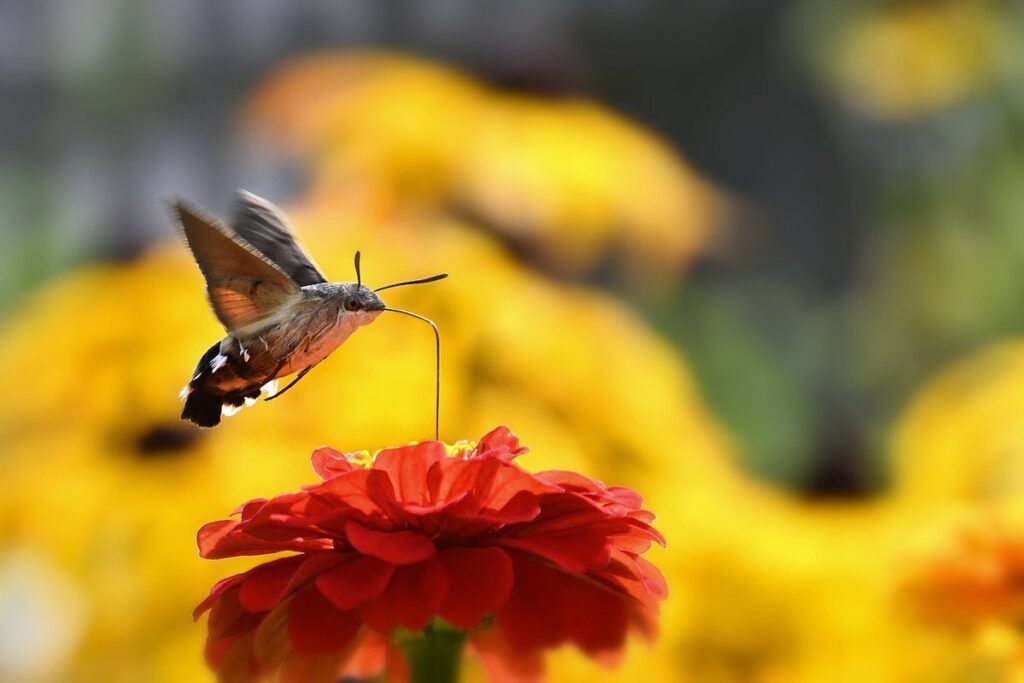
Understanding Army Worm Moths
Army worm moths are the adult form of a common garden pest, and understanding their life cycle is crucial for effective control measures. Let’s dive into their habits and characteristics.
What are Army Worm Moths?
Army worm moths are part of the Noctuidae family, which consists of over 35,000 species of moths. These moths are nocturnal, meaning they’re active at night and rest during the day. They have a unique characteristic – their caterpillars, also known as army worms, can cause significant damage to gardens by consuming large amounts of plant material.
The life cycle of an army worm moth begins with eggs laid on the underside of leaves or on the soil surface. These eggs hatch into larvae within a few days, and the larvae go through several instar stages before pupating. The adult moths emerge from the pupae after a few weeks, usually in late spring or early summer.
Army worm moths are typically gray or brown in color with distinctive markings. They have long, slender bodies and can grow up to 2-3 inches in length. While they don’t cause direct damage to gardens like their larvae do, it’s essential to identify them correctly to implement effective control measures against the army worms they produce.
It’s worth noting that some species of army worm moths are harmless to gardens, so proper identification is crucial before taking any action.
Army Worm Moth Life Cycle
An army worm moth’s life cycle is a complex process that consists of four distinct stages: egg, larva, pupa, and adult. It begins with the female moth laying her eggs on host plants, typically at night, in masses of around 100-200 eggs. The eggs hatch into larvae after about three to five days, depending on environmental conditions.
During the larval stage, also known as the caterpillar or army worm stage, the young moths feed on plant tissues, causing significant damage to crops and gardens. This stage lasts for approximately two weeks, after which the larvae burrow underground to pupate. In about a week, the adult moths emerge from their pupae.
It’s worth noting that the adult moths don’t eat during this final stage of development; instead, they focus on mating and laying eggs to start the cycle over again. By understanding these developmental milestones, gardeners can take proactive steps to manage army worm populations and prevent infestations before they become severe.
Host Plants and Preferred Environments
Army worms moths are notorious for their voracious appetites and ability to decimate entire gardens. If you’re a gardener who’s ever had the misfortune of encountering these pests, you know just how devastating they can be.
So, which plants are most commonly affected by army worms? Unfortunately, it’s not just a matter of a few select species – almost any type of plant is at risk. However, some plants are particularly susceptible to army worm damage. These include leafy greens like lettuce and spinach, as well as vegetables like tomatoes and cucumbers.
As for environmental conditions that favor the presence of army worms, you’ll want to be on high alert during periods of warm weather (above 60°F) and humidity. This is because army worms thrive in these conditions, laying their eggs and allowing their larvae to hatch and wreak havoc on your garden. To minimize the risk of an army worm infestation, make sure to keep your garden well-watered but not waterlogged – this will help prevent the eggs from hatching.
In addition, avoid planting too many members of the Solanaceae family (think tomatoes, peppers, and eggplant) in close proximity – these plants are particularly attractive to army worms. By being mindful of these conditions and taking steps to mitigate them, you can help protect your garden from these pesky pests.
Identifying Infestations
So you’ve noticed some pesky worms or moths in your garden, and now you need to figure out if it’s an army worm infestation. This section will walk you through how to identify these unwanted visitors.
Visual Cues for Army Worm Moth Infestations
When inspecting your garden for signs of army worm moth infestation, look out for visual cues that indicate their presence. These pests are nocturnal and rest during the day, but their handiwork can be easily spotted.
Check the leaves and stems of your plants for characteristic damage. Army worm moths tend to target tender shoots and leaves, especially those on young or newly planted vegetation. Their larvae feed by burrowing into plant tissue, causing significant damage in a short amount of time. Inspect for chewed-through leaves, ragged edges, and holes punched through the leaf surface.
Keep an eye out for other signs of infestation, such as frass (insect droppings) on soil or plants, or actual larvae visible on plant surfaces. Look for them in areas where they tend to congregate, like near plant nodes or under leaves. The presence of a musty odor may also indicate their presence.
If you suspect an army worm moth infestation, take note of the severity and extent of the damage. This information will be crucial in determining the best course of action for control.
Behavioral Indicators of a Problematic Population
When you have a significant army worm moth population in your garden, there are several behavioral indicators to watch out for. One of the most noticeable signs is an increase in activity around the affected areas. You may notice moths flying or crawling on plants during the day and night, which can be a giveaway that they’re present in large numbers.
Another indication is the mating sounds made by male army worm moths. These sounds are often compared to rustling leaves or chirping crickets, but are usually more persistent and high-pitched. If you hear these sounds frequently, especially during peak moth activity hours (dawn and dusk), it’s a strong sign that you have a problematic population.
Keep an eye out for other behaviors like moths clustering around lights at night or on plants with high moisture levels. These behaviors are typical of army worm moths seeking mates or shelter. If you notice any of these indicators, take immediate action to control the population before they infest your garden further.
The Role of Soil Moisture and Temperature in Infestations
When it comes to army worm moth infestations, two crucial factors that can significantly impact their severity and duration are soil moisture levels and temperature. As a gardener, understanding the delicate balance between these elements is essential to take proactive measures against these pests.
Soil moisture plays a critical role in determining the survival and proliferation of army worms. Excessive moisture creates an ideal breeding ground for larvae, allowing them to thrive and multiply rapidly. In contrast, dry conditions can slow down their development, but prolonged droughts might lead to increased competition among larvae for scarce resources, potentially reducing infestation severity.
Temperature also significantly influences the life cycle of army worms. Optimal temperatures between 65°F to 85°F (18°C to 30°C) facilitate rapid growth and reproduction. Conversely, extreme temperatures can either slow down or accelerate their development, depending on whether they are above or below this range. Understanding these temperature dynamics will help you take targeted measures to prevent infestations or mitigate their impact.
By keeping a close eye on soil moisture levels and monitoring temperature fluctuations, you’ll be better equipped to predict and manage army worm moth infestations in your garden.
Prevention and Control Measures
Effective prevention and control measures are key to minimizing the impact of army worm moths on your garden, and we’re about to share some essential strategies with you. Let’s dive into the must-knows for a healthier harvest.
Understanding the Importance of Early Detection
Early detection is key to effective control of army worm moths in your garden. These pests can cause significant damage to your plants, especially during their caterpillar stage. If left unchecked, they can devour entire fields of crops or even smaller gardens, leaving you with nothing but bare stalks.
To monitor populations and detect them early on, start by regularly inspecting your plants for signs of infestation. Look for holes in leaves, chewed stems, and silken threads that indicate caterpillar activity. Be sure to check both upper and lower surfaces of leaves, as well as the base of plants.
Another effective method is to install sticky traps or pheromone traps in your garden. These can be placed near areas where army worms are known to congregate, such as under mulch or near weeds. Catching a few moths on these traps can alert you to an impending infestation before it gets out of hand.
By incorporating regular monitoring and early detection into your gardening routine, you’ll significantly improve your chances of controlling army worm moth populations and protecting your plants from damage.
Organic and Integrated Pest Management (IPM) Strategies
When it comes to controlling army worms moths in your garden, incorporating organic and Integrated Pest Management (IPM) strategies can be a game-changer. These methods not only reduce the risk of chemical contamination but also promote long-term sustainability.
One effective approach is using physical barriers to prevent army worms from reaching your plants. This involves covering individual leaves or entire plants with fine mesh screens or row covers, which allow for air circulation while keeping pests at bay. For example, you can use lightweight row covers to protect delicate flowers like marigolds and zinnias.
Another strategy is deploying traps specifically designed to capture army worms moths. Sticky traps coated with a non-toxic adhesive are an excellent option, as they don’t harm the moths but rather trap them for easy disposal. You can also create DIY traps using yellow sticky tape or cardboard boxes coated with a sweet-smelling bait.
Cultural controls involve managing your garden to make it less appealing to army worms. This includes maintaining good soil health through composting and mulching, watering plants efficiently, and selecting pest-resistant plant varieties. For instance, planting companion flowers like dill and basil alongside susceptible crops can help deter army worms. By adopting these organic IPM strategies, you’ll not only reduce the occurrence of army worms but also promote a healthier garden ecosystem.
Chemical Controls: A Last Resort
When dealing with severe armyworm moth infestations in your garden, it’s essential to approach chemical control measures with caution and careful consideration. Chemical pesticides should be viewed as a last resort, as they can have unintended consequences on the environment, beneficial insects, and even human health.
Before reaching for chemical controls, try to exhaust all other prevention and control methods first. This includes implementing Integrated Pest Management (IPM) strategies that combine physical barriers, cultural controls, and biological pest control methods. If these measures fail to mitigate the infestation, it may be time to consider using chemical pesticides.
However, when using chemical pesticides, remember to follow the label instructions carefully and take necessary precautions to minimize harm to people, pets, and the environment. Apply chemicals at the right time of day (usually early morning or evening), avoid spraying in windy conditions, and keep children and pets away from treated areas. Always choose targeted, systemic insecticides that specifically target armyworm moths and have a low impact on beneficial insects.
Managing Infested Gardens
If you’ve fallen victim to an army worm moth infestation, don’t worry – we’ll walk you through steps to regain control of your garden. Effective management strategies start here, with some essential tips and tricks.
Assessing Damage and Prioritizing Plants
When assessing damage from armyworm moths in your garden, it’s essential to take stock of the extent of the infestation. Walk through your garden carefully, inspecting each plant for signs of damage such as holes in leaves, chewed stems, or webbing. Make a note of which plants are most severely affected and consider dividing them into three categories: critical, high priority, and low priority.
Critical areas are those where more than 50% of the foliage has been damaged, leaving the plant vulnerable to disease and further infestation. High-priority plants have damage ranging from 10-49%, while low-priority plants show minimal signs of infestation (less than 10%). Based on these categories, focus your treatment efforts on critical areas first.
Consider also identifying the most susceptible plants in your garden, such as those with tender shoots or extensive foliage. These should receive priority attention to prevent further damage and reduce the risk of a full-blown outbreak.
Removing Host Plants and Sanitation Practices
When it comes to managing army worm moth infestations, removing host plants and implementing good sanitation practices are crucial steps that cannot be overlooked. These moths are attracted to specific plant species, particularly grasses and cereals, which serve as their food source for both larvae and adults. By eliminating these host plants from your garden, you can significantly reduce the likelihood of future infestations.
To identify potential host plants in your garden, inspect the areas where army worm moth activity is most prevalent. Look for plants with curled or distorted leaves, as these are often indicative of army worm feeding damage. Once you’ve identified the host plants, carefully remove them from the affected area and dispose of any debris.
Good sanitation practices also play a vital role in preventing future infestations. Regularly clean up garden debris, including weeds, dead plant material, and fallen fruit or vegetables, which can attract army worms. Maintain a tidy and well-manicured garden by removing weeds and keeping soil free from debris. By combining host plant removal with good sanitation practices, you’ll create an environment that’s less conducive to army worm moth infestations.
Maintaining a Healthy Garden Ecosystem
A balanced and healthy garden ecosystem is key to preventing army worm moth infestations. By maintaining a diverse range of plants, beneficial insects, and microorganisms, you can create an environment that’s less conducive to these pests.
Start by incorporating a mix of annuals and perennials into your garden, which will attract a variety of pollinators and other beneficial insects. These beneficial insects, such as ladybugs and lacewings, feed on army worm moths and their eggs, helping to keep populations under control. Planting flowers that are rich in nectar and pollen, like marigolds or sunflowers, can also provide an attractive food source for these beneficial insects.
In addition to introducing new plants, make sure to maintain a healthy soil ecosystem by using compost or other organic matter. This will help promote the growth of beneficial microorganisms that break down nutrients and deter pests. By implementing these strategies, you’ll be well on your way to creating a balanced and resilient garden ecosystem that’s less vulnerable to army worm moth infestations. Regularly monitoring your garden for signs of infestation is also crucial to catching issues early and preventing them from getting out of control.
Long-Term Solutions and Prevention
To truly regain control of your garden, it’s essential to focus on preventing future infestations by addressing the root causes of army worm moth invasions. Let’s explore long-term solutions that work!
Biological Control Methods
When it comes to managing army worm moth populations in gardens, biological control methods offer a promising solution. These methods rely on introducing natural predators or parasites that feed on the moths, thereby controlling their numbers. One such example is the use of Trichogramma wasps, which are known to attack and parasitize army worm moth eggs.
Another effective approach is the introduction of certain species of spiders, ants, or ground beetles, which prey on adult moths or their larvae. For instance, introducing beneficial nematodes can help control grubs in the soil, thereby reducing the likelihood of army worms emerging later.
To implement biological control methods effectively, it’s essential to identify the specific predator or parasite that targets your particular pest problem and introduce them at the right time. Research local species that are suitable for your region and climate, and ensure they are safe for human consumption if you plan to harvest affected plants. Monitor their populations regularly to prevent over-preying on other beneficial insects in your garden.
Practical tips include:
* Introduce Trichogramma wasps or beneficial nematodes in the early stages of an infestation
* Ensure a diverse range of plant species in your garden to support a variety of natural predators
* Avoid using broad-spectrum pesticides, which can harm beneficial insects and undermine biological control efforts
Cultural Controls: Adjusting Gardening Practices
To create an environment that’s less hospitable to army worm moths, consider adjusting your gardening practices. One effective approach is crop rotation. By changing the types of plants you grow in a given area, you can disrupt the moths’ life cycle and make it harder for them to survive.
For instance, if you typically plant corn or other susceptible crops, try rotating to vegetables like broccoli or kale, which are less appealing to army worm moths. Similarly, adjust planting times to avoid peak moth activity periods. In general, moths tend to be more active during the spring and summer months when temperatures are warmer.
Another strategy is to choose varieties of plants that have natural resistance to these pests. Some examples include crops bred with built-in pest control or those that release chemicals repelling moths. Additionally, incorporate companion planting – pairing certain crops together that naturally deter pests – to create a more balanced ecosystem in your garden. By implementing these adjustments, you can make it less likely for army worm moths to infest your garden.
Community Involvement and Education
When it comes to managing garden pests like army worm moths on a larger scale, community involvement and education play a crucial role. By working together with neighbors, local gardening groups, and even government agencies, you can share knowledge, resources, and best practices for prevention and control.
For instance, consider organizing a neighborhood clean-up day where everyone contributes to removing weeds, debris, and other potential breeding sites for army worms. You could also establish a community garden or plot where residents can grow their own pest-resistant plants and learn from each other’s experiences.
Moreover, hosting workshops, seminars, or online forums on organic gardening methods and Integrated Pest Management (IPM) strategies can empower individuals to take charge of their gardens’ health. By sharing expertise and learning from others, you’ll create a ripple effect that spreads beyond your garden to the entire community.
Don’t forget to involve local schools in this effort as well! Educating students about sustainable gardening practices and the importance of biodiversity can lead to a new generation of environmentally conscious gardeners who will carry on these efforts for years to come.
Frequently Asked Questions
How often should I inspect my garden for signs of army worm moth infestations?
It’s essential to regularly monitor your garden, especially during peak seasons (spring-fall), when army worms are most active. Set a schedule to inspect your plants every 1-2 weeks, paying attention to any visual cues such as egg clusters, larvae, or frass. Early detection is crucial for effective management and prevention of further damage.
Can I use chemical pesticides to control an existing army worm moth infestation?
Chemical controls should be used as a last resort due to potential harm to beneficial insects and the environment. Instead, consider integrated pest management (IPM) strategies that combine physical barriers, cultural controls, and biological methods. If you do choose to use chemicals, ensure you follow label instructions carefully, wear protective gear, and prioritize targeted treatments rather than broad-spectrum applications.
How can I prevent re-infestation once I’ve removed the host plants?
To prevent future infestations, focus on maintaining a healthy garden ecosystem through crop rotation, sanitation practices (removing weeds and debris), and adjusting gardening practices to minimize attractants. Also, consider incorporating biological control methods like introducing beneficial nematodes or natural predators that prey on army worm moths.
Are there specific plants that are more susceptible to army worm moth infestations?
Yes, certain plant families such as grasses, legumes (beans), and some vegetables like corn, potato, and tomato are particularly vulnerable. If you have these plants in your garden, be extra vigilant when monitoring for signs of infestation. Additionally, some weeds can serve as alternative hosts, so make sure to control these as well.
How long does it take for an army worm moth population to recover after control measures?
The recovery time depends on the severity of the infestation and the effectiveness of control measures. In general, it may take several weeks to months for a population to decline significantly. Be patient and persistent with your management strategies, as it’s crucial to address any lingering larvae or eggs to prevent re-infestation.