
If you’ve ever noticed tiny white eggs or caterpillars on your garden flowers, chances are they belong to bee moths. These pesky pests can wreak havoc on your pollinator-friendly garden, feeding on nectar and pollen, and even harming native bees and butterflies. Understanding the life cycle of bee moths is key to managing their impact in your garden. In this article, we’ll delve into the world of bee moths, covering their identification, life stages, and control strategies. We’ll also explore how these insects affect pollinators like honeybees and native bees, as well as effective methods for preventing infestations and protecting your garden’s biodiversity. By the end of this article, you’ll be equipped with the knowledge to tackle bee moth problems in your garden.
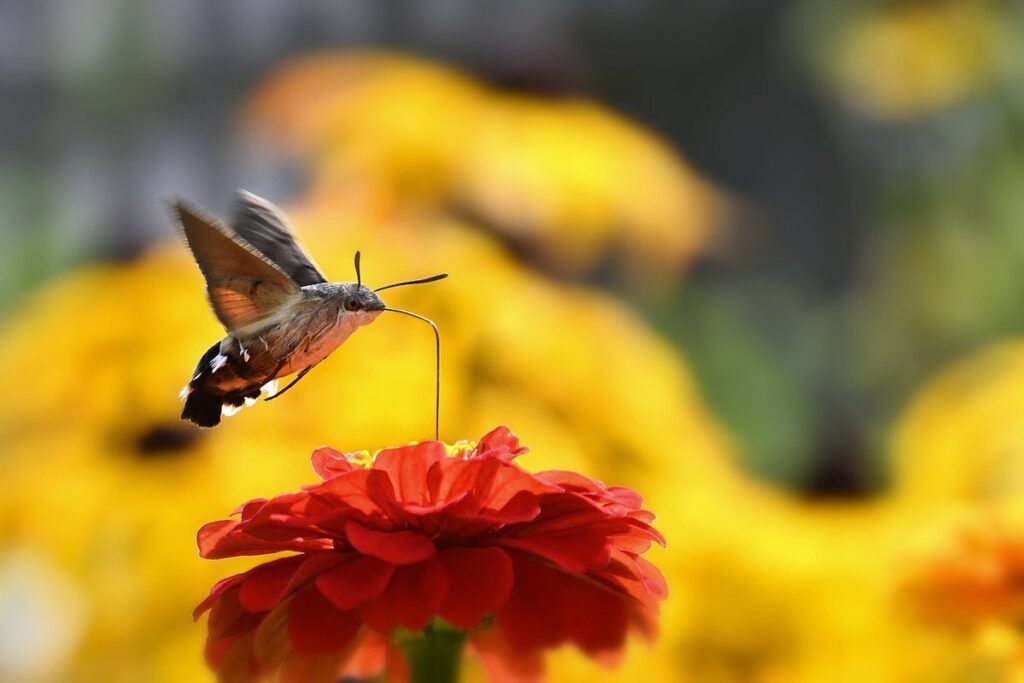
Introduction to Bee Moths
If you’re new to bee moths, this section is a great place to start as we delve into their fascinating world and learn how they impact your garden. Let’s take a closer look!
What Are Bee Moths?
Bee moths are often misunderstood creatures that can be mistaken for bees due to their similar appearance and behavior. However, they belong to a completely different category of insects altogether. These small, flying creatures typically have a stout body, long antennae, and usually a dull-colored or brownish hue. They also tend to be smaller than actual bees, with most species ranging from 1/4 to 1 inch in length.
One of the main reasons why people confuse bee moths with bees is their flight pattern. Bee moths are known to fly erratically, flitting about flowers and plants in a seemingly random manner, much like actual bees. However, this behavior is actually a result of their feeding habits. Unlike bees that collect nectar from flowers, bee moths tend to feed on the actual flowers themselves, often damaging them in the process.
To differentiate between bee moths and actual bees, take note of their size, coloration, and flight pattern. If you notice a small, brownish moth flitting about your garden with no discernible honeycomb or hive nearby, it’s likely a bee moth rather than an actual bee.
Importance of Bee Moth Identification
Accurate identification of bee moths is essential for gardeners and scientists alike. When you can’t tell a moth from a bee, it’s challenging to understand the impact they have on your garden and ecosystem. For instance, some species of bee moths are harmless, while others can cause significant damage to flowers and plants.
To identify bee moths correctly, observe their size, color, and markings. Note the shape of their antennae, wings, and body structure. Consult field guides or online resources to match your observations with known species. It’s also crucial to learn about the life cycles of bee moths, including their larvae and pupal stages.
Correct identification helps gardeners develop targeted strategies for managing bee moth populations. For example, if you’ve identified a species that prefers specific flowers, you can plant those flowers to attract beneficial insects or use physical barriers to protect your plants. By accurately identifying bee moths, you’ll be better equipped to maintain a balanced ecosystem in your garden and make informed decisions about pest management.
Life Cycle and Habitat of Bee Moths
Let’s dive into the fascinating life cycle and habitat of bee moths, exploring how these creatures thrive in our gardens and backyards. From eggs to adults, we’ll examine their unique habits.
Egg Stage and Larval Development
The egg stage and larval development of bee moths is a critical period in their life cycle. Female bee moths lay their eggs on the underside of leaves or stems of plants, often near the flowers that will serve as food for their larvae. The female moth can lay anywhere from 200 to 1,000 eggs at a time, depending on the species and availability of food.
After about 3-7 days, the eggs hatch into larvae, also known as caterpillars. These hungry larvae feed on the plant’s leaves, stems, or flowers, using their strong mandibles to chew through tough cell walls. As they grow, they molt several times, shedding their skin like a suit that’s too small.
During this stage, bee moth larvae are highly vulnerable to predators and environmental factors such as drought or extreme temperatures. To encourage healthy development, gardeners can provide a diverse range of plant species, ensuring there’s always something available for the larvae to eat. This might involve planting multiple flowers at different times of year, so that there’s a constant supply of nectar-rich blooms.
Adult Behavior and Habitat Preferences
As adult bee moths emerge from their cocoons, they exhibit distinct behavior patterns and habitat preferences that set them apart from other moth species. These unique characteristics play a crucial role in the life cycle of the bee moth, as they prepare for the next generation.
During this stage, mating habits are a priority. Adult bee moths engage in a complex courtship ritual, where males use their feathery antennae to detect pheromones emitted by females. This intricate dance allows them to locate potential mates and initiate breeding. As with many moth species, males take on the responsibility of fertilizing eggs.
When it comes to feeding behaviors, adult bee moths are primarily nocturnal and feed on nectar-rich flowers, similar to their larval stage. However, they tend to prefer larger, more fragrant blooms, such as jasmine or honeysuckle. To attract these beneficial insects to your garden, incorporate a mix of nectar-rich flowers that bloom throughout the growing season.
By understanding adult bee moths’ behavior patterns and habitat preferences, you can create a welcoming environment for these vital pollinators in your garden.
Impact on Gardens and Ecosystems
As we explore the presence of bee moths in gardens, let’s examine how their larvae affect the delicate balance of ecosystems and plant populations. Their impact can be quite surprising.
Damage to Plants and Flowers
Bee moths can be a significant threat to your garden’s health and beauty. These insects are capable of causing extensive damage to plants and flowers, which can lead to economic losses for gardeners and farmers. One of the main ways bee moths harm gardens is by feeding on pollen and nectar, but also on the leaves and buds of plants.
This type of damage can be particularly problematic for certain types of plants, such as roses and lavender. The eggs of the bee moth are usually laid near the flowers or buds, which makes them difficult to spot before they hatch. When the larvae emerge, they start feeding on the plant’s tissues, causing significant damage and potentially killing the plant.
In addition to physical damage, bee moths can also spread diseases among plants, making it even more challenging for gardeners to manage their gardens effectively. To mitigate this issue, consider using row covers or fine-mesh screens to prevent adult moths from laying eggs on your plants. Regularly inspecting your plants and removing any infested areas can also help control the population of bee moths in your garden.
Effects on Pollinator Populations
The presence of bee moths in gardens can have a subtle yet significant impact on pollinator populations. Many gardeners and enthusiasts often confuse these moths with bees due to their similar appearance, but this similarity is where the problem begins. Bee moths do not contribute to the vital process of pollination, which is essential for plant reproduction and ecosystem balance.
When bee moths are mistaken for pollinators, gardeners may inadvertently create an environment that encourages their presence while neglecting the actual pollinators. This can lead to a decline in native pollinator populations, including bees, butterflies, and other beneficial insects. For instance, if you’re planting flowers that attract bee moths but not actual pollinators, you may be unintentionally driving away the very creatures your garden needs.
To mitigate this impact, it’s essential to distinguish between these two groups and create a pollinator-friendly environment. This can be achieved by choosing plants that are specifically attractive to native pollinators and avoiding those that primarily attract bee moths. By making conscious choices in your garden design and plant selection, you can contribute to the preservation of local pollinator populations and maintain a healthy ecosystem balance.
Management and Control Strategies
To effectively manage bee moths in your garden, consider implementing management and control strategies that balance pest control methods with environmental sustainability. This approach will help you mitigate the risks associated with these pests while preserving ecosystem health.
Organic Methods for Bee Moth Control
If you’re looking to control bee moths without resorting to chemical pesticides, there are several organic methods worth exploring. One approach is to use physical barriers to prevent adult bee moths from reaching your plants. For example, covering susceptible plants with fine mesh or netting can keep these pests out while still allowing beneficial pollinators to access the flowers.
Another natural method for controlling bee moths involves introducing biological controls into your garden ecosystem. Encourage natural predators of bee moths, such as ladybugs and lacewings, by creating a welcoming environment through the use of native plants and maintaining a balanced garden ecosystem. These beneficial insects will help regulate bee moth populations without the need for chemical intervention.
Some gardeners have also found success with introducing parasitic wasps that prey specifically on bee moths. By releasing these beneficial insects into your garden, you can create a self-sustaining cycle of control that minimizes the risk to non-target species.
Chemical Control Measures
When it comes to managing bee moth infestations, chemical control measures can be an effective solution. However, it’s essential to use these measures judiciously and with caution, as they can also pose risks to non-target organisms, such as bees and other pollinators.
Insecticidal sprays containing pyrethroids (e.g., permethrin or deltamethrin) are commonly used against bee moths. These chemicals work by disrupting the moth’s nervous system, ultimately leading to its death. However, it’s crucial to use these products at the correct concentration and timing to avoid harming beneficial insects.
Aim for late afternoon or early evening applications when bees are less active, reducing the risk of contamination. Always follow the product label instructions carefully and take necessary precautions to prevent exposure.
Other chemicals like Bacillus thuringiensis (Bt) can also be effective against bee moths. This bacterium produces a toxin that specifically targets moth larvae, allowing for targeted control with minimal risks to other insects.
When using chemical control measures, it’s vital to monitor their effectiveness and adjust your approach as needed. Regularly inspect the affected areas to determine whether the infestation is under control or if further action is required.
Prevention and Monitoring Strategies
To keep your garden safe from bee moths, it’s crucial to implement effective prevention and monitoring strategies right from the start of the growing season. This includes regular checks for signs of infestation.
Early Detection Methods for Bee Moth Infestation
Early detection is key to preventing damage from bee moths. To monitor populations effectively, gardeners can start by conducting regular visual inspections of their gardens. This involves walking through the area, looking for signs of infestation such as holes in leaves, flower buds, or flowers with frayed edges. Check the undersides of leaves and stems, as well as any areas with dense foliage.
Another effective method is using pheromone traps. These specialized traps mimic the scent of female bee moths, attracting males to the area and preventing them from mating. Place traps in areas where you’ve noticed damage or activity, such as near infested plants or around garden borders. It’s essential to check traps regularly, replacing any caught insects with fresh pheromone lures.
Timing is also crucial; inspect your garden frequently during peak bee moth season (typically late spring and early summer). Keep an eye out for the distinctive brownish-gray color of adult moths and the damage they cause to flowers and leaves. By catching infestations early, you can prevent further damage and save your plants from significant harm.
Long-Term Prevention Measures
To prevent future infestations and maintain a healthy garden ecosystem, it’s essential to adopt long-term strategies that promote biodiversity and reduce the risk of bee moth infestation. One crucial step is to plant a diverse range of flowers that provide nectar and pollen for beneficial insects, such as parasitic wasps and ladybugs. These natural predators can help control bee moth populations, reducing the need for pesticides.
Another key strategy is to maintain a balanced soil ecosystem by incorporating compost and organic matter into your garden. This will promote healthy microbial activity, improve soil structure, and support the growth of beneficial microorganisms that can help repel pests.
Regular garden maintenance, such as removing weeds and debris, can also help prevent bee moth infestations. By creating an environment that discourages pests and promotes beneficial insects, you’ll be taking a significant step towards long-term prevention and reducing the risk of future infestations.
Case Studies and Real-World Applications
Let’s take a look at how bee moths have affected real gardens, from the smallest community plots to large-scale commercial operations around the world.
Successful Bee Moth Management Programs
A well-designed bee moth management program can make all the difference in protecting your garden from these pesky pests. One notable example is the “Integrated Pest Management” (IPM) approach implemented by a group of dedicated gardeners in a local community. They adopted a holistic strategy that combined physical barriers, biological control methods, and cultural controls.
For instance, they used fine mesh to cover their prized flowers and vegetables, preventing adult moths from laying eggs on them. Additionally, they introduced natural predators like parasitic wasps and lacewings, which feed on bee moth larvae. To further reduce the population, they implemented a strict garden maintenance routine, ensuring that debris and weeds were removed regularly.
Another successful program is the “Bee Moth Management Cooperative” in Australia, where a team of researchers and gardeners collaborated to develop a comprehensive management plan. They shared knowledge and resources, resulting in a significant reduction in bee moth populations across participating gardens. Their approach also included monitoring and recording pest activity, allowing for data-driven decision-making and adjustments to their strategy as needed.
By emulating these successful programs, you can create an effective bee moth management plan tailored to your garden’s specific needs. Remember to monitor your garden regularly, adapt to changing conditions, and share knowledge with fellow gardeners to build a robust defense against these unwanted pests.
Lessons Learned from Real-World Experiences
Analyzing real-world experiences can provide valuable insights into effective management strategies for dealing with bee moth infestations. One such example is the case study of a large garden in California that suffered from a severe bee moth infestation. Despite using conventional pest control methods, the infestation persisted, causing significant damage to their plants.
A key lesson learned from this experience was the importance of adapting to changing ecosystems. Bee moths are highly adaptable pests that can develop resistance to pesticides, making conventional controls less effective over time. The garden owners ultimately turned to integrated pest management (IPM) strategies, which involve a combination of techniques such as hand-picking, biological control, and cultural controls.
By adopting this approach, the garden owners were able to significantly reduce the bee moth population and protect their crops. This experience highlights the need for gardeners and farmers to be proactive in monitoring and adapting to changing pest populations. By doing so, they can develop effective management strategies that minimize damage and ensure a healthy ecosystem.
Conclusion
As you’ve made it through this informative post on bee moths in gardens, we hope you’re now equipped with the knowledge to tackle these pesky insects head-on. Remember, prevention is key when it comes to keeping bee moths at bay. Inspect your garden regularly for signs of infestation, and take swift action if you notice any larvae or eggs on your plants.
If you’ve already been affected by a bee moth infestation, don’t worry – it’s not the end of the world! With some elbow grease and the right techniques, you can restore your garden to its former glory. Be sure to quarantine any heavily infested areas and dispose of infected plants to prevent the problem from spreading.
Now that you’ve learned how to identify and control bee moths in gardens, we encourage you to share this knowledge with fellow gardening enthusiasts. Together, we can create a more bee-friendly environment for all!
Frequently Asked Questions
Can I completely eliminate bee moths from my garden?
Yes, while it’s challenging to eradicate them entirely, implementing a combination of management strategies like physical barriers, organic pest control methods, and habitat modification can significantly reduce their population. Regular monitoring and early detection are also crucial in preventing infestations.
How do I know if the bees or butterflies visiting my flowers are actually being harmed by bee moths?
Native pollinators may visit flowers that have been damaged by bee moths, but it’s essential to observe these interactions closely. Look for signs of predation, such as caterpillars eating through plant tissues or adult moths sucking nectar from damaged flowers. Monitor your garden regularly and maintain a record of observations.
Are there any specific plants that are more susceptible to damage by bee moth larvae?
Yes, certain plants like sunflowers, zinnias, and cosmos are particularly vulnerable to bee moth infestations. This is because these plants often have soft, tender tissues that caterpillars can easily feed on. Consider using physical barriers or row covers to protect these plants from larval damage.
What’s the best way to monitor for early signs of bee moths in my garden?
Regularly inspect your flowers and foliage for tiny white eggs, larvae, or adult moths. Look for characteristic damage patterns like holes in leaves or petals, and observe any unusual behavior around flowers. Monitor during peak moth activity periods (usually at dawn or dusk) when they are most active.
Can I use companion planting to repel bee moths from my garden?
Certain plants like basil, mint, and lemongrass have natural oils that can deter insects. Planting these species alongside your pollinator-friendly flowers might help keep bee moths away. However, this method is not foolproof, and it’s best used in conjunction with other management strategies for optimal results.