
As gardeners, we’re often focused on attracting bees and butterflies to our outdoor spaces, but there’s another beneficial insect that deserves some love: the humble hoverfly. These tiny flying wonders are pollinators, pest controllers, and indicators of a healthy garden ecosystem all rolled into one. By supporting these incredible insects, you’ll not only enhance your garden’s biodiversity but also reap rewards in terms of pest management and plant health. In this article, we’ll delve into the world of hoverflies and explore how to attract, support, and conserve them in our gardens. We’ll cover their importance as pollinators and pest controllers, provide tips on creating a hoverfly-friendly habitat, and discuss ways to monitor and maintain their populations. By the end of this post, you’ll be well-equipped to join the ranks of hoverfly enthusiasts and contribute to the health of your garden ecosystem.
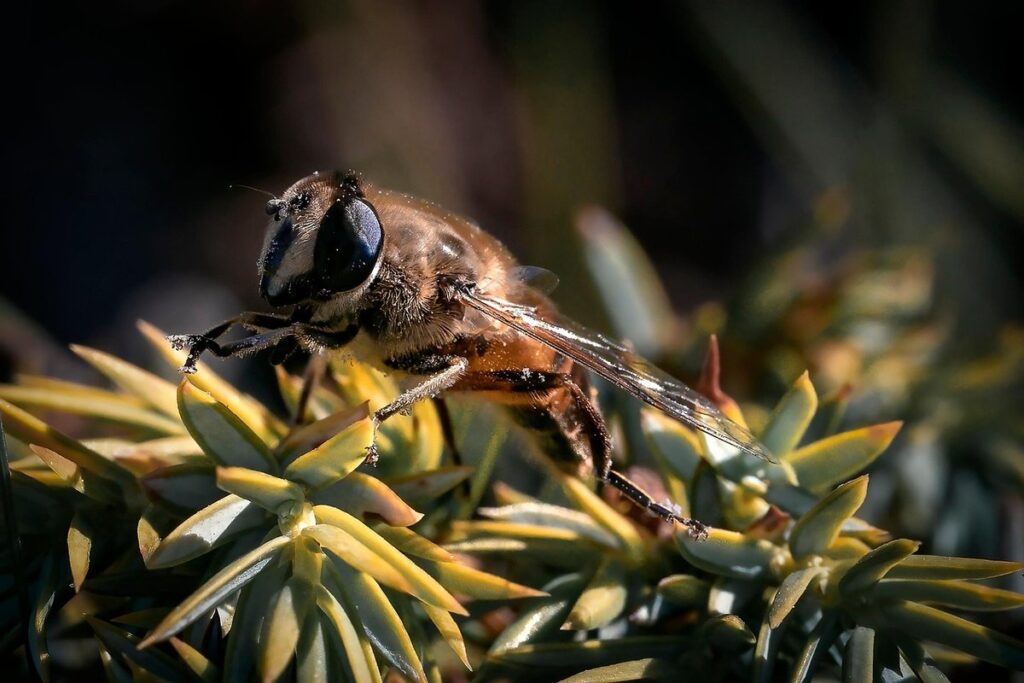
What Are Hoverflies and Why Are They Important?
Let’s start by exploring what hoverflies are and why these beneficial insects play a crucial role in keeping your garden healthy.
The Science Behind Hoverfly Identification
When it comes to identifying hoverflies, understanding their biology is key. These insects undergo a complete metamorphosis, consisting of four distinct life stages: egg, larva, pupa, and adult. The female hoverfly lays her eggs near potential food sources for the larvae, which are often pests that harm garden plants.
As the larvae feed on these pests, they grow and molt several times before entering the pupal stage. This is where the magic happens – inside the pupa, the larva transforms into a fully formed adult. The adult hoverfly emerges, ready to start the cycle anew.
What’s fascinating about hoverflies is their unique characteristic of mimicking wasps and bees to deter predators. Their striped patterns and bright colors serve as a warning signal, indicating that they are not a threat but rather beneficial insects. By understanding this biology, you can appreciate why hoverflies are crucial for maintaining a balanced ecosystem in your garden.
How to Identify Common Types of Hoverflies in Your Garden
When spending time in your garden, it’s not uncommon to spot small, delicate flies flitting about. However, if you look closely, you might notice that they’re not just any ordinary fly – they’re likely hoverflies! These beneficial insects are essential for pollination and pest control, but did you know there are many different species of hoverflies found in gardens? To help you identify them, let’s take a closer look at some common types.
One of the easiest ways to identify hoverflies is by their color patterns. For example, the Common Green Bottle Fly (Eristalis tenax) has a bright green body and yellow stripes on its thorax, while the Flower Hoverfly (Volucella bombylans) boasts iridescent blue wings with a black abdomen. Size can also be an indicator – hoverflies range from 1-30 mm in length, so keep that in mind when making your identification.
Take note of distinctive markings as well: some species have white or yellow spots on their bodies, while others feature intricate patterns on their wings. For instance, the Large Red-tailed Bumblebee Fly (Bombus muscorum) has a striking red abdomen and black thorax with a white stripe. With practice and patience, you’ll be able to spot these fascinating creatures in no time – happy identifying!
Attracting Hoverflies to Your Garden: Tips and Tricks
Want to entice these beneficial insects into your garden? This section shares expert tips on creating a hoverfly-friendly environment that will attract these pollinators in no time.
Creating a Hoverfly-Friendly Environment
When creating a hoverfly-friendly environment in your garden, it’s essential to provide them with the necessary resources. This includes nectar-rich flowers that are rich in sugar and water, which will fuel their activity and support their life cycle. Incorporate a variety of flowers such as marigold, cosmos, and fennel into your garden to ensure there is a constant supply of food throughout the season.
In addition to providing a reliable food source, hoverflies also require sheltered spots to hide from predators and weather conditions. Incorporate some leaf litter or dead plant material into your garden beds to provide shelter for these beneficial insects. This will also act as a habitat for other beneficial microorganisms that can help support the ecosystem.
To create a balanced ecosystem in your garden, consider incorporating plants with different growth habits and bloom times. This will not only attract hoverflies but also support other pollinators and beneficial insects.
Incorporating Native Plants That Attract Hoverflies
When it comes to creating a hoverfly-friendly garden, incorporating native plants is essential. These beneficial insects are drawn to specific flowers that provide nectar and pollen, so choosing the right species can make all the difference.
Consider planting milkweed (Asclepias spp.), which blooms from mid-summer to fall and attracts large numbers of hoverflies. This drought-tolerant perennial requires minimal maintenance and grows 2-3 feet tall, making it an ideal choice for borders or meadows. Another excellent option is cosmos (Cosmos bipinnatus), a biennial that flowers from June to September and reaches heights of 3-6 feet. Its delicate pink, white, or red blooms are a favorite among hoverflies.
Native plants like yarrow (Achillea millefolium) and joe-pye weed (Eutrochium maculatum) also attract hoverflies. Yarrow produces flat-topped clusters of small flowers from mid-summer to fall, while joe-pye weed’s large, showy blooms appear in late summer. Both plants are relatively low maintenance and can grow 3-6 feet tall.
When selecting native plants for your garden, be sure to choose species that match your region’s specific climate and growing conditions. By doing so, you’ll create a welcoming environment for hoverflies and other beneficial insects, which will help maintain the health and balance of your garden ecosystem.
The Role of Hoverflies as Pollinators and Pest Controllers
Hoverflies play a crucial role in your garden’s ecosystem, not just as beautiful visitors but also as important pollinators and pest controllers. Let’s explore their valuable contributions to a healthy garden.
Pollination Services Provided by Hoverflies
When most people think of pollinators, bees and butterflies often come to mind. However, there’s another important group that plays a vital role in transferring pollen between flowers: hoverflies! These beneficial insects may not get the same attention as their more famous counterparts, but they’re equally essential for plant reproduction and seed production.
Hoverflies visit flowers to feed on nectar, just like bees, and in the process, they inadvertently collect pollen. As they move from flower to flower, some of this pollen is transferred between plants, facilitating pollination. In fact, research has shown that hoverflies are responsible for transferring pollen in up to 50% of plant species. This may not seem like a lot, but it’s estimated that without these tiny helpers, many garden flowers would struggle to reproduce.
If you want to attract more hoverflies to your garden and benefit from their pollination services, focus on planting a diverse range of flowers with a mix of nectar-rich blooms. Some excellent choices include lavender, coneflowers, and cosmos – all of which are known to be popular with hoverflies. By providing these beneficial insects with the resources they need, you’ll not only attract more pollinators but also enjoy a thriving garden ecosystem.
Controlling Pests with Hoverfly Larvae
As you’ve learned to appreciate these beneficial insects as pollinators, it’s essential to understand their lesser-known but equally valuable role as pest controllers. Hoverfly larvae are voracious predators that feed on aphids, whiteflies, and other garden pests, making them a gardener’s best friend.
These larvae are the caterpillar-like stage of hoverflies’ life cycle, and they’re experts at hunting down and devouring pests. Some species can consume up to 60 aphids per day! By having hoverfly larvae in your garden ecosystem, you’ll experience a significant reduction in pest populations. This is especially beneficial for crops that are prone to infestations, such as roses and vegetables.
To encourage the presence of these valuable larvae in your garden:
* Plant nectar-rich flowers like cosmos, marigolds, and zinnias, which attract adult hoverflies.
* Provide sheltered areas with dense foliage, where hoverfly eggs can safely lay.
* Avoid using pesticides, which can harm or kill hoverfly larvae.
By creating a welcoming environment for hoverflies, you’ll not only enjoy the benefits of these beneficial insects as pollinators but also reap the rewards of their pest-controlling prowess.
Recognizing the Challenges Faced by Hoverflies in Modern Gardens
As you work to create a haven for hoverflies, it’s essential to acknowledge that they face unique challenges in modern gardens, often due to changes in habitat and pest management practices.
Habitat Loss and Fragmentation
When it comes to hoverfly populations, habitat loss and fragmentation are significant concerns. As urbanization continues to encroach on natural areas, habitats are being destroyed or fragmented, making it difficult for hoverflies to find suitable breeding and feeding grounds.
One major culprit behind habitat loss is the widespread use of pesticides in gardens and agricultural fields. These chemicals not only harm hoverflies directly but also disrupt the delicate balance of ecosystems, leading to a decline in biodiversity. For example, neonicotinoids, a commonly used pesticide, have been shown to affect hoverfly populations by altering their behavior and reducing their reproductive success.
In addition to pesticide use, other human activities such as development, infrastructure projects, and intensive agriculture are also contributing to habitat loss and fragmentation. As a result, hoverflies may be forced to adapt to smaller, more isolated patches of habitat, which can limit their ability to survive and thrive.
To mitigate this issue, gardeners can make a significant difference by adopting more sustainable gardening practices, such as using natural pest control methods and creating pollinator-friendly habitats. By doing so, they can help preserve hoverfly populations and promote the health of ecosystems in general.
Climate Change Effects on Hoverfly Populations
Hoverflies are an essential component of modern gardens, playing a crucial role in pollination and pest control. However, their populations are facing unprecedented threats due to climate change. Rising temperatures and altered precipitation patterns are having far-reaching consequences for these delicate insects.
One of the most significant effects is the shifting of distribution ranges. As temperatures rise, hoverfly species that were once confined to specific regions are now being spotted in areas farther north or at higher elevations. This not only disrupts local ecosystems but also poses challenges for conservation efforts. For instance, the Common Green Bottle Fly (Lucilia sericata) has been observed expanding its range into Northern Europe, where it was previously scarce.
Climate change is also affecting hoverfly breeding cycles. Warmer temperatures are allowing some species to reproduce earlier in the season, while others may face reduced food availability due to shifting plant phenology. For example, the Garden Hoverfly (Eristalis tenax) typically emerges in late spring when nectar-rich flowers are abundant. However, if these plants bloom too early or too late, hoverflies may struggle to find suitable resources.
In light of these changes, gardeners and conservationists must adapt their strategies to support hoverfly populations. This can be achieved by creating “nectar-rich” habitats with an emphasis on native, pollinator-friendly plants that provide a constant source of food throughout the growing season. By doing so, we can help mitigate the impacts of climate change on these vital insects and preserve their role in maintaining balanced ecosystems.
How to Support and Conserve Hoverflies in Your Garden
To create a welcoming habitat for hoverflies, learn how to plant nectar-rich flowers, reduce pesticide use, and provide sheltered spots for their larvae to develop. These simple steps will boost their populations in your garden.
Sustainable Gardening Practices for Hoverfly Conservation
When it comes to supporting and conserving hoverflies in your garden, adopting sustainable gardening practices is essential. One of the most effective ways to do this is by reducing or eliminating pesticide use altogether. Hoverflies are often mistaken for pests due to their appearance, but they’re actually a crucial ally against real pests like aphids and whiteflies.
Incorporating native plants into your garden is another vital step in creating a hoverfly-friendly habitat. These plants provide nectar-rich flowers that attract adult hoverflies, as well as host plants that support the development of larvae. For example, if you live in an area with native milkweed, consider planting it alongside other pollinator-friendly species like coneflower and black-eyed Susan.
Preserving natural habitats is also crucial for hoverfly conservation. Leave some areas of your garden untidy, allowing leaf litter to accumulate and creating sheltered spots for hoverflies to rest. By embracing these simple practices, you’ll be providing a haven for these beneficial insects, ensuring their populations thrive in the long term. Remember, every small change counts – start making a difference today by adopting sustainable gardening practices!
Creating a Hoverfly Sanctuary in Your Garden
Creating a hoverfly sanctuary in your garden is easier than you think. To start, identify areas that receive partial shade and are sheltered from strong winds. These conditions will help keep hoverflies safe from predators and provide them with the perfect environment to rest and feed.
Next, incorporate plants that cater to hoverflies’ dietary needs. Nectar-rich flowers like lavender, coneflowers, and cosmos are ideal for adult hoverflies, while aphid-infested plants like beans and peas provide a food source for their larvae. A mix of annuals and perennials will ensure a constant supply of nectar throughout the growing season.
To create breeding sites, introduce native plants that offer shelter and protection from harsh weather conditions. Brambles, shrubs, and tall grasses are perfect for this purpose. By incorporating these features into your garden design, you’ll be creating a haven for hoverflies to thrive and multiply.
Incorporate shallow water sources, such as birdbaths or dish ponds, which will provide hoverflies with the necessary moisture to drink from. Finally, consider introducing rocks, logs, or wooden stakes that offer perches and roosting sites for these beneficial insects.
Conclusion: Embracing the Value of Hoverflies in Your Garden
In conclusion, embracing the value of hoverflies in your garden is a simple yet effective way to create a balanced and thriving ecosystem. By providing a source of nectar for these beneficial insects, you’re inviting them to stay and perform their vital role as natural pest controllers. Consider adding a few patches of flowering plants, such as fennel or dill, to your garden to attract hoverflies. These plants are easy to grow and will provide a constant source of nectar throughout the summer months.
By embracing hoverflies in your garden, you’ll also be reducing the need for pesticides and other chemicals, creating a safer environment for both humans and wildlife. So, don’t just admire these beautiful insects from afar – invite them to become a valued part of your gardening community.
Frequently Asked Questions
What are some common mistakes to avoid when creating a hoverfly-friendly habitat?
When designing your garden for hoverflies, avoid using pesticides, which can harm these beneficial insects. Also, ensure that you have a diverse range of plants with varying bloom times to provide a constant food source for the larvae and adult hoverflies.
How do I know if my hoverfly population is thriving?
Monitor your garden’s biodiversity by observing the types of plants, flowers, and foliage present. Look for signs of healthy hoverfly populations, such as the presence of hoverfly eggs, larvae, or adult hoverflies near potential food sources.
Can I use a single type of plant to attract hoverflies to my garden?
While native plants that attract hoverflies are essential, relying on a single species might not provide a constant source of food for these insects. Incorporate a variety of plants with different bloom times and characteristics to create a diverse habitat that supports multiple hoverfly species.
How do I balance the needs of pollinators like bees and butterflies with those of hoverflies in my garden?
To support both pollinators and hoverflies, incorporate a mix of flowers that provide nectar for adult insects and pollen for larvae. Consider using native plants that attract these beneficial insects and are adapted to your local climate.
Can I use DIY methods to control pests in my garden instead of relying on chemical pesticides?
Yes! Hoverfly larvae can be an effective natural pest controller, feeding on aphids, whiteflies, and other small insects. By creating a hoverfly-friendly habitat, you can encourage these beneficial insects to inhabit your garden and control pests naturally.
How often should I check for signs of hoverfly populations in my garden?
Regularly inspect your garden’s plants, flowers, and foliage to identify potential food sources and habitats for hoverflies. Observe the types of plants present, their growth stages, and any evidence of hoverfly eggs or larvae to gauge the health of these beneficial insects.
What can I do if I notice a decline in my hoverfly population despite creating a hoverfly-friendly habitat?
If you observe a decrease in hoverfly populations, assess your garden’s ecosystem for potential threats such as pesticide use, invasive species, or environmental changes. Consider adjusting your gardening practices to incorporate more native plants and sustainable pest control methods.