
Two-spot spider mites are tiny, but mighty, garden pests that can cause significant damage to your plants. These microscopic arachnids may be small, but their impact on your garden’s health and productivity is not. If you’re noticing yellowing leaves, fine webbing, or actual holes in your plant foliage, chances are high that two-spot spider mites have taken up residence. In this guide, we’ll walk you through the essential steps to identify, prevent, and manage these pesky insects. From understanding their lifecycle to implementing effective control methods, our comprehensive approach will equip you with the knowledge necessary to protect your garden from two-spot spider mite infestations. Whether you’re a seasoned gardener or just starting out, this article is designed to provide actionable advice for preventing and controlling these unwelcome guests in your garden.
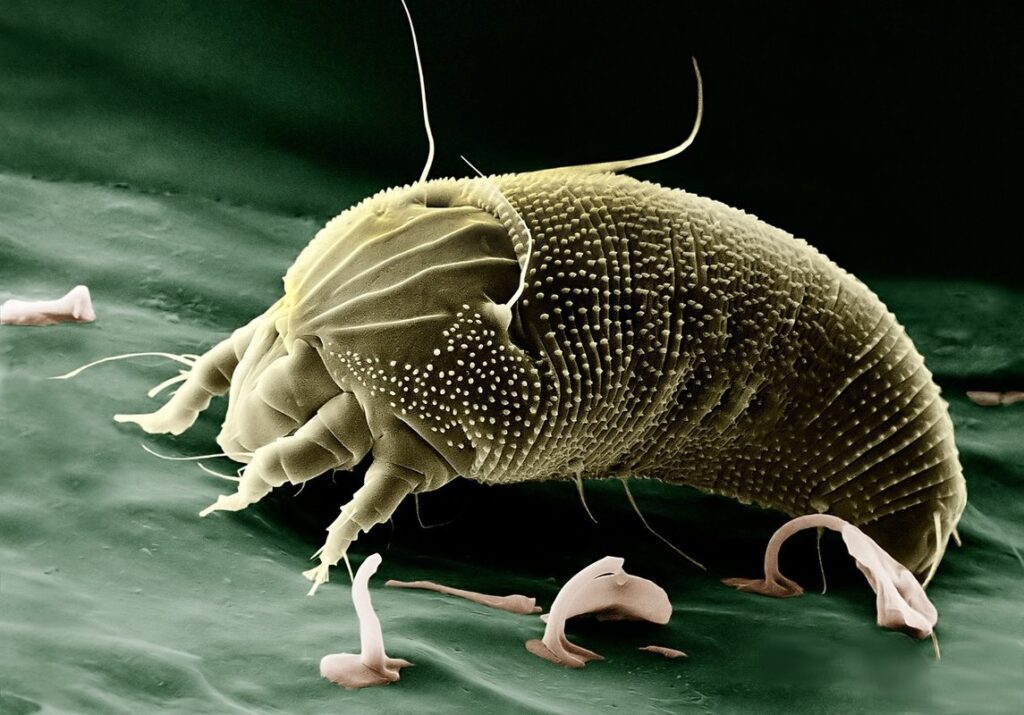
Understanding Two-Spot Spider Mites
To tackle two-spot spider mites effectively, it’s essential to understand their behavior and characteristics, as this knowledge will inform your control strategies. Let’s dive into what makes them tick.
What are Two-Spot Spider Mites?
Two-spot spider mites (Tetranychus urticae) are tiny, eight-legged arachnids that have been wreaking havoc on gardens for centuries. These microscopic pests belong to the family Tetranychidae and are scientifically classified as Acari: Arachnida. Native to Europe, Asia, and Africa, two-spot spider mites have spread globally through trade and human activity, becoming a common problem in gardens worldwide.
These tiny creatures are incredibly resilient and adaptable, with a life cycle that can be completed in as little as 7-10 days under optimal conditions. Female two-spot spider mites lay up to 3 eggs per day, which hatch into larvae after just one day. As they grow, they molt several times before reaching adulthood.
It’s essential to recognize the signs of infestation early on, as two-spot spider mite damage can be catastrophic if left unchecked. Look for fine webbing on leaves and stems, yellowing or bronzing of foliage, and actual mites themselves – usually found along leaf veins or on the underside of leaves. If you suspect an infestation, inspect your plants carefully and take action promptly to prevent further damage.
Life Cycle of Two-Spot Spider Mites
The life cycle of two-spot spider mites is a critical aspect to understand when managing infestations. Female two-spot spider mites can lay up to 20 eggs at a time, which take about three days to hatch. The emerging larvae, called protonymphs, are legless and feed on plant sap immediately.
After molting twice, the protonymph reaches the deutonymph stage, which is characterized by the presence of eight legs. At this point, they start looking like small, pale adults but still lack reproductive organs.
It takes about 5-7 days for a deutonymph to mature into an adult mite. Adult two-spot spider mites are the most common stage found on plants and can live up to several weeks. They feed on plant sap, causing damage, and females lay eggs continuously throughout their lifespan.
To control infestations effectively, it’s essential to understand that a single female two-spot spider mite can produce multiple generations in as little as 2-3 weeks during optimal conditions. This rapid reproduction is why infestations can spread quickly if left unchecked. Regular monitoring and prompt action are crucial for managing these pests successfully.
Identification and Symptoms of Infestation
To identify a two spot spider mite infestation, look for tiny white eggs and moving dots on your plants’ leaves, often accompanied by yellowing or bronzing. Be aware of these subtle signs to catch the problem early.
Visual Identifiers
When inspecting your plants for two-spot spider mite infestations, it’s essential to look out for visual identifiers that indicate their presence. One of the most telling signs is webbing – fine, cottony threads that can cover leaves and stems. These webs are often most visible on the undersides of leaves or on the plant’s main stem. To spot them, gently turn over a leaf or examine the plant’s stalk with a magnifying glass.
Another characteristic sign is yellowing leaves, which can be a result of the mites’ feeding activities. Spider mites suck sap from plants, causing damage to their cells and disrupting photosynthesis. As a result, leaves may turn yellow, wilt, or drop prematurely. Inspect your plants for these symptoms, paying particular attention to areas with high mite activity.
Other visual identifiers include tiny, moving specks on the underside of leaves (the mites themselves), fine silk threads connecting leaves together, and stippling – small white spots caused by the mites’ saliva. If you spot any of these signs, inspect your plants carefully for further evidence and take action to control the infestation before it worsens.
Plant Affectedness
When it comes to two-spot spider mites, some plants are more susceptible to infestation than others. If you have a garden filled with these vulnerable plants, it’s essential to be aware of the risks and take preventative measures.
Plants with soft or succulent leaves, such as tomatoes, peppers, and eggplants, are particularly prone to two-spot spider mite infestations. This is because these types of leaves provide an ideal environment for the mites to feed and multiply. Similarly, plants with dense foliage, like cucumbers and squash, can also be susceptible due to their difficulty in drying out quickly.
Other plants that may be more vulnerable include those with a high water requirement, such as lettuce and spinach. When these plants are overwatered or experience frequent watering cycles, they become more attractive to two-spot spider mites. To minimize the risk of infestation, it’s crucial to maintain good garden hygiene and monitor your plants regularly for signs of mite activity.
Keep in mind that even if you grow resistant varieties, some plants may still be susceptible to two-spot spider mite infestations.
Causes and Contributing Factors
Two spot spider mites are often the result of a complex mix of environmental factors, including weather patterns and soil conditions. Let’s take a closer look at what contributes to their emergence in your garden.
Environmental Conditions
When it comes to two-spot spider mite infestations, environmental conditions play a significant role. Temperature, for instance, can affect the speed of their reproduction and life cycle. Two-spot spider mites thrive in temperatures ranging from 64°F to 90°F (18°C to 32°C), with an optimal temperature of around 75°F (24°C). If your garden consistently experiences temperatures above or below this range, it may become less conducive for these pests.
Humidity also has a profound impact on two-spot spider mites. They thrive in humid environments, typically between 60% and 80% relative humidity. When the air is too dry, they struggle to reproduce and disperse, but excessive moisture can encourage their growth. Aim for maintaining a moderate level of humidity in your garden.
Light exposure can also influence two-spot spider mite infestations. They tend to hide in shaded areas during peak sunlight hours, emerging at night when temperatures are cooler and humidity is higher. Prune nearby plants or use shade cloth to reduce direct sunlight on affected areas and create an unfavorable environment for these pests.
Pests and Diseases Combinations
When it comes to two-spot spider mite infestations, other pests or diseases can increase the likelihood of an outbreak. For instance, aphids and whiteflies can secrete a sticky substance called honeydew, which attracts two-spot spider mites like a magnet. This is because the sweet liquid provides them with an easy source of food.
Similarly, fungal diseases such as powdery mildew or downy mildew can weaken plant defenses, making it easier for spider mites to colonize. This is often seen in plants that are already under stress due to drought, heat, or nutrient deficiencies.
If you notice aphids or whiteflies on your plants, take action immediately by introducing natural predators such as ladybugs or lacewings. Regularly inspect your plants for signs of disease and implement integrated pest management (IPM) strategies to prevent outbreaks. By controlling other pests and diseases, you can reduce the risk of a two-spot spider mite infestation and keep your garden healthy and thriving. Remember, prevention is key!
Prevention Strategies
Let’s look at some effective prevention strategies for keeping two spot spider mite out of your garden, starting with choosing resistant plants and maintaining good garden hygiene.
Plant Selection and Placement
When it comes to preventing two-spot spider mites from taking over your garden, selecting the right plant species is crucial. Some plants are more susceptible to infestations than others, so choosing ones that are less likely to attract these pests can make a big difference. Consider planting species like lavender, rosemary, and mint, which are naturally resistant to spider mite infestations.
When placing your chosen plants, think about the environmental conditions they’ll be exposed to. Spider mites thrive in dry, warm environments with low humidity. To deter them, place your plants in areas with good air circulation and moderate temperatures between 60-70°F (15-21°C). Avoid planting near walls or structures that can trap moisture, creating a humid microclimate.
Keep in mind that even the most resistant plants can still be affected by spider mite infestations if conditions are favorable. To maximize your chances of success, choose a mix of plants with varying levels of resistance and place them strategically around your garden to create a diverse and resilient ecosystem.
Cultural Practices
When it comes to preventing two spot spider mite infestations in your garden, cultural practices play a significant role. One of the most effective ways to prevent these pests is through proper pruning techniques. Regular pruning helps remove weeds and debris that can provide shelter for spider mites, making it easier to monitor and manage the area.
In addition to pruning, watering habits also impact the likelihood of a two spot spider mite infestation. Overwatering creates an ideal environment for spider mites, as they thrive in humid conditions. On the other hand, underwatering can weaken your plants, making them more susceptible to infestations. To strike the right balance, ensure you’re providing your plants with about 1-2 inches of water per week.
It’s also essential to consider the timing of watering and pruning. Water your plants in the morning to allow for adequate drying time before nightfall, reducing the risk of fungal diseases that spider mites can trigger. Prune your plants during dry weather, as this will minimize the spread of potential pests like spider mites.
By adopting these simple cultural practices, you’ll be well on your way to creating an environment inhospitable to two spot spider mite infestations and promoting a healthy garden ecosystem.
Management and Control Methods
To effectively manage two spot spider mite infestations, let’s explore some practical methods for controlling their populations and preventing future outbreaks. We’ll cover various techniques to try at home.
Chemical Controls
When dealing with a severe two-spot spider mite infestation, chemical controls can be an effective solution. However, it’s essential to use these methods judiciously and as part of an integrated pest management (IPM) strategy.
One popular chemical control method for managing two-spot spider mites is neem oil. Derived from the seeds of the neem tree, this natural oil works by interfering with the mite’s hormone system, preventing them from reproducing. Mix 2-3% neem oil with water and spray it on infested plants. Be sure to test a small area first to avoid any potential phytotoxicity.
Insecticidal soap is another effective chemical control method for two-spot spider mites. This gentle yet potent formula works by dehydrating the mites, causing them to die off quickly. Mix insecticidal soap with water according to the product’s instructions and spray it on infested plants. Repeat every 7-10 days as necessary.
Remember to always read the label carefully and follow the recommended application rates for both neem oil and insecticidal soap.
Biological Controls
When it comes to managing two spot spider mite infestations in gardens, it’s essential to consider introducing biological controls to maintain ecosystem balance. One effective approach is to incorporate predatory mites into the garden environment.
Predatory mites are a natural predator of two spot spider mites and can help control their populations without relying on chemical treatments. Some examples of beneficial predatory mites include Phytoseiulus persimilis, Neoseiulus californicus, and Amblyseius andersoni. These tiny predators feed exclusively on two spot spider mite eggs and larvae, helping to regulate the population.
To introduce predatory mites into your garden, you’ll need to purchase them from a reputable supplier and release them in areas where the two spot spider mite infestation is most severe. It’s crucial to maintain optimal conditions for the beneficial mites, such as providing sheltered locations with adequate humidity and temperatures between 64°F to 75°F (18°C to 24°C). By introducing these beneficial creatures into your garden ecosystem, you can significantly reduce the need for chemical treatments and promote a more balanced environment.
Conclusion: Prevention is Key
As you’ve learned about the two-spot spider mite, it’s essential to understand that prevention is indeed key. Now that you know how to identify and manage an infestation, let’s focus on preventing these pesky critters from taking over your garden in the first place. Regularly inspecting your plants for signs of mites is crucial – take a closer look at the undersides of leaves and stems for any evidence of eggs or actual mites.
To further prevent infestations, practice good gardening hygiene by keeping your garden clean and free of debris. Remove weeds that can harbor mite populations, and avoid overwatering plants, which can create ideal conditions for spider mites to thrive. By being proactive and adopting these preventative measures, you’ll be well on your way to protecting your garden from these unwanted pests.
Frequently Asked Questions
What can I do immediately if I suspect my garden is infested with two-spot spider mites?
If you suspect an infestation, isolate the affected plant to prevent further spread. Inspect other plants nearby for signs of damage or webbing. Quarantine and treat the infested plant separately from your healthy ones. Use a gentle spray of water to dislodge eggs and adults, making it easier to apply management methods. This quick action can help contain the problem.
How often should I monitor my garden for two-spot spider mite signs?
Regular monitoring is crucial in early detection and control. Check your plants every 7-10 days during peak pest seasons (spring-fall). Inspect leaves, stems, and soil around affected areas. Look for fine webbing, yellowing or stippling on leaves, and actual holes. Remember, early detection increases the chances of successful management.
Can I use biological control methods if my garden is prone to other pests as well?
Biological controls can be an excellent option, but it’s essential to consider your garden’s specific conditions. If you have multiple pest issues, combine biological controls with cultural practices (e.g., crop rotation) and physical barriers to minimize the risk of introducing new problems. Select beneficial insects that are specifically targeted towards two-spot spider mites.
How can I prevent future infestations when replanting or propagating plants?
Choose resistant varieties or cultivars whenever possible. Introduce beneficial nematodes or introduce natural predators like ladybugs and lacewings into your garden ecosystem. Ensure good garden hygiene by disposing of debris, removing weeds, and maintaining optimal watering schedules.
What are some common mistakes to avoid when applying chemical controls for two-spot spider mites?
When using chemical controls, be cautious not to damage beneficial organisms or the environment. Avoid applying pesticides during peak sun hours or on windy days. Follow label instructions carefully, and choose products with minimal toxicity to beneficial insects.