
If you’re a proud homeowner in Vic with a beautiful garden, you know how much work goes into maintaining its beauty. But have you ever stopped to think about the potential threat of erosion that can damage your garden’s aesthetic and even compromise its structural integrity? Erosion control is an often-overlooked aspect of gardening, but it’s essential to prevent soil loss, maintain plant health, and ensure the long-term sustainability of your outdoor space. In this article, we’ll explore expert tips on preventing garden erosion with effective physical barriers, vegetation-based solutions, and smart design choices that will help you protect your Vic gardens’ beauty while also saving you time and money in the long run. By incorporating these simple yet powerful strategies, you can create a thriving and resilient garden that withstands the test of time.
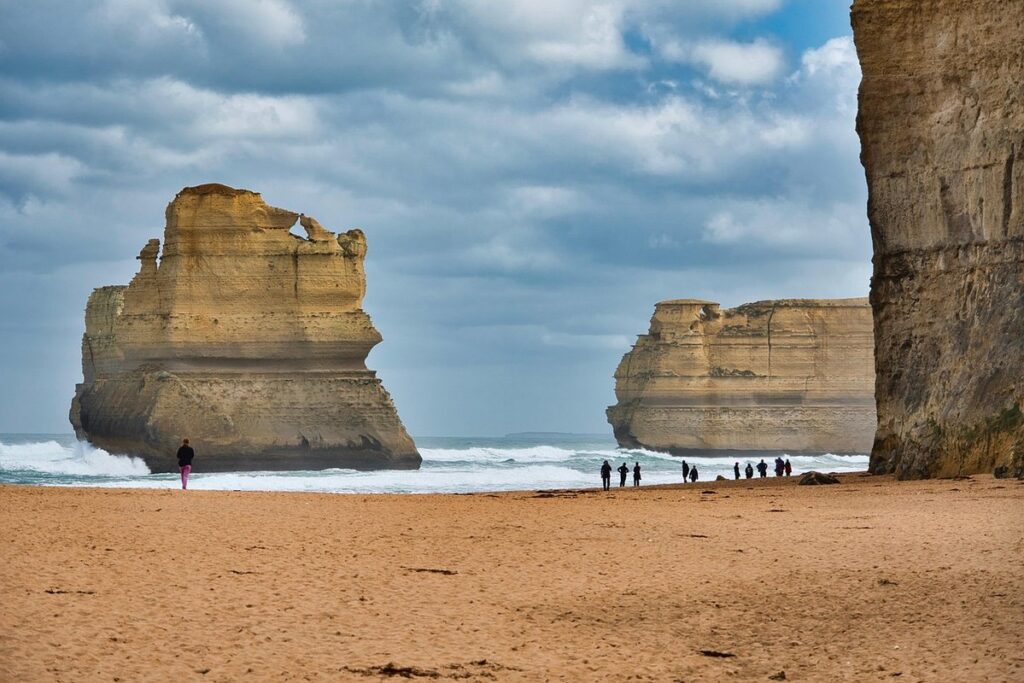
Understanding Garden Erosion and Its Causes
Garden erosion can be a frustrating problem, but understanding its causes is key to implementing effective control measures for your outdoor space. Let’s take a closer look at the common factors that contribute to garden erosion.
Soil Instability and Water Runoff Factors
Soil instability and water runoff are two key factors that contribute to garden erosion. When it comes to soil quality, poor drainage and compaction can lead to erosion-prone conditions. This is often the result of improper garden design, such as creating slopes or terraces without adequate reinforcement or drainage systems. As a result, heavy rainfall events can cause water to accumulate in low-lying areas, leading to erosion.
Proper soil management practices, such as adding organic matter and maintaining optimal pH levels, can help improve soil structure and reduce erosion risk. However, excessive water usage through overwatering can also contribute to soil instability. Waterlogged soils are more susceptible to erosion, as excess moisture weakens the soil’s ability to hold together.
To mitigate these risks, gardeners should focus on creating a balanced landscape that incorporates natural drainage features, such as swales or rain gardens. By designing gardens with water management in mind, individuals can reduce their reliance on irrigation systems and create more sustainable, erosion-resistant landscapes. Regular maintenance tasks, like mulching and aerating, can also help maintain soil health and prevent erosion.
The Impact of Weather on Garden Erosion
Weather can be both a gardener’s best friend and worst enemy. While it brings life-giving rain and warmth to our plants, it also has the power to cause significant damage to our garden’s stability. One of the most notable effects of weather on garden erosion is the impact of heavy rainfall.
When rain falls too quickly, it can overwhelm the soil’s ability to absorb water, leading to runoff that washes away topsoil and exposes underlying roots. This can be particularly problematic for gardens with poor drainage or those built on slopes. A study by the US Department of Agriculture found that even a moderate 1-inch rainfall event can cause significant erosion in areas with steep slopes.
Temperature fluctuations also play a role in garden erosion, as rapid changes in temperature and humidity can cause soil to expand and contract. This stress can lead to cracks in the soil, making it more susceptible to erosion. To mitigate these effects, consider using permeable pavers or geotextiles to improve drainage and reduce runoff. Additionally, incorporating plants with deep root systems can help hold soil in place.
Types of Erosion Control Measures for Gardens
To effectively manage garden erosion, you’ll need to understand various types of control measures that can be implemented to stabilize soil and prevent washouts. From vegetative barriers to geotextiles, we’ll explore your options.
Physical Barriers: Fences and Walls
When it comes to preventing erosion in gardens, physical barriers such as fences and walls can be an effective solution. These barriers work by blocking water flow and preventing soil from being washed away. One popular option is the use of wooden or bamboo fences, which are relatively inexpensive and easy to install. They come in a variety of styles and can be tailored to fit different garden designs.
Another type of physical barrier is stone walls, often used for larger areas or slopes. They provide excellent erosion control but can be more expensive than fencing options. Additionally, they require regular maintenance to ensure the stones stay in place.
A key consideration when choosing a physical barrier is its height and width. A general rule of thumb is that barriers should be at least 3-4 feet high and 6-8 feet wide for maximum effectiveness. However, this can vary depending on the severity of erosion issues. For example, if your garden has steep slopes or heavy rainfall, you may need to install a more robust barrier.
It’s also essential to choose materials that are durable and resistant to weather conditions. For instance, using pressure-treated wood or metal fences can extend their lifespan and reduce maintenance needs.
Vegetation-Based Solutions: Plants and Groundcovers
When it comes to erosion control measures for gardens, vegetation-based solutions are an effective and natural way to prevent soil loss and stabilize slopes. Plants play a crucial role in holding the soil together, preventing runoff, and creating a barrier against erosion.
Plants help to bind the soil particles together through their roots, which grow deep into the ground, anchoring the topsoil in place. This helps to prevent soil erosion caused by wind or water flow. In addition, plants have the ability to absorb excess rainfall and release it slowly back into the atmosphere, reducing runoff and minimizing the risk of erosion.
Groundcovers are also an excellent option for erosion control. These low-growing plants spread quickly and can cover large areas, holding the soil in place with their extensive root systems. Examples of effective groundcovers include creeping thyme, sedum, and vinca minor.
To incorporate vegetation-based solutions into your garden, choose plants that are native to your region and suitable for the local climate. Plant them densely, leaving little space between each individual plant to create a seamless barrier against erosion. Regularly water and maintain your plants to ensure they remain healthy and effective at preventing soil loss.
Installing Erosion Control Measures for Vic Gardens
When it comes to preventing erosion damage, installing the right control measures is crucial. In this next step, we’ll walk you through the installation process for effective erosion control in your VIC garden.
Choosing the Right Materials for Your Garden
When selecting materials for erosion control in your Vic garden, it’s essential to consider several factors. Climate plays a significant role, as areas with high rainfall or extreme temperatures require more durable and resistant materials. For example, if you live in an area prone to intense storms, you’ll want to choose materials that can withstand heavy water flow.
Soil type is another crucial factor to consider. If your soil is sandy or loose, you may need to use heavier materials like geotextiles or erosion blankets to prevent soil erosion. Conversely, if your soil is clay-heavy, you may prefer lighter materials like grass seed or mulch.
Budget is also a significant consideration. While it’s tempting to opt for the cheapest option, keep in mind that cheaper materials often require more maintenance and can be less effective in the long run. A good balance between cost and effectiveness will ensure your erosion control measures are both functional and sustainable. Consider investing in materials with a high quality-to-price ratio to get the most out of your investment.
Best Practices for Erosion Control Installation
When installing erosion control measures for your Vic garden, it’s essential to follow best practices to ensure successful installation and long-term effectiveness. Proper planning is the foundation of a well-executed erosion control project.
First, assess the site conditions, including soil type, slope steepness, and drainage patterns. This will help you select the most suitable erosion control measures for your specific garden needs. For example, if your garden has a steep slope, you may need to install reinforced vegetation or geotextiles to prevent soil erosion.
During installation, it’s crucial to follow the manufacturer’s instructions for any materials used, such as geosynthetics or sedimentation ponds. Ensure that all materials are properly anchored and secured to prevent displacement due to weather conditions or water flow. Regular maintenance is also vital to ensure the continued effectiveness of your erosion control measures.
Regular inspections should be conducted to identify and address any potential issues before they become major problems. Keep in mind that ongoing maintenance may involve tasks such as repairing damaged vegetation, inspecting for sediment buildup, and monitoring water flow rates.
Designing an Effective Vic Garden with Erosion Control
Let’s get started on designing a thriving VIC garden that also protects against erosion. In this section, we’ll explore key considerations for incorporating effective erosion control measures into your design.
Integrating Erosion Control into Your Garden Design
When designing an effective Vic garden with erosion control, it’s essential to integrate these features seamlessly into the layout. This not only helps maintain aesthetics but also ensures the longevity of your landscape. One way to achieve this is by selecting plants that provide natural erosion control. Choose varieties like succulents or sedum, which have deep roots that hold soil in place.
Another approach is incorporating physical barriers such as rock walls or terracing. These can be designed to blend with your garden’s existing features and add visual interest. For example, a dry-stacked stone wall can not only prevent erosion but also create a beautiful focal point in the garden.
To maintain the aesthetic appeal of these features, consider integrating them into your garden design from the outset. This might involve working closely with a landscape designer who has experience in Vic gardens and erosion control. By doing so, you’ll be able to create a harmonious balance between functionality and beauty.
Maximizing Space with Compact Erosion Solutions
When space is limited, finding creative solutions to maximize it becomes essential. For small gardens with erosion control needs, compact erosion solutions can be a game-changer. One approach is incorporating multi-functional features that serve both functional and aesthetic purposes.
Consider installing a rain garden or bioswale that not only helps manage stormwater runoff but also adds visual interest to the space. These shallow pools of water collect and filter rainfall, allowing it to percolate into the ground and reducing erosion risks. By carefully selecting plant species with deep root systems, you can even create a lush, verdant oasis in an otherwise compact area.
Another option is incorporating retaining walls or terraced planters that not only control erosion but also provide additional growing space. For instance, you could use a tiered planter to grow herbs or succulents while keeping the soil intact and preventing erosion. By repurposing existing structures like old containers or pallets, you can create functional and visually appealing spaces without sacrificing precious yard real estate.
Remember, every inch counts when working with small gardens. By thinking creatively about space-saving solutions, you can achieve an effective vic garden design that controls erosion while adding beauty to your outdoor space.
Maintenance and Repair of Erosion Control Measures
Proper maintenance is key to extending the life of your erosion control measures, so let’s dive into the essential steps for upkeep and repair.
Regular Inspections and Repairs
Regular inspections and prompt repairs are crucial to maintaining the effectiveness of erosion control measures over time. As vegetation grows, settles, and weather patterns change, erosion control systems can be affected, leading to potential failures if not addressed promptly.
Inspecting erosion control measures at regular intervals, ideally every 6-12 months, allows you to identify any issues before they escalate. Look for signs of damage, such as cracks in concrete or metal components, worn-out fabrics, or shifting soil around geotextiles. Regular inspections also enable you to take advantage of minor repairs, which can be done cost-effectively and with minimal disruption.
Ignoring these early warning signs can lead to costly repairs down the line, potentially compromising the integrity of your erosion control system. For example, a single puncture in a geotextile fabric can quickly spread, undermining the entire structure if not addressed promptly. By prioritizing regular inspections and prompt repairs, you can ensure your erosion control measures continue to perform optimally, protecting your garden from further damage and maintaining its beauty for years to come.
Some examples of common issues that may arise include: damaged or missing geotextile fabrics, displaced rocks or riprap, cracked or broken concrete or metal components.
Seasonal Maintenance Tasks for Optimal Performance
Regular seasonal maintenance is crucial to ensure optimal performance and extend the lifespan of your installed erosion control solutions. As the seasons change, it’s essential to inspect and maintain your measures to prevent damage and ensure they continue to protect your garden from erosion.
In the spring, inspect your measures for any winter damage or debris accumulation. Clean and repair any damaged areas, and reapply geotextiles as needed. Additionally, check that your vegetation is healthy and thriving by fertilizing and pruning as necessary.
During the summer months, monitor your measures regularly to prevent overgrowth of vegetation. Trim back excessive growth to maintain a safe distance from the measure, and ensure proper water flow. In the fall, prepare for winter weather by securing loose materials and applying a protective coating to exposed surfaces.
Finally, in the winter, inspect your measures after any significant snowfall or freezing events. Clear any accumulated debris and check for damage caused by ice or freeze-thaw cycles. By following this seasonal maintenance checklist, you’ll be able to enjoy optimal performance from your erosion control solutions for years to come.
Conclusion: Creating a Sustainable Garden with Effective Erosion Control
Now that you’ve learned effective erosion control techniques for your garden, let’s summarize how to create a sustainable and resilient outdoor space.
Recap of Key Takeaways
As we conclude our exploration of creating sustainable gardens with effective erosion control, let’s revisit the key takeaways that will help you navigate this crucial aspect of gardening.
Erosion control is not just about preventing soil loss; it’s also about maintaining a healthy and thriving garden ecosystem. By understanding the importance of proper drainage, soil structure, and vegetation, you can create a balanced environment that prevents erosion while supporting plant growth.
One key takeaway from our discussion is the significance of assessing your garden’s unique conditions before implementing any erosion control measures. This involves evaluating factors such as slope, soil type, and local climate to determine the most effective solutions for your specific needs.
Another crucial point to remember is the importance of using a combination of physical barriers and vegetation in your erosion control strategy. Physical barriers like rock or geotextile fabric can help stabilize soil and prevent erosion, while vegetation provides additional stability and helps to absorb excess water.
In addition to these key strategies, don’t underestimate the power of proper garden design and layout. By carefully planning your garden’s layout, you can minimize the risk of erosion by creating a natural flow of water that allows it to drain safely away from your plants.
Ultimately, creating an effective erosion control plan is not just about following a set of rules or guidelines; it’s about understanding your garden as a unique ecosystem and taking a holistic approach to its management. By incorporating these key takeaways into your gardening practice, you’ll be well on your way to building a sustainable and thriving garden that resists erosion while providing years of beauty and enjoyment.
Frequently Asked Questions
What are the most critical areas to inspect when installing erosion control measures?
Inspect critical areas such as slopes, terraces, and around water features first, ensuring that any gaps or weaknesses are reinforced with additional materials like geotextiles or rock armor. Regular inspections will help identify potential hotspots before they become major issues.
How often should I perform seasonal maintenance tasks to ensure optimal performance of my erosion control measures?
Perform a thorough inspection of your garden’s erosion control measures at the start and end of each season, making necessary repairs or adjustments as needed. This includes cleaning drains, checking for damage, and replenishing mulch or vegetation to maintain soil stability.
Can I use existing plants in my Vic garden as part of my erosion control strategy?
Yes! Planting native species with deep roots can help stabilize soil and prevent erosion. Consider adding more vegetation-based solutions like groundcovers, shrubs, or trees that are well-suited for your local climate and soil type to enhance the effectiveness of your erosion control measures.
What’s the best way to integrate erosion control into my garden design, especially in small spaces?
Maximize space by incorporating compact erosion solutions like rock gardens, rainwater harvesting systems, or permeable pavers. These can help redirect water flow and reduce soil compaction, even in tight spots. Don’t be afraid to get creative with vertical gardening techniques for added efficiency.
Can I repair erosion damage on my own, or do I need a professional?
While some minor repairs can be done DIY-style, more extensive work may require the expertise of a landscaping professional. If you’re unsure about your abilities or if the issue is severe, it’s always best to consult with a local expert who has experience with Vic garden erosion control measures.