
Varroa mites are one of the most significant threats to bee colonies worldwide. These tiny parasites feed on the hemolymph of honeybees, weakening their immune system and making them more susceptible to disease. If left unchecked, varroa infestations can devastate entire colonies in a matter of months.
As an apiarist or beekeeper, you’re likely no stranger to the challenges posed by these pests. But did you know that there are effective ways to identify, prevent, and control varroa mites? In this comprehensive guide, we’ll delve into the biology and impact of varroa mites, exploring their life cycle and how they spread within colonies. We’ll also share natural methods for controlling these pests, including integrated pest management strategies that can help you protect your bees and prevent colony losses. By the end of this article, you’ll have a solid understanding of how to keep your colonies healthy and thriving in the face of varroa mite infestations.
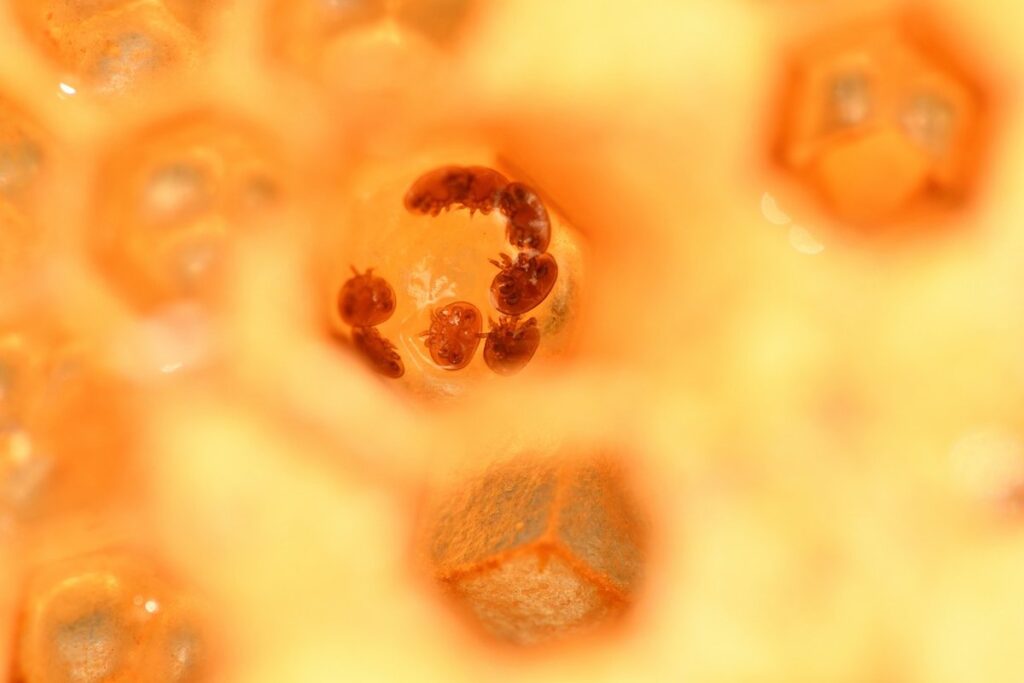
Understanding Varroa Mites: What They Are and How They Spread
Varroa mites are a silent threat to your beehive, so let’s dive into what they are, how they spread, and why it’s crucial you understand these tiny invaders. We’ll explore their life cycle in detail.
The Biology of Varroa Mites
Varroa mites are an external parasite that infest honey bee colonies. They’re a type of arachnid, closely related to spiders and ticks. These tiny eight-legged creatures have adapted to live on bees, feeding on their hemolymph – the equivalent of blood in insects.
The life cycle of varroa mites typically begins when a female mite leaves an infested colony and seeks out an uninfested one. She’ll then lay eggs inside the honey bee brood cells, where they’ll hatch into larvae after about 3-4 days. The larvae will feed on the developing bee pupae before molting and entering adulthood.
Infested colonies are characterized by weakened adult bees, reduced queen fertility, and increased bee mortality rates. To determine if your colony has an infestation, look for telltale signs such as mites crawling around the bees or attached to their bodies. Regular inspections during peak mite activity periods – usually spring and fall – will help you identify potential issues early on.
When inspecting your beehives, use a sugar water solution or ethyl acetate vapor to dislodge the mites from the bees’ bodies, making them easier to spot.
Signs and Symptoms of Infestation
A varroa mite infestation can be challenging to detect, but there are several common signs and symptoms that beekeepers should look out for. One of the first indicators is a decline in colony strength, which can manifest as reduced numbers of bees or a decrease in honey production.
Another sign is the presence of deformed wings on adult bees, often caused by the mites’ feeding activity on the developing brood. This can lead to bees being unable to fly properly, making them more susceptible to disease and other pests.
Beekeepers should also monitor for an increase in drone populations, as varroa mites prefer to infest drones over worker bees. If you notice a disproportionate number of drones in your colony, it could be a sign of an underlying varroa issue.
It’s essential to inspect your colonies regularly and look for signs of mite activity on individual bees, such as tiny white specks or dark speckling on the abdomen.
The Impact of Varroa Mites on Bee Health
Varroa mites are a significant threat to bee health, and understanding their impact is crucial for protecting our precious pollinators. Let’s dive into what happens when these pests take hold in a beehive.
Effects on Immune System
Varroa mites are notorious for their devastating impact on bee colonies. One of the most significant effects of varroa infestation is its weakening of the bees’ immune system. Bees with varroa mites are more susceptible to diseases, which can quickly spread and decimate a colony.
When a bee becomes infected with varroa, the parasite injects its saliva into the bee’s body, which suppresses the bee’s immune response. This makes it difficult for the bee to fight off infections, allowing secondary pathogens like viruses and bacteria to take hold. The result is a weakened immune system that can’t effectively defend against disease.
The effects of varroa-induced immunosuppression are often seen in the form of increased mortality rates, reduced lifespan, and decreased honey production. For example, studies have shown that colonies with high levels of varroa infestation experience significantly higher rates of Colony Collapse Disorder (CCD). By taking proactive measures to control varroa populations, beekeepers can help strengthen their bees’ immune systems and reduce the risk of disease outbreaks. Regular monitoring and integrated pest management techniques are crucial in maintaining healthy bee populations.
Increased Mortality Rates
When varroa mites infest a bee colony, it’s not just the queen bee that suffers. The entire colony is put at risk of increased mortality rates due to the devastating impact of these tiny parasites. Varroa mites can weaken a bee’s immune system, making them more susceptible to disease and infection.
Studies have shown that when varroa mite infestations reach 10% or higher, bee colony losses skyrocket. In fact, research conducted by the University of California found that colonies with high varroa mite levels experienced mortality rates as high as 30-40%. This is a stark contrast to healthy colonies, which typically experience mortality rates of around 5-10%.
To mitigate these risks, beekeepers must take swift action to control varroa mite infestations. This can be achieved through integrated pest management (IPM) strategies, including regular inspections, medication treatments, and good colony husbandry practices. By acting quickly and taking a proactive approach, beekeepers can reduce the risk of increased mortality rates in their colonies.
Varroa Mite Control Methods: Pros and Cons
When it comes to managing varroa mites, understanding the pros and cons of different control methods is crucial for beekeepers. Let’s break down the advantages and disadvantages of each approach.
Integrated Pest Management (IPM) Strategies
When it comes to controlling varroa mites, Integrated Pest Management (IPM) strategies offer a comprehensive approach that combines multiple methods for effective management. IPM involves using a combination of chemical treatments and natural methods to control the mite population.
Chemical treatments can be used as part of an IPM strategy, but they should be used judiciously due to their potential harm to bees. Examples include fluvalinate and coumaphos, which are commonly used in varroa mite control products. However, it’s essential to follow the recommended application rates and timing to minimize risks.
Natural methods can also play a significant role in an IPM strategy. For instance, incorporating beneficial fungi such as Beauveria bassiana or Metarhizium anisopliae into your apiary can help reduce mite populations. Some beekeepers also use essential oils like thymol and menthol to control varroa mites.
When implementing an IPM strategy, it’s crucial to monitor your bee colonies regularly for signs of infestation. This involves inspecting the bees and their brood, as well as monitoring for mite drops (the white, powdery substance dropped by mites). By combining multiple methods and using them in a targeted manner, you can effectively manage varroa mite populations and promote a healthier bee colony.
Chemical Treatments: Effectiveness and Safety Concerns
Chemical treatments have been used for decades to control varroa mites in bee colonies. However, their effectiveness and safety concerns are a topic of ongoing debate among beekeepers and researchers. While these treatments can provide quick relief from infestations, they often come with significant drawbacks.
One major concern is the development of resistance by varroa mites to chemical treatments. This has been observed with many popular products, leading to reduced effectiveness over time. For example, a study in Germany found that 70% of bee colonies had developed resistance to oxalic acid, a commonly used treatment. Furthermore, chemical residues can harm bees and other beneficial insects, compromising the overall health of the ecosystem.
When considering chemical treatments, beekeepers must weigh their potential benefits against these risks. If you do choose to use chemicals, make sure to follow the instructions carefully and use them in conjunction with integrated pest management strategies. Always prioritize caution and monitor your colony’s response closely.
Natural Methods for Controlling Varroa Mites
If you’re looking for a way to keep your bees healthy without resorting to chemicals, we’ve got some natural methods for controlling varroa mites that are worth exploring.
Essential Oils and Herbs
When it comes to managing varroa mites without resorting to harsh chemicals, essential oils and herbs can be a game-changer. These natural remedies have been gaining popularity among beekeepers due to their effectiveness and eco-friendliness.
Certain essential oils, such as thymol, lemongrass, and tea tree oil, have been shown to exhibit potent anti-varroa properties. You can use these oils by adding a few drops to your sugar syrup or mixing them with water to create a spray that you can apply directly to the hive. Some beekeepers also swear by using neem oil, which has been found to be particularly effective against varroa mites.
In addition to essential oils, certain herbs like garlic, onion, and wormwood have also been used to control varroa populations. These herbs contain sulfur compounds that repel or kill the mites. You can infuse these herbs in your sugar syrup or add them to a spray solution for application to the hive. It’s essential (pun intended!) to note that the efficacy of these natural remedies may vary depending on factors like climate, pest pressure, and bee health.
When using essential oils and herbs, it’s crucial to start with small quantities and monitor their effects closely. Be sure to research specific dosages and application methods before introducing these natural remedies into your varroa management routine.
Other Natural Methods
When it comes to controlling varroa mites naturally, there are several methods you can try beyond essential oils and sugar syrup treatments. One such method is heat treatment, which involves exposing the hive to a controlled temperature that’s lethal to mites but safe for bees. This can be done using a commercial heat treatment unit or by creating your own setup using solar reflectors or electric heating pads.
Another natural approach is incorporating bee-friendly plants into your apiary. Certain plants like lavender, rosemary, and thyme have been shown to repel varroa mites, while others like mint and lemongrass can even kill them on contact. Planting these around the perimeter of your beeyard can create a protective barrier that keeps mite populations under control.
It’s also worth noting that some beekeepers swear by incorporating diatomaceous earth into their mite management strategy. This natural powder is made from fossilized algae and works by dehydrating mites, causing them to die off. It’s often applied directly to the bees or used in conjunction with other treatments for optimal results.
The Role of Beekeepers in Preventing Varroa Mite Infestations
Beekeepers play a crucial role in preventing varroa mite infestations by adopting proactive management strategies and monitoring their colonies regularly. This section explores these essential practices in more detail.
Best Management Practices (BMPs)
To prevent varroa mite infestations, beekeepers can implement Best Management Practices (BMPs) that address each stage of the mites’ life cycle. Firstly, it’s essential to inspect your colonies regularly for signs of mites, such as excessive debris or dead bees on the bottom board. This will help you catch infestations early before they spread.
Next, perform treatments at regular intervals throughout the year. The most effective method is Integrated Pest Management (IPM), which combines chemical controls with non-chemical methods like sugar dusting and essential oil treatments. For example, applying thymol or oxalic acid to the hive can be an effective way to control mite populations.
In addition to these treatments, maintain a strong and healthy colony through good beekeeping practices, such as providing adequate space for expansion and monitoring queen performance. This will help the bees build their own immunity to varroa mites, reducing the need for frequent chemical interventions.
Some key BMPs include:
• Regular inspections (every 7-10 days during peak season)
• Implementing IPM strategies
• Maintaining healthy colonies through good beekeeping practices
• Monitoring queen performance and replacing her as needed
By following these BMPs and staying vigilant, you can significantly reduce the risk of varroa mite infestations in your colony.
Regular Monitoring and Inspection
As a beekeeper, regular monitoring and inspection of your colonies are crucial for detecting signs of varroa mite infestation early on. These pests can be sneaky, hiding in the honeycomb and feeding on the bees’ hemolymph, but with consistent checks, you’ll be able to catch them before they spread.
Start by examining the bee colony’s brood pattern. A healthy colony should have a mix of eggs, larvae, and pupae at various stages of development. Look for any signs of discolored or deformed brood, which can indicate varroa mite presence. Check the bottom boards and hive stands for varroa mites, their eggs, and shed skins.
Regular inspections also involve checking the bees’ behavior. Infested colonies often exhibit signs of stress, such as reduced populations, increased mortality rates, or erratic flight patterns. Keep an eye out for dead bees on the ground below the hive entrance – this can be a sign that the colony is struggling with varroa mites.
Don’t forget to check the pheromone trails left behind by the varroa mites. These trails can be detected using specialized equipment or even just by observing the bees’ behavior. The key is to be consistent and thorough in your inspections, ideally checking each hive every 7-10 days during peak varroa mite seasons (usually spring and fall).
Emerging Research on Varroa Mites: New Insights and Solutions
We’re excited to dive into some of the latest research on varroa mite management, exploring new methods for controlling these pesky parasites. This emerging science holds promise for healthier bee colonies.
Genetic Resistance
Research on genetic resistance in bees to varroa mite infestations has shown promising results. Scientists have identified several genes that confer resistance to the varroa mite, a parasite that can devastate bee colonies and contribute to Colony Collapse Disorder (CCD). Studies have found that certain breeds of honeybees, such as the Russian honeybee, possess natural genetic defenses against varroa mites.
One notable example is the discovery of the “trophallaxis” gene in some bee populations. This gene helps regulate social immunity within colonies, allowing them to detect and respond more effectively to infestations. Researchers believe that this innate ability could be harnessed through selective breeding or genetic engineering to create more resilient bee stocks.
While these findings hold significant promise for varroa mite management, further research is needed to fully understand the underlying mechanisms of genetic resistance. Beekeepers can take advantage of this emerging science by exploring options for introducing genetically resistant bees into their apiaries. This could involve collaborating with researchers or breeders specializing in varroa-resistant bees. As new technologies and breeding techniques continue to evolve, beekeepers may have access to improved management strategies that prioritize prevention over treatment.
Novel Treatment Methods
New treatment methods are being developed to control varroa mites, offering beekeepers hope for more effective management. One promising approach is RNA interference (RNAi), a technique that disrupts the mite’s ability to reproduce. RNAi works by introducing small fragments of genetic material into the bees’ diet or directly into the colony. This triggers an immune response in the bees, preventing them from producing essential proteins needed for the mites’ survival.
Studies have shown that RNAi can significantly reduce varroa mite populations when used in combination with other control methods. For example, a trial conducted by researchers at a university found that colonies treated with RNAi experienced a 70% reduction in mite infestation within six weeks. This approach holds great potential for sustainable beekeeping practices.
For beekeepers interested in exploring RNAi as a treatment option, it’s essential to note that the technique is still being researched and refined. However, incorporating RNAi into your integrated pest management strategy can be done by working with experienced suppliers or consulting with experts in the field.
Conclusion and Recommendations for Beekeepers
Now that we’ve discussed the severity of the varroa mite infestation and its consequences on your bees, it’s time to take action. As beekeepers, it’s essential to be proactive in managing this issue to ensure the health and productivity of your colonies. One crucial step is to monitor your bees regularly for signs of varroa mites, such as discolored wings, lethargy, or excessive bee deaths.
To effectively manage varroa mites, consider incorporating Integrated Pest Management (IPM) techniques into your routine. This may involve using a combination of treatments, including sugar dusting, essential oil applications, and medicated feed supplements. For example, you can try using thymol or formic acid to control the mite population.
Ultimately, vigilance and flexibility are key in managing varroa mites. By staying informed about best practices and adapting to changes in your colonies’ health, you’ll be better equipped to combat this threat and maintain a thriving apiary. Remember to always follow safety guidelines when handling chemicals or treatments to minimize risks to both yourself and your bees.
Frequently Asked Questions
How do I know if my bees are already infested with varroa mites?
Varroa mite infestations can be difficult to detect, especially in the early stages. Look for signs of infestation such as deformed wings, discolored or dirty honeycomb cells, and increased mortality rates among adult bees and brood. Check for mites on the underside of bee bodies, particularly around the abdomen. Regular monitoring and inspection are crucial to identifying varroa mite infestations early.
What is the most effective method for controlling varroa mites: chemical treatments or integrated pest management (IPM) strategies?
Integrated Pest Management (IPM) strategies are often more effective than chemical treatments in controlling varroa mites. IPM approaches involve a combination of methods such as regular monitoring, sanitation practices, and introducing natural enemies to control the parasite population. This approach also reduces the risk of developing resistance among varroa mites.
Can I use essential oils to control varroa mites on my bee colonies?
Essential oils have shown promise in controlling varroa mites when used as part of an integrated pest management strategy. However, their effectiveness can vary depending on factors such as oil concentration, application method, and colony size. Always conduct thorough research and consult with experts before using essential oils to control varroa mites.
How often should I inspect my bee colonies for signs of varroa mite infestations?
Regular monitoring is key to identifying varroa mite infestations early. Inspect your colonies at least once a month, checking for signs of infestation such as mites on bee bodies and dirty or discolored honeycomb cells.
What’s the most common mistake beekeepers make when trying to control varroa mites?
One common mistake beekeepers make is using chemical treatments as the sole method for controlling varroa mites. This approach can lead to the development of resistant populations, making it even more challenging to manage infestations in the long run. A well-planned integrated pest management strategy that incorporates multiple methods is often more effective and sustainable.