
Beekeeping can be a rewarding hobby or profession, but it requires constant attention to the health of your hive. One common issue that can cause significant damage is an infestation by wax moths. These pests feed on beeswax and honeycomb, weakening the structure of your hive and leaving it vulnerable to disease and other problems.
If you’ve noticed your bees struggling or see signs of moth activity, such as holes in the combs or a musty smell, it’s essential to take action quickly. Understanding the causes and effects of wax moths is crucial for preventing infestations and maintaining a healthy hive. In this article, we’ll explore how to identify wax moth damage, why they’re attracted to bee hives, and provide actionable strategies for preventing and treating infestations, so you can keep your bees thriving and your hive strong.
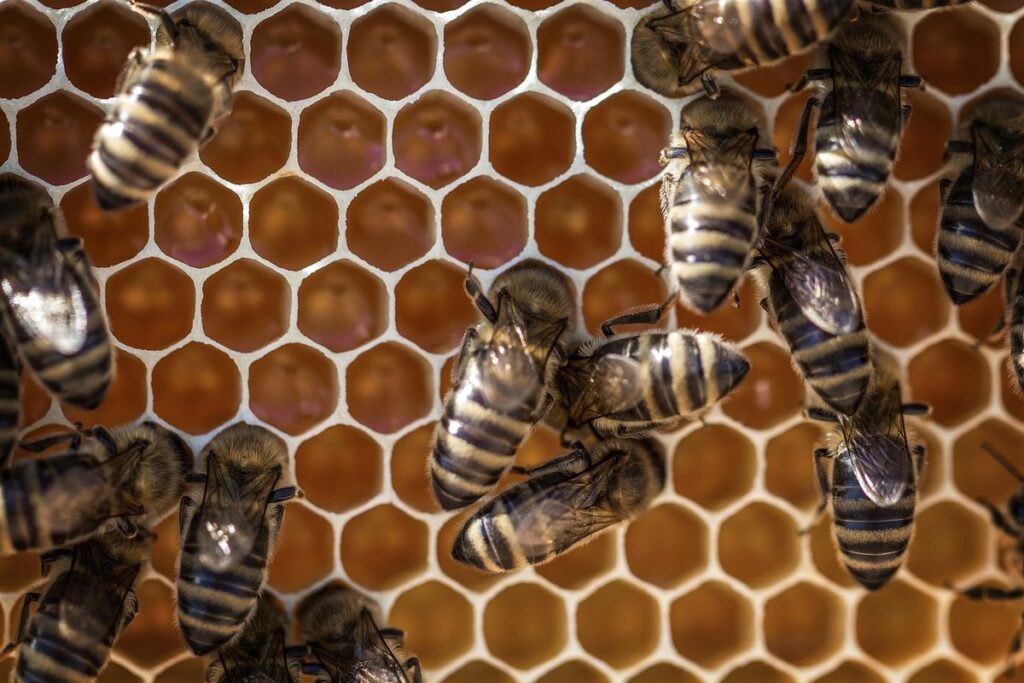
What are Wax Moths?
Let’s get started on understanding these pesky critters. In this section, we’ll dive into what wax moths are and how they impact your bee hive.
Description of Wax Moth Life Cycle
The life cycle of wax moths is a crucial aspect to understand when it comes to bee hives. These pests undergo four distinct stages: egg, larva, pupa, and adult.
It all begins with the female wax moth laying her eggs on the honeycomb cells within the hive. She can deposit up to 200 eggs at a time, which hatch into larvae after about three days. The larvae feed on the wax, often starting from the surface and working their way down, creating tunnels and holes as they go.
As they grow, they molt several times before entering the pupal stage, typically lasting around two weeks. During this period, the moth is transforming its body, preparing for adulthood. Once emerged, adult wax moths are winged, with a distinctive white or yellowish mark on their forewings.
Adult wax moths can live up to several months and have the ability to fly short distances in search of mates or potential food sources. They’re most active at night and are responsible for laying eggs to continue the cycle.
Identifying Signs of Wax Moth Infestation
Recognizing the presence of wax moths in your beehive can be challenging, but there are several signs to look out for. One of the first indicators is the presence of small, white caterpillars or their shed skins on the hive frames and honeycomb cells. These caterpillars are often found near areas with stored pollen or honey.
Another telltale sign is the appearance of silky, web-like tunnels in the honeycomb. Wax moths use these tunnels to lay eggs and protect themselves from predators. You may also notice a strong, unpleasant odor coming from the hive, which is due to the wax moths’ fermentation process as they break down the wax.
Inspecting your hive regularly is essential to catch an infestation early on. Check for damaged or distorted honeycomb cells, as well as any frass (insect waste) that may be present. Be sure to examine the underside of frames and the space between them, as these areas are often overlooked. If you notice any of these signs, it’s crucial to take action promptly to prevent further damage to your hive.
Causes of Wax Moth Infestation in Bee Hives
Wax moth infestations can be devastating for beekeepers, and understanding what leads to these problems is crucial for prevention. Let’s examine some common causes of wax moth infestation in your bee hives.
Poor Beekeeping Practices and their Role in Wax Moth Infestation
Poor beekeeping practices can significantly contribute to wax moth infestations in bee hives. One of the primary reasons is inadequate monitoring and management of the hive’s environment. Beekeepers who fail to regularly inspect their hives may miss early signs of wax moth activity, allowing the problem to escalate.
Inadequate ventilation and poor air circulation within the hive can also lead to wax moth infestations. When bees are unable to regulate temperature and humidity levels effectively, it creates a conducive environment for wax moths to thrive. This can be due to factors such as overcrowding, inadequate space for the colony, or poor hive design.
Furthermore, beekeepers who prioritize honey production over colony health may inadvertently contribute to wax moth infestations. Over-harvesting honey and removing too much comb from the hive can leave bees vulnerable to pests like wax moths.
To prevent wax moth infestations, it’s essential for beekeepers to adopt a more holistic approach to managing their hives. This includes regular inspections, proper ventilation, and maintaining a healthy balance between honey production and colony health. By prioritizing colony well-being, beekeepers can reduce the risk of wax moth infestations and promote a healthier hive environment.
Nutritional Factors Affecting Hive Health and Wax Moth Susceptibility
Proper nutrition plays a vital role in a beehive’s overall health and resilience against pests like wax moths. A balanced diet ensures that bees have the energy to perform their essential duties, including foraging, brood care, and hive maintenance. When bees are well-fed, they’re more likely to detect and defend against potential threats, including wax moth infestations.
A diet rich in high-quality protein sources, such as pollen, and complex carbohydrates helps bees maintain a strong immune system. Research suggests that bees fed with a diverse range of floral sources exhibit improved resistance to pathogens and pests. Conversely, a nutritionally inadequate diet can weaken bee immunity, making them more susceptible to wax moth attacks.
To promote a healthy beehive, ensure your bees have access to an array of nutrient-dense forage, including flowers rich in nectar and pollen. Consider supplementing with bee-specific foods like royal jelly or probiotics to support gut health. By prioritizing proper nutrition, you’ll be better equipped to prevent wax moth infestations and maintain a thriving beehive. Regular monitoring of your bees’ diet and overall health is crucial in identifying potential issues before they escalate into major problems.
Effects of Wax Moth Infestation
Wax moth infestations can have severe consequences for your bee hive, including damage to honeycombs and reduced overall health. Understanding these effects is crucial for taking corrective action.
Damage to Beehives and Potential Losses
When wax moths infest beehives, they can cause significant physical damage to the hive structures, ultimately leading to potential economic losses for beekeepers. The larvae of the wax moth feed on the beeswax, consuming it from the inside out and causing the comb to collapse.
The physical damage caused by wax moths can range from minor distortions in the comb shape to complete destruction of the hive structure. In severe cases, the entire hive may need to be rebuilt or replaced. Beekeepers often report finding the once-thriving hives reduced to a tangled mess of debris and rubble.
In addition to the physical damage, wax moth infestations can also have significant economic implications for beekeepers. A single infestation can lead to losses in honey production, pollination services, and even the sale of queen bees. According to data from the USDA, an average beehive can produce around 50-100 pounds of honey per year. If a hive is severely damaged by wax moths, this number could drop significantly, resulting in substantial financial losses.
To mitigate these losses, beekeepers should regularly inspect their hives for signs of wax moth infestation and take prompt action if they suspect an issue. Regular cleaning and maintenance can help prevent the buildup of debris that attracts wax moths, while integrated pest management strategies can minimize damage when infestations do occur.
Impact on Honey Production and Quality
Wax moth infestations can have a significant impact on honey production levels and quality. When wax moths take over a beehive, they consume not only the beeswax but also the honey that’s stored within it. This can lead to a substantial reduction in honey yields, as bees may need to redirect their energy towards repairing damaged comb and replenishing stores.
Furthermore, wax moth-infested hives often harbor diseases and pests, which can compromise the quality of the honey produced. When honey is contaminated with debris or bacteria, its flavor, texture, and shelf life are severely affected. In extreme cases, infested hives may even produce honey that’s toxic to humans due to the presence of pesticide residues or other contaminants.
To mitigate these effects, beekeepers must take swift action against wax moths. Regular inspections can help identify early signs of infestation, allowing for targeted treatments and repairs before the damage is extensive. Proper hive management, including maintaining a strong, healthy colony and storing excess honey in sealed containers, can also minimize the risks associated with wax moth infestations.
Prevention Strategies Against Wax Moth Infestation
To keep wax moths at bay, it’s essential to understand how they infest hives and implement prevention strategies that protect your bees’ home. Let’s dive into some effective methods for keeping these pests under control.
Integrated Pest Management (IPM) Practices for Beehives
Integrated Pest Management (IPM) practices are essential for beekeepers to prevent or minimize wax moth infestations. By adopting a holistic approach to managing pests, you can create a healthier environment for your bees and reduce the risk of infestation.
One key aspect of IPM is monitoring your beehives regularly. This involves checking for signs of wax moths, such as small holes in the combs or cocoons on the frames. You should also inspect your bees’ behavior, looking for signs of stress or disease that can weaken their immune system and make them more susceptible to pest infestations.
To prevent wax moth infestations, you can implement a few simple IPM strategies. For example, you can use pheromone traps to capture adult moths before they lay eggs in the combs. You can also use essential oils like peppermint or lemongrass to repel moths and other pests.
Another effective strategy is to maintain good beekeeping practices, such as ensuring proper ventilation in the hive, controlling humidity levels, and providing a balanced diet for your bees. By adopting these IPM strategies, you can create a healthier environment for your bees and reduce the risk of wax moth infestations.
Use of Natural Deterrents and Traps
When it comes to preventing wax moth infestations, some beekeepers swear by using natural deterrents and homemade traps. One popular approach is to use essential oils known for their insect-repelling properties. Certain oils like peppermint, lemongrass, and tea tree oil have been shown to deter wax moths from laying eggs or inhabiting the hive.
To make a natural wax moth repellent, mix a few drops of your chosen essential oil with water in a spray bottle. Spray it around the edges and corners of the hive, paying particular attention to areas where wax moths are likely to enter. Repeat the process every week or two to maintain its effectiveness.
Another creative solution is to create homemade traps using common household items. For example, you can fill a plastic container with a mixture of sugar, yeast, and water, which will attract adult wax moths. Cover the top with netting or fine mesh to prevent escape, and place it near the hive entrance. Check on the trap regularly and dispose of captured moths to discourage further infestations.
Some beekeepers also report success using diatomaceous earth, a natural powder made from fossilized algae. Sprinkle it around the hive’s periphery to dehydrate and repel wax moths. However, be cautious when applying this substance near your bees, as it can cause respiratory issues if inhaled in large quantities.
When using these natural deterrents and traps, keep in mind that prevention is key. Regular inspections of your hive and prompt removal of infested frames will greatly reduce the likelihood of a wax moth outbreak. By combining these strategies with good beekeeping practices, you’ll be well-equipped to defend against this common pest and protect your bees’ health.
Monitoring and Early Detection
When it comes to preventing wax moth damage, being able to spot the early signs of infestation is crucial. In this next part, we’ll explore how to monitor your hive effectively.
Regular Inspections and Assessment Tools
Regular inspections are crucial to detect wax moth infestations early on. These inspections should be conducted at least once a month during the active season and after winter clusters have begun to build. A well-lit hive is essential, so consider using LED lights or opening up the hive in an area with natural light.
During these inspections, look for signs of damage such as torn combs, frass (wax moth feces), or eggs. You can use a flashlight to spot wax moth larvae, which are usually white and about 1/4 inch long. Check the edges and corners of the hive where moths tend to infest.
Some essential assessment tools for early detection include:
* A magnifying glass or handheld lens to examine damaged combs closely
* A comb checker to inspect individual frames efficiently
* A flashlight to illuminate dark areas of the hive
* A ruler or caliper to measure the size of larvae and track their growth
Additionally, consider using a wax moth trap or pheromone lure to detect moths before they infest your hive. Regular inspections will help you catch infestations early on, reducing the risk of colony collapse and ensuring a healthy bee population.
Using Technology in Beekeeping: Sensors and Other Devices
When it comes to monitoring and early detection of wax moths in bee hives, technology can play a crucial role. Sensors and other devices can help you stay on top of potential issues before they become major problems.
One of the most promising technologies for beekeeping is sensor-based hive monitoring. These sensors can track temperature, humidity, and other factors that can indicate the presence of wax moths or other pests. For example, a temperature spike in the dead of winter could be a sign that moths are present and laying eggs. Some popular brands, like Beehive Sensor and Hive Watcher, offer affordable and user-friendly solutions.
Another device worth considering is the acoustic sensor, which can detect the sounds made by wax moths as they lay eggs or tunnel through honeycomb. These sensors can be placed near the hive entrance or inside the hive itself to provide early warning signs of infestation. By combining data from multiple sensors with manual observations and experience, you’ll have a more comprehensive understanding of your hive’s health.
By embracing technology in your beekeeping practice, you can stay one step ahead of wax moths and other pests, ensuring the long-term health and productivity of your bees.
Managing Infested Hives and Restoring Health
If you’ve discovered a wax moth infestation in your hive, it’s essential to take swift action to prevent further damage and restore the health of your colony. This section will guide you through that process step by step.
Steps to Control an Active Wax Moth Infestation
When you’ve confirmed an active wax moth infestation in your hive, it’s crucial to take swift action to prevent further damage. The first step is to remove the infested combs and discard them immediately. This will not only stop the moths from spreading but also reduce the risk of re-infestation.
Next, thoroughly clean the hive using a solution of 1 part bleach to 10 parts water. Soak all surfaces, including equipment and tools, in this mixture for at least 30 minutes before rinsing with clean water. This will help eliminate any remaining eggs or larvae.
After cleaning, inspect your hive carefully to identify any areas where moths may have entered. Seal these gaps using caulk or putty to prevent future infestations. If you’ve identified a particularly severe infestation, consider treating the hive with insecticidal soap or a commercial wax moth treatment. Always follow the product instructions and take necessary precautions to avoid harming your bees.
Once you’ve completed these steps, closely monitor your hive for any signs of re-infestation. Regular inspections will help you catch any issues early on, allowing you to respond promptly and prevent further damage.
Recovery Strategies for Healthy Hive Restoration
When it comes to restoring health to an infested hive, patience and persistence are key. The recovery process can be lengthy, but with a solid plan and careful attention, you can help your colony thrive once again. Here’s what you need to know:
First, remove any debris or dead bees from the hive to prevent further infestation and reduce disease risk. Next, perform a thorough inspection to identify the extent of the damage and pinpoint areas where wax moths are still present.
To combat wax moth larvae, use diatomaceous earth or a similar powder to dehydrate and kill them. Apply this powder liberally around the hive’s edges and corners, making sure to avoid contaminating the honeycomb.
Once you’ve cleared the area of live larvae, focus on repairing any damaged comb. Remove affected frames and replace them with new ones, taking care to maintain proper ventilation and space for your bees to thrive. Keep a close eye on your colony’s progress, adjusting your strategies as needed to ensure a healthy and resilient hive.
Conclusion: Long-term Management of Wax Moths in Bee Hives
Now that we’ve discussed prevention and treatment, let’s dive into the long-term strategies for managing wax moths in your bee hives to maintain a healthy colony. This section will provide you with practical tips.
Recap of Key Findings and Prevention Strategies
As we conclude our discussion on managing wax moths in bee hives, let’s recap the key findings and prevention strategies that can help you protect your bees. First and foremost, it’s essential to understand the life cycle of wax moths and how they interact with their environment. By recognizing the signs of infestation, such as damaged combs and frass, you can take prompt action to prevent further damage.
To prevent wax moth infestations, ensure that your hives are well-ventilated and maintained regularly. Remove any debris or dead bees, and inspect your frames for any signs of moths. Store excess honey and pollen in sealed containers to keep them away from the hive. Monitor your bee populations closely, as a strong, healthy colony is better equipped to fight off wax moth infestations.
By implementing these prevention strategies and staying vigilant, you can reduce the risk of wax moth damage and ensure the long-term health of your bees. Remember, early detection and intervention are key to successfully managing wax moths in bee hives. With a proactive approach and regular maintenance, you can keep your bees thriving for years to come.
Recommendations for Future Research and Best Practices
To further address the complex issue of wax moths in bee hives, several recommendations for future research have been identified. Understanding the specific factors that contribute to infestations will require a multi-faceted approach, combining both field and laboratory studies.
For instance, researchers should investigate how varying temperature and humidity levels influence the development of wax moth larvae. This would involve deploying moths in controlled environments and monitoring their growth and reproduction under different conditions.
Additionally, analyzing the genetic makeup of wax moths may provide valuable insights into their adaptability and resistance to pesticides. Scientists could also explore the role of pheromones in communication between moths and bees, potentially leading to more effective management strategies.
Best practices for beekeepers include maintaining a healthy hive environment through proper nutrition, hygiene, and integrated pest management techniques. Regular monitoring for signs of infestation and taking swift action when necessary are also crucial.
Frequently Asked Questions
Can I use chemical pesticides to control wax moth infestations?
While it may be tempting to reach for harsh chemicals, it’s essential to prioritize the health of your bees. Chemical pesticides can harm or even kill your bees, so it’s best to opt for natural deterrents and integrated pest management (IPM) practices instead. This will not only protect your bees but also ensure a safe honey harvest.
How long does it take for wax moths to infest an entire hive?
The speed at which wax moths can infest a hive depends on several factors, including the size of the hive and the presence of other pests or diseases. However, with regular monitoring and inspections, you can catch the problem early and prevent widespread damage. Typically, it takes around 2-6 weeks for an infestation to become severe.
What are some signs that my bees are stressed due to wax moth activity?
Keep a close eye on your bees’ behavior and watch out for signs of stress, such as reduced honey production, increased absconding (leaving the hive), or even death. If you notice any of these symptoms, it’s crucial to investigate further and take action quickly to prevent long-term damage.
Can I reuse wax moth-infested frames in my beehive?
Reusing infested frames can lead to re-infestation and make it challenging to eradicate the problem entirely. To avoid this, carefully inspect all equipment before using it again, and replace any damaged or infested frames to ensure your hive remains healthy and pest-free.
How often should I inspect my beehive for wax moths?
Regular inspections are key to early detection and prevention of wax moth infestations. Aim to inspect your hive every 7-10 days during peak season (spring and summer) when wax moths are most active. This will help you catch any issues before they become severe, ensuring the health and productivity of your beehive.