
Growing your own artichokes can be a rewarding experience, but it requires some knowledge to get it right. With the right guidance, you’ll be able to enjoy these delicious and nutritious vegetables in the comfort of your own home. Not everyone is aware that selecting the right variety for their climate and soil type is crucial for successful growth.
In this article, we will cover essential tips on how to grow artichokes from scratch. We’ll explore the best practices for soil preparation, including the ideal pH level and nutrient requirements. You’ll also learn about common pests and diseases that can affect your artichoke plants and how to manage them effectively. Additionally, we’ll provide expert advice on harvesting and storing fresh flowers to keep them at their best. Whether you’re a seasoned gardener or just starting out, these tips will help you achieve success in growing healthy and thriving artichokes.
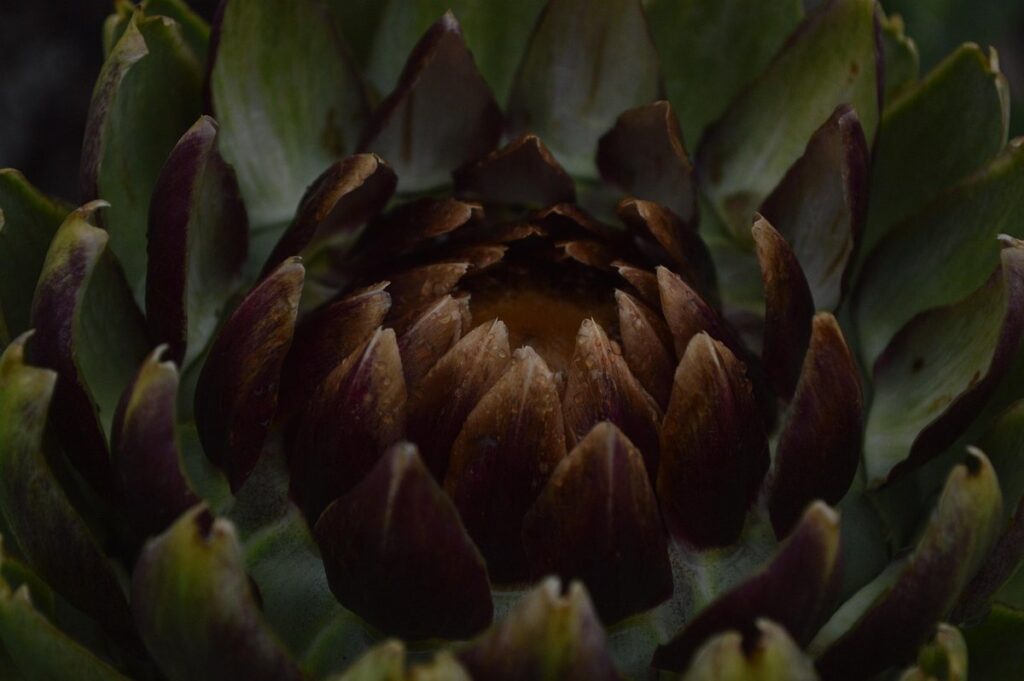
Understanding Artichoke Varieties
When it comes to growing artichokes, understanding the different varieties is crucial for success. Let’s take a closer look at some of the most popular and rewarding types to grow.
Choosing the Right Variety for Your Climate
When it comes to growing artichokes, selecting the right variety is crucial for a bountiful harvest. There are several types of artichokes, including globe, Jerusalem, and Chinese varieties, each with its own unique characteristics.
Globe artichokes are the most commonly grown type and thrive in mild winters and cool summers. They’re ideal for regions with moderate temperatures, typically between 40°F to 70°F (4°C to 21°C). If you live in a warmer climate, globe artichokes can become too big and seedy.
Jerusalem artichokes, on the other hand, are more tolerant of heat and drought. They’re perfect for regions with hot summers and mild winters. However, they can be more challenging to grow due to their sensitivity to frost.
Chinese artichokes are a popular choice for cooler climates, as they can tolerate temperatures as low as 30°F (-1°C). They also require less water than other varieties.
When choosing an artichoke variety, consider your region’s climate and temperature fluctuations. Check the specific growing requirements for each type and select one that suits your area’s conditions. This will ensure a healthy and productive harvest.
Factors Affecting Artichoke Growth
Artichoke growth is heavily influenced by several key factors that must be carefully managed to ensure a bountiful harvest. Temperature plays a crucial role, with artichokes thriving in areas where the temperature ranges from 40°F to 80°F (4°C to 27°C). Prolonged exposure to extreme temperatures can lead to bolting, which causes the plant to focus its energy on producing flowers rather than edible buds.
Sunlight is another vital component, as artichokes require at least six hours of direct sunlight per day. Soil quality also significantly impacts growth, with well-draining and fertile soil being essential for optimal development. Aim for a pH level between 6.5 and 7.5 to ensure your artichokes receive the necessary nutrients.
Moisture levels should be monitored closely, as both drought and overwatering can negatively impact plant health. Water consistently but avoid standing water around the base of the plants, which can lead to root rot. With attention to these key factors, you’ll be well on your way to cultivating a thriving artichoke crop.
Preparing the Soil for Artichokes
Before planting artichokes, you’ll want to prepare the soil properly. This includes loosening it and adding organic matter to create a healthy growing environment for your plants.
Testing and Amending Your Soil
Testing and amending your soil is an essential step in preparing it for artichokes. Artichokes prefer a slightly acidic to neutral soil pH, ranging from 6.0 to 7.0. To determine your soil’s pH level, you can purchase a DIY soil testing kit or send a sample to a lab for analysis. A soil test will also reveal the nutrient levels in your soil, including nitrogen, phosphorus, and potassium.
If your soil test reveals low nutrient levels or an unsuitable pH, it’s time to amend your soil. Organic matter such as compost, well-rotted manure, or green sand can be added to improve soil structure and fertility. You can also use balanced fertilizers like 10-10-10 NPK (nitrogen-phosphorus-potassium) according to the manufacturer’s instructions.
When amending your soil, remember that artichokes are heavy feeders and require regular nutrient replenishment. A general rule of thumb is to add 2-3 inches of compost or well-rotted manure around the plant base each spring, followed by a balanced fertilizer application in early summer. This will help promote healthy growth, fruiting, and overall artichoke production.
Creating the Right Soil Conditions
When it comes to growing artichokes, creating the right soil conditions is crucial for a bountiful harvest. Artichokes thrive in well-draining soil that’s rich in organic matter and has adequate potassium levels. Potassium plays a vital role in promoting healthy plant growth, including root development, fruiting, and overall resistance to disease.
To ensure optimal pH levels, aim for a range of 6.0-7.0. This slightly acidic to neutral pH will provide your artichokes with the best chance of absorbing essential nutrients from the soil. If you’re unsure about your soil’s pH level, consider getting it tested by a local nursery or gardening expert.
To achieve well-draining soil conditions, mix in compost or well-rotted manure to improve soil structure and increase water retention. This will help prevent waterlogged soil that can lead to root rot and other issues. By taking these steps, you’ll create an ideal environment for your artichokes to grow strong and healthy, setting them up for a successful harvest.
Planting Artichokes
When it comes time to plant artichoke seeds, there are a few things to keep in mind to ensure they get off to the best start. Let’s talk about how to prepare the soil and sow your artichoke seeds successfully.
Sowing Seeds vs. Seedlings
When it comes to growing artichokes from scratch, you’re faced with two main options: starting from seeds or using seedlings. Both methods have their pros and cons, which we’ll explore below.
Starting artichokes from seeds can be a cost-effective way to grow a large number of plants at once. Seeds are readily available in most nurseries or online, and they provide a high level of control over the germination process. However, growing artichokes from seeds requires patience, as it can take anywhere from 6-12 weeks for them to sprout. Additionally, seedlings may be more vulnerable to pests and diseases during this sensitive period.
On the other hand, using seedlings can save you around 2-3 months of growth time, allowing you to transplant your artichokes into larger pots or directly into the garden sooner. Seedlings are often less susceptible to pests and diseases than seeds, making them a great option for busy growers who want to minimize their workload.
When deciding between starting from seeds or seedlings, consider your personal preferences and schedule. If you have plenty of space and time to nurture your plants from seed, this method can be rewarding. However, if you’re short on time or prefer a more hands-off approach, seedlings are an excellent choice.
Transplanting Seedlings and Caring for Young Plants
When it’s time to transplant seedlings into individual pots or directly into their final growing space, handle them with care. Start by gently removing the seedling from its container, taking note not to disturb the roots excessively. If necessary, trim off a few of the lower leaves to prevent waterlogged soil and promote better air circulation.
As you transfer the seedling, place it in a spot that receives plenty of indirect light. Make sure the temperature is around 60-70°F (15-21°C), which will help minimize transplant shock. Water the young artichoke plant well after planting, but avoid overwatering – this can be detrimental to its growth.
Young plants require regular watering, especially during their first few weeks of growth. Water them deeply once or twice a week, depending on weather conditions and soil moisture levels. Additionally, provide your seedlings with a balanced fertilizer (around 10-10-10 NPK) applied at half the recommended strength. This will help promote healthy root development and encourage robust plant growth.
Artichoke Care and Maintenance
To ensure a healthy and thriving artichoke plant, regular care and maintenance are crucial to prevent common problems and encourage a bountiful harvest. Proper watering, fertilization, and pruning will make all the difference.
Watering Techniques for Healthy Growth
When it comes to growing artichokes, proper watering techniques are crucial for healthy growth and development. The ideal watering schedule will vary depending on factors such as climate, soil type, and time of year.
To start, it’s essential to check the soil moisture regularly using a finger test or a soil probe. Water your artichoke plants when the top 2-3 inches of soil feels dry to the touch. During hot summer months, you may need to water more frequently, while cooler periods require less frequent watering.
Consider using drip irrigation or soaker hoses for efficient and targeted watering. These methods deliver water directly to the roots, reducing evaporation and runoff. Mulching around your artichoke plants also helps retain moisture in the soil and suppress weeds.
Remember to avoid overwatering, which can lead to root rot and other problems. Aim for a balanced approach that provides consistent moisture without excess water. Monitor your plant’s response and adjust your watering schedule accordingly. With proper care, you’ll be on track to enjoying a bountiful harvest of delicious artichokes.
Pruning and Training for Optimal Yields
Pruning and training are essential aspects of artichoke care that can significantly impact yields. Regular pruning encourages bushy growth by removing weak and spindly stems, allowing the plant to focus its energy on producing more foliage. When it comes to flower buds, pruning them off when they’re about 1-2 inches in diameter will direct the plant’s energy towards developing fruiting stalks, ultimately leading to higher yields.
To maximize yields, prune the artichoke plant regularly throughout the growing season. Remove any dead or damaged leaves and stems, as well as any weak or spindly growth that may be competing with healthier parts of the plant for resources. You can also trim back the tips of established stalks by about 6-8 inches to encourage branching and promote a more compact, bushy habit.
For example, if you’re growing ‘Green Globe’ artichokes, prune them when they reach around 12-18 inches in diameter to direct their energy towards producing multiple flower buds. With regular pruning and training, you can expect to see a significant increase in yields and a healthier, more productive plant overall.
Pest and Disease Management
When growing artichokes, it’s essential to keep a watchful eye out for pests and diseases that can damage your plants and reduce yields. We’ll cover common issues and share effective management strategies to protect your harvest.
Common Pests Affecting Artichokes
When it comes to growing artichokes, pests can be a significant threat to your crop. Some common pests that target artichokes include aphids and whiteflies, which feed on the sap of the plant, weakening its defenses. These tiny insects can multiply quickly, causing damage to leaves, stems, and even the edible buds themselves.
Slugs and snails are another major concern for artichoke growers. These slimy pests love to feast on tender shoots and leaves at night, leaving behind a trail of slime and damage. Organic control methods are essential in managing these pests, as chemical pesticides can harm beneficial insects and the environment.
To keep aphids and whiteflies under control, use neem oil or insecticidal soap as a spray. These products will suffocate the pests and prevent them from reproducing. Diatomaceous earth is another effective natural pesticide that works by dehydrating the pests. Sprinkle it around the base of your artichoke plants to repel slugs and snails, and consider setting up a barrier around your garden using copper tape or crushed eggshells to deter these pests.
Managing Diseases Caused by Fungi and Bacteria
Fungal diseases like powdery mildew and downy mildew can be devastating to artichoke crops. These diseases thrive in humid environments, so it’s essential to monitor temperature and humidity levels closely. To prevent fungal diseases, ensure good air circulation around the plants by spacing them at least 18 inches apart. You can also use row covers or fine-mesh screens to reduce moisture accumulation on leaves.
When treating powdery mildew, try using neem oil or copper-based fungicides according to the product’s instructions. Be sure to spray the undersides of leaves as well, where spores often settle. For downy mildew, switch to a systemic fungicide containing chlorothalonil. Apply it at the first sign of infection and repeat every 7-10 days.
Bacterial infections like bacterial leaf spot can also occur on artichokes. Symptoms include yellowing or wilted leaves, often with small black spots. Remove infected leaves immediately to prevent the disease from spreading. To control bacterial diseases, use bactericides containing copper or silver ions according to label instructions. Practice crop rotation and maintain good sanitation around your garden to reduce the risk of bacterial infections.
Harvesting Artichokes at the Right Time
Timing is everything when it comes to harvesting artichokes, as cutting them too early can lead to bitter flowers and wasted energy. Learn how to pick your artichokes at just the right moment for maximum flavor and enjoyment.
Identifying Mature Artichoke Flowers
When it comes to harvesting artichokes, timing is everything. One of the most critical steps is identifying mature flowers, and this requires a closer look at color changes, bud size, and stem flexibility.
Start by examining the buds on your artichoke plant. A mature flower will have undergone several color changes as it develops. Look for buds that have transitioned from their initial green color to a purplish-red hue, often accompanied by a slight yellowing or browning around the base. This indicates that they’re ready to be harvested.
Check the size of the bud as well – mature artichokes are typically between 3-6 inches in diameter and about half the size of a softball. Be cautious not to over-mature the buds, as this can lead to tough or fibrous texture.
Next, gently twist the stem of the artichoke; if it comes off easily, it’s likely ready for harvest. Avoid pulling too hard on the stem, as this can damage the plant. If you’re still unsure, wait a few more days and check again – but remember that over-maturity can reduce flavor quality.
Remember, timing is everything when it comes to harvesting artichokes. Keep an eye out for these telltale signs of maturity to ensure you bring in your crop at its best.
Tips for Handling and Storing Fresh Artichokes
When you’ve finally harvested those delicious artichokes from your garden, it’s essential to handle and store them properly to maintain their quality and freshness. To do this, keep them away from direct sunlight and heat sources, as they can quickly become soft and spoiled.
Store fresh artichokes in an air-tight container or plastic bag with some humidity control, such as a damp cloth or paper towel. This will help retain moisture and prevent ethylene gas buildup, which can cause the artichokes to ripen too quickly. Place the container in the refrigerator at a consistent temperature between 32°F (0°C) and 40°F (4°C).
Check on your stored artichokes every few days, making sure they’re still firm and not showing signs of mold or spoilage. If you notice any softening or discoloration, it’s best to use them immediately, as they won’t keep for much longer.
When storing multiple artichokes together, make sure they don’t touch each other or the container walls, as this can cause bruising and moisture transfer. You can also wrap individual artichokes in plastic wrap or aluminum foil to keep them separate and fresh for a longer period.
Some gardeners swear by placing a piece of bread or lemon slice inside the container with the artichokes to absorb excess moisture and maintain humidity levels. Experiment with this method if you find your stored artichokes tend to dry out quickly.
Conclusion and Future Growth Strategies
Now that you’ve successfully grown and harvested your artichokes, let’s take a look at how to build on that success and plan for future growth.
Recap of Key Takeaways
As you’ve made it to the end of this article on growing artichokes, let’s recap the essential tips and tricks we’ve covered. To ensure a bountiful harvest, start by selecting a suitable location for your artichoke plants, providing them with well-draining soil and full sun.
Proper watering is also crucial – aim for about 1 inch of water per week, either from rain or irrigation. We discussed the importance of mulching to retain moisture and suppress weeds, as well as pruning techniques to promote healthy growth and prevent disease.
Additionally, we touched on fertilization methods, including using compost tea and balanced fertilizer at planting time, and incorporated pest management strategies like introducing beneficial insects to control aphids and other pests. By following these guidelines, you’ll be well on your way to growing succulent artichokes that will impress family and friends alike. Remember, patience and attention to detail are key – with consistent care and maintenance, you’ll enjoy a rich harvest of delicious homegrown artichokes in no time.
Planning for Next Season’s Crop
As you wrap up this season’s harvest, take some time to reflect on what worked and what didn’t. Planning for next season’s crop is crucial to ensuring a bountiful harvest of delicious artichokes. One key area to focus on is soil preparation. Did you struggle with soil-borne diseases or pests? Consider implementing a crop rotation plan, which can help break disease cycles and reduce pest pressure.
Think about your irrigation system – did it work efficiently, or were there areas where water was wasted? Investing in drip irrigation or soaker hoses can be a game-changer for artichoke cultivation. You may also want to consider adding organic matter like compost or well-rotted manure to improve soil structure and fertility.
Another important aspect is crop selection. Did you find that some varieties performed better than others in your climate? Research new cultivars that are bred for disease resistance, drought tolerance, or other desirable traits. By reflecting on the lessons learned from this season’s harvest, you’ll be well-prepared to tackle any challenges next year and enjoy an even more successful artichoke crop.
Frequently Asked Questions
What are the best companion plants to grow alongside artichokes for optimal health?
When growing artichokes, it’s essential to consider companion planting to promote healthy growth and deter pests. Some excellent choices include comfrey, rosemary, and thyme, which can help improve soil fertility and repel aphids and other insects.
How do I know if my artichoke plants are susceptible to specific diseases or pests?
Regular monitoring is crucial when growing artichokes. Look for signs of common pests like aphids, whiteflies, and spider mites, as well as diseases caused by fungi and bacteria. Keep a record of your plant’s growth and take action promptly if you notice any issues.
Can I grow artichokes in containers or do they require large areas of soil?
While globe artichokes prefer well-draining soil with full sun, many varieties can thrive in containers provided the right conditions are met. Ensure that the container is at least 12-18 inches deep and has a wide mouth to accommodate the plant’s mature size.
How long does it take for artichoke plants to mature after sowing seeds or transplanting seedlings?
The time from sowing seeds to harvesting can vary depending on factors like climate, soil quality, and variety. Generally, seed-grown artichokes take about 18-24 months to reach maturity, while transplanted seedlings can produce flowers within 12-18 months.
Are there any specific tips for storing fresh artichoke flowers to maintain their flavor and texture?
Proper storage is crucial when preserving the freshness of your homegrown artichokes. Store them in an open paper bag or breathable container at room temperature (around 50-60°F) to prevent moisture buildup, which can cause spoilage and reduce shelf life.