
Mulberries are one of those trees that can bring joy to any garden or yard, but they require some TLC to thrive. With their stunning foliage, vibrant berries, and elegant shape, it’s no wonder why many homeowners want to add a mulberry tree to their landscape. However, taking care of these beautiful plants can be daunting if you don’t know where to start.
In this comprehensive guide, we’ll walk you through the essential steps for choosing, planting, and maintaining a healthy mulberry tree that will bring years of enjoyment and benefits to your property. From selecting the right climate and soil conditions to pruning and caring for your tree, we’ve got you covered. Whether you’re a seasoned gardener or a new homeowner, our expert tips will help you grow a strong, resilient, and productive mulberry tree that will be the envy of your neighborhood.
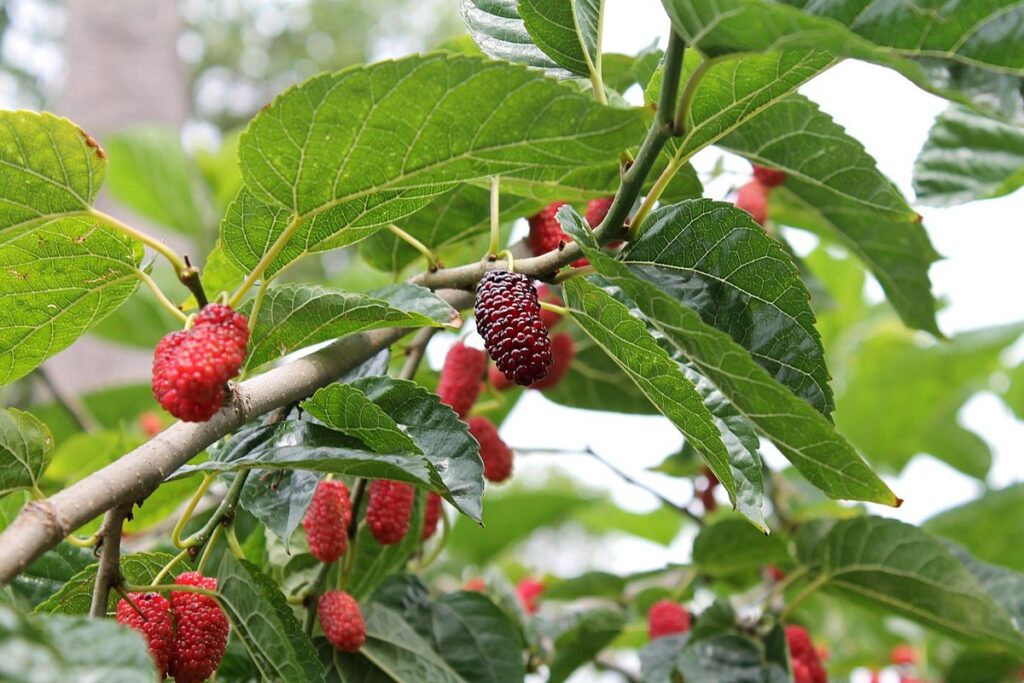
Choosing the Right Mulberry Tree
When selecting a mulberry tree for your yard, it’s essential to consider factors such as climate, soil type, and intended use. This helps ensure you choose a tree that thrives in its environment.
Selecting the Perfect Species
When it comes to selecting the perfect mulberry tree for your yard, there are several species to choose from. With over 300 varieties worldwide, you’re spoiled for choice! Let’s break down three of the most popular types: White Mulberry (Morus alba), Red Mulberry (Morus rubra), and Black Mulberry (Morus nigra).
Each of these species has its unique characteristics, growth habits, and requirements. For example, the White Mulberry is known for its fast growth rate, reaching up to 3 feet per year, but it can become invasive in some areas. The Red Mulberry is a native American species that grows at a slower rate, producing delicious fruit with a sweet-tart flavor.
The Black Mulberry, on the other hand, has the most cold hardiness of the three and produces the largest berries, making it perfect for jams and preserves. Consider your climate, space constraints, and personal preferences when choosing between these varieties. Ask yourself: Do you want fast growth or slow-and-steady? Invasive potential or compact size?
Consider visiting a local nursery to get hands-on experience with each variety before making your final decision. By selecting the right mulberry tree for your needs, you’ll set yourself up for success and enjoy a thriving tree for years to come.
Considerations for Climate and Soil
When selecting a mulberry tree for your garden, it’s essential to consider the climate and soil conditions where it will thrive. Different species have varying tolerance levels to temperature extremes, humidity, and nutrient-rich soils.
In hot and dry climates, choose species like ‘Dwarf Everbearing’ or ‘Red Shahtoot’, which are more drought-tolerant and require minimal watering. These trees are ideal for regions with low rainfall, as they can survive with less water than other varieties. In contrast, areas with high humidity and warm temperatures should opt for species like ‘Mungeri’, which prefers well-drained soils but tolerates moisture.
Soil type is also crucial in mulberry tree growth. Trees prefer rich, fertile soil with a pH between 6.0 and 7.0. Sandy loams or clay soils can support mulberry trees, but ensure your soil has adequate drainage to prevent root rot. Test your soil before planting to determine its nutrient levels and pH. Based on these results, apply necessary amendments to create an optimal growing environment for your mulberry tree.
Planting a Mulberry Tree
When planting a mulberry tree, choosing the right location and preparing the soil are crucial steps to ensure your tree thrives from the start. Select a spot that gets plenty of sunlight and has good air circulation.
Preparing the Site
When planting a mulberry tree, it’s essential to choose a suitable location that will provide optimal growing conditions for the tree. Look for a spot with full sun to partial shade, as mulberries require at least 6 hours of direct sunlight per day. Consider the mature size of the tree and leave enough space between it and any nearby structures or power lines.
Digging a proper hole is also crucial for a healthy start. The hole should be twice as wide and just as deep as the root ball to allow for easy root expansion. Avoid compacting the soil, which can hinder water and air circulation around the roots. Mulberry trees prefer well-draining soil, so if your area has poor drainage, consider raising the bed or installing a French drain.
When planting, ensure that the graft union (if applicable) is above the soil level to prevent water from accumulating and causing root rot. Regularly check the tree’s response to its new environment by monitoring for signs of stress or disease.
Watering and Soil Care
When it comes to mulching and fertilizing, it’s essential to create an environment that promotes healthy growth for your young mulberry tree. Mulch is a vital component in retaining moisture, suppressing weeds, and regulating soil temperature. Organic mulches like wood chips or bark work wonders in this regard. Spread 2-3 inches of mulch around the base of the tree, keeping it a few inches away from the trunk to prevent rot.
Fertilization should commence when your tree reaches about 1 year old. Use a balanced fertilizer with an NPK ratio (nitrogen-phosphorus-potassium) of 10-10-10. Follow the manufacturer’s instructions for application rates, but as a general rule, start with a light application in early spring and again in late summer.
Watering schedules are critical during the first year. Young trees need consistent moisture, especially during hot weather. Water your mulberry tree when the top 2-3 inches of soil feel dry to the touch. Avoid overwatering, which can lead to root rot and other problems. For example, in a typical drought-prone summer, aim for about 1 inch of water per week.
Mulberry Tree Maintenance
To keep your mulberry tree thriving, regular maintenance is essential. This section will walk you through the tasks to perform seasonally and annually for a healthy tree.
Pruning Techniques
Pruning is an essential part of mulberry tree maintenance that can have significant benefits for the health and productivity of your tree. Regular pruning helps to remove diseased, damaged, or dead branches, promoting healthy growth and preventing the spread of disease. It also allows for better air circulation around the tree, reducing the risk of fungal diseases and pests.
When pruning different parts of the tree, it’s essential to use the right tools for the job. For cutting thick branches, a sharp pruning saw is ideal, while loppers or hand pruners are better suited for smaller branches and twigs. When working with the roots, a root saw or a specialized pruning tool specifically designed for root work is necessary.
To prune effectively, start by removing any dead, diseased, or damaged branches first. Then, trim back new growth to encourage a stronger shape and promote fruiting. Prune in late winter or early spring before new growth begins, as this allows the tree to heal quickly and minimizes the risk of disease. Always cut just outside the branch collar, making clean cuts and leaving no stubs behind.
Pest and Disease Management
Pests and diseases can significantly impact a mulberry tree’s health and productivity. One common pest affecting mulberry trees is the mulberry fruit fly, which lays eggs inside ripening fruit causing them to spoil quickly.
Preventing infestations involves maintaining good sanitation practices around the tree, such as removing fallen fruits and debris from the surrounding area. Regularly inspecting your mulberry tree for signs of pests or diseases can also help in early detection.
Some common diseases affecting mulberry trees include powdery mildew, leaf spot, and anthracnose. These conditions often result from overwatering or poor air circulation around the tree. To prevent disease outbreaks, ensure proper watering practices are implemented, such as providing adequate space between mulberry plants for good airflow.
Fungicides can be used to control disease spread if prevention methods fail to yield results. It’s essential to use fungicides specifically designed for fruit trees and follow label instructions carefully.
By being proactive about pest and disease management, you’ll have better success in maintaining a healthy mulberry tree with optimal growth and yields.
Mulching and Fertilizing
To keep your mulberry tree healthy and thriving, it’s essential to provide the right nutrients through proper mulching and fertilization techniques. We’ll walk you through these crucial steps in this section.
Types of Mulch
When it comes to mulching around your mature mulberry tree, there are several types of mulch to choose from. Organic mulches, such as wood chips, bark, and leaf mold, are rich in nutrients and can improve soil health over time. They also help retain moisture and suppress weeds. However, they may break down quickly and need frequent replenishment.
Inorganic mulches, like plastic sheeting and gravel, are low-maintenance and can last for many years. They’re ideal for areas with poor drainage or where weed control is a top priority. Yet, they don’t contribute to soil health and can raise the tree’s root temperature if applied too deeply.
A good rule of thumb is to apply 2-3 inches of organic mulch around the base of your mulberry tree, keeping it several inches away from the trunk. This allows for air circulation and prevents moisture buildup. For inorganic mulches, follow the manufacturer’s instructions for application thickness. Regularly replenish your mulch as needed to maintain its effectiveness and keep your tree healthy.
Nutrient Requirements
When it comes to fertilizing your mulberry tree, understanding its nutrient requirements is crucial for healthy growth and fruit production. Mulberry trees benefit from regular fertilization, especially during their early years of establishment. A balanced fertilizer that provides essential nutrients like nitrogen (N), phosphorus (P), and potassium (K) can promote strong root development, leaf growth, and fruiting.
There are several types of fertilizers available for mulberry trees, including organic and inorganic options. Organic fertilizers, such as compost or manure, release nutrients slowly over time, providing a sustained supply of nutrients to the tree. Inorganic fertilizers, like synthetic nitrogen-based products, provide a quick boost of nutrients but may require more frequent applications.
To apply fertilizer effectively, follow these guidelines: Apply a balanced fertilizer (10-10-10 N-P-K) in early spring when new growth begins. For established trees, use a higher phosphorus content fertilizer (15-30-15 N-P-K) to promote fruiting. Avoid over-fertilizing, as this can damage the tree’s roots and lead to environmental issues. Stick to recommended application rates and timing for optimal results.
Mulberry Tree Pests and Diseases
Mulberry trees can be susceptible to various pests and diseases, which is why it’s essential to know how to identify and manage these issues. We’ll cover some common problems you may encounter in your garden.
Common Problems
As a mulberry tree owner, it’s essential to be aware of the common pests and diseases that can affect your tree’s health. Some of the most prevalent problems include aphids, spider mites, scale insects, and root rot.
Aphids are small, soft-bodied insects that feed on plant sap, causing curled or distorted leaves. They’re often found in clusters on new growth, and their presence is indicated by a sticky substance called honeydew. To manage aphid infestations, use neem oil or insecticidal soap to control populations.
Spider mites are tiny arachnids that feed on plant sap, causing yellowing or bronzing of leaves. They’re often found in dry conditions and can be controlled using a combination of watering and fungicides.
Scale insects secrete a sticky substance called honeydew, which attracts ants and promotes the growth of sooty mold. To manage scale infestations, use horticultural oil or insecticidal soap to control populations.
Root rot is often caused by overwatering or poor drainage, leading to root decay and tree decline. To prevent root rot, ensure your mulberry tree has good air circulation, water it properly, and avoid overfertilizing.
By being aware of these common problems and taking proactive steps, you can help protect your mulberry tree from pests and diseases and keep it healthy for years to come. Regular monitoring and prompt action are key to managing infestations and preventing long-term damage.
Integrated Pest Management (IPM)
When it comes to mulberry tree care, Integrated Pest Management (IPM) is an essential approach for sustainable and healthy trees. IPM is a holistic strategy that focuses on preventing pest problems through monitoring, prevention, and control methods. By adopting IPM practices, you can minimize the use of chemical pesticides, reduce environmental impact, and maintain a balanced ecosystem around your mulberry tree.
To implement IPM effectively, start by monitoring your tree regularly for signs of pests or diseases. Look out for symptoms such as unusual growth patterns, discoloration, or holes in leaves. Keep an eye on common pests like aphids, whiteflies, and spider mites that can infest mulberry trees.
Prevention is key in IPM. Use physical barriers to keep pests away from your tree, such as fine mesh screens around fruit clusters. Encourage beneficial insects like bees and butterflies by planting native flowers nearby. Keep the soil healthy with regular composting and mulching, which also helps deter pests.
When control methods are necessary, opt for targeted approaches that minimize harm to the environment and non-target species. For example, use neem oil or insecticidal soap specifically labeled for use on fruit trees. Always follow label instructions carefully and take necessary precautions to avoid harming beneficial insects or the tree itself. By adopting these IPM strategies, you’ll be well on your way to maintaining a thriving mulberry tree while minimizing its environmental footprint.
Propagating Mulberry Trees
To grow more mulberries, you’ll want to learn how to propagate your tree successfully. This involves using various techniques to create new trees from cuttings or suckers.
Methods of Propagation
When it comes to propagating mulberry trees, there are several methods you can employ depending on the variety and desired outcome. Grafting is a popular method that involves joining a piece of stem (scion) from one tree onto the root system of another (rootstock). This technique allows for the preservation of desirable traits such as fruit quality and disease resistance.
Grafting offers several advantages, including increased fruit production and reduced susceptibility to pests and diseases. However, it requires some expertise and can be a bit more expensive than other methods. Another method is layering, which involves bending a branch down to the ground and allowing it to take root before cutting it from the parent tree.
Another approach is stem cuttings, which involve taking sections of stem from the tip of branches and rooting them in a controlled environment. This method can be more challenging but allows for greater flexibility and control over the propagation process. Whichever method you choose, make sure to follow proper sanitation and care techniques to ensure successful propagation and minimize the risk of disease or pest issues.
Tips for Successful Propagation
To successfully propagate mulberry trees, you’ll need to prepare cuttings with care. Choose healthy branches from the current season’s growth, ideally during late spring or early summer when they are around 1-2 feet long. Remove lower leaves and trim the cutting to encourage root development.
For rooting media, you can use a mix of peat moss and perlite or vermiculite for optimal moisture retention. Water the medium before planting the cuttings and ensure it’s not too wet, as this can lead to rot.
Provide your mulberry tree cuttings with optimal conditions for successful propagation. Place them in a warm location with indirect sunlight (around 70-80°F) and high humidity. Check the rooting media daily, keeping it consistently moist but not waterlogged. It may take several weeks or even months for roots to develop, so be patient.
By following these steps and maintaining the right conditions, you’ll significantly increase your chances of successful propagation. Remember that patience is key when waiting for roots to develop, and keep in mind that mulberry trees can grow quite large, so prune regularly to maintain a manageable size.
Conclusion
In conclusion, caring for your mulberry tree requires attention to detail and regular maintenance. By following the tips outlined in this guide, you’ll be able to provide your tree with the best possible care. Regular watering, pruning, and fertilization will help promote healthy growth and fruit production. Remember to also inspect your tree regularly for signs of pests or diseases, taking action quickly if necessary.
You can also consider implementing a mulch layer around the base of your tree to retain moisture and suppress weeds. This simple yet effective tip can make all the difference in keeping your tree happy and thriving. With a little patience and effort, you’ll be enjoying delicious mulberries from your own backyard in no time. By following these care tips, you’ll be able to enjoy your mulberry tree for years to come.
Frequently Asked Questions
Can I grow a mulberry tree from seed, or do I need to purchase a nursery tree?
Yes, you can grow a mulberry tree from seed, but it may take several years for the tree to mature and produce fruit. Purchasing a nursery tree will give you a head start on getting a productive tree sooner.
How often should I water my mulberry tree during its first year of growth?
Water your mulberry tree regularly during its first year, especially during hot or dry weather. Aim to provide about 1 inch of water per week, either through rainfall or irrigation. Be mindful not to overwater, which can lead to root rot.
Are there any specific nutrients that I should fertilize my mulberry tree with?
Fertilize your mulberry tree with a balanced fertilizer (10-10-10 NPK) in the spring and again after harvesting fruit. You may also want to consider adding a micronutrient supplement, especially if your soil test indicates deficiencies.
Can I prune my mulberry tree during any time of year, or are there specific pruning seasons?
Yes, you can prune your mulberry tree at almost any time of year, but avoid making major cuts during the active growing season (spring-fall). Prune in late winter or early spring for best results. Regular maintenance pruning will help promote healthy growth and fruiting.
How do I know if my mulberry tree is receiving enough sunlight?
Choose a location with full sun to partial shade for your mulberry tree, depending on the variety you’ve selected. A general rule of thumb is to provide at least 6 hours of direct sunlight per day for optimal growth and fruit production. Monitor your tree’s response to its environment and adjust as needed.