
Are you ready to unlock the secrets of growing your own pawpaw trees? These unique and delicious fruits are a treasure for any gardener, but they can be finicky. To get the most out of your pawpaw tree care, it’s essential to choose the right location with adequate sunlight and well-draining soil. Proper watering, fertilization, pruning, and harvesting techniques are also crucial for a bountiful harvest.
In this article, we’ll dive into the ins and outs of growing healthy pawpaw trees. We’ll cover common mistakes to avoid, including pests and diseases that can ruin your crop. From selecting the perfect location to expert tips on fertilization and pruning, you’ll learn how to create the ideal conditions for your pawpaw tree to thrive. By following our comprehensive guide, you’ll be enjoying fresh, juicy pawpaws in no time!
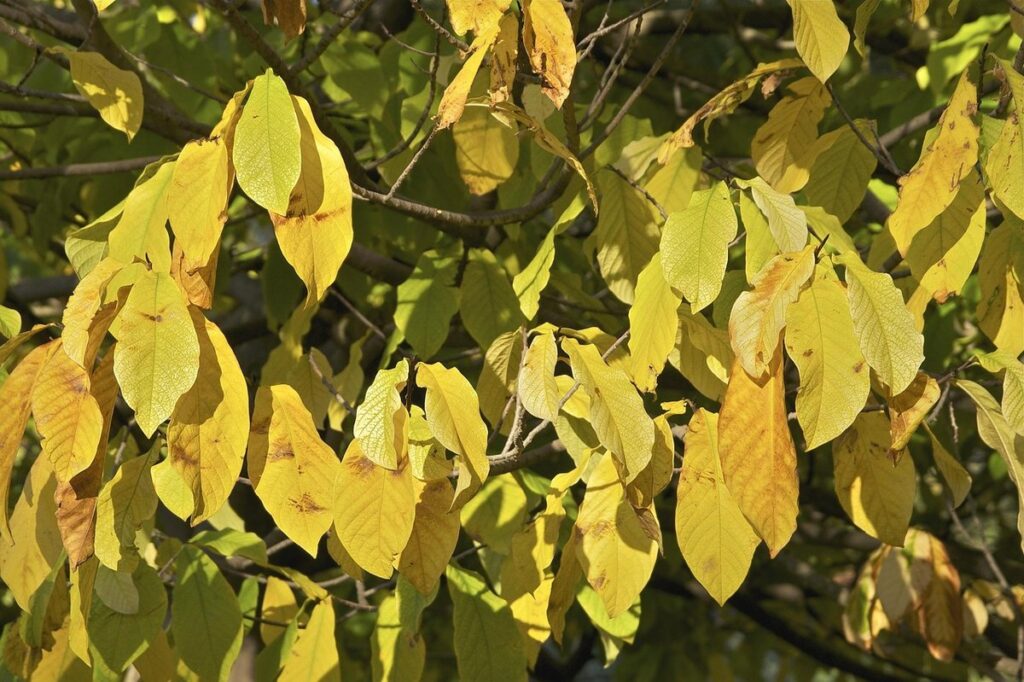
Choosing the Right Location
When selecting a location for your pawpaw tree, consider factors like sunlight, soil type, and moisture levels to ensure optimal growth and health. This is crucial for a thriving tree.
Selecting a Sunny Spot
When it comes to choosing the right location for your pawpaw tree, sunlight is one of the most critical factors to consider. Pawpaw trees require a significant amount of direct sunlight to thrive, and selecting a spot with optimal sunlight can make all the difference in their healthy growth.
In fact, pawpaw trees need at least six hours of direct sunlight per day to produce fruit consistently. However, too much sunlight can be detrimental, so it’s essential to balance this requirement with other environmental factors such as temperature and soil quality. A spot that receives filtered or dappled sunlight is ideal, especially in warmer climates where intense sunlight can cause scorching.
When selecting a location for your pawpaw tree, look for areas that receive morning sun and afternoon shade. This will provide the necessary sunlight while also protecting the tree from extreme heat. Additionally, avoid planting your pawpaw tree near buildings or other structures that may block sunlight during certain times of the day. By choosing a spot with optimal sunlight, you’ll set your pawpaw tree up for success and ensure it reaches its full potential.
Considering Soil Type and Drainage
When it comes to choosing the right location for your pawpaw tree, soil type and drainage are crucial factors to consider. Pawpaw trees prefer well-draining soils with a slightly acidic pH, typically between 6.0 and 7.0. If your soil is too alkaline or has poor drainage, it can lead to nutrient deficiencies and root rot.
To determine the ideal soil conditions for your area, start by testing your soil pH using a DIY kit or sending a sample to a laboratory for analysis. Based on the results, you may need to make adjustments such as adding organic matter like compost or peat moss to lower the pH or installing a French drain to improve drainage.
For example, in areas with heavy clay soils, you can mix in a 2-inch layer of perlite or sand to improve water penetration and prevent waterlogging. On the other hand, if your soil is too sandy, consider adding a layer of compost or well-rotted manure to retain moisture and nutrients. By understanding and addressing any soil issues upfront, you’ll set your pawpaw tree up for success and ensure it receives the best possible growing conditions.
Planting and Establishing
When planting a new pawpaw tree, it’s essential to establish a strong foundation that will set your tree up for success. Let’s dive into the specifics of planting and establishing your pawpaw tree.
Preparing the Site
When preparing the site for planting a pawpaw tree, it’s essential to create an environment that will support its growth and development. Start by clearing the area of any debris, weeds, or vegetation that may compete with your new tree for water and nutrients. Use a shovel or axe to remove any large branches or roots, taking care not to damage the surrounding soil.
Next, level the ground to ensure it’s even and stable. Pawpaw trees prefer well-draining soil, so if you have low-lying areas or waterlogged spots, consider raising the grade of the land slightly. This will also help prevent root rot and other diseases that thrive in damp conditions.
Remove any debris, rocks, or weeds from the planting area to create a smooth surface for your tree’s roots to spread out. You can also mix in organic matter like compost or well-rotted manure to improve soil fertility and drainage. By doing this initial preparation work, you’ll be giving your pawpaw tree the best possible start in life.
Planting Techniques
When planting a pawpaw tree, it’s essential to get it right from the start. Start by digging a hole that is 2-3 times wider and just as deep as the root ball of the tree. This will give the roots room to spread out and establish themselves in the soil.
Gently remove the pawpaw tree from its container or burlap, taking care not to damage the roots. If the roots are circling or growing out of the container, gently tease them apart with your fingers or a blunt instrument like a chopstick. This will encourage the roots to grow outward and downward into the surrounding soil.
Place the pawpaw tree in the hole, making sure the graft union (if applicable) is at least 2 inches above the soil level. Fill in the hole with a mix of topsoil and compost, tamping it down gently as you go to prevent air pockets from forming.
Water the tree thoroughly after planting, and keep the soil consistently moist during its first year of growth. Staking may be necessary to support the tree, especially if it’s top-heavy or in a windy location. Prune any broken or damaged branches, and consider removing any weak or spindly growth to promote a strong, balanced structure.
Watering and Irrigation
Water is essential for a healthy pawpaw tree, so let’s dive into how to properly water your tree and set up an efficient irrigation system. This includes tips on frequency and amount.
Understanding Pawpaw Tree Water Needs
When it comes to watering your pawpaw tree, understanding its specific needs is crucial. The frequency of watering depends on various factors such as climate, soil type, and stage of growth.
In general, pawpaw trees prefer well-draining soils and full sun to partial shade conditions. In hot and dry climates, the tree may require more frequent watering, ideally every 7-10 days during its first year after planting. However, in cooler and wetter climates, watering might be needed only once a month.
As your pawpaw tree grows, its water requirements change. When it reaches maturity, reduce watering to once every 2-3 weeks. Keep in mind that overwatering can lead to root rot, while underwatering may cause stress to the tree.
To determine if your pawpaw tree needs water, check the soil moisture by inserting a finger into the soil up to the knuckle. If the soil feels dry, it’s time for watering. However, avoid getting the trunk or leaves wet to prevent fungal diseases.
Efficient Irrigation Systems
When it comes to watering your pawpaw tree, using an efficient irrigation system can make all the difference. There are several options available, each with its own advantages and disadvantages.
Drip irrigation is a popular choice for pawpaw trees, as it delivers water directly to the roots, reducing evaporation and runoff. This type of system consists of a network of tubes and emitters that release water at regular intervals. For example, you can place an emitter about 12 inches from the trunk, where the feeder roots are most active.
Sprinkler systems are another option, but they can be less efficient due to overspray and evaporation. However, they’re often easier to install and maintain than drip irrigation systems. Soaker hoses, on the other hand, are a simple and cost-effective solution for small pawpaw trees or seedlings. To install any of these systems effectively, make sure to position them at the right height and depth for your tree’s specific needs. Regular maintenance is also crucial to prevent clogs and ensure optimal water delivery.
Keep in mind that pawpaw trees prefer consistent moisture levels, especially when they’re producing fruit. Make sure to monitor your system’s performance and adjust as needed to avoid overwatering or underwatering.
Fertilization and Pruning
Proper fertilization is crucial for a healthy pawpaw tree, while pruning helps control its size and promotes fruiting. Let’s explore how to do both effectively.
Nutrient Requirements
When it comes to fertilizing your pawpaw tree, understanding its nutrient requirements is crucial for optimal growth and fruit production. Pawpaws are heavy feeders, meaning they need a balanced diet of essential nutrients to thrive.
First and foremost, nitrogen (N) is the most critical macronutrient required by pawpaw trees. It promotes leafy growth, root development, and overall health. Phosphorus (P), on the other hand, supports fruit production and helps with flower formation. Potassium (K) plays a vital role in overall tree health, including disease resistance and water balance.
To determine the right fertilizer for your tree, start by getting a soil test done to identify any nutrient deficiencies. Based on the results, you can choose a balanced fertilizer that contains N-P-K ratios tailored to your tree’s specific needs. For example, if your tree is in its early growth stage, look for a fertilizer with a higher nitrogen content (e.g., 10-5-10). As your tree matures and begins producing fruit, switch to a fertilizer with more phosphorus (e.g., 5-10-10).
It’s also essential to consider the pH level of your soil when selecting a fertilizer. Most pawpaw trees prefer slightly acidic to neutral soils (pH 6.0-7.0).
Pruning Techniques
Pruning is an essential aspect of pawpaw tree care that plays a significant role in promoting healthy growth, encouraging fruit production, and removing diseased or damaged branches. Regular pruning helps maintain the overall shape and structure of the tree, allowing it to thrive and produce more fruit.
There are three main types of pruning cuts: thinning, reduction, and rejuvenation. Thinning cuts involve removing select branches to improve air circulation and allow sunlight to penetrate deeper into the canopy. Reduction cuts reduce the size of the tree by cutting back overgrown branches or the entire top section. Rejuvenation cuts are used on mature trees that have become overgrown or neglected, cutting out most of the existing growth to stimulate new growth.
When pruning your pawpaw tree, it’s essential to use proper techniques and safety precautions. Wear protective gear such as gloves and safety glasses, and make clean cuts using sharp, sterile tools. Prune during the dormant season (winter or early spring) to minimize sap flow and reduce the risk of disease transmission. For first-timers, consider consulting with an arborist or pruning professional for guidance on how to prune your pawpaw tree effectively.
Pest and Disease Management
Regular pest and disease issues can be a major concern for pawpaw tree owners, but there are effective ways to keep these problems under control. We’ll walk you through prevention and treatment strategies in this essential section of our guide.
Common Pests Affecting Pawpaw Trees
As you tend to your pawpaw tree, it’s essential to be aware of common pests that can affect its health. Among these are aphids, scales, and caterpillars. Aphids are small, soft-bodied insects that feed on sap, causing curled or distorted leaves. Scales, on the other hand, secrete a sticky substance called honeydew, which attracts ants and promotes fungal growth. Caterpillars, the larvae of moths and butterflies, can strip the tree of its leaves and cause significant damage.
To identify these pests, look for telltale signs like white powdery patches (scales), curled or distorted leaves (aphids), or frass (caterpillar droppings). Early detection is key to effective control. Integrated Pest Management (IPM) strategies involve a combination of techniques such as physical removal, cultural controls, and chemical treatments when necessary. For example, prune infested branches, improve air circulation around the tree, and use neem oil or insecticidal soap to manage pest populations. Regular monitoring and IPM practices can help prevent pest damage and keep your pawpaw tree healthy and thriving.
Recognizing and Managing Diseases
As a pawpaw tree owner, it’s essential to be aware of common diseases that can affect your trees and know how to manage them effectively. Some of the most prevalent diseases affecting pawpaw trees include anthracnose, powdery mildew, and root rot.
Anthracnose is a fungal disease that causes small, dark spots on leaves, while powdery mildew produces a white, powdery coating on leaves. Root rot, caused by overwatering or poor drainage, can lead to yellowing leaves and blackened roots. To prevent these diseases, maintain good sanitation practices, such as removing infected plant material and disinfecting pruning tools.
Crop rotation is also crucial in disease prevention. Planting different crops in the same area can reduce soil-borne pathogens and prevent fungal diseases from spreading. Organic fungicides, like neem oil or copper-based products, can be used to control mildew and other fungal infections. Always read labels carefully and follow instructions for application rates and timing.
Regular monitoring of your trees is key to catching diseases early on. Look out for unusual discoloration, deformation, or dieback, and take prompt action if you notice any signs of disease.
Propagation and Grafting
Now that you have a pawpaw tree growing strong, let’s talk about how to multiply it and create more trees through propagation and grafting techniques. This is where the magic of multiplication begins!
Seed Germination and Planting
Germinating pawpaw seeds requires careful attention to detail and a understanding of their unique needs. To begin, you’ll need to acquire high-quality seeds from a reputable source. Pawpaw seeds have a thick coat that prevents water from penetrating, so they require a process called scarification to break down the seed coat. This can be done by gently scratching the surface with sandpaper or soaking the seeds in water for 24 hours.
After scarification, you’ll need to provide your seeds with stratification and cold treatment. Pawpaw seeds have a natural dormancy period that is triggered by prolonged exposure to cold temperatures. To mimic this process, place the seeds in a plastic bag or airtight container filled with moist peat moss or sand and store it in the refrigerator for 3-4 months.
Once stratified, sow the seeds about 1 inch deep and 2-3 inches apart in a nursery or garden bed. Keep the soil consistently moist but not waterlogged. Transplant the seedlings into larger containers or directly into the garden when they reach 6-8 inches tall, taking care to handle their delicate root system with care.
With proper germination and planting techniques, you’ll be well on your way to establishing a thriving pawpaw tree in your nursery or garden.
Grafting Techniques
Grafting pawpaw trees can be a game-changer for many growers. Not only does it allow you to tap into the genetic diversity of pawpaw varieties, but it also provides several benefits that can enhance the overall health and productivity of your tree.
One of the primary advantages of grafting is increased yields. By combining a desirable scion (the part of the tree above ground) with a robust rootstock, you can enjoy more fruit on your tree while minimizing the risk of disease and pests. This is particularly useful for pawpaw growers who struggle to get their trees to produce a bountiful harvest.
Bark grafting is a popular method among pawpaw enthusiasts, as it allows for greater control over scion placement and promotes healthy callus formation. Whip-and-tongue grafting is another effective approach that involves cutting the bark of both the rootstock and scion in a specific pattern to facilitate union. When selecting a compatible rootstock, look for varieties that are disease-resistant and have a similar growing habit to your desired scion.
To ensure success with grafting, make sure to choose healthy, disease-free scions and rootstocks. Be cautious of introducing pests or diseases through the grafting process by disinfecting all tools and equipment between uses. With proper care and attention, your grafted pawpaw tree can thrive and provide you with an abundance of delicious fruit for years to come.
Harvesting and Storage
Now that you’ve learned how to care for your pawpaw tree, let’s dive into harvesting and storing these delicious fruits. Proper storage will help keep your pawpaws fresh for a longer period.
Identifying Ripe Pawpaws
Identifying ripe pawpaws requires attention to three key signs: color, texture, and aroma. A ripe pawpaw will typically turn from a greenish-yellow skin to a yellow or nearly yellow hue, often with brown freckles appearing on the skin. However, it’s essential not to rely solely on visual cues, as overripe pawpaws can be just as problematic as underripe ones.
When checking for ripeness, gently squeeze the fruit; a ripe pawpaw will yield to pressure but still feel firm. The texture should be slightly soft, especially around the stem end. If the skin is too soft or mushy, it’s likely overripe and may not store well. A sweet, tropical aroma emanating from the fruit is also a good indication of ripeness.
To ensure optimal yields, regularly inspect your pawpaw trees, checking for signs of ripening every few days during peak harvest periods. Be aware that some varieties, like ‘Sunflower’ or ‘Overleese’, may take longer to ripen than others. Harvesting at the right time is crucial; overripe pawpaws are more susceptible to spoilage and disease, while underripe ones may not develop their full flavor potential.
Storing Pawpaw Fruits
Proper storage of pawpaw fruits is crucial to maintaining their quality and extending their shelf life. After harvesting, it’s essential to cool the fruit as soon as possible to slow down the ripening process. You can store them at a temperature between 32°F and 40°F (0°C and 4°C) to prolong their freshness.
For long-term storage, you’ll need to monitor the ripening process closely. Remove any overripe or spoiled fruits from the storage area to prevent spoilage from spreading. To speed up the ripening process when needed, place the pawpaws in a paper bag with an apple or banana, as these fruits release ethylene gas that promotes ripening.
When packing pawpaw fruits for transportation or storage, use breathable materials such as cardboard boxes or mesh bags to maintain airflow and prevent moisture buildup. Avoid storing them in airtight containers or plastic bags, which can cause the fruit to sweat and develop fungal diseases.
By following these simple tips, you’ll be able to enjoy your harvested pawpaws for a longer period while maintaining their quality.
Frequently Asked Questions
How do I ensure my pawpaw tree receives the right amount of sunlight for optimal growth?
Make sure to monitor your tree’s location throughout the day, especially during seasons with changing sun patterns. Consider using a solar pathfinder tool or consulting with a gardening expert to determine the best spot for maximum sunlight exposure.
What should I do if my pawpaw tree is showing signs of overwatering or underwatering?
Regularly inspect your tree’s soil moisture levels by inserting a finger into the soil up to the knuckle. If it feels dry, water carefully; if it’s already moist, wait another day before watering again. Adjust your irrigation schedule as needed to prevent damage.
Can I grow pawpaw trees in containers or do they require large spaces?
Yes, you can grow pawpaw trees in containers! Choose a container at least 24 inches deep and wide to accommodate the tree’s extensive root system. Use well-draining potting mix and a self-watering planter to ensure consistent moisture levels.
How often should I fertilize my pawpaw tree for maximum fruit production?
Fertilize your pawpaw tree annually with a balanced fertilizer (10-10-10) in early spring, following the manufacturer’s instructions. Consider adding a fruit-tree specific fertilizer (such as 5-10-15 NPK) during the growing season to promote fruiting and flowering.
What are some common pests that can harm my pawpaw tree, and how do I control them?
Common pests affecting pawpaw trees include aphids, spider mites, and caterpillars. Use neem oil or insecticidal soap to control these infestations. Regularly inspect your tree for signs of pests and take action promptly to prevent damage.