
Growing your own delicious fruits at home can be incredibly rewarding, but it requires some expertise, especially when it comes to currants and gooseberries. These two types of berries are often overlooked in favor of more popular options like strawberries or blueberries, but they offer a unique set of challenges and opportunities for gardeners. From choosing the right variety for your climate and soil type to managing pests and diseases that can affect these delicate fruits, there’s a lot to consider when it comes to growing currants and gooseberries successfully.
In this article, we’ll provide expert tips on planting, pruning, and training these delicious fruits, as well as share advice on how to choose the best variety for your needs. Whether you’re a seasoned gardener or just starting out, our guide will give you the confidence to grow currants and gooseberries that are both healthy and productive.
Choosing the Right Variety
When it comes to growing currants and gooseberries, selecting the right variety is crucial for your garden’s success. This section will guide you through the process of choosing a suitable type for your specific needs.
Understanding Currant Types
When it comes to growing currants and gooseberries, understanding the different types is crucial for making informed decisions about which variety to plant. Let’s start with currants – there are three main types: black, red, and white.
Black currants (Ribes nigrum) are one of the most popular varieties due to their rich, sweet flavor and high antioxidant content. They’re relatively easy to grow and produce large quantities of fruit. Red currants (Ribes rubrum), on the other hand, have a milder taste and are often used in jams and preserves. White currants (Ribes rubrum) are similar to red currants but with a sweeter flavor.
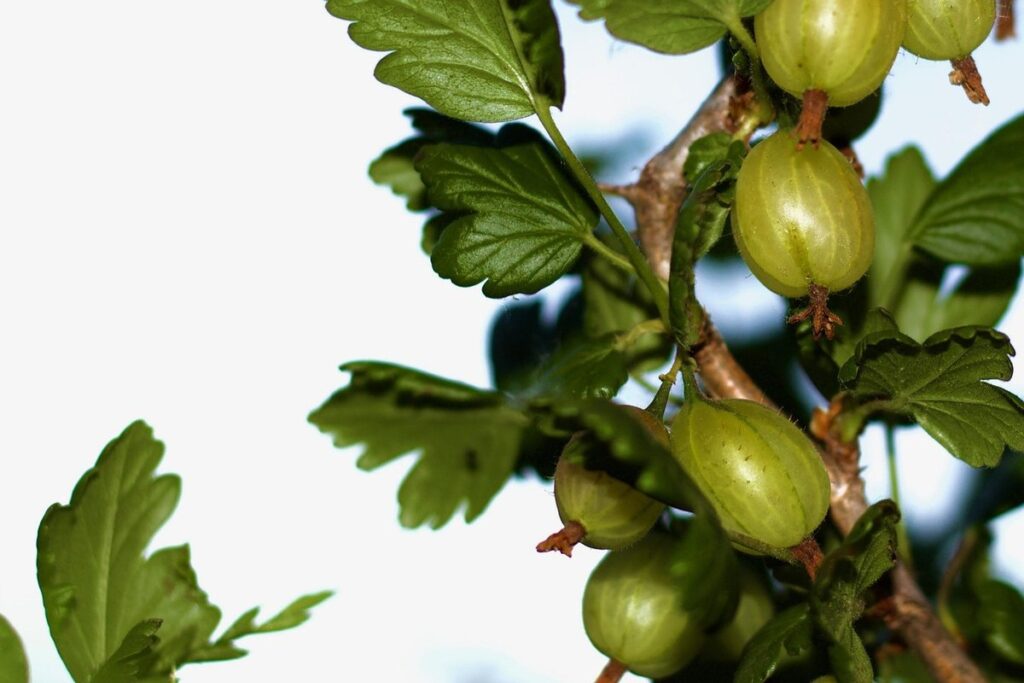
Gooseberries come in several varieties as well, including Hinnomaki Red, Invicta, and Pixwell. They’re known for their tart flavor and firm texture. When choosing between these types, consider your personal preferences, climate, and available space. For instance, if you live in an area with limited sunlight, black currants might be a better choice due to their ability to thrive in partial shade.
When selecting a variety, also think about the intended use of the fruit – for eating fresh, baking, or making jams.
Selecting a Suitable Gooseberry Variety for Your Climate
When selecting a gooseberry variety for your garden, it’s essential to consider several factors. First and foremost, think about your climate. Gooseberries are typically hardy in USDA zones 3-8, but some varieties can tolerate warmer or cooler temperatures. For example, the ‘Hinnomaki Red’ variety is suitable for warmer climates, while ‘Poorman’ is more tolerant of cold temperatures.
Next, consider the soil type and pH level in your garden. Gooseberries prefer well-drained, slightly acidic soils with a pH between 5.5-6.5. If your soil is heavy clay or alkaline, you may need to amend it before planting.
Finally, think about the characteristics of the fruit you want to grow. Do you prefer sweet and tart berries or larger, more robust ones? Some popular varieties include ‘Invicta’, known for its large, sweet fruit, while ‘Hinnomaki Red’ produces smaller but sweeter berries.
It’s also worth noting that many modern gooseberry varieties are disease-resistant, making them a great choice for gardeners who struggle with pests and diseases. Be sure to research the specific needs of each variety before making your final selection.
Planting and Soil Preparation
To successfully grow currants and gooseberries, proper planting and soil preparation are crucial steps that must be taken before your bushes start producing delicious fruit. Let’s dive into these essential details.
Preparing the Soil for Currant and Gooseberry Plants
When it comes to preparing the soil for currant and gooseberry plants, getting it just right is crucial. These shrubs thrive in well-draining, fertile soils with a slightly acidic pH level, ranging from 5.5 to 6.5. If your soil’s pH is too high or low, you’ll need to take steps to adjust it.
To check the pH level of your soil, you can purchase a DIY testing kit or send a sample to a lab for analysis. Based on the results, you may need to add elemental sulfur to lower the pH or lime to raise it. In terms of nutrient requirements, currants and gooseberries love rich soils with adequate nitrogen, phosphorus, and potassium levels.
To improve soil quality, incorporate 2-3 inches of compost or well-rotted manure into the top 6-8 inches of soil before planting. You can also add a balanced fertilizer according to package instructions. If your soil is heavy clay or sandy, consider mixing in some organic matter like peat moss or perlite to improve drainage and structure. By getting your soil just right, you’ll be giving your currant and gooseberry plants the best chance at success.
Planting Methods: Bare-Root vs. Potted Plants
When it comes to planting currant and gooseberry bushes, you have two main options: bare-root and potted plants. While both methods can be effective, they offer distinct advantages that can impact the health and productivity of your fruiting shrubs.
Bare-root plants are typically more cost-effective and easier to handle than potted ones. They’re also often available from nurseries in early spring or fall, when their dormant period allows for easier transportation. To plant bare-root currants and gooseberries, dig a shallow hole twice as wide as the roots, gently spread out the roots, and backfill with soil. This method encourages quick root establishment, which is essential for healthy growth.
Potted plants, on the other hand, have an established root system and can be planted at any time of year, provided the weather isn’t too extreme. However, they may require more initial watering to settle in. In terms of growth rates, bare-root plants tend to establish themselves faster, but potted plants often produce fruit sooner due to their head start on development. It’s essential to choose a reputable nursery and follow proper planting techniques for either method to ensure the health and success of your currant and gooseberry bushes.
Watering and Mulching
When it comes to keeping your currant and gooseberry plants healthy, proper watering and mulching techniques are crucial. This section will walk you through how to water and mulch effectively for optimal fruit production.
Irrigation Requirements for Currants and Gooseberries
When it comes to watering currant and gooseberry plants, getting it just right is crucial. These shrubs are relatively drought-tolerant, but consistent moisture levels promote healthy growth and fruit production. So, how do you determine when they need water? Check the soil by inserting your finger into it up to the first knuckle; if the soil feels dry, it’s time to water.
Aim for about 1-2 inches of water per week, either from rainfall or irrigation. You can also use a moisture meter to get an accurate reading. Avoid overwatering, as this can lead to root rot and other problems. A good rule of thumb is to water deeply but infrequently, encouraging deep root growth rather than shallow roots that sit in soggy soil.
For newly planted currant and gooseberry shrubs, keep the soil consistently moist during their first year. Once established, they’ll require less frequent watering, especially if you’re providing regular mulch to retain moisture and suppress weeds.
Benefits of Mulching Around Currant and Gooseberry Plants
Mulching around currant and gooseberry plants has numerous benefits that can significantly impact their growth and productivity. One of the primary advantages is soil temperature regulation. Mulch helps to maintain a stable temperature, which is crucial for these sensitive plants. A 2-inch layer of organic mulch can keep the soil 10-15°F cooler in summer and warmer in winter, promoting healthy root development.
Mulch also aids in moisture retention by reducing evaporation and preventing water from seeping into the surrounding soil. This means you’ll need to water your currants and gooseberries less frequently, which can help prevent overwatering-related problems like fungal diseases. To maximize these benefits, apply a 2-3 inch layer of organic mulch around the base of each plant, keeping it a few inches away from the stem.
Mulch also suppresses weeds by blocking light and preventing them from germinating. This reduces competition for nutrients and water, allowing your currant and gooseberry plants to thrive. Consider using wood chips or bark shavings as they are durable and long-lasting, requiring minimal maintenance. Regularly replenishing the mulch layer will ensure it remains effective in providing these benefits throughout the growing season.
Pruning and Training
Now that you’ve got a thriving currant or gooseberry bush, it’s time to think about pruning and training to maintain its health and encourage future fruiting. Pruning techniques will help control the plant’s shape.
Pruning Techniques for Currant and Gooseberry Plants
Pruning is an essential part of currant and gooseberry care, as it helps promote healthy growth, encourages fruiting branches, and maintains the desired shape. To prune these plants effectively, start by removing dead wood – any branches that are damaged or diseased can harbor pests and diseases that spread to other parts of the plant.
When pruning to promote fruiting, focus on reducing the number of shoots while leaving a few strong ones to grow and produce fruit. Cut back around 10-15% of the previous year’s growth in late winter or early spring, making clean cuts just above a bud eye. This will help direct energy towards producing new shoots.
For currants, prune more severely than gooseberries, cutting branches back to within 30cm (12 inches) of the base. For gooseberries, prune less aggressively, focusing on maintaining an open center and allowing some older wood to remain. Remember to sanitize your pruning tools between cuts to prevent spreading disease. With regular pruning, you’ll be rewarded with healthy, productive currant and gooseberry plants that thrive in their growing conditions.
Training Systems for Currant and Gooseberry Plants
When it comes to training currant and gooseberry plants, there are several methods to choose from, each with its own set of advantages and limitations. One popular method is the cordon system, where the plant is trained along a trellis or arbor. This system allows for maximum sunlight exposure, making it ideal for currants and gooseberries that require plenty of light.
Another option is espalier training, which involves training the plant to grow in a flat plane against a wall or fence. This method is great for small spaces and can add visual interest to your garden. However, it may require more maintenance than other methods.
For those looking for a low-maintenance option, a single stem or standard system can be used. This involves removing lower branches and allowing the plant to grow as a central leader. While this method can be easy on the plant, it may not make the most efficient use of space.
Regardless of which training system you choose, it’s essential to start training your currant and gooseberry plants when they’re young, around 6-12 inches tall. This will help them develop a strong structure that will support their growth for years to come.
Pest and Disease Management
Effective pest and disease management is crucial for healthy currant and gooseberry growth, so let’s discuss common issues and prevention strategies you can implement.
Common Pests Affecting Currants and Gooseberries
Currants and gooseberries are susceptible to various pests that can cause significant damage to the plants. Some of the most common pests affecting these plants include insects like aphids, whiteflies, and spider mites. Aphids, in particular, can be a major problem for currant and gooseberry growers, as they feed on plant sap and secrete sticky honeydew, which can attract other pests.
Another pest to watch out for is the currant borer (Synanthedon tipuliformis), a moth that lays its eggs in the stems of the plants. When the larvae hatch, they bore into the stem, causing damage and potentially killing the plant. To manage these pests, it’s essential to keep an eye on your plants regularly for signs of infestation. Use neem oil or insecticidal soap to control aphid populations, and hand-pick whiteflies and spider mites.
Regular pruning can also help reduce the risk of pest infestations by removing any damaged or infested areas of the plant. Additionally, maintaining a healthy and balanced ecosystem around your plants, including using companion planting techniques, can help deter pests naturally.
Managing Diseases in Currant and Gooseberry Plants
Managing diseases is a crucial aspect of growing currant and gooseberry plants. Powdery mildew, botrytis, and leaf spot are common issues that can significantly impact yields. To prevent these diseases, maintain good sanitation practices such as disposing of infected leaves or fruit, and ensure proper air circulation around the plants.
Fungicides can also be used to control outbreaks. However, it’s essential to use them judiciously and follow label instructions carefully. Overuse of fungicides can lead to the development of resistant strains, making future treatments less effective.
Resistance breeding is another approach that involves selecting varieties with built-in resistance to specific diseases. This method has proven successful in some cases, but it may not be a complete solution for all disease issues.
To further reduce disease risk, consider incorporating beneficial microorganisms into your soil. These microbes can help break down pathogens and create a healthier growing environment.
Monitor your plants regularly for signs of disease and take prompt action to prevent small problems from escalating into larger issues.
Frequently Asked Questions
Can I grow currants and gooseberries in containers?
Yes, you can grow currants and gooseberries in containers, but make sure the container is at least 12-18 inches deep to accommodate their extensive root systems. Use a well-draining potting mix and ensure the container has good drainage holes to prevent waterlogged soil.
How do I protect my currant and gooseberry plants from extreme weather conditions?
To protect your currant and gooseberry plants from extreme weather conditions, use mulch or straw to cover the base of the plant. You can also provide windbreaks using trees or shrubs to block harsh winds. Additionally, prune any weak or damaged branches to prevent further damage.
Can I grow multiple types of currants and gooseberries together?
Yes, you can grow multiple types of currants and gooseberries together in a single bed, but make sure they have different pollinators (such as bees) for cross-pollination. Also, keep in mind that some varieties may require more space than others, so plant them accordingly.
What are the most common pests affecting currant and gooseberry plants?
The most common pests affecting currant and gooseberry plants include aphids, currant sawfly, and birds. Use neem oil or insecticidal soap to control aphid infestations, and hand-pick sawflies. Cover your plants with netting or row covers to prevent bird damage.
Can I grow currants and gooseberries in a greenhouse?
Yes, you can grow currants and gooseberry plants in a greenhouse, where they will receive optimal temperature and humidity conditions for growth. Provide adequate ventilation and shading to prevent scorching of the leaves, and ensure good air circulation around the plants.