
Pruning can be intimidating, especially if you’re new to gardening. You want to help your plants thrive, but making cuts in the wrong place or at the wrong time can do more harm than good. Timing, tools, and techniques are crucial when it comes to pruning, and getting them right is essential for a healthy and beautiful garden. But what happens when we get it wrong? Common pruning mistakes can lead to damaged plants, reduced growth, and even disease – all of which can be avoided with the right knowledge. In this comprehensive guide, we’ll explore the most common pruning errors and provide expert advice on how to prune like a pro. Whether you’re a seasoned gardener or just starting out, this article will help you learn the skills to confidently prune your way to a stunning garden.
Understanding Pruning Fundamentals
Pruning is a delicate art, and getting it wrong can be damaging for your plants. In this next part, we’ll explore the fundamental principles that will help you avoid common mistakes.
The Importance of Pruning
Pruning is an essential aspect of plant maintenance that’s often misunderstood. When done correctly, pruning can boost plant health, encourage new growth, and even increase yields. But why is pruning so crucial? For one, it allows for air circulation around the plant, reducing the risk of disease and pests from taking hold.
Proper pruning techniques also help maintain a plant’s overall appearance by removing dead or diseased wood, which can otherwise detract from its beauty. It’s not just about aesthetics – pruning also promotes healthy growth patterns by removing any weak or damaged branches that could become entry points for diseases.
The benefits of pruning are undeniable: increased fruit production, improved flowering, and a reduced need for pesticides and fungicides. In fact, studies have shown that well-pruned plants can experience up to 50% increases in yield compared to unpruned counterparts.
Types of Pruning
When it comes to pruning, it’s essential to understand the different types of pruning and their purposes. By knowing which type of pruning is right for your plant, you can avoid common mistakes that can cause damage.
Topiary pruning involves cutting plants into decorative shapes or forms, typically used for ornamental purposes. This type of pruning requires regular maintenance to maintain the desired shape and size. For example, topiaries are often used in Japanese gardens where they are pruned regularly to create intricate designs. When performing topiary pruning, make sure to use sharp tools and prune during the plant’s dormant season to minimize stress.
Rejuvenation pruning is used to restore overgrown or neglected plants back to health. This type of pruning involves removing old growth, cutting back branches, and reducing the overall size of the plant. Renewal pruning is a more gentle approach that focuses on promoting new growth by cutting back branches while leaving some foliage intact. By understanding these different types of pruning, you can tackle pruning tasks with confidence and avoid causing unnecessary stress to your plants.
In practice, it’s crucial to identify which type of pruning your plant needs before starting the task. Some plants may require a combination of these types of pruning, so take the time to assess their specific needs. This will help you avoid common mistakes like over-pruning or under-pruning, which can lead to damage and stress for your plants.
Understanding the different types of pruning also helps you develop a more effective maintenance schedule. For instance, if you have topiary pruned regularly, it may require more frequent watering and fertilization. Similarly, rejuvenation pruning might necessitate regular monitoring of pest and disease issues. By knowing what type of pruning is right for your plant, you can tailor your care routine to meet its specific needs.
Incorrect Timing: When to Prune
Pruning at the wrong time can be just as damaging as pruning too much or too little, so let’s explore the timing mistakes to avoid. When should you never prune your plants?
Spring Pruning Mistakes
When you prune your plants during spring, it’s essential to be aware of the potential risks involved. Pruning too early can stimulate new growth that may not have time to harden off before the last frost of the season hits. This can leave your plants vulnerable to damage from cold temperatures, hail, or even worse – death.
Consider this: if you prune a flowering shrub in late winter or early spring, it will produce new buds and leaves quickly. However, these tender shoots won’t have developed enough resistance to withstand potential frost events. As a result, the plant may suffer significant damage or even die back entirely.
To avoid this common mistake, delay pruning until after the last expected frost date for your area. This allows the new growth to develop some level of hardiness before being exposed to harsh weather conditions. By doing so, you’ll give your plants a better chance at thriving and reduce the risk of winter damage.
Autumn Pruning Errors
Pruning at the wrong time can be detrimental to your plants’ health. Autumn pruning is often thought to be a good idea, but it’s essential to consider which plants will actually benefit from this practice. Some deciduous trees and shrubs thrive when pruned during autumn, as it allows them to heal before winter dormancy sets in.
However, many evergreen plants and flowers may suffer from autumn pruning, as they’re preparing for the cold months ahead. Pruning these types of plants too early can cause new growth to emerge just before winter, leaving them vulnerable to damage from harsh weather conditions.
For example, evergreen shrubs like boxwood and holly typically don’t require pruning during autumn, as it can lead to excessive new growth that may not have time to harden off before winter. Similarly, flowers like roses and perennials often bloom in the spring or summer, so pruning them in autumn can remove buds that would have produced blooms come spring.
To avoid making this common mistake, research specific pruning needs for your plant species and prune accordingly.
Wrong Tools: Choosing the Right Equipment
Using the wrong tools can exacerbate pruning mistakes, so it’s essential to choose equipment that suits your plants’ specific needs and your own skill level. Let’s discuss some common culprits.
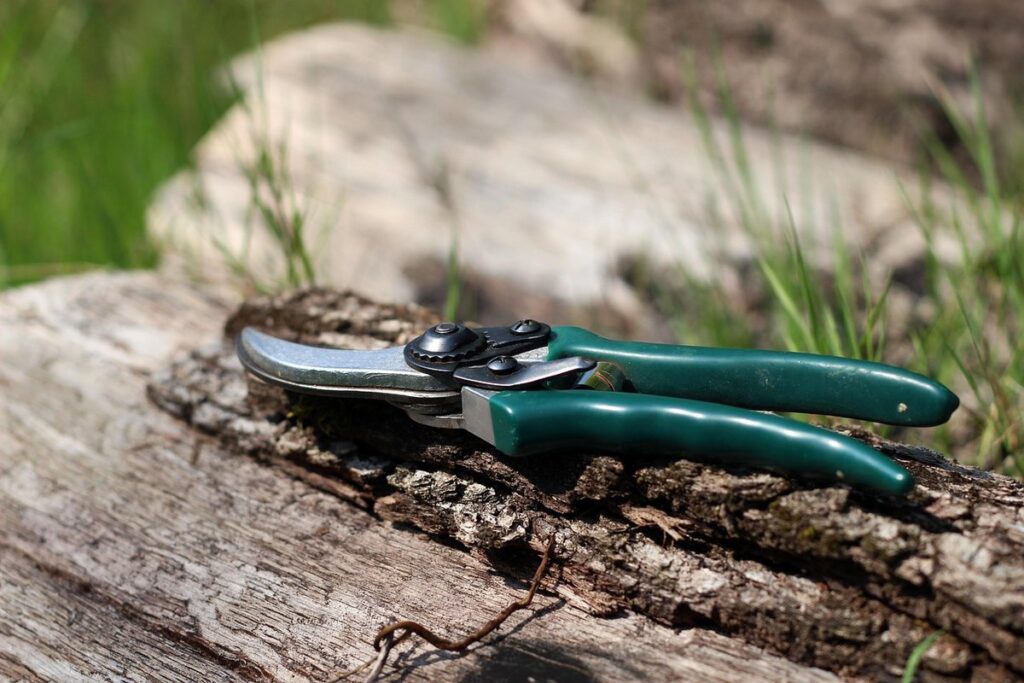
Dull or Damaged Tools
Using dull or damaged pruning tools can lead to incorrect cuts, which may damage plant tissue and hinder healing. This is a common mistake many gardeners make, but it’s easily avoidable with proper maintenance and care of your equipment.
To maintain your pruning tools, start by cleaning them after each use. Use a soft brush to remove any debris or sap that might have accumulated on the blades. For more stubborn stains, mix equal parts water and white vinegar in a bowl, and soak the tool for about 30 minutes. Rinse thoroughly with clean water and dry with a soft cloth.
It’s also essential to sharpen your pruning tools regularly. Dull blades can cause tearing or crushing of plant tissue, which can lead to disease or pest issues down the line. Use a whetstone or a file to hone your blades, and practice sharpening on scrap wood before working on actual plants. By keeping your equipment in good condition, you’ll be able to make clean cuts that promote healthy growth and healing.
Insufficient Support
When pruning plants, it’s easy to overlook one of the most crucial aspects: providing sufficient support. This oversight can lead to branches snapping off under their own weight, creating an unsightly mess and potentially injuring you in the process.
Think of a tree branch like a long, thin table leg – it needs something sturdy to lean against or it’ll topple over. When pruning, use plant ties, stakes, or other supports to keep branches upright and stable. This is especially important for top-heavy plants or those with heavy fruit or flower clusters.
For example, when pruning rose bushes, which can grow quite top-heavy, use soft tie wraps around the stems to hold them in place. This prevents accidental breakage and keeps your plant healthy. Similarly, if you’re pruning a young sapling, a sturdy stake will help it stay upright as it grows into its new shape.
Remember, proper support is essential for maintaining your plants’ structural integrity during pruning. By taking this simple precaution, you’ll avoid costly repairs, minimize damage, and enjoy healthier, more resilient plants in the long run.
Over-Pruning: The Dangers of Removing Too Much
Removing too much foliage can be just as damaging as not pruning at all, which is why it’s essential to understand when to stop and what to avoid. Let’s take a closer look at the dangers of over-pruning.
Removing Too Many Branches
When you prune too many branches from a plant, it can have severe consequences. The removal of excessive foliage and growth can shock the tree or shrub, causing stress that makes it more vulnerable to disease and pests. This is because pruning stimulates new growth, but if done excessively, it can deplete the plant’s energy reserves.
A stressed plant may struggle to recover from over-pruning, making it an ideal target for diseases like fungal infections, root rot, and leaf spot. Pests such as aphids, whiteflies, and spider mites are also drawn to weakened plants. For example, a study by the University of California found that pruning apple trees too heavily can lead to increased susceptibility to fire blight.
To avoid over-pruning, prune only what is necessary, removing dead, diseased, or damaged branches. Leave at least one-third of the plant’s foliage intact to maintain its natural defense mechanisms. Additionally, prune in moderation, as needed, rather than doing a large-scale pruning job all at once. By being mindful of your pruning habits and taking it easy on your plants, you can prevent over-pruning damage and keep your garden healthy and thriving.
Failing to Leave Growth Points
Removing growth points or buds during pruning can have serious consequences on a plant’s overall health and productivity. When you prune away too many growth points, you’re essentially removing the plant’s ability to produce new growth and energy. This can lead to reduced vigor, weaker stems, and decreased yields.
Imagine cutting back your favorite rose bush by half, removing all the buds that would eventually bloom into beautiful flowers. Not only will this reduce the number of blooms, but it’ll also stunt the plant’s growth for the rest of the season. In fact, studies have shown that over-pruning can reduce plant yields by as much as 30-40%.
To avoid making this common pruning mistake, make sure to preserve at least a few growth points on each stem. This will allow your plant to continue producing new growth and energy throughout the growing season. When in doubt, it’s always better to err on the side of caution and leave more rather than less. By being mindful of this crucial aspect of pruning, you’ll be able to keep your plants healthy, vigorous, and productive for years to come.
Inadequate Training: Providing Support for Young Plants
When young plants are not properly trained, they can become vulnerable to damage and disease. Let’s take a closer look at how inadequate training affects your plant’s overall health.
Insufficient Staking
When young plants are not adequately supported with staking, they may suffer from wind damage, rain-induced toppling, or even root damage due to poor soil structure. Proper staking is essential for these delicate seedlings, as it helps maintain their upright growth and prevents potential damage.
To understand the importance of proper staking techniques, consider this: a study found that staked plants experience significantly lower plant mortality rates compared to un-staked ones (1). For instance, during heavy rainfall events, staked plants are less likely to be knocked over, whereas un-staked plants may suffer root damage or even die.
To implement effective staking for your young plants:
* Use sturdy stakes that are at least 2-3 times taller than the plant itself.
* Tie the stake gently but firmly using soft materials like twine or cloth strips.
* Avoid over-tightening, as this can cause damage to the stem or even lead to girdling (when the bark is damaged).
* Consider staking during transplanting, rather than waiting for the seedlings to get established.
Proper staking not only supports plant growth but also minimizes stress caused by environmental factors.
Incorrect Pruning Techniques
When training young plants, it’s easy to get caught up in the excitement of shaping their growth and form. However, using incorrect pruning techniques can have severe consequences for the health and development of your plants. One common mistake is topping or lopping off branches at random heights, which can lead to weak and unbalanced growth patterns.
Another issue is over-pruning, where too much tissue is removed from the plant, causing stress and potentially killing it. This can be particularly damaging when done on young plants that are still developing their root systems.
To avoid these mistakes, focus on making clean cuts just above a bud or a node, using sharp tools to minimize damage. Avoid cutting more than one-third of the branch in a single pruning session, as this can shock the plant and make it more vulnerable to disease.
Additionally, be mindful of the time of year you prune – for most plants, spring is the best time for pruning, as new growth begins. By being intentional and thoughtful with your pruning techniques, you can promote healthy growth and development in your young plants.
Environmental Factors: Considering Climate and Weather Conditions
When pruning, it’s essential to consider how climate and weather conditions can affect your plants’ health, as extreme temperatures and weather patterns can impact their recovery from pruning cuts. This includes understanding when to prune for optimal results.
Pruning in Extreme Weather
Pruning during extreme weather conditions can be hazardous for both plants and gardeners. Intense heat or cold can cause damage to plant tissues, making them more susceptible to disease and pests. In such situations, pruning can exacerbate the situation, leading to further stress on the plant.
Consider this: a sudden frost in early spring can kill newly budded branches of fruit trees or shrubs, leaving them vulnerable to fungal infections. Pruning these damaged areas during the cold weather may cause more harm than good, spreading disease and encouraging pests to feed on weakened tissues.
When pruning during extreme weather, it’s essential to prioritize caution. Avoid making major cuts that can stress plants further. Instead, delay pruning until milder conditions return. If pruning is unavoidable, make minor cuts only, taking care not to spread disease or create entry points for pests. Always keep a watchful eye on your garden and be prepared to adjust your pruning schedule accordingly.
Failing to Adapt to Seasonal Changes
Pruning techniques must be adjusted according to seasonal changes to ensure optimal plant growth. When spring arrives, plants often require more aggressive pruning to remove dead winter damage and promote new growth. Conversely, during the summer months, pruning should be less frequent to avoid stressing plants that are already under heat stress.
In the fall, pruning can help protect plants from winter damage by removing weak or diseased branches. However, it’s essential not to prune too late in the season, as this can stimulate new growth that may not have time to harden off before frost. Winter pruning is generally minimal, as many plants are dormant and prone to dieback.
To adapt your pruning practices according to seasonal changes, consider the following:
* Prune deciduous trees in late winter or early spring, while they’re still dormant.
* Remove dead or damaged branches from evergreen shrubs during the fall or early winter.
* Avoid pruning perennials during their active growth periods, typically during peak summer months.
* Be mindful of the specific needs of your plant species and adjust your pruning schedule accordingly.
Conclusion
Now that we’ve walked through the common pruning mistakes to avoid, let’s summarize what you can do instead to keep your plants healthy and thriving. Here are the key takeaways from our discussion.
Recap of Key Takeaways
In reviewing the common pruning mistakes discussed throughout this article, it’s clear that avoiding these errors is crucial to maintaining healthy and thriving plants. One of the most critical takeaways is the importance of proper timing: pruning at the wrong time can lead to disease, pest issues, or even plant death.
Another key point is the need for selecting the right tools for the job – using dull or dirty pruners can cause more harm than good. It’s also essential to understand that over-pruning can be just as detrimental as under-pruning, leading to stress and potentially killing your plants.
To recap, some of the most common pruning mistakes include:
* Pruning at the wrong time
* Using improper or inadequate equipment
* Removing too much plant material
* Failing to consider the plant’s overall structure and growth pattern
To avoid these errors, it’s essential to do your research, understand the specific needs of your plants, and practice caution when pruning. By being mindful of these common mistakes, you’ll be well on your way to becoming a skilled pruner and enjoying a lush, thriving garden for years to come.
Final Tips for Effective Pruning
As you continue to refine your pruning skills, keep these final tips in mind to ensure your plants receive the care they need. First and foremost, don’t forget to prune at the right time for your specific plant type. This will help prevent shock and promote healthy growth.
Before making any cuts, inspect your tools regularly to maintain their sharpness. Dull blades can cause more damage than a clean cut, leading to weakened plants and increased disease susceptibility. Use clean, sanitized equipment when pruning plants with leaf spot or other fungal infections to prevent the spread of disease.
Regularly prune dead, diseased, or damaged branches to encourage healthy growth and prevent pest infestations. This will also improve air circulation and sunlight penetration within your garden beds. By implementing these final tips, you’ll be well on your way to becoming a pruning pro and enjoying a lush, thriving garden all season long.
Take advantage of the dormant seasons for strategic pruning, which can stimulate new growth come springtime. Be cautious not to over-prune, as this can lead to significant stress for your plants. Remember, regular maintenance is key to developing strong, resilient plants that will reward you with years of beauty and enjoyment.
Frequently Asked Questions
Can I start pruning immediately after reading this guide, or do I need to gain more experience first?
Yes, it’s completely fine to start pruning your plants with the knowledge gained from this guide. The key is to apply the principles and techniques consistently and patiently. As you practice, you’ll become more comfortable with different types of plants and their specific needs.
What if I accidentally prune a healthy branch? Can I still grow new growth?
Yes, most plants have the ability to regrow lost branches through lateral buds or by producing new shoots from the base of the plant. However, it’s essential to identify why you pruned the wrong part in the first place, so you can correct your techniques and avoid similar mistakes in the future.
How do I know if I’m over-pruning my plants? Are there any signs to look out for?
Over-pruning is one of the most common mistakes gardeners make. Signs include stunted growth, reduced yields, or even plant death. Look for these indicators: bare spots on trees, weak and spindly branches, or an overall lack of new growth. Adjust your pruning schedule accordingly to avoid causing more harm.
Can I use the same pruning techniques for both deciduous and evergreen plants?
No, different types of plants require tailored approaches to pruning. Deciduous plants typically need more extensive pruning in spring or early summer, whereas evergreens should be pruned at specific times of the year when they’re dormant or during periods of reduced growth.
What if I live in an area with extreme weather conditions? How do I adapt my pruning schedule accordingly?
Adapting to seasonal changes is crucial for successful pruning. In areas with harsh winters or scorching summers, prune trees and shrubs during milder seasons when possible. Avoid pruning when plants are stressed by drought, heat, or frost, as this can exacerbate damage and reduce recovery time. Consider pruning damaged or diseased branches immediately to prevent further harm.