
Are you tired of the same old high-maintenance garden routine? Do you want to create a beautiful space that requires less water, care, and attention while still thriving with life and color all year round? A native meadow garden is just what you need! By incorporating local plants and flowers into your outdoor space, you’re not only reducing your environmental footprint but also providing a vital habitat for native wildlife. In this article, we’ll show you how to create a stunning low-maintenance native meadow garden that’s perfect for beginners and seasoned gardeners alike. We’ll cover the essentials of choosing the right plants, designing your space, and maintenance tips so you can enjoy the beauty and benefits of your very own native meadow garden.
Understanding the Concept of Native Meadowns
To create a thriving native meadow garden, it’s essential to grasp the concept of native meadows and their unique characteristics. Let’s dive into what makes these ecosystems so special.
What is a Native Meadow?
A native meadow is a natural ecosystem that’s composed of local plants and grasses, carefully selected to thrive in their specific region. These areas provide essential habitat for the local wildlife, offering food, shelter, and breeding grounds. By planting a native meadow in your garden, you’re essentially creating a miniature version of these ecosystems.
Native meadows conserve water by using drought-tolerant plants that require minimal irrigation. This is particularly beneficial during periods of low rainfall or hot summers when other gardens may struggle to survive. In addition, native meadows help filter rainwater and prevent erosion, further reducing the need for external maintenance.
In terms of aesthetics, native meadows offer a beautiful display of colors throughout the seasons. They can be designed to provide year-round interest with blooming flowers in spring and summer, seed heads in fall, and structure from evergreen grasses during winter. By incorporating native plants into your garden design, you’ll also create a natural haven for local pollinators like bees and butterflies.
Benefits of Native Meadows in Your Yard
Having a native meadow garden in your yard can bring numerous benefits that go beyond just its natural beauty. For one, native meadows require significantly less maintenance compared to traditional lawns. They don’t need regular mowing, watering, or fertilizing, making them an ideal choice for busy homeowners or those who want to reduce their environmental footprint.
Native meadows also support increased biodiversity by attracting a variety of pollinators, such as bees and butterflies, which are essential for plant reproduction. In fact, studies have shown that native plants can provide up to 10 times more food for these pollinators compared to non-native species. By incorporating native wildflowers into your garden, you’ll not only be creating a haven for local wildlife but also contributing to the preservation of ecosystem services.
In addition to reduced maintenance and increased biodiversity, native meadows also promote soil health by allowing native plants to naturally regulate soil pH and retain moisture. This results in healthier soil that’s better equipped to support plant growth, reducing the need for fertilizers and other chemicals.
Choosing the Right Plants for Your Meadow
When it comes to planting a native meadow garden, selecting the right plants is crucial. Let’s explore the factors to consider when choosing species that thrive in your specific climate and conditions.
Selecting Native Grasses and Wildflowers
When selecting native grasses and wildflowers for your meadow garden, it’s essential to consider several key factors. First and foremost, think about the climate in your region. Different species of plants have varying levels of tolerance for heat, cold, and moisture, so choose those that are well-suited to your local weather patterns.
Next, take into account the soil type and quality in your meadow. Some native grasses and wildflowers prefer rich, fertile soils, while others can thrive in poorer conditions. Make sure to research which species will perform best on your specific soil type.
Sunlight requirements are also crucial when selecting plants for your meadow. Determine how much direct sunlight your area receives, as some plants require full sun, while others can tolerate partial shade or even full shade. For example, coneflowers and black-eyed Susans love basking in the sun’s warmth, but plants like bee balm and wild geranium prefer shadier conditions.
Consider visiting a local nursery or botanical garden to get a firsthand look at native grasses and wildflowers thriving in your area. This will give you a chance to see which species are most likely to succeed in your meadow garden.
Incorporating Perennials and Bulbs
When it comes to creating a thriving native meadow garden, incorporating perennials and bulbs is crucial for attracting pollinators and providing year-round interest. Perennials are low-maintenance plants that come back year after year, requiring minimal watering and fertilization. They’re perfect for native meadows because they’re adapted to the local climate and soil conditions.
Consider adding drought-tolerant perennials like coneflower (Echinacea spp.), black-eyed Susan (Rudbeckia hirta), or bee balm (Monarda didyma) to your meadow. These plants are not only beautiful but also attract pollinators like bees, butterflies, and hummingbirds.
Bulbs, on the other hand, provide a burst of color in the spring and can naturalize over time. Plant species like native wild garlic (Allium canadense), bluebells (Mertensia virginica), or trillium (Trillium spp.) to add visual interest to your meadow.
When selecting perennials and bulbs, remember to choose plants that are suitable for your region’s climate and soil type. This will ensure they thrive in their new home and require minimal maintenance. By incorporating these drought-tolerant options, you’ll create a vibrant and resilient native meadow garden that attracts pollinators and provides year-round interest.
Designing Your Native Meadow Garden
Now that you’ve chosen your native plants, it’s time to think about how to arrange them for a beautiful and thriving meadow garden. Let’s dive into designing the perfect layout for your space.
Planning for Succession Planting
Planning for succession planting is crucial to maintaining a vibrant and dynamic native meadow garden throughout the growing season. By incorporating a mix of annuals and perennials with staggered bloom times, you’ll create a visually appealing landscape that attracts pollinators and other wildlife from spring through fall.
Consider dividing your native meadow into sections or “waves” of blooming plants. For example, use early-blooming perennials like lupines or wild irises in the spring, followed by mid-season bloomers such as coneflowers or black-eyed susans. Finish off the season with late-summer bloomers like goldenrod or asters.
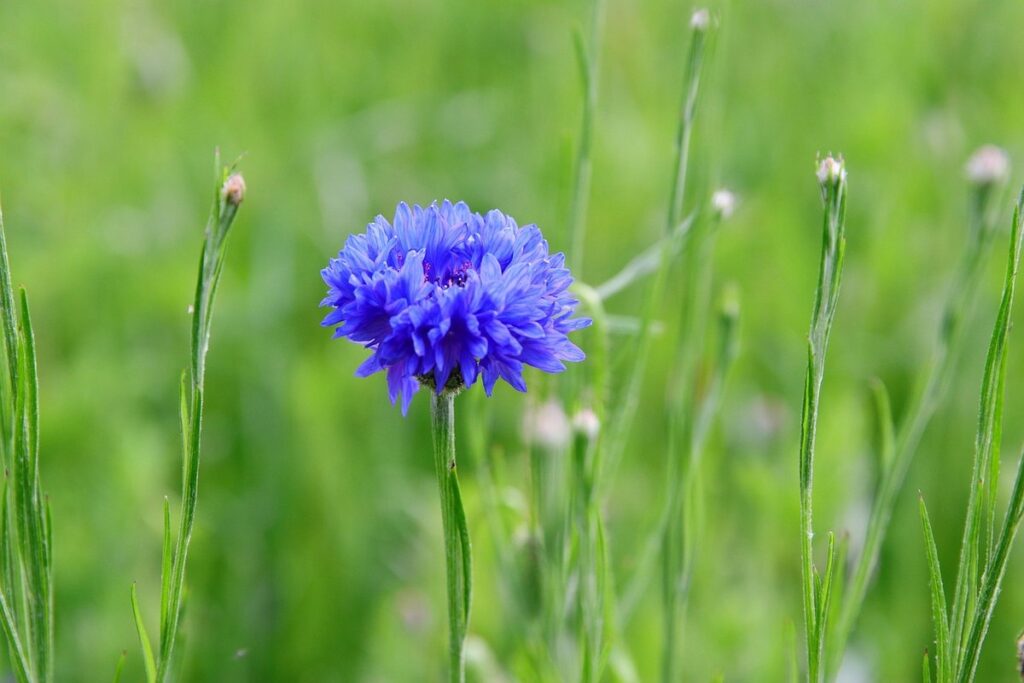
This staggered approach ensures that there’s always something in bloom, providing a constant source of nectar and pollen for pollinators. Annuals like cornflower or cosmos can be added to fill gaps between perennials and provide an extra burst of color. By carefully selecting plants with varying bloom times, you’ll create a thriving and diverse native meadow garden that remains vibrant from spring through fall.
Incorporating Water Features and Hardscaping
Incorporating water features and hardscaping into your native meadow garden can add an extra layer of depth and interest to this beautiful landscape. A pond, for instance, can provide a tranquil oasis amidst the lush wildflowers and grasses, while also serving as a habitat for local wildlife such as birds, frogs, and dragonflies.
When designing a water feature, consider using native plants that are adapted to thrive in wet conditions, such as cattails or irises. Avoid introducing non-native species that may outcompete the native vegetation. For pathways, opt for materials like decomposed granite, gravel, or sand, which allow for good drainage and don’t disrupt the natural ecosystem.
Incorporating hardscaping elements, such as benches or rock walls, can also enhance the overall aesthetic of your meadow garden while providing a place to sit and take in the scenery. Use locally sourced materials whenever possible, as this will minimize the environmental impact of your design choices. By thoughtfully incorporating water features and hardscaping into your native meadow garden, you can create a unique and inviting space that showcases the beauty of nature.
Preparing Your Soil for Native Plants
Before you start planting, it’s essential to prepare your soil for native plants. This means removing invasive species and loosening compacted earth to create a welcoming environment for native meadow flowers to thrive.
Understanding Soil Requirements
When it comes to growing native plants, understanding their specific soil requirements is crucial for a thriving meadow garden. Most native plants prefer well-draining soils with a slightly acidic to neutral pH level, ranging from 6.0 to 7.0 on the pH scale. For example, the black-eyed Susan (Rudbeckia hirta) prefers a pH range of 6.1-7.2.
In terms of nutrient needs, native plants typically require less fertilizer than non-native species. However, they still benefit from composting and mulching to improve soil health. Composting adds organic matter, which helps retain moisture and suppress weeds. Use a mix of “green” materials like grass clippings and “brown” materials like leaves in your compost pile.
To create the right conditions for native plants, aim to achieve a balanced nutrient profile by incorporating 2-3 inches of mulch or compost into your soil. As you prepare your soil, keep in mind that over-fertilizing can harm native plants. A good rule of thumb is to start with a small amount of fertilizer and observe how the plants respond before adding more.
Removing Invasive Species and Debris
Removing invasive species and debris from your garden is an essential step in preparing it for native plants. Invasive species can outcompete native plants for resources such as water and nutrients, making it difficult for them to thrive. To remove invasive species, start by identifying the types of plants you have growing in your garden. Common invasive species include Japanese knotweed, English ivy, and purple loosestrife.
Once you’ve identified the invasive species, take steps to remove them completely. For larger areas, consider hiring a professional to safely remove the invasive plants. For smaller areas, use physical removal methods such as digging or cutting. Be sure to dispose of the removed plant material responsibly to prevent it from spreading to other areas of your garden.
Removing debris is also crucial in preparing your soil for native plants. Debris can include rocks, branches, and dead leaves that can prevent water and nutrients from reaching the roots of your plants. Clearing debris will allow you to assess the quality of your soil and make any necessary adjustments before planting native species.
Maintenance and Upkeep of Your Native Meadow
To keep your native meadow garden thriving, regular maintenance is crucial, which is why we’re sharing some essential tips for upkeep in this next part.
Establishing a Maintenance Schedule
To keep your native meadow garden thriving, it’s essential to establish a regular maintenance schedule. This will ensure that your plants receive the necessary care without compromising their natural beauty.
Start by dividing the year into four seasons: spring, summer, autumn, and winter. During each season, focus on specific tasks to maintain the health and appearance of your meadow. In spring, remove any debris or dead plant material from the previous season, and cut back perennials to about one-third of their height.
In summer, mow your meadow at least once a month to maintain its height and prevent weeds from taking over. It’s also crucial to monitor for pests like aphids and whiteflies, which can quickly spread disease. Consider introducing beneficial insects like ladybugs or lacewings to control these populations naturally.
In autumn, allow some plants to go to seed to ensure their continuation in the following year. Finally, during winter, protect your meadow from extreme weather conditions by applying a layer of mulch or straw to insulate the soil and prevent erosion. By following this maintenance schedule, you’ll be able to enjoy your thriving native meadow garden for years to come.
Encouraging Wildlife Habitat through Design
When designing your native meadow, it’s essential to consider the needs of the wildlife that will call it home. One simple yet effective way to encourage a thriving wildlife habitat is through deliberate design choices. Consider incorporating log piles or rock outcroppings into your landscape – these can become instant habitats for insects, reptiles, and amphibians.
Leaving areas of the garden untidy may seem counterintuitive, but it’s actually an excellent way to create shelter and food sources for wildlife. A patchy, overgrown section with native plants like coneflower or black-eyed Susan will attract pollinators and other beneficial insects. Even leaving a few strategically placed branches on the ground can provide shelter for small mammals and reptiles.
When designing your meadow, also think about incorporating water features – even a small birdbath or shallow dish filled with fresh water can become a vital resource for wildlife during dry spells. By intentionally incorporating these features into your native meadow design, you’ll create a haven that will attract and support local wildlife, making it an even more vibrant and thriving ecosystem.
Frequently Asked Questions
What if I have a small yard or limited space for a native meadow garden?
Don’t worry, you can still create a thriving native meadow even with a small space! Focus on selecting compact native plants and consider using raised beds or containers to make the most of your area. This will not only save space but also add visual interest to your yard.
How do I choose the right plants for my specific climate zone?
Choosing plants that are adapted to your local climate is crucial for a healthy native meadow garden. Check with your local nursery or gardening association to get a list of recommended plants for your area. You can also consult online resources like the USDA Plant Hardiness Zone Map to determine which plants will thrive in your region.
Can I use existing lawn and simply add native plants, or do I need to start from scratch?
You can definitely incorporate native plants into an existing lawn, but it’s essential to assess the condition of your soil and grass before doing so. If your lawn is heavily compacted or has invasive species, it may be better to start with a clean slate. Consider gradually transitioning to native plants over time by removing invasive species and replacing them with beneficial ones.
How do I prevent weeds from taking over my native meadow garden?
Weeds can be a nuisance in any garden, but with native meadows, they’re often an inevitable part of the ecosystem! To minimize their impact, focus on selecting plants that are more aggressive growers and will outcompete weeds. Additionally, use techniques like mulching or solarizing to suppress weed growth without harming your native plants.
What’s the best way to maintain my native meadow garden during extreme weather conditions?
Native meadows are incredibly resilient, but they still require some maintenance during extreme weather events like droughts or heavy rainfall. During dry spells, ensure you’re watering your plants deeply but infrequently to encourage deep root growth. In the event of heavy rain, use permeable mulch or allow water to percolate into the soil to prevent erosion and flooding.