
As you meticulously tend to your lush garden inside your greenhouse, have you ever stopped to think about how you’re using your space? A well-designed shelving system can make all the difference in maximizing storage and efficiency. But with so many options available, choosing the right materials and designing a functional layout can be overwhelming.
In this article, we’ll share expert tips on selecting the perfect materials for your greenhouse shelves, from durable wood to innovative metal solutions. We’ll also explore creative design ideas that will help you make the most of your space. Whether you’re looking to store seeds, tools, or even propagate plants, our innovative shelving ideas will show you how to maintain a clutter-free and organized greenhouse. By the end of this post, you’ll have all the knowledge you need to create a functional and beautiful space that lets your garden thrive.
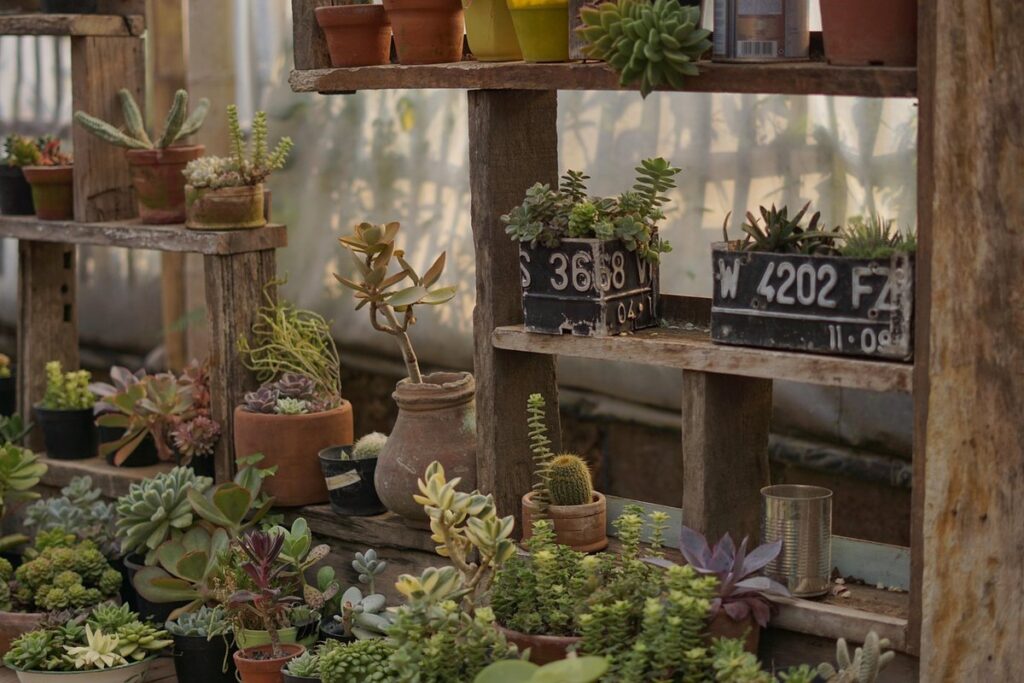
Choosing the Right Material for Greenhouse Shelves
When selecting materials for your greenhouse shelves, you’ll want to consider factors like durability, weight capacity, and resistance to moisture. The right choice will ensure a sturdy structure that supports your growing needs.
Wood vs. Metal: Weighing Durability and Aesthetics
When it comes to choosing materials for greenhouse shelves, two popular options are wood and metal. Both have their pros and cons, which we’ll weigh up to help you make an informed decision.
Wooden shelves offer a natural, rustic charm that can complement the surroundings of your greenhouse. However, they require regular maintenance to prevent warping and rotting. This includes applying a waterproof sealant and inspecting for damage regularly. If not properly maintained, wood can become brittle and prone to cracking under changing temperatures.
Metal shelves are more durable and resistant to moisture than their wooden counterparts. They’re also easier to clean and maintain, making them ideal for busy gardeners. However, metal can conduct heat, potentially harming your plants during extreme temperature fluctuations. Additionally, metal shelves may lack the aesthetic appeal of wood for some gardeners.
Consider your specific needs and preferences before deciding between wood and metal. If you prioritize durability and ease of maintenance, metal might be the better choice. But if you’re looking to add a touch of natural charm to your greenhouse, wood could be the way to go.
Considerations for Using Recycled Materials in Greenhouse Shelving
When it comes to creating a sustainable and eco-friendly greenhouse setup, repurposing materials like old pallets or reclaimed wood for shelving is an attractive option. Not only does it reduce waste, but it also adds character to the space.
One of the primary benefits of using recycled materials in greenhouse shelving is cost-effectiveness. Old pallets are often readily available and free, while reclaimed wood can be sourced at a lower price than new lumber. This not only saves money but also reduces the environmental impact associated with extracting raw materials.
However, there are some challenges to consider when working with recycled materials. For instance, old pallets may be treated with chemicals or have other contaminants that could harm your plants. Reclaimed wood, on the other hand, might require additional processing to remove any existing finishes or sealants.
To get started, thoroughly inspect the materials before use and follow proper cleaning procedures to ensure they’re safe for your greenhouse. You can also consider using eco-friendly treatments or sealants to enhance durability and longevity.
Designing Efficient Shelves for Your Greenhouse
When it comes to optimizing your greenhouse space, designing efficient shelves is crucial. We’ll walk you through how to create a perfectly functional and accessible storage system within your growing area.
Maximizing Vertical Space with Tiered Shelving
Maximizing vertical space is crucial when designing greenhouse shelving systems. One effective way to achieve this is by incorporating tiered shelves. These multi-level structures enable you to make the most of available space while keeping essentials like pots, tools, and fertilizers organized.
When planning a tiered shelving system, consider factors such as structural integrity and load capacity. Use sturdy materials for the shelves themselves, as well as the vertical supports that hold them in place. A general rule of thumb is to ensure each shelf can bear at least 20-30 pounds of weight, depending on the size and type of items stored.
For inspiration, take a look at successful implementations like the ‘Growwall’ shelving system. This design features multiple tiers with adjustable shelves that allow users to customize their layout according to specific needs. By implementing tiered shelves in your greenhouse, you can not only optimize storage but also create additional growing space for plants.
Incorporating Adjustable Shelving Systems
When it comes to maximizing space and optimizing growing conditions within your greenhouse, adjustable shelving systems are an excellent investment. These versatile solutions allow you to adapt your storage needs as your plants grow and change, ensuring that every inch of your greenhouse is utilized efficiently.
One of the primary benefits of adjustable shelving systems is their ability to accommodate a wide range of container sizes. With adjustable shelves, you can easily move plants up or down to ensure optimal growing conditions, whether it’s providing adequate light or maintaining even soil moisture levels. This flexibility also enables you to store heavy planters and equipment without compromising the structural integrity of your shelving system.
To select an adjustable shelving system for your greenhouse, consider factors such as durability, weight capacity, and ease of adjustment. Look for systems made from high-quality materials like aluminum or steel, which can support heavy loads while remaining lightweight and corrosion-resistant.
Innovative Greenhouse Shelf Designs
Take your greenhouse shelving to the next level with our innovative designs, featuring clever storage solutions and space-saving ideas that will maximize your growing area.
Ladder-Style Shelves: Space-Saving Solutions
Ladder-style shelves are a fantastic space-saving alternative to traditional shelf designs. These innovative shelving solutions can help maximize the vertical space in your greenhouse, allowing you to store more plants and grow more produce without sacrificing square footage.
Imagine a sleek, wall-mounted ladder with multiple horizontal bars, each one providing ample space for pots, seedlings, or even trellises. This design not only frees up floor space but also creates a visually appealing feature that can add to the overall aesthetic of your greenhouse.
One great example is the use of a 3-tiered ladder-style shelf in a compact greenhouse setup. By placing this shelf against a wall, you can create a seamless storage system for smaller plants and seedlings, keeping them within easy reach without cluttering the floor.
When choosing a ladder-style shelf for your greenhouse, consider factors such as material (e.g., metal, wood), durability, and adjustability to ensure it meets your specific needs. You can also repurpose an old ladder or create your own DIY design using reclaimed materials – getting creative is all part of the fun!
Modular Shelving Systems: Easy Installation and Flexibility
Modular shelving systems are an excellent choice for greenhouse enthusiasts looking to maximize their growing space efficiency. One of the primary benefits of modular shelving is its ease of installation. Unlike traditional fixed shelves that require extensive construction and anchoring, modular systems can be assembled quickly and easily. This makes them ideal for DIY projects or for those who want to make changes to their existing shelving layout without a lot of hassle.
Another advantage of modular shelving systems is their flexibility in customization. Since modules are designed to be interchangeable, you can mix and match different sizes and configurations to create the perfect arrangement for your specific needs. This means you can easily adapt to changing plant requirements or add new shelves as your collection grows. Plus, many modular systems come with adjustable brackets that allow you to fine-tune the spacing between shelves. For instance, if you’re growing tall vining plants, you can adjust the bracket to provide more space for their growth, while keeping smaller plants secure.
DIY Greenhouse Shelf Projects
Elevate your greenhouse storage game by learning how to build a functional and customizable shelf using reclaimed wood, PVC pipes, and other creative materials. We’ll share our top DIY project ideas to boost your growing space efficiency.
Upcycled Pallet Shelves: A Budget-Friendly Option
Creating upcycled pallet shelves is an excellent way to add extra storage and shelving space to your greenhouse while keeping costs low. This budget-friendly option not only reduces waste but also adds a unique touch to your growing space.
To get started, gather the following materials: disassembled pallets, wooden planks or boards, screws, a drill, and a saw. You’ll need at least two pallets for a single shelf unit, depending on their size and desired width.
Begin by disassembling the pallets into individual slats and arranging them according to your design preferences. Secure the slats together using screws, ensuring they’re evenly spaced and sturdy enough to hold planters or storage bins.
If you want to add extra support or create a more customized look, consider adding wooden planks between the pallet slats or along the edges of the shelves. This not only enhances stability but also adds visual appeal to your upcycled pallet shelves.
When choosing pallets, select those made from durable materials and in good condition to ensure longevity. With proper maintenance, your upcycled pallet shelves can last for years, providing a functional and eco-friendly solution for your greenhouse storage needs.
Custom Shelving Plans for a Perfect Fit
When it comes to creating custom shelving plans for your greenhouse, measuring and adapting to its unique space is key. Before you start designing, take precise measurements of the area where you’ll be installing the shelves. Don’t forget to note the location of doors, windows, and any obstructions that may impact your design.
Consider factors such as the type of plants you’ll be growing on the shelves, their size, and the space required for air circulation and access. Measure the height and width of each shelf, as well as the distance between them. Also, factor in any potential weight limits to ensure the structure can support heavy pots or planters.
To ensure a perfect fit, consider creating a 3D model or mockup using graph paper or software like SketchUp or Autodesk. This will allow you to visualize your design and make necessary adjustments before cutting any materials. You may also want to consult with other greenhouse enthusiasts or online forums for inspiration and advice on custom shelving plans that maximize space efficiency in your specific growing environment.
Safety Considerations for Greenhouse Shelves
When designing and maintaining your greenhouse shelves, it’s essential to consider safety features that prevent accidents and damage to your plants. We’ll walk you through key considerations to ensure a safe shelving system.
Preventing Collapse: Load Capacity and Weight Distribution
When designing or installing greenhouse shelves, it’s crucial to consider load capacity and weight distribution to prevent collapse. A collapsing shelf can not only damage your valuable plants but also compromise the structural integrity of your entire greenhouse.
To determine the required load capacity for each shelf, calculate the total weight of plants, soil, and any other items you plan to store on the shelf. As a general rule of thumb, allow at least 10-20 pounds per square foot of shelf space. For example, if you have a 4×8 foot shelf, assume it can hold 320-400 pounds in total.
Proper weight distribution is just as important as load capacity. Place heavier items towards the back and center of the shelf to maintain balance. Avoid overcrowding shelves, as this can lead to uneven weight distribution and increase the risk of collapse. By carefully considering both load capacity and weight distribution, you’ll create a stable and efficient shelving system that supports your greenhouse’s growing space needs. Regularly inspect your shelves for signs of wear or damage to ensure they continue to function safely and effectively.
Secure Fastening Methods: Avoiding Shelf Collapse
When it comes to setting up greenhouse shelves, ensuring that they are securely fastened is crucial to preventing shelf collapse and protecting your valuable plants. A poorly attached shelf can lead to a cascade of fallen pots, damaged equipment, and even injuries.
One popular method for securing shelves is using screws and brackets. You’ll want to choose heavy-duty screws that can support the weight of the shelving unit and its contents. Attach the screws directly to the greenhouse’s structural elements or use reinforced brackets to add extra stability. When placing brackets, make sure they’re evenly spaced and firmly attached to prevent uneven stress on the shelf.
For more delicate shelves or surfaces, consider using adhesive options like strong-backed strips or foam pads. These provide a gentle yet firm grip without causing damage to the surrounding surface. Always follow the manufacturer’s instructions for application and weight capacity to ensure safe use.
Ultimately, combining screws with brackets or adhesive options can provide the most secure fastening solution. By taking the time to properly attach your greenhouse shelves, you’ll be able to enjoy worry-free growing and maximize your space efficiency.
Maintenance Tips to Extend Shelf Lifespan
Proper maintenance is key to extending the lifespan of your greenhouse shelves. Learn simple yet effective tips to keep them running smoothly and efficiently.
Regular Cleaning Schedules for Optimal Air Circulation
When it comes to maintaining optimal air circulation and preventing pest buildup in your greenhouse shelving system, regular cleaning is essential. A well-designed cleaning schedule can help you stay on top of this task without disrupting your growing routine.
First, identify high-traffic areas around the shelves that may accumulate debris faster than others. Schedule a thorough clean every 2-3 weeks during these areas using a soft-bristled brush and mild detergent to gently scrub away dirt, dust, and any pests that might be hiding. Don’t forget to inspect the undersides of shelves and ledges where moisture can collect.
In between deep cleans, allocate daily or weekly tasks such as:
* Wipe down surfaces after each use
* Remove excess water from plant pots
* Check for signs of pests (e.g., eggs, larvae) on shelves and in corners
Sticking to a regular cleaning schedule will help maintain healthy air circulation and prevent pest buildup, keeping your greenhouse environment conducive to optimal growth.
Troubleshooting Common Issues: A Guide to Repairing Damaged Shelves
When it comes to maintaining your greenhouse shelves, knowing how to troubleshoot common issues can save you time and money. One of the most common problems is a damaged shelf, often caused by heavy loads or uneven weight distribution.
To repair a damaged shelf, start by assessing the extent of the damage. If the damage is minor, such as a loose screw or a slight bowing of the shelf, you may be able to make repairs with basic tools and materials. For more extensive damage, it’s best to replace the entire shelf.
When repairing a shelf, ensure that all screws are tightened evenly and securely. This will help prevent future damage and ensure the stability of your greenhouse. Additionally, consider using reinforced brackets or supports to add extra strength and durability to your shelves.
In extreme cases, if the damage is severe or you’re not comfortable making repairs yourself, it’s best to consult a professional for assistance. By taking proactive steps to maintain and repair your greenhouse shelves, you can extend their lifespan and continue to enjoy efficient growing space.
Frequently Asked Questions
Can I use recycled materials for greenhouse shelving if they’re not specifically designed for outdoor use?
While it’s tempting to repurpose old pallets or crates, using non-durable materials outdoors can lead to warping, cracking, or even collapse. Look for recycled materials with a weather-resistant coating or consider purchasing second-hand items that are explicitly designed for outdoor use.
How do I ensure my greenhouse shelves have adequate weight capacity?
When choosing shelving units, check the manufacturer’s specifications for load capacity and weight distribution. Consider factors like the type of plants you’ll be storing, their size, and the frequency of watering. A general rule of thumb is to allow at least 20-30 pounds per square foot.
What’s the best way to secure my greenhouse shelves to prevent collapse?
Proper fastening methods are crucial for maintaining shelf stability. Use screws or brackets specifically designed for outdoor use, and ensure they’re securely attached to the greenhouse frame. Avoid overloading your shelves, and consider adding additional support beams if necessary.
Can I create a tiered shelving system in my greenhouse without any carpentry experience?
While it’s possible to DIY a tiered shelving system, consult online tutorials or seek advice from experienced gardeners before attempting this project. Choose modular or adjustable shelf systems that are designed for easy installation and reconfiguration.
How often should I clean my greenhouse shelves to maintain optimal air circulation?
Regular cleaning is essential for preventing the buildup of dust, debris, and pests that can harm your plants. Schedule a thorough cleaning every 2-3 months during peak growing seasons, paying attention to corners and crevices where dirt tends to accumulate.