
Are you ready to unlock the full potential of your garden? Espalier gardening is an ancient technique that allows you to train plants to grow along walls, trellises, and other supports. Not only does it maximize space, but it also improves fruit quality and adds a touch of elegance to your outdoor space. If you’re looking for creative ways to add beauty and structure to your garden, then espalier trellis ideas are just what you need.
In this article, we’ll explore the art of espalier gardening and provide you with inspiring ideas on how to create stunning trellises using a variety of materials. From traditional wood and metal supports to more unique options like bamboo and recycled materials, we’ll cover it all. By the end of this article, you’ll be equipped with the knowledge and inspiration to transform your garden into a thriving oasis that showcases the beauty of espalier gardening.
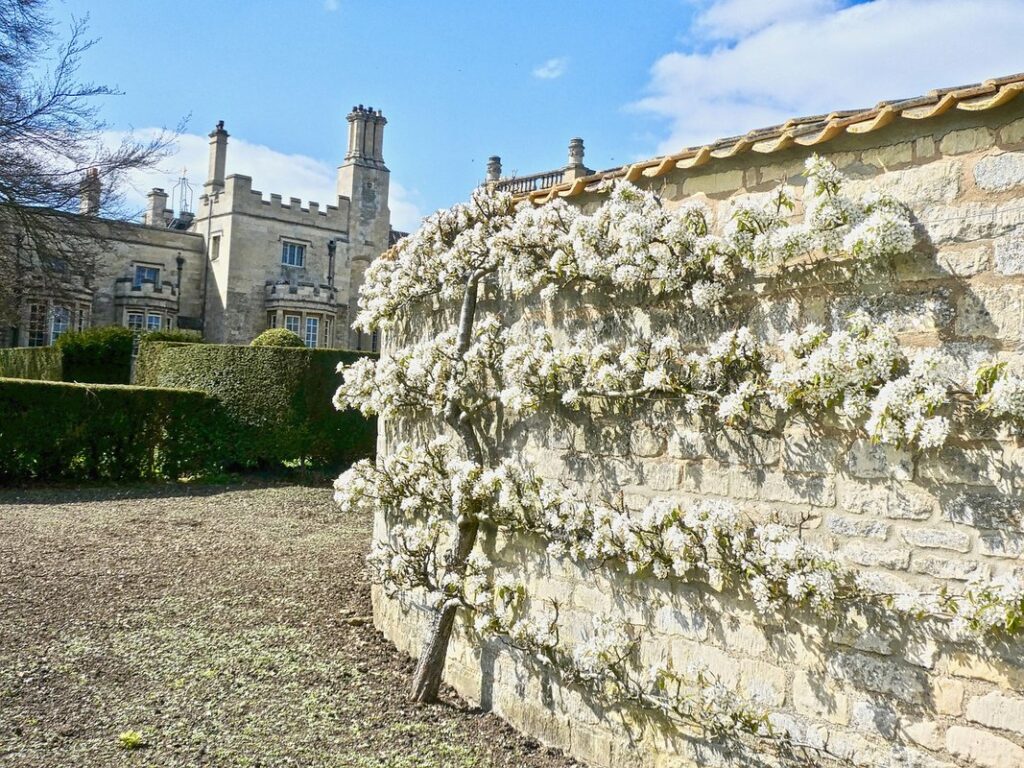
Understanding Espalier and Its Benefits
Espalier is a technique that involves training plants to grow along a support, like a trellis, allowing for efficient use of space in your garden. Let’s explore what makes it so beneficial for gardeners.
What is Espalier?
Espalier is an ancient gardening technique that has been used for centuries to train plants to grow against walls, fences, and trellises. The word “espalier” comes from the French term “espallier,” meaning “to fence.” This method of pruning and training plant growth was originally developed in medieval Europe to provide shade and protection from harsh weather conditions.
By training vines, shrubs, and other plants to grow upwards against a support, gardeners can make the most of space, create visually stunning displays, and even add structural interest to their outdoor spaces. Over time, espalier has evolved to become an art form, with many creative designs and techniques used to shape and direct plant growth.
In traditional gardening practices, espalier was often used for fruit trees, allowing gardeners to grow multiple varieties in a small space while maximizing yields. Today, this technique is being used to add vertical beauty to gardens of all sizes, from compact urban plots to sprawling country estates. Whether you’re looking to create a dramatic focal point or simply make the most of your available space, espalier offers a world of possibilities for creative gardeners.
Benefits of Espalier Gardening
When you incorporate espalier trellises into your garden design, you’ll not only add visual interest but also reap several benefits. One of the primary advantages is space-saving. By training plants to grow along a trellis, you can make the most of limited spaces, perfect for small gardens or balconies.
Espalier gardening also improves fruit quality. Trained plants are more exposed to sunlight and air circulation, which reduces disease susceptibility and promotes healthier growth. This leads to better-tasting fruits and vegetables, a definite bonus for home gardeners.
In addition to improved fruit quality, espalier trellises can increase yields. By providing support for the plant’s weight, you’ll avoid damage from over-ripened fruits or branches breaking under their own weight. This enables your plants to produce more fruit, making the most of your gardening efforts.
Choosing the Right Trellis Style
When selecting a trellis for your espalier project, consider the space you have available and how you want to train your plants to grow. This will help you choose the perfect style to suit your needs.
Wooden Trellises: Classic Elegance
Wooden trellises have been a timeless choice for gardeners and homeowners seeking to add classic elegance to their outdoor spaces. One of the primary benefits of wooden trellises is their durability – when properly maintained, they can last for decades with minimal upkeep. However, this also means that they require regular maintenance to prevent rot, warping, or insect damage.
From a design perspective, wooden trellises offer unparalleled aesthetic appeal. The natural grain and texture of the wood add warmth and character to any garden setting. Whether you opt for a rustic, weathered look or a smooth, polished finish, wooden trellises can seamlessly blend with various architectural styles. For instance, a distressed wooden trellis can complement a vintage-inspired garden, while a sleek, modern design can elevate a contemporary outdoor space.
When choosing a wooden trellise, consider the type of wood used – cedar, cypress, and redwood are excellent options for their resistance to rot and insects. Additionally, look for trellises with a sturdy frame and secure attachment system to ensure stability and prevent damage from wind or weight. With proper care and selection, a wooden trellis can become a stunning centerpiece in your garden, providing structural support while adding beauty and charm to your outdoor space.
Metal Trellises: Modern Sophistication
Metal trellises are an excellent choice for adding modern sophistication to your garden. Not only do they provide support for climbing plants like grapes and kiwis, but their sleek designs can also serve as a striking decorative element.
One of the key advantages of metal trellises is their corrosion-resistance. Unlike wood or bamboo options, metal trellises won’t deteriorate quickly when exposed to the elements. This means you can enjoy their benefits for years to come without worrying about maintenance.
Metal trellises also offer flexibility in terms of design and style. You can choose from a range of shapes, sizes, and materials, including aluminum, steel, or wrought iron. Some metal trellises even feature intricate details like filigree patterns or scrolls, adding an extra layer of visual interest to your garden.
When selecting a metal trellis for espalier gardening, consider the mature size of your plants and choose a trellis that will provide adequate support. You can also customize your trellis by adding plant labels or other decorative elements to create a cohesive look in your garden.
Designing Your Espalier System
Now that you’ve chosen your perfect espalier trellis, it’s time to design a system that will make the most of its structure and features. Let’s dive into the nitty-gritty of creating an effective plan.
Determining Plant Selection
When it comes to designing your espalier system, selecting the right plants is crucial. You want to choose varieties that are not only visually appealing but also suitable for training against a trellis.
Consider flowering vines like wisteria or clematis. These plants produce beautiful blooms in shades of pink, purple, and white, and can thrive on a trellis with proper support. For example, English roses can be trained to grow up an espalier system, adding a romantic touch to your garden.
Fruit trees are another great option for espalier systems. Dwarf varieties like apple or cherry trees can be trained to produce fruit within a compact space. Shrubs like lavender or rosemary can also add fragrance and texture to your trellis.
When selecting plants, make sure to consider factors like climate, sunlight, and soil type. Choose varieties that are disease-resistant and well-suited for your region’s growing conditions. With the right plant selection, your espalier system will not only be visually stunning but also functional and productive.
Creating a Supportive Structure
When designing your espalier system, it’s crucial to provide adequate support for your chosen plants. This involves careful consideration of trellis height, spacing, and material selection.
Trellis height is a critical factor to consider, as it will impact the ultimate shape and structure of your espalier. Make sure to choose a trellis that allows your plants to grow freely without becoming too leggy or tangled. A general rule of thumb is to select a trellis that’s at least 6-8 feet tall for most fruiting trees and shrubs.
In terms of spacing, ensure that your trellis provides enough room for your plants’ roots to establish themselves. A good starting point is to plant your espalier at the same depth as it would be in a container or in-ground garden bed. This will help prevent waterlogging and root bound conditions.
When selecting materials for your trellis, consider durability, weight capacity, and aesthetic appeal. Options include wooden, metal, and bamboo lattices, each with its own unique characteristics.
Building Your Espalier Trellis
Now that you have a design in mind, let’s move on to building your very own espalier trellis, using sturdy materials and clever techniques for support.
DIY Trellis Ideas: A Cost-Effective Solution
Building an espalier trellis can be a fun and rewarding DIY project that adds beauty to your garden while saving you money. One of the most cost-effective solutions is to use wooden or metal components, which can be easily sourced from local hardware stores.
To get started, gather the necessary materials: 2″ x 4″ wooden planks or metal rods, wood screws, a drill press, and a saw. For a basic trellis design, you’ll need four vertical posts, two horizontal beams, and several diagonal supports. Start by assembling the vertical posts and attaching them to the base using wood screws.
Next, attach the horizontal beams between the vertical posts, making sure they’re level and secure. Then, add the diagonal supports for added stability and visual interest. You can customize your trellis design with various materials, such as wire mesh or lattice panels, to suit your gardening needs. With these simple steps, you can create a beautiful and functional espalier trellis that adds vertical beauty to your garden without breaking the bank.
Pre-Made Trellises: Convenience vs. Customization
When it comes to building an espalier trellis, you’re faced with two main options: purchasing a pre-made trellis or creating your own custom design. While pre-made trellises offer convenience and ease of installation, they may lack the personal touch and customization that comes with building something from scratch.
On one hand, pre-made trellises are quick to assemble and require minimal effort. They’re often made from durable materials like wood or metal and come in a variety of styles to suit different garden settings. However, you’re limited to the design options provided by the manufacturer, which may not perfectly match your vision for your espalier.
On the other hand, creating your own custom trellis allows you to bring your unique design to life. You can choose materials that complement your garden’s aesthetic and add personalized details like carvings or engravings. However, this option requires more time, effort, and expertise, which may be daunting for those new to DIY projects.
Ultimately, the decision between a pre-made trellis and a custom design comes down to your budget, skill level, and desired outcome. If you’re short on time but want a professional-looking espalier, a pre-made trellis might be the way to go. However, if you enjoy woodworking or have experience with DIY projects, creating a custom trellis can be a rewarding and creative outlet that adds an extra layer of beauty to your garden.
Caring for Your Espalier System
To keep your espalier system thriving, it’s essential to provide regular maintenance and care to ensure the health and structure of your plants remain intact. We’ll walk you through some key tips.
Watering and Pruning Techniques
Proper watering and pruning are essential for maintaining a healthy and thriving espalier system. As you’re caring for your vertically trained plants, keep in mind that they require more frequent watering than their ground-level counterparts due to increased exposure to wind and sun.
During the growing season (spring-fall), water your espalier plants deeply once or twice a week, depending on weather conditions. Be sure to check the soil moisture by sticking your finger into the soil up to the first knuckle. If the soil feels dry, it’s time to water. Avoid overwatering, which can lead to root rot and other issues.
In the dormant season (winter), reduce watering frequency to once every 2-3 weeks. This allows the plants to conserve energy for new growth in the spring.
Regular pruning is also crucial for maintaining shape, promoting healthy growth, and preventing pests and diseases. Prune your espalier plants during their dormant season, removing any dead, diseased, or damaged branches. Cut back overgrown stems by one-third to encourage bushy growth and prevent branch breakage. This will help maintain the structural integrity of your trellis and promote a lush, full appearance throughout the growing season.
As for pest management, inspect your plants regularly for signs of infestation, such as aphids, whiteflies, or spider mites. Use organic pest control methods whenever possible to avoid harming beneficial insects and the environment.
Monitoring and Adapting to Environmental Changes
As you tend to your espalier system, it’s essential to monitor its performance and adapt to changes in weather, soil conditions, or plant growth. This will ensure that your trellis continues to thrive and provide the desired visual appeal.
Regularly inspect your espalier for signs of stress, such as wilted leaves, brown tips, or an unusual amount of pests. Check the soil moisture by inserting a finger into the soil up to the knuckle; if it feels dry, it’s time to water. Be cautious not to overwater, as this can lead to root rot and other issues.
Pay attention to seasonal changes: prune your espalier in late winter or early spring to promote healthy growth, and remove any dead or damaged branches throughout the growing season. Adjust your watering schedule according to weather patterns – during periods of drought or extreme heat, reduce watering to prevent stress on the plants.
By staying attuned to your espalier’s needs, you’ll be able to address problems promptly and make necessary adjustments to ensure a thriving, visually stunning display all year round.
Frequently Asked Questions
Can I use any type of plant for espalier gardening?
Espalier is suitable for a wide range of plants, including fruit trees, shrubs, and vines. When choosing plants, consider their growth habits, pruning requirements, and space constraints to ensure they thrive in your espalier system.
How do I prevent pests and diseases from affecting my espalier trellis?
Regularly inspect your trellis for signs of pests or disease, and take prompt action if you notice any issues. Use organic methods to control infestations, such as introducing beneficial insects or applying natural fungicides. Keep your trellis clean by pruning dead or diseased branches.
Can I reuse an existing structure as an espalier trellis?
Yes, repurposing an old fence or wall can be a cost-effective and sustainable way to create an espalier system. Ensure the structure is sturdy enough to support the weight of your plants and add any necessary supports or brackets for optimal growth.
How often should I water my espalier plants, especially during hot summer months?
Watering frequency depends on factors like climate, soil type, and plant species. As a general rule, water your espalier plants when the top 2-3 inches of soil feel dry to the touch. Avoid overwatering, which can lead to root rot and other issues.
Can I create an espalier system using recycled materials?
Yes, incorporating recycled materials into your trellis design is a great way to reduce waste and add eco-friendliness to your garden. Consider using reclaimed wood, old pallets, or repurposed metal for a unique and sustainable espalier system.