
Composting is an excellent way to reduce waste, create nutrient-rich soil for your garden, and even save money on fertilizer. However, many of us have pets that share our homes and outdoor spaces, which can make composting a bit more complicated. You don’t want to risk exposing your furry friends to toxic materials or unhealthy environments while still enjoying the benefits of composting.
If you’re like most pet owners, you want to ensure that your composting system is safe for both you and your pets. In this article, we’ll explore the basics of pet-safe composting practices, from choosing a secure location to maintaining your bin regularly. We’ll also provide tips on selecting non-toxic materials and creating an effective yet safe composting process. Whether you’re a seasoned gardener or just starting out, this guide will help you create a harmonious balance between sustainable living and responsible pet ownership.
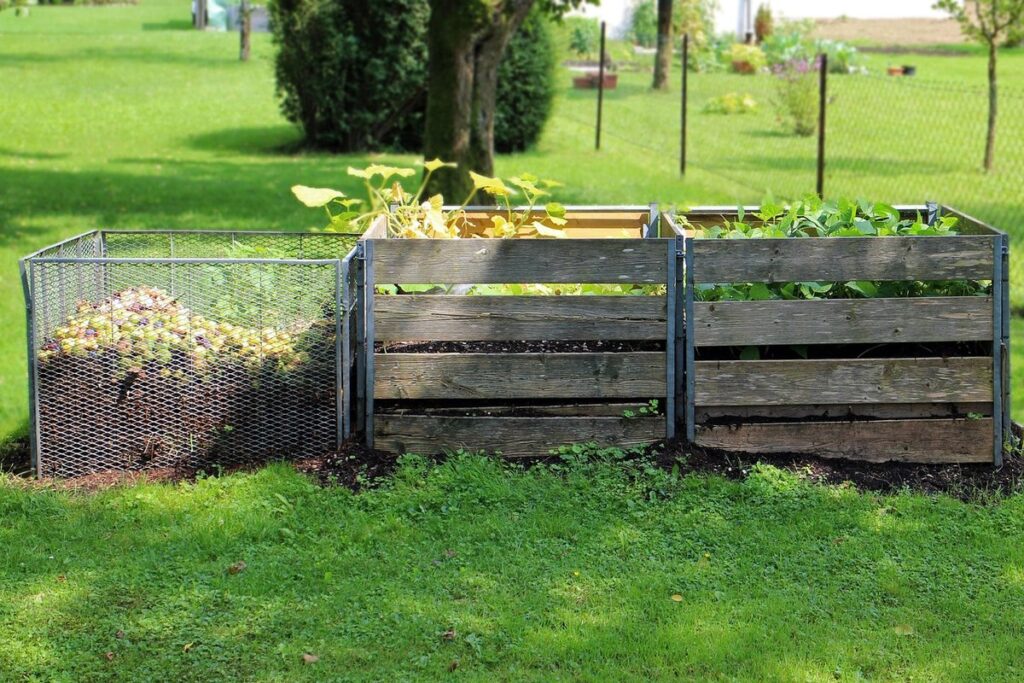
Understanding the Importance of Pet-Safe Composting
Composting is a great way to reduce waste, but when pets are involved, it’s crucial to understand what can be composted safely to avoid any harm to your furry friends. Let’s explore why pet-safe composting practices are essential for every household with pets.
Why Composting is Essential for Your Home and Environment
Composting is an essential practice that offers numerous benefits for both your home and the environment. By composting, you can significantly reduce the amount of waste sent to landfills, conserving natural resources and minimizing greenhouse gas emissions. In fact, according to the Environmental Protection Agency (EPA), food waste accounts for about 20% of municipal solid waste in the United States alone.
When you compost, you’re not only reducing waste but also creating a nutrient-rich soil amendment that can help your garden thrive. Compost acts as a natural fertilizer, improving soil structure and fertility while reducing the need for synthetic fertilizers. This is especially beneficial when it comes to pet-safe composting, as you’ll be creating a safe and healthy environment for your pets to play and explore.
To start composting effectively, make sure to collect kitchen scraps, leaves, and grass clippings in separate bins or piles. Avoid adding meat, dairy, and oils to your compost, as they can attract pests and create odors. Regularly turn and aerate the pile to ensure it’s breaking down efficiently. With a little effort, you’ll be creating a nutrient-rich compost that will benefit both your garden and the environment.
Common Household Waste Materials That Are Safe for Pets
When it comes to composting around pets, it’s essential to focus on safe materials that won’t harm them. One of the easiest and safest options is fruit and vegetable scraps. These can be added directly to the compost pile without any worries. In fact, many fruits and vegetables are rich in nutrients that will benefit your soil.
Other household waste materials that are pet-safe include tea bags and eggshells. Tea bags are a great source of nitrogen, which helps promote healthy microbial growth in the compost. Simply tear them open and add them to the pile. Eggshells, on the other hand, provide calcium and other minerals that will improve soil structure.
To ensure your pets stay safe around the compost, be sure to bury these materials under a layer of “brown” materials like leaves or shredded newspaper. This will prevent any potential risks from arising. With these simple additions, you can create a nutrient-rich compost that benefits both your garden and your furry friends.
Preparing a Pet-Friendly Composting Area
When preparing a composting area for your furry friends, setting up a pet-friendly space is crucial to ensure both you and your pets can safely enjoy the benefits of homemade compost. Let’s dive into creating this essential zone.
Choosing the Right Location for Your Compost Bin
When it comes to setting up your compost bin, choosing the right location is crucial for creating a thriving and pet-friendly environment. Consider placing your compost bin in an area that receives partial sunlight to moderate shade. Direct sunlight can lead to excessive heat buildup, which may attract pests or burn your compost.
Make sure the location you choose is easily accessible for you, but also keeps pets away from the compost bin’s contents. A good rule of thumb is to position the bin at least 10-15 feet away from any pet zones, such as their food and water areas.
Additionally, take into account the foot traffic in your yard, especially if you have multiple pets or family members who frequent a particular area. Select a location that minimizes congestion around the compost bin to prevent accidental spills or tampering with the contents. By carefully selecting the right spot for your compost bin, you can create a pet-safe and efficient composting system that produces nutrient-rich soil for your garden.
Setting Up a Secure Compost Bin to Protect Pets
When it comes to composting with pets around, securing your bin is crucial. You don’t want curious critters getting into your compost and potentially ingesting unhealthy materials. To prevent this, consider investing in a secure compost bin that comes equipped with locks or latches.
You can also add an extra layer of protection by covering the top of the bin with a secure lid or mesh cover. This will not only keep pets out but also prevent pests like rodents from getting into your compost. Another option is to enclose your compost area with fencing, making it off-limits to pets and other wildlife.
If you’re on a budget or prefer a DIY approach, consider repurposing an old pallet or wooden crate to create a secure compost bin enclosure. Just be sure to drill holes for airflow to prevent anaerobic conditions from forming. By taking these simple precautions, you can rest assured that your composting area is both safe and effective.
Types of Composting Methods That Are Safe for Pets
When it comes to composting around your furry friends, choosing the right method is crucial. In this section, we’ll explore the safest composting methods that won’t harm your pets.
Cold Composting: A Low-Risk Option for Pet Owners
Cold composting is an excellent low-risk option for pet owners who want to reduce waste and create nutrient-rich soil without exposing their pets to potential harm. This method involves piling organic materials such as leaves, grass clippings, or food scraps in a designated area, allowing them to break down naturally over time.
The benefits of cold composting are numerous: it’s easy to implement, requires minimal maintenance, and eliminates the risk of pests and diseases that come with hot composting. Since microorganisms thrive at temperatures between 130°F to 140°F (54°C to 60°C), cold composting is generally slower than other methods but produces a rich, dark soil amendment that’s perfect for gardens.
When practicing cold composting around pets, it’s essential to keep the pile away from areas where animals frequent. Ensure that your pet can’t access the compost heap or ingest any materials during the decomposition process. This might involve placing the compost area behind a fence or securing the lid of a contained bin.
Hot Composting: Understanding the Risks and Precautions
Hot composting is a high-energy method that involves actively managing the carbon-to-nitrogen ratio to accelerate decomposition. However, this approach comes with risks, particularly for pets that frequent areas where hot composting takes place.
One of the primary concerns is heat generation. As microorganisms break down organic matter, they produce heat, which can reach temperatures above 160°F (71°C). While this process may seem beneficial in killing off pathogens and weed seeds, it also poses a risk to your pet’s health if they come into contact with the hot compost.
Another issue associated with hot composting is pest infestation. The moist environment created during this process attracts rodents, insects, and other pests that can spread diseases and create odors. Rodents, in particular, can be carriers of diseases like leptospirosis, which can be transmitted to pets through contact or ingestion.
To minimize the risks associated with hot composting, ensure you have a secure lid on your compost bin to prevent rodents from accessing it. Regularly turn the pile to maintain airflow and speed up decomposition. Keep an eye out for pests and take prompt action if you notice any signs of infestation.
Composting Materials That Are Toxic to Pets
When composting, it’s essential to steer clear of materials that can harm your furry friends. We’ll explore some common toxic ingredients you should avoid adding to your pet-friendly compost pile.
Common Household Items That Should Not Be Composted Around Pets
When it comes to composting with pets around, it’s essential to be mindful of common household items that can be toxic when broken down. Some everyday materials may seem harmless, but they can pose a risk to our furry friends.
Meat scraps and dairy products are two no-nos when it comes to pet-safe composting. These high-protein foods can attract pests like rodents, raccoons, and even stray animals, which can carry diseases that can harm pets. Even if you think you’ve removed all the bits of meat or cheese, there’s still a risk of contamination.
Certain plant materials can also be toxic to pets when composted. For instance, onion and garlic peels contain compounds that can cause anemia in cats and dogs. Tomato plants are another no-go, as their leaves and stems contain solanine, which can be toxic to pets if ingested.
When composting around pets, it’s crucial to stick to safe materials like vegetable scraps, fruit peels, and tea bags. These will enrich your soil without posing a risk to your furry friends. Remember to keep the compost pile away from your pet’s favorite hangouts, and always supervise them when they’re nearby. By being aware of these common household items and taking precautions, you can create a safe and healthy environment for both your pets and your garden.
Safe Alternatives for Managing Food Waste Around Pets
When it comes to managing food waste around pets, it’s essential to have safe alternatives in place to prevent accidental ingestion. One simple yet effective solution is using pet-safe trash cans or recycling bins specifically designed for households with pets.
These containers are typically made from materials that won’t harm your furry friends if they accidentally ingest them. Look for bins labeled as “pet-friendly” or “child-proof,” which often feature features such as secure latches and tamper-resistant hinges.
Another alternative is to designate a specific area in your home as a pet-free zone, where food waste can be stored safely. This could be a separate room or section of the kitchen that’s off-limits to pets. Be sure to keep these areas well-ventilated to prevent unpleasant odors from building up.
By implementing these safe alternatives, you can rest assured that your pet-friendly composting practices are in check. Remember, it’s always better to err on the side of caution when it comes to your furry companions’ safety and well-being.
Maintaining a Pet-Friendly Compost
Now that you’ve got your pet-safe compost going, let’s talk about how to maintain it – ensuring it remains a safe haven for your furry friends. This section will cover essential tips for continuous success.
Monitoring pH Levels and Nutrient Balances in Your Compost
Monitoring pH levels and nutrient balances is crucial when composting with pets in mind. A balanced mix of green materials (nitrogen-rich) and brown materials (carbon-rich) will help regulate pH levels, but it’s essential to regularly check the pH level of your compost pile. Aim for a pH range between 6.0 and 8.0, as this is generally considered safe for most pets.
When checking pH levels, use pH test strips or a digital pH meter. If your compost is too acidic (pH below 6.0), add materials like wood ash or crushed eggshells to raise the pH. Conversely, if it’s too alkaline (pH above 8.0), incorporate acidic materials such as peat moss or coffee grounds.
In addition to monitoring pH levels, keep an eye on nutrient balances by maintaining a mix of 2/3 “brown” materials (dry leaves, straw) and 1/3 “green” materials (food scraps, grass clippings). Excessive nitrogen can lead to toxic ammonia production, while too little carbon can result in anaerobic conditions. Regularly mixing your compost pile and monitoring its moisture levels will also help prevent nutrient imbalances.
Regular Cleaning and Maintenance of Your Compost Bin
Regular cleaning and maintenance of your compost bin is crucial to ensuring that it remains pet-safe. One of the primary concerns when composting with pets around is the risk of contamination. Check your compost bin regularly for signs of pests, such as rodents, flies, or ants. These unwanted visitors can carry diseases and parasites that can harm your pets.
If you notice any contamination risks, take immediate action to prevent further problems. Remove any affected materials, disinfect the area, and replace them with fresh, clean ingredients. To maintain a pest-free compost bin, make sure to balance ‘green’ (nitrogen-rich) and ‘brown’ (carbon-rich) waste. Add a layer of brown materials like leaves or straw on top of green materials to deter pests.
Remember to cover your compost bin when not in use, and keep it away from direct sunlight to prevent overheating. Regular cleaning will also help maintain the overall health and fertility of your compost pile. By following these simple steps, you can enjoy a pest-free and pet-safe composting experience that benefits both your pets and your garden.
Conclusion: Creating a Pet-Friendly Composting System
Now that you’ve learned how to create a pet-safe composting environment, it’s time to put your knowledge into practice with our easy-to-follow system. This approach ensures successful decomposition and minimal mess.
Recap of Key Takeaways on Pet-Safe Composting Practices
In creating a pet-friendly composting system, it’s essential to remember the key takeaways from this comprehensive guide. First and foremost, always keep your compost bin away from pets’ living areas to prevent them from accessing potentially toxic materials.
Another crucial consideration is what types of food waste are safe for composting with pets around. Stick to plain table scraps like fruits, vegetables, and grains, and avoid feeding bones, fat trimmings, or meat. Even small amounts can attract pests that may harm your pets.
When collecting pet waste, do not mix it with human food waste, as this can introduce pathogens into the compost pile. It’s also vital to turn your compost regularly to maintain optimal moisture levels, which helps prevent pest infestations and odors.
By adhering to these guidelines, you’ll be able to create a safe and efficient composting system that benefits both your garden and your pets. Remember, it’s all about balance: ensuring a nutrient-rich soil amendment without compromising the health of your furry friends.
Encouraging Responsible Composting Around Pets
As we conclude our comprehensive guide to pet-safe composting practices, it’s essential to emphasize the importance of promoting responsible composting around pets. This involves not only following the right techniques but also educating others and fostering a sense of community engagement.
To start, consider making composting education accessible to your neighbors, family members, or fellow pet owners. You can begin by hosting a workshop or sharing informative resources on social media platforms. This way, everyone can learn about the benefits and best practices for pet-safe composting.
Another crucial aspect is creating awareness about the potential risks associated with improper composting methods around pets. We’ve discussed how certain materials can be toxic to your furry friends if ingested during the composting process. By spreading knowledge and understanding the importance of proper food waste separation, you’ll not only ensure a safer environment but also encourage responsible practices.
Engaging with your community through online forums or local gardening groups can help you advocate for pet-safe composting methods. Share tips on how to repurpose kitchen scraps, avoid using meat and dairy products in the compost pile, and explain the benefits of vermicomposting.
Frequently Asked Questions
Can I compost pet waste?
Composting pet waste can be a bit more complex than other materials, as it requires specific conditions to break down safely. Yes, you can compost pet waste, but it’s essential to bury it deeply and ensure good airflow to prevent odors and pathogens.
How often should I turn my compost pile with pets around?
Turning your compost pile regularly is crucial for maintaining a healthy balance of nutrients and carbon-to-nitrogen ratios. With pets around, you may need to adjust the frequency based on their presence and activity levels. As a general rule, aim to turn your compost every 7-10 days, but be prepared to do it more frequently if your pets are accessing the bin.
What if I notice unusual odors or pests in my compost with pets?
Unusual odors or pests can indicate imbalances in your composting process. To address these issues, start by reducing the amount of nitrogen-rich materials (like pet food scraps) and increasing carbon-rich materials (such as leaves). Regular cleaning and maintenance are also crucial to prevent pest infestations.
How can I balance my compost pile’s pH levels with pets around?
Maintaining optimal pH levels is essential for nutrient availability. Yes, you can monitor your compost’s pH using a DIY kit or sending it to a lab for analysis. To adjust pH levels, add materials that are rich in calcium (like eggshells) to raise the pH, or incorporate acidic materials like coffee grounds or peat moss to lower it.
What should I do if my pet accidentally gets into my compost bin?
If your pet accesses the compost bin, assess any potential risks and clean up immediately. Remove any contaminated materials, disinfect the area with a non-toxic solution, and consider relocating your compost bin to a more secure location.