
If you’re tired of those pesky squirrels stealing your birdseed, you’re not alone. Many backyard bird enthusiasts struggle to keep these bushy-tailed critters from raiding their feeders. But don’t worry, with a little planning and creativity, you can create a successful squirrel-proof bird feeder garden that attracts the birds you love while keeping those pesky squirrels out. In this article, we’ll share expert tips on choosing the perfect location for your bird feeder garden, selecting the right type of feeders to keep squirrels at bay, and maintaining a clean and welcoming space for our feathered friends. Whether you’re a seasoned birder or just starting out, follow these simple steps to create a thriving squirrel-proof bird feeder garden that’s sure to delight both you and your local bird population.
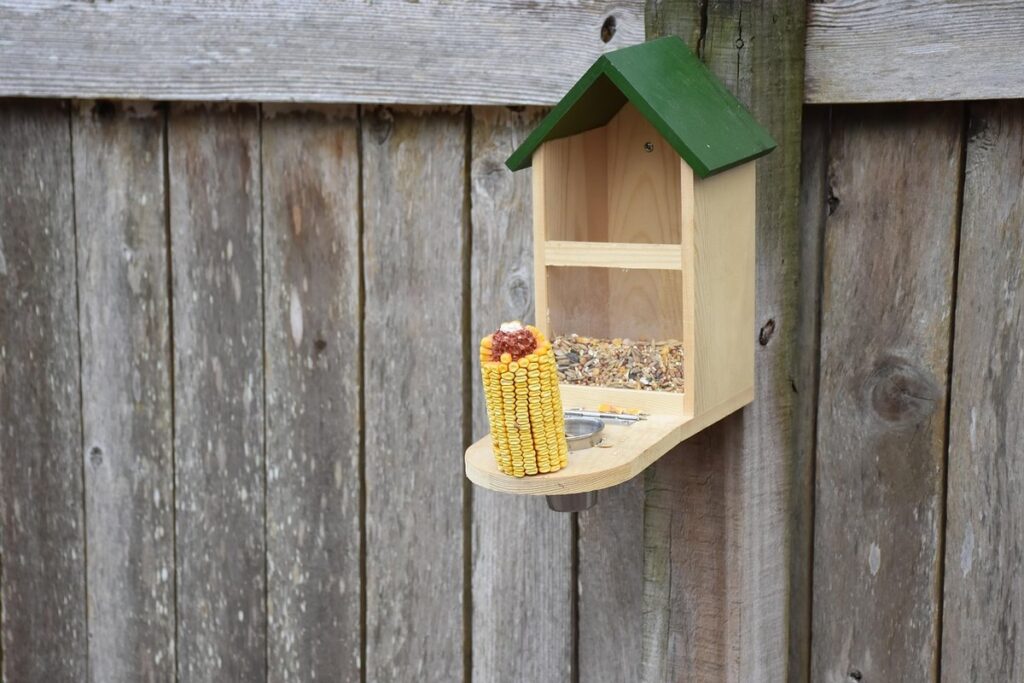
Planning Your Squirrel-Proof Bird Feeder Garden
Before setting up your bird feeder garden, let’s take a step back and plan out the perfect layout to keep those sneaky squirrels at bay. This is where strategy comes in!
Understanding Squirrels’ Behavior and Preferences
When it comes to designing a squirrel-proof bird feeder garden, understanding the behavior and preferences of these bushy-tailed critters is crucial. Squirrels are intelligent, adaptable animals that have evolved to thrive in various environments.
One key characteristic of squirrels is their omnivorous diet, which includes seeds, nuts, fruits, and insects. They’re particularly fond of bird seed, especially those high in protein like sunflower seeds and suet. In fact, a single squirrel can consume up to 1-2 pounds of food per day during the winter months.
Squirrels are also notorious for their agility and ability to climb trees. They can jump long distances and often use their sharp teeth and claws to access bird feeders that are supposed to be out of reach. To combat this, consider using feeders with weight-activated perches or cages that prevent squirrels from getting close.
In addition, squirrels have a keen sense of smell and can detect the presence of food from far away. They’re also highly social creatures that often communicate with each other through vocalizations and body language. By understanding these characteristics, you’ll be better equipped to design a bird feeder garden that’s both enjoyable for birds and secure against squirrel intrusions.
When choosing seed types, consider offering a variety that’s less appealing to squirrels. For example, try using nyjer seeds or safflower seeds, which are less preferred by squirrels but still enjoyed by birds. By being aware of these subtleties, you can create an inviting and safe space for your feathered friends while keeping squirrels at bay.
Choosing the Right Location for Your Bird Feeder Garden
When it comes to setting up a squirrel-proof bird feeder garden, location is key. You want to position your feeders in a way that minimizes access for those pesky squirrels while still providing an enjoyable experience for the birds. One crucial factor to consider is proximity to trees. Squirrels are agile jumpers and can easily leap from tree branch to tree branch if they’re too close.
To prevent this, place your feeders at least 10-15 feet away from any nearby trees or structures that could serve as a jumping point for squirrels. You should also avoid placing feeders under large shrubs or bushes, as these can provide an easy route for squirrels to access the feeder. Positioning feeders in a location with open space on all sides will help deter squirrels from attempting to jump to the feeder.
Additionally, consider the direction of your feeders. Placing them near a wall or fence can make it more difficult for squirrels to climb up and reach the feeder. By carefully evaluating your yard’s layout and taking these tips into account, you’ll be well on your way to creating a squirrel-proof bird feeder garden that’s both beautiful and functional.
Selecting Squirrel-Resistant Bird Feeders
When selecting squirrel-resistant bird feeders, consider the unique features that will keep those pesky critters at bay. One innovative design is weight-activated perches, which allow small birds to access the feeder but collapse under the weight of a squirrel’s paws. These perches are usually made of a spring-loaded material and can be found on various types of feeders.
Another option is cage-like enclosures that surround the feeding area. These cages come in different shapes and sizes, from simple mesh cages to more elaborate, hexagonal designs. Cage-like enclosures often require squirrels to find an entry point through small holes or gaps, which can be difficult for them to navigate.
Other features to consider include cage-free feeders with cleverly designed squirrel-resistant mechanisms, such as spring-loaded seed trays that tilt out of reach when a squirrel attempts to climb up. Some feeders even have built-in baffles or other obstructions that deter squirrels from accessing the feeding area. When choosing a feeder, consider the type of bird you want to attract and the level of squirrel resistance required for your garden’s specific needs.
Materials and Equipment for a Squirrel-Proof Garden
To squirrel-proof your garden, you’ll need specific materials and equipment that can withstand these clever creatures’ attempts to get into your bird feeder. Let’s take a look at what you’ll need to succeed.
Types of Bird Feeders Suitable for a Squirrel-Free Zone
When it comes to choosing bird feeders that will thrive in a squirrel-free zone, there are several types to consider. Tube feeders, for example, are a popular choice because they’re designed with ports that allow only small birds to access the seed. These tubes usually have a weight-activated perch that collapses under the weight of a squirrel, keeping them out.
Hopper feeders, on the other hand, offer a more open design, but can be made squirrel-proof by installing a roof or overhang to prevent squirrels from jumping in. Some hopper feeders also come with features like cage-like enclosures or spiral perches that allow birds to access the seed while keeping squirrels out.
Platform feeders are another option, often providing a larger surface area for birds to land and feed. To keep squirrels out of platform feeders, you can use a squirrel-resistant tray or insert that fits over the feeding platform. Some even have a lip around the edges to prevent squirrels from jumping in.
Squirrely Deterring Materials You Can Use in Your Garden
When it comes to keeping squirrels out of your bird feeder garden, using the right materials can make all the difference. One effective way to deter these pesky critters is by incorporating squirrel baffles into your design. These clever devices fit over the pole or pipe that supports your feeder, making it impossible for squirrels to climb up.
You can purchase pre-made baffle kits or get creative and make your own using plastic tubs, metal mesh, or even old colanders. For a more permanent solution, consider installing a squirrel-proof bird feeder with built-in baffles. These feeders have a weight-activated perching bar that only allows birds to access the seeds.
Another clever trick is to use pole-mounted feeders that are designed to be squirrel-resistant. These feeders typically hang from a sturdy hook or bracket and feature a wide, flat base that makes it difficult for squirrels to jump up and grab the feeder.
Tips for Maintaining a Squirrel-Free Bird Feeder Garden
To keep those pesky squirrels at bay, it’s essential to maintain your bird feeder garden regularly and stay on top of any potential entry points. Regular checks will help prevent unwanted visitors.
Regular Cleaning and Maintenance of Feeders
Regular cleaning is essential to maintaining a healthy bird feeder garden. Not only does it prevent the spread of disease among birds, but it also deters squirrels from visiting your feeders. Squirrels are attracted to bird feeders because they’re often covered in seed waste and debris, making them a potential food source.
To clean your feeders regularly, start by removing any visible debris and cleaning out old seed with a soft-bristled brush or a small vacuum cleaner. For tougher messes, mix baking soda and water to create a paste that can be applied directly to stubborn stains. Let it sit for 10-15 minutes before rinsing thoroughly.
Consider cleaning your feeders at least once a week during peak feeding seasons. Use a mixture of equal parts white vinegar and water to sanitize the feeders and remove any lingering seed oils. Always rinse your feeders with clean water after cleaning, and make sure to dry them completely to prevent water spots. By incorporating regular cleaning into your bird feeder maintenance routine, you’ll be able to keep squirrels at bay and ensure a healthy environment for your feathered friends.
Monitoring Your Squirrel-Proof Garden for Success
Monitoring your squirrel-proof garden is crucial to its success. You’ll want to observe bird populations to ensure they’re frequenting the feeder regularly and that different species are visiting. Track seed consumption by monitoring the weight of seeds or using a seed counter attached to the feeder. This will help you determine if the birds are getting enough food.
Observe the type of birds visiting your feeder, as this can indicate whether the setup is attracting the right species. For example, if you notice mostly sparrows and finches, it may be because the seed mix is too small or the perch is too short for larger birds like cardinals or blue jays.
Adjust your setup accordingly to attract a more diverse range of bird species. If you find that the feeder is being overrun by squirrels, consider adding baffles or removing the feeder temporarily to deter them. Regularly inspecting and maintaining your feeder will help ensure it remains squirrel-proof and continues to provide a safe haven for birds to feed and thrive.
Troubleshooting Common Issues in Your Squirrel-Proof Bird Feeder Garden
Sometimes, despite our best efforts, problems can arise in our squirrel-proof bird feeder garden. Let’s tackle common issues and find solutions to get your birds feeding happily again.
Identifying and Addressing Weak Points in Your Setup
When it comes to setting up a squirrel-proof bird feeder garden, even the smallest weak points can allow those pesky squirrels to get the best of you. Let’s take a closer look at some common mistakes that can lead to squirrel access and provide solutions for reinforcing those areas.
Poor location choice is often a major culprit when it comes to squirrel invasions. If your feeder is too close to any tree branches or other structures that allow squirrels to jump from, you’re essentially inviting them to the party. On the other hand, placing feeders too far away can make refilling and cleaning a real challenge. A good rule of thumb is to keep feeders at least 10 feet away from any squirrel-accessible structures.
Another common mistake is inadequate feeder design. If your feeders are too easy to access or have large openings that allow squirrels to get their heads through, you’re asking for trouble. Look for feeders with weighted perches or cages that allow only birds to land and feed comfortably. Some feeders even come with clever features like spring-loaded lids that shut off access when a squirrel tries to jump up.
If you’ve already set up your feeder and are finding that squirrels keep getting through, it’s not too late to make adjustments. Take note of the areas where squirrels are gaining entry and try some simple tweaks to reinforce those points. For example, if you notice they’re jumping from a nearby tree branch, consider adding a baffle or two to block their path. If your feeder has large openings, try switching to one with smaller holes or covering the existing ones with mesh.
It’s also essential to keep an eye on your setup and make adjustments as needed. Keep in mind that squirrels are adaptable creatures and will often find new ways to get what they want if you’re not paying attention. By staying vigilant and making a few simple tweaks, you can enjoy a squirrel-free bird feeder garden that brings joy to both you and the birds visiting.
How to Deal with Persistent Squirrel Visitors
Dealing with persistent squirrels can be frustrating, but there are several strategies you can employ to keep them at bay. One effective approach is to use repellents that deter squirrels without harming them. Commercial squirrel repellents containing capsaicin or pepper extracts can be sprayed around the feeder area to discourage squirrels from visiting.
If repellents don’t work, consider switching to a feeder type that’s specifically designed with squirrels in mind. Feeders like cage-style bird feeders or weight-activated perches can help exclude squirrels while allowing birds to feed comfortably.
Another creative solution is to try using squirrel-deterrent accessories such as baffle systems or spinning feeders. These innovative designs can make it difficult for squirrels to access the seed, reducing the likelihood of persistent visits.
It’s also essential to maintain a clean feeder area and keep the surrounding space free from debris, as squirrels are often attracted to easily accessible food sources. By implementing these strategies, you’ll be well on your way to creating an effective squirrel-proof bird feeder garden that will attract birds while keeping pesky squirrels at bay.
Additional Tips for a Long-Term Squirrel-Free Bird Feeder Garden
To ensure your bird feeder garden remains squirrel-free long-term, consider these additional tips that’ll help you maintain a peaceful and enjoyable outdoor space.
Seasonal Adjustments for a Year-Round Squirrel-Proof Setup
As we dive into the world of seasonal adjustments, it’s essential to consider how changing times of year impact both squirrel behavior and bird activity. Squirrels, in particular, tend to adapt their foraging habits according to the season. For instance, during warmer months, they’ll often focus on nut-gathering, while colder months bring an increased emphasis on seed collection.
To account for these seasonal shifts, it’s crucial to adjust your squirrel-proof setup accordingly. Consider changing feeder types or locations based on the time of year. In spring and summer, when birds are actively nesting, it’s a good idea to place feeders in more sheltered areas to protect them from predators. Conversely, during fall and winter, placing feeders in open areas can help attract species that rely on these resources for sustenance.
When selecting feeder types, remember that mesh feeders work well during warmer months when birds are actively feeding, while tube feeders tend to be more effective during colder months when seed is scarce. By being mindful of seasonal adjustments and making the necessary changes to your setup, you’ll not only keep squirrels at bay but also create a welcoming environment for the feathered visitors that bring so much joy to our lives.
Integrating Squirrel-Deterrent Plants into Your Garden Design
Integrating squirrel-deterrent plants into your garden design is an effective way to keep those pesky critters away from your bird feeder. Plants like hot peppers and garlic are natural repellents that can be used to discourage squirrels from visiting your garden. To incorporate these plants into your design, consider the following tips.
When selecting plants, choose ones that are native to your area and have a strong scent or taste that squirrels dislike. Hot peppers, such as chili pepper or cayenne pepper, contain capsaicin, which is unappealing to squirrels. Garlic, on the other hand, has a strong odor that repels squirrels.
Plant these repellents around the perimeter of your garden or near areas where birds tend to congregate. You can also mix them in with other plants to create a diverse and squirrel-deterring landscape. To maintain their effectiveness over time, make sure to water and fertilize them regularly, as this will keep them healthy and potent.
Some examples of other squirrel-deterrent plants include daffodils, hyacinths, and lavender. These flowers are not only beautiful but also repel squirrels.
Frequently Asked Questions
Can I use squirrel-proof bird feeders on hanging bird tables or tray feeders?
Yes, you can use squirrel-resistant bird feeders on hanging bird tables or tray feeders. However, consider the type of feeder and its design to ensure it’s specifically made for these types of installations. Some squirrel-deterrent features might not work as effectively in a hanging setup.
How often should I clean my bird feeders to prevent squirrel visits?
Regular cleaning is crucial to keeping squirrels away from your bird feeders. Clean your feeders at least once a week, removing any debris or mold buildup. This will also help maintain the health of your birds and ensure they continue to visit your feeder garden.
Can I use squirrel-deterrent plants around my existing bird feeder without rearranging it?
Yes, you can integrate squirrel-deterrent plants into your garden design even if you already have a bird feeder set up. Choose plants that are attractive to birds but unappealing to squirrels, and position them strategically around the feeder. This will create a natural barrier against those pesky critters.
What’s the best way to maintain my squirrel-proof bird feeder garden during harsh winter conditions?
During winter, it’s essential to ensure your bird feeders remain unfrozen and accessible for birds. Use waterproof materials or protect your feeders from snow and ice buildup. You may also want to consider providing supplemental heat sources or sheltered areas for your birds.
How do I handle a persistent squirrel visitor that keeps stealing food from my feeder?
If you encounter a persistent squirrel visitor, try adjusting the type of bird seed or feeder used. Squirrels often prefer certain types of seeds or have preferences for specific feeder designs. Experiment with different options to find what works best in your situation.