
If you’re an iris enthusiast or simply someone who loves gardening, chances are you’ve encountered the pesky iris borer at some point. These tiny pests can be devastating to your beautiful flowers, causing significant damage and even killing off entire plants if left unchecked. But don’t worry – controlling iris borers is a manageable task with the right strategies. In this article, we’ll walk you through how to identify these sneaky insects, and provide expert-approved methods for preventing and controlling their spread. From chemical controls to ongoing prevention efforts, we’ll cover it all. By the end of this post, you’ll be equipped with the knowledge needed to keep your iris plants healthy and thriving, and enjoy those stunning flowers year after year.
Understanding Iris Borers
To effectively control iris borers, it’s essential to understand what they are and how they affect your plants. This section will delve into the basics of iris borers’ behavior and characteristics.
What are Iris Borers?
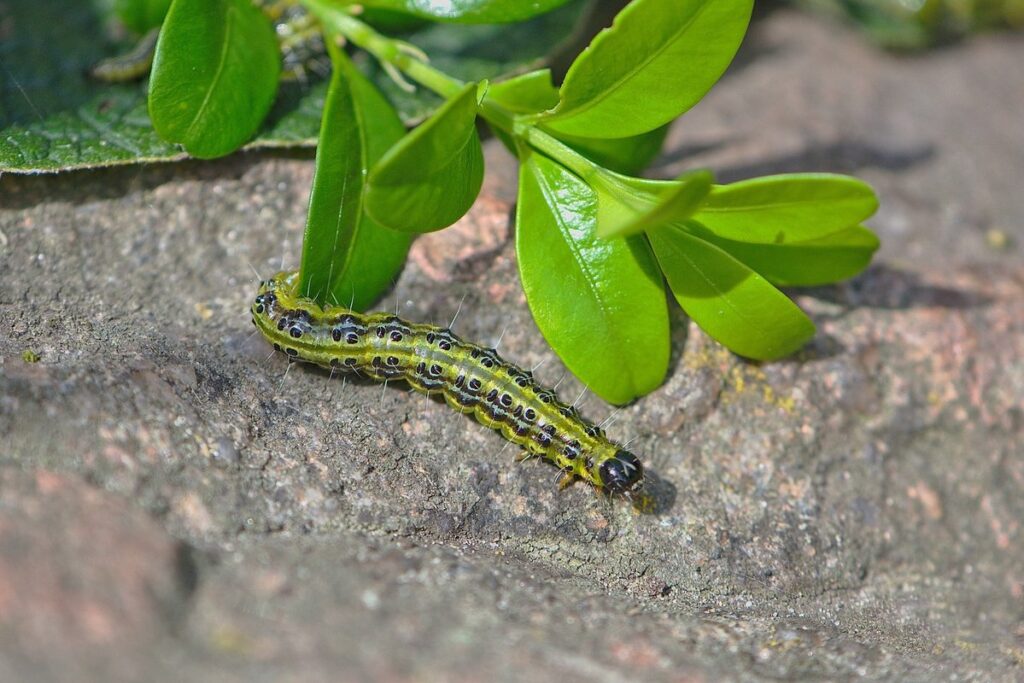
The iris borer is a type of moth larva that feeds on the rhizomes and roots of irises, causing significant damage to these beautiful flowers. As the name suggests, the life cycle of an iris borer begins with the female adult laying eggs near the base of the iris plant in late spring or early summer. The eggs hatch into larvae after about a week, which then burrow into the rhizomes and roots of the iris.
The damage caused by iris borers is usually not visible on the surface but can be severe beneath it. The larvae feed on the starch-rich tissues of the rhizome, causing the plant to weaken over time. This weakening can lead to reduced flowering, yellowing leaves, or even death of the plant if left untreated.
To understand how to prevent and control iris borers, it’s essential to recognize the symptoms of infestation, such as distorted or discolored new growth, or a general decline in the health of the plant.
Identifying Iris Borer Damage
If you suspect that your iris plants are under attack by borers, it’s essential to identify the signs of infestation early on. Iris borer damage can manifest itself through several common symptoms. One of the most noticeable signs is yellowed or wilted foliage, which may seem similar to other issues like nutrient deficiencies or root rot. However, if you notice that only specific sections of the plant are affected and the problem persists despite adjusting your care routine, it’s likely a borer infestation.
Another clear indicator of iris borer damage is holes in the leaves. These can be small, but often larger holes can develop as the larvae grow and move through the leaf structure. Sometimes, these holes may appear irregularly shaped or have a rough edge, different from the clean cuts caused by other pests like slugs or snails.
Root damage is another critical sign of an iris borer infestation. Borers tend to lay their eggs near the base of the plant, and when the larvae hatch, they move towards the roots to feed. As a result, you may notice stunted growth, reduced blooming, or even see the roots themselves being eaten away.
To determine if your irises have iris borers, inspect the plants closely for these signs. If you spot any of them, take action promptly to prevent further damage and treat the infestation before it gets out of hand.
Causes and Risk Factors of Iris Borer Infestations
To control iris borers effectively, it’s crucial to understand what causes these infestations and which factors increase your plants’ risk. Here are some common causes and risk factors.
Humidity and Temperature Factors
When it comes to iris borer infestations, understanding the factors that contribute to their development is crucial for effective control and prevention. High humidity and warm temperatures play a significant role in this process.
Warm temperatures are ideal for iris borers to thrive. These pests typically emerge from underground when soil temperatures reach around 50°F (10°C). As the weather warms up, they quickly multiply, causing damage to iris plants. In regions with mild winters, iris borers can survive year-round, leading to continuous infestations.
High humidity also fosters ideal conditions for iris borer larvae. These larvae feed on iris plant tissues, causing damage that can be extensive if left unchecked. To mitigate this issue, it’s essential to maintain a balance between moisture and air circulation around your iris plants. This can be achieved by watering carefully, avoiding overhead irrigation, and providing sufficient space between plants.
By recognizing the impact of humidity and temperature on iris borer development, you’ll be better equipped to implement targeted prevention strategies in your garden.
Soil Conditions and Irrigation Practices
Soil conditions play a significant role in attracting iris borers to your garden. Poor soil quality, overwatering, and underwatering can create an environment that’s conducive to borer infestations.
One of the primary reasons iris borers are attracted to poor soil is the lack of nutrients. Iris borers feed on the rhizomes of irises, which are nutrient-dense underground storage organs. When soil lacks essential nutrients, it becomes easier for borers to break down and exploit these stored resources. This can be due to a variety of factors such as using low-quality potting mixes or not incorporating organic matter like compost.
Overwatering also creates an ideal environment for iris borers. Excess moisture makes the rhizomes more susceptible to damage, allowing borers to penetrate deeper into the plant’s tissue. Conversely, underwatering can cause stress to the plant, weakening its defenses against borer attacks. Water your irises regularly, but avoid overwatering by ensuring good drainage in the soil.
By improving your soil quality and maintaining a balanced watering schedule, you can significantly reduce the risk of iris borer infestations. Consider incorporating organic matter into your soil or using well-draining potting mixes to create a more resilient environment for your irises.
Nearby Plant Attractants
When it comes to preventing iris borer infestations, understanding what attracts these pests is crucial. Nearby plants can play a significant role in attracting iris borers, and being aware of which ones to avoid planting near your irises can help minimize the risk.
Certain grasses, such as tall fescue and Kentucky bluegrass, are notorious for harboring iris borers. These grasses provide a welcoming environment for the larvae, allowing them to feed and develop without being detected by predators or natural enemies. If you have these types of grasses nearby your irises, consider removing them or keeping them well-maintained to reduce the attractiveness.
Weeds like thistle, dandelion, and plantain can also attract iris borers. These weeds often grow in areas where soil conditions are conducive to borer infestations, making it easier for the larvae to establish themselves. Keeping your garden free of these weeds by regular mowing or using an herbicide can help prevent them from becoming a food source for iris borers.
By being mindful of nearby plant attractants and taking steps to mitigate their presence, you can significantly reduce the risk of iris borer infestations on your prized irises.
Prevention Strategies for Iris Borers
To effectively manage iris borers, it’s essential to understand and implement effective prevention strategies that minimize their presence and impact on your garden. By taking proactive measures, you can significantly reduce the risk of infestation.
Crop Rotation and Sanitation
Crop rotation is a crucial aspect of iris borer prevention. When left to their own devices, irises can become havens for borers, allowing them to multiply and spread quickly. To break this cycle, it’s essential to rotate your irises with non-host crops every 2-3 years. Non-host crops include plants like vegetables, fruits, or flowers that are not part of the Iris family (Iridaceae). Examples of such crops include tomatoes, peppers, cucumbers, and marigolds.
Maintaining a clean garden environment is equally vital in preventing borer re-infestation. Regularly inspect your garden for signs of borer damage, and remove any infested rhizomes or debris. Dispose of them in sealed bags to prevent eggs from hatching elsewhere in the garden. Keep your irises at least 12 inches away from any nearby host plants to discourage borers from migrating between them.
By implementing these simple yet effective strategies, you can significantly reduce the likelihood of iris borer infestations and keep your garden healthy and thriving.
Physical Barriers and Traps
When it comes to managing iris borer infestations, incorporating physical barriers and traps can be an effective strategy. By doing so, you’ll not only prevent the borers from reaching your plants but also reduce the need for chemical treatments.
To create a physical barrier around affected plants, consider using fine-mesh screens or row covers that are at least 1-2 feet high. These materials will prevent adult borers from laying eggs on the soil surrounding your irises. For example, you can drape a mesh screen over the plant and secure it with stakes to keep it in place.
Another option is to create a trap using a shallow container filled with water or a sticky surface. Adult borers are attracted to moisture, so placing a shallow dish near your affected plants will lure them in, allowing you to dispose of them before they can lay eggs on the surrounding soil. This method not only eliminates the adults but also prevents them from reaching your irises.
By combining physical barriers with these traps, you’ll be able to significantly reduce iris borer infestations and keep your plants safe.
Identifying and Monitoring for Iris Borers
To effectively manage iris borers, it’s crucial to know how to identify them early on, and this involves monitoring your plants closely for signs of infestation. Look out for unusual holes in leaves and flowers.
Visual Inspection Techniques
When visually inspecting irises for signs of borer damage, it’s essential to be thorough and attentive. Start by carefully examining each leaf, looking for holes or tears that could indicate the presence of borers. Check both sides of the leaves, as well as any shears or damaged areas. Borer larvae often feed on the underside of leaves, so a close inspection is crucial.
Next, move on to the stems and pseudobulbs (if applicable). Look for signs of borer damage, such as holes or cavities that could be indicative of internal feeding. Also, inspect the soil around the base of the plant for any signs of adult borers or eggs. To make inspection easier, consider gently lifting the leaves to peer underneath. Be sure to examine multiple plants in your garden, as irises can become infected even if nearby plants appear healthy.
Some common signs of borer damage include yellowing or wilting leaves, reduced growth, and a sweet, musty odor emanating from affected areas.
Monitoring Soil Moisture and Temperature
Monitoring soil moisture levels and temperature fluctuations can significantly aid in early detection of iris borers. When irises are stressed due to dry conditions, they become more susceptible to borer infestations. By keeping the soil consistently moist, you can reduce the risk of borer attacks.
Maintain a consistent soil moisture level by checking it daily during hot and dry weather. Use a soil probe or a moisture meter for accurate readings. If your local climate is prone to temperature fluctuations, keep an eye on extreme heatwaves or cold snaps that may stress your irises.
Keep in mind that borers tend to be more active at temperatures between 65°F and 75°F (18°C and 24°C). During this time, inspect your plants closely for any signs of damage. Also, note that temperature fluctuations can cause your irises to go dormant prematurely, making them even more vulnerable to borer attacks.
Regularly monitoring soil moisture levels and temperature will enable you to catch potential issues early, allowing for timely intervention before borers infest your iris garden.
Chemical Control Methods for Iris Borers
Chemical control methods can be a crucial part of iris borer management, but they need to be used judiciously and at the right time to avoid harming your plants. We’ll walk you through the chemical options available.
Insecticides and Fungicides
Insecticides and fungicides can be effective tools in controlling iris borers, especially when used as part of an integrated pest management strategy. However, it’s essential to choose the right products and apply them at the correct time to minimize harm to beneficial insects and the environment.
For insecticide control, permethrin or pyrethrin-based sprays can be effective against iris borers. These should be applied in late spring or early summer when the borer larvae are active. To ensure proper application, inspect your plants regularly for signs of infestation, such as torn leaves or damaged flowers. Spray the entire plant, making sure to cover both sides of the foliage.
Timing is crucial when using fungicides, as they can be toxic to beneficial insects and other non-target organisms. Apply fungicides in late summer or early fall, after the borer larvae have finished feeding but before new growth begins. This approach also helps prevent disease from spreading through the plant.
Some common insecticidal soap products, such as neem oil or horticultural oil, can be used to control iris borers. These are often safer for beneficial insects and can be applied more frequently. When using any chemical control method, always follow label instructions carefully and take necessary precautions to avoid overexposure to the product.
Organic and Integrated Pest Management (IPM) Options
If you’re looking to reduce your reliance on chemical pesticides, there are several organic and integrated pest management (IPM) options available for controlling iris borers. One approach is to use neem oil, a natural insecticide derived from the seeds of the neem tree. Neem oil works by disrupting the borer’s hormone system, preventing them from developing into adult moths.
To implement neem oil effectively, apply it in early spring or late summer/early fall when borers are most active. Mix neem oil with water according to label instructions and spray it directly on affected areas of the iris foliage and flowers. However, be aware that repeated use can harm beneficial insects, so use this method judiciously.
Another IPM approach is introducing beneficial insects, such as parasitic wasps or natural predators like lady beetles or lacewings. These insects prey upon iris borers, reducing infestation levels without the need for chemical pesticides. Encourage these beneficial insects by creating a welcoming habitat in your garden with suitable food and shelter sources. By adopting these organic methods, you can reduce your reliance on chemical controls and maintain a healthier balance within your garden ecosystem.
Post-Treatment Care and Maintenance
Now that you’ve successfully treated your iris borer infestation, it’s essential to maintain a healthy environment to prevent re-infestation. This section will guide you through post-treatment care and maintenance tips.
Recovery Time for Affected Plants
Allowing affected plants time to recover after treatment is crucial for their health and well-being. This recovery period gives the plant’s natural defenses a chance to re-establish themselves and fight off any remaining borer infestations. When treating iris borers, it’s common for gardeners to want to rush back into maintenance mode as soon as possible.
However, this can be counterproductive. Rushing back to normal care can weaken the plant further, making it more susceptible to future infestations. Instead, take a patient approach and focus on gentle, targeted care during the recovery period. This might include providing regular watering, but avoiding overwatering that can lead to root rot.
A good rule of thumb is to wait at least 2-4 weeks after treatment before resuming normal fertilization and pruning practices. During this time, keep an eye out for any signs of stress or disease, and adjust your care routine accordingly. By allowing your plants the time they need to recover, you’ll be giving them a solid foundation for future growth and resilience against future borer infestations.
Long-Term Prevention Strategies
Ongoing prevention efforts are crucial to maintaining iris borer-free gardens. Regular monitoring and maintenance will help identify and address potential issues before they escalate into severe infestations.
Inspect your irises regularly during the growing season, checking for signs of damage such as holes in leaves or stems, yellowing or browning foliage, or actual borers present inside the plant. Early detection is key to successful control.
Develop a regular maintenance routine that includes inspecting the rhizomes and crowns for any visible damage or infestation before new growth begins. This can be done by gently digging around the base of the plants with your fingers or a tool, taking care not to cause more harm than necessary.
It’s also essential to maintain good gardening practices such as adequate spacing between irises (allowing for air circulation), proper watering and fertilization, and controlling weeds that may harbor borers. By combining these preventive measures with regular monitoring, you can minimize the risk of iris borer infestations in your garden.
Frequently Asked Questions
Can I use integrated pest management (IPM) strategies to control iris borers if I’m already using organic gardening methods?
Yes, IPM is an excellent approach for controlling iris borers, especially when combined with organic practices. By incorporating physical barriers, traps, and other non-chemical methods alongside your existing organic techniques, you can create a holistic pest management plan that minimizes harm to the environment.
What are some signs I should look out for if I suspect my irises have been infested by iris borers?
Check for distorted or deformed leaves, yellowing foliage, and root damage. You may also notice visible holes or tunnels in the rhizomes and roots of your irises. Keep an eye out for these symptoms, especially during late spring and early summer when borer activity is most prevalent.
How often should I inspect my iris plants for signs of iris borers?
Regular inspections are key to detecting iris borer infestations early on. Set aside time every 2-3 weeks to visually inspect your irises for damage or other signs of pest activity. This will help you catch potential problems before they become severe.
Can I use insecticides as a standalone solution to control iris borers, or do I need an integrated approach?
Insecticides can be effective in controlling iris borer populations, but relying solely on chemicals may not address the root causes of the infestation. For long-term success, consider combining chemical controls with other methods like crop rotation, sanitation, and physical barriers.
What are some post-treatment steps I should take after applying insecticides to control iris borers?
After treating your irises with insecticides, make sure to follow the recommended waiting period before watering or pruning. This allows the chemicals to fully dissipate and reduces the risk of re-infestation. Additionally, maintain good gardening practices like crop rotation, sanitation, and monitoring for future pest activity.