
Are you looking for a natural way to keep pests at bay and add some color to your vegetable garden? Look no further than the humble nasturtium! These versatile flowers are not only beautiful, but they also offer a range of benefits for gardeners. From repelling aphids and whiteflies to attracting beneficial insects, nasturtiums can be a game-changer in your garden. Not only that, but they’re easy to grow and can add a pop of color to any bed or border. In this article, we’ll cover the ins and outs of growing nasturtiums in your vegetable garden, including how to select the right variety, prepare the soil, sow seeds, and harvest flowers for use as a natural pest control and companion plant. Whether you’re a seasoned gardener or just starting out, these tips will have you growing like a pro!
Introduction to Nasturtiums
Welcome to our comprehensive guide, where we’re starting at the beginning by introducing you to the wonderful world of nasturtiums and their uses in a vegetable garden. Let’s dive right into what makes these plants so special!
Brief History and Origin of Nasturtiums
Nasturtiums have a rich and fascinating history that spans over 400 years. Originating from the Andes Mountains in South America, these delicate flowers were first cultivated by the Incas as early as the 16th century. They prized nasturtiums for their vibrant colors, edible leaves, and medicinal properties.
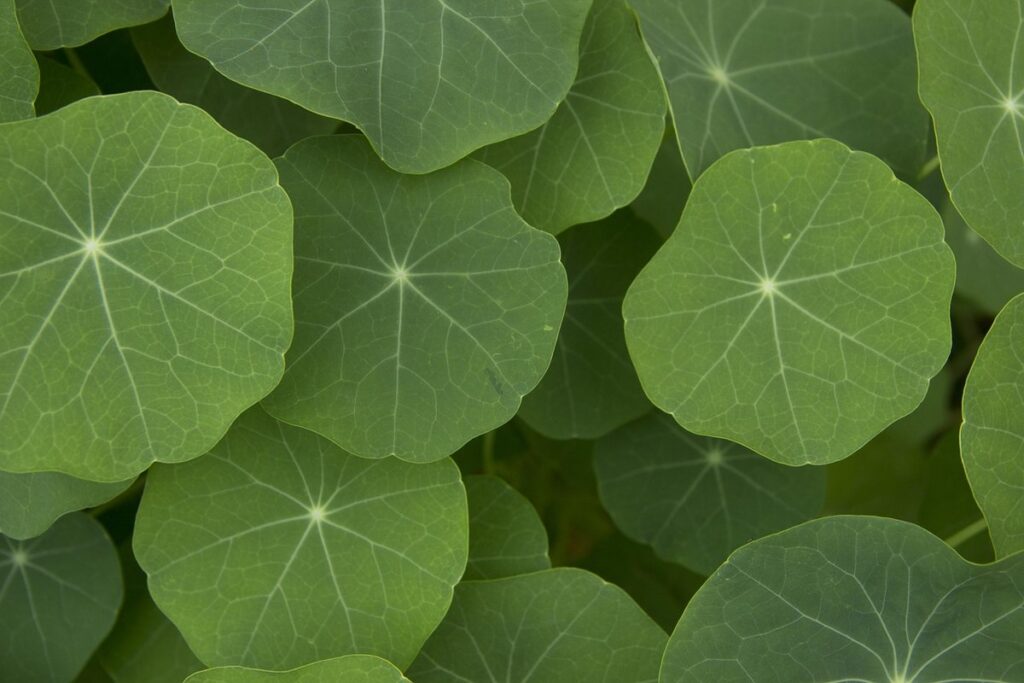
In the 17th and 18th centuries, European botanists discovered and popularized nasturtiums among gardeners. The name “nasturtium” is derived from the Latin words “nasus tortus,” meaning “twisted nose,” a reference to the plant’s unique leaf shape. As trade routes expanded, nasturtium seeds were introduced to Asia and Africa, where they adapted well to local climates.
By the mid-19th century, nasturtiums had become a staple in European gardens, prized for their beauty, fragrance, and pest-repellent properties. Today, these versatile flowers are grown worldwide, often as a companion plant to repel aphids, whiteflies, and other pests that target vegetable crops. With over 80 varieties available, gardeners can choose from a range of colors, shapes, and growth habits to suit their specific needs.
Benefits of Growing Nasturtiums
Growing nasturtiums in your vegetable garden comes with a plethora of benefits. One of the most significant advantages is pest control. Nasturtiums are known to repel aphids, whiteflies, and squash bugs, which can devastate your crops if left unchecked. By planting nasturtiums nearby, you can create a barrier that protects your vegetables from these pests.
Companion planting is another benefit of growing nasturtiums. They have been observed to improve the growth and flavor of adjacent plants, such as broccoli, cauliflower, and cucumbers. Nasturtiums also attract beneficial insects like lacewings and hoverflies, which prey on aphids and other garden pests.
In addition to their functional benefits, nasturtiums are also a beautiful addition to any vegetable garden. Their bright flowers come in a range of colors, including yellow, orange, red, and purple, adding a pop of color to your garden beds. Whether you’re looking for a natural pest control method or simply want to add some visual interest to your garden, nasturtiums are an excellent choice.
Choosing the Right Variety
When selecting a nasturtium variety for your garden, you’ll want to consider factors such as growth habits and flowering times to ensure they thrive alongside your vegetables. Choose wisely!
Understanding Nasturtium Varieties
When choosing nasturtium varieties for your vegetable garden, it’s essential to understand the different types available. There are three primary categories: annuals, perennials, and climbers.
Annual nasturtiums are the most common type and offer a vibrant display of color throughout the growing season. They bloom quickly, typically within 6-8 weeks of sowing, and produce multiple flushes of flowers. These varieties are ideal for beginners as they’re easy to care for and require minimal maintenance. Examples include ‘Empress of India’ and ‘Milkmaid’.
Perennial nasturtiums, on the other hand, come back year after year in temperate climates, providing a longer-lasting display of blooms. They often produce larger flowers than annual varieties and can grow up to 3 feet tall. Perennials like ‘Tom Thumb’ and ‘Alaska’ are great for adding a pop of color to your garden beds.
Climbing nasturtiums are perfect for trellises or arbors, where they can twine their way up to create a stunning display. These varieties produce more flowers than other types and come in a range of colors, including yellow, orange, and red. ‘Jewel of Africa’ and ‘Tall Climber’ are excellent choices for adding vertical interest to your garden.
When selecting nasturtium varieties, consider factors like the amount of space you have available, the level of maintenance you’re willing to commit, and the desired bloom period. By understanding the unique characteristics of each type, you can choose the best variety for your specific needs and create a thriving nasturtium display in your vegetable garden.
Selecting Nasturtium Varieties for Vegetable Gardens
When selecting nasturtium varieties for your vegetable garden, it’s essential to consider specific needs such as companion planting and pest control. For instance, ‘Empress of India’ is a popular variety suitable for companion planting with tomatoes and peppers. Its sprawling habit helps shade these plants from intense sunlight, reducing the risk of sunscald.
Another variety, ‘Alaska’, features bright yellow flowers and a compact growth habit, making it ideal for smaller gardens or containers. This variety is also effective at repelling aphids and whiteflies, which are common pests in vegetable gardens.
If you’re looking to attract beneficial insects like lacewings and hoverflies, consider planting ‘Milkweed’ nasturtiums. These varieties produce nectar-rich flowers that entice these beneficial insects, which in turn help control pest populations.
When choosing a variety, also consider the mature size of the plant and its growth habit. Compact varieties can be perfect for smaller spaces, while sprawling varieties like ‘Jewel of Africa’ are better suited for larger gardens or areas where they can spread out.
Planting and Care
To successfully grow nasturtiums, you’ll want to learn how to plant them correctly and provide the right care to ensure a bountiful harvest of these beautiful flowers.
Preparing the Soil for Nasturtiums
Before planting nasturtiums, it’s essential to prepare the soil to provide them with the right conditions for optimal growth. Nasturtiums prefer well-draining, fertile soil that is slightly acidic to neutral in pH (6.0-7.0). If your soil tends towards being too alkaline or too dense, make adjustments accordingly.
To create an ideal environment, test the pH level of your soil and adjust it if necessary. You can add sulfur or aluminum sulfate to lower the pH or lime to raise it. Next, loosen the top 8-10 inches of soil to a depth that allows for good root growth. Nasturtiums are heavy feeders, so mix in a balanced fertilizer (e.g., 5-5-5 NPK) according to the manufacturer’s instructions.
To improve drainage, incorporate organic matter like compost or well-rotted manure into the soil. Avoid over-fertilizing, as this can lead to an excess of nitrogen and encourage leaf growth at the expense of flowers.
Sowing and Transplanting Nasturtiums
Sowing and transplanting nasturtiums is an art that requires patience and precision. When direct sowing into vegetable gardens, choose a spot with well-draining soil and full sun to partial shade conditions. Sow the seeds about 1 inch deep and 2-3 inches apart in late spring or early summer when the soil has warmed up to at least 60°F (15°C). Water gently but thoroughly after sowing.
Transplanting seedlings, on the other hand, is a delicate process that requires careful handling. Harden off seedlings by gradually exposing them to outdoor conditions over the course of 7-10 days before transplanting. Dig a shallow hole and gently place the seedling in it, making sure not to disturb its roots. Firm the soil around the stem, and water thoroughly after transplanting.
Some gardeners prefer to sow nasturtium seeds in seed trays or pots indoors 2-3 weeks before the last frost date in their area. This method allows for earlier blooms and a head start on pests that may damage mature plants.
Companion Planting with Nasturtiums
Nasturtiums can be a valuable addition to your vegetable garden, and when paired with the right plants, they can even boost yields and repel pests. Let’s explore some of the best companion planting options for nasturtiums.
Benefits of Companion Planting with Nasturtiums
When incorporated into companion planting with other vegetables, nasturtiums can offer numerous benefits that enhance the overall health and productivity of your garden. One of the primary advantages is their ability to repel pests, such as aphids, whiteflies, and squash bugs, which are notorious for causing significant damage to various crops.
In addition to deterring pests, nasturtiums also attract beneficial insects like lacewings, hoverflies, and parasitic wasps. These beneficial insects feed on the pests that plague your vegetables, naturally maintaining a balance in your garden ecosystem. For instance, nasturtiums repel aphids that target plants like cabbage and lettuce, allowing them to grow healthier and more robust.
To maximize the benefits of companion planting with nasturtiums, consider planting them near vegetables that are susceptible to pests or diseases. Some effective pairings include pairing nasturtiums with tomatoes, peppers, cucumbers, and squash to create a pest-repellent barrier around these crops.
Examples of Vegetables that Benefit from Nasturtium Companion Planting
When it comes to companion planting with nasturtiums, there are several vegetable crops that benefit from their presence. One of the most well-known examples is tomatoes. By planting nasturtiums alongside tomato plants, you can expect a significant reduction in aphid and whitefly infestations, which are common pests that target tomatoes. The strong scent emitted by nasturtiums repels these pests, creating a healthier environment for your tomatoes to thrive.
Cucumbers are another vegetable crop that benefits from companion planting with nasturtiums. Nasturtiums can help deter cucumber beetles, which feed on cucumber leaves and transmit bacterial wilt disease. By interplanting cucumbers with nasturtiums, you can reduce the risk of these pests damaging your cucumber plants.
Squash is also a great candidate for companion planting with nasturtiums. The large, sprawling growth habit of squash can make it difficult to keep pests away from its leaves and stems. Nasturtiums, with their compact growth habit and strong scent, can help fill in the gaps between squash plants, creating a barrier against pests like aphids and squash bugs.
Remember, when planting nasturtiums alongside these crops, be sure to plant them at the same time as your main crop or even earlier. This will give the nasturtiums a chance to establish themselves before the main crop takes over.
Pest Control with Nasturtiums
One of the most valuable benefits of growing nasturtiums is their natural ability to repel pests that can harm your veggies, keeping your garden pest-free without chemicals. Let’s explore how you can use nasturtiums as a form of organic pest control!
Using Nasturtiums to Repel Pests
When it comes to pest control in vegetable gardens, nasturtiums are a natural and effective solution. These flowers have been used for centuries to repel a variety of pests, including aphids, whiteflies, and squash bugs. The strong scent and taste of nasturtiums make them unappealing to these unwanted visitors.
To use nasturtiums for pest control, you can plant them alongside your vegetable plants or in containers placed nearby. Aphids, in particular, are drawn to the sweetness of vegetables like lettuce and spinach, but they’re repelled by the spicy flavor of nasturtiums. Whiteflies, on the other hand, are attracted to the sticky sap of squash plants, but nasturtiums’ strong scent keeps them at bay.
To get the most out of nasturtiums for pest control, be sure to plant them in areas where they can spread freely and easily reach your vegetable plants. You can also use nasturtium flowers as a trap crop by placing them near the plants you want to protect. This will draw pests away from your valuable vegetables and keep your garden healthy and thriving.
Other Benefits of Nasturtiums for Pest Control
While nasturtiums are primarily known for their ability to repel aphids and whiteflies, they also have other benefits that contribute to a balanced pest control system. For instance, these flowers attract beneficial insects like lacewings, hoverflies, and parasitic wasps, which prey on pests that can harm your vegetable garden. By incorporating nasturtiums into your garden design, you’re essentially creating a haven for these beneficial insects to thrive.
Nasturtiums also improve soil health by attracting earthworms, which break down organic matter and aerate the soil. This enhances nutrient cycling and makes nutrients more readily available to plants. In addition, the leaves of nasturtiums can be used as a mulch or added to compost piles, further enriching the soil.
To maximize these benefits, plant nasturtiums in areas with high pest activity, such as around cucumbers, squash, and leafy greens. Consider intercropping them with other beneficial flowers like marigolds, calendula, or dill to create a diverse and resilient garden ecosystem. By adopting this approach, you’ll not only reduce pest pressure but also foster a balanced and thriving vegetable garden.
Harvesting and Using Nasturtiums
Now that you’ve grown your nasturtium plants, it’s time to reap the rewards: learn how to harvest their edible flowers and leaves for salads, sandwiches, and more!
Harvesting Nasturtium Flowers and Leaves
When harvesting nasturtium flowers and leaves, timing is everything. For optimal flavor and texture, pick them in the morning, after the dew has dried but before the heat of the day sets in. This ensures that the delicate petals and leaves are at their most tender.
For leaves, snip off individual leaves or stems as needed, using scissors or pinch them off with your fingers. You can use the entire leaf or just the top growth for salads, sandwiches, or sautéed dishes. The younger, smaller leaves are sweeter and less bitter than larger ones, making them perfect for garnishing plates or adding to green salads.
Nasturtium flowers add a burst of color and flavor to any dish. Harvest them when they’re fully open and still slightly firm. Use the entire flower as is, or trim off the stem and use just the petals in salads, as a garnish, or in stir-fries. Both leaves and flowers can be used fresh or stored in an airtight container in the fridge for up to 3 days.
To encourage continuous blooming and leaf growth, regularly remove spent flowers (deadheading) and trim back overgrown stems. This will keep your nasturtium plants looking their best and producing plenty of edible flowers and leaves all season long.
Preserving Nasturtiums for Year-Round Enjoyment
Preserving nasturtiums through various methods allows you to enjoy their unique flavors and benefits year-round. One popular method is freezing. To freeze nasturtium flowers, simply pick them at the peak of freshness and place them in a single layer on a baking sheet. Once frozen, transfer them to an airtight container or freezer bag for long-term storage.
You can also dry nasturtium flowers to preserve their flavor and color. Tie small bunches together and hang them upside down in a warm, dry spot. Once completely dry, store the flowers in airtight containers.
Pickling is another method of preserving nasturtiums. Simply soak fresh or frozen flowers in a brine solution made from vinegar, sugar, and spices. Store pickled nasturtiums in the fridge for up to 6 months.
Before preserving nasturtiums, it’s essential to clean them thoroughly to prevent spoilage. Use a mild detergent and rinse with cold water to remove any dirt or debris. This will help ensure that your preserved nasturtiums remain fresh and flavorful throughout the year.
Frequently Asked Questions
How Can I Use Nasturtiums as a Companion Plant with Delicate Vegetables?
Nasturtiums can be used to repel aphids, whiteflies, and other pests that target delicate vegetables like lettuce, spinach, and herbs. Simply plant nasturtiums around the perimeter of your bed or border, making sure to leave enough space for them to spread out.
Can I Grow Nasturtiums in Containers?
Yes! Nasturtiums can thrive in containers as long as they have well-draining soil and full sun. Use a container that is at least 6-8 inches deep to accommodate the taproot of nasturtiums. Make sure the container has good drainage holes to prevent waterlogged soil.
How Do I Know Which Nasturtium Variety Is Best for My Vegetable Garden?
The best variety for you will depend on your specific climate and pest issues. If you’re looking for a specific type of nasturtium, such as a marigold or a calendula, look for varieties that are specifically bred for companion planting.
Can I Use Nasturtium Flowers in Salads?
Yes! Nasturtium flowers have a peppery flavor similar to arugula and can be used as a garnish or mixed into salads. Simply harvest the flowers when they’re fully open and use them fresh, or dry them for later use.
How Do I Preserve Nasturtiums for Year-Round Enjoyment?
You can preserve nasturtium flowers by drying them whole, pressing them between sheets of paper towel, or making nasturtium flower vinegar. You can also freeze the leaves and flowers for later use in cooking and herbal remedies.