
If you’re planning to build or upgrade your greenhouse, you’ve likely come across polycarbonate greenhouse panels. But what makes them so special? For one, they offer unparalleled durability and resistance to harsh weather conditions, making them a long-term investment for any gardener or farmer.
Polycarbonate panels are also surprisingly cost-effective, requiring less maintenance than traditional glass or acrylic options. Plus, they’re energy efficient, allowing more sunlight to pass through while minimizing heat loss. In this article, we’ll dive into the benefits and advantages of polycarbonate greenhouse panels in greater detail. We’ll explore how to choose the right panel thickness for your needs, provide installation tips, and cover some common myths and misconceptions about these versatile panels. Whether you’re a seasoned pro or just starting out, this comprehensive guide will have you growing like never before!
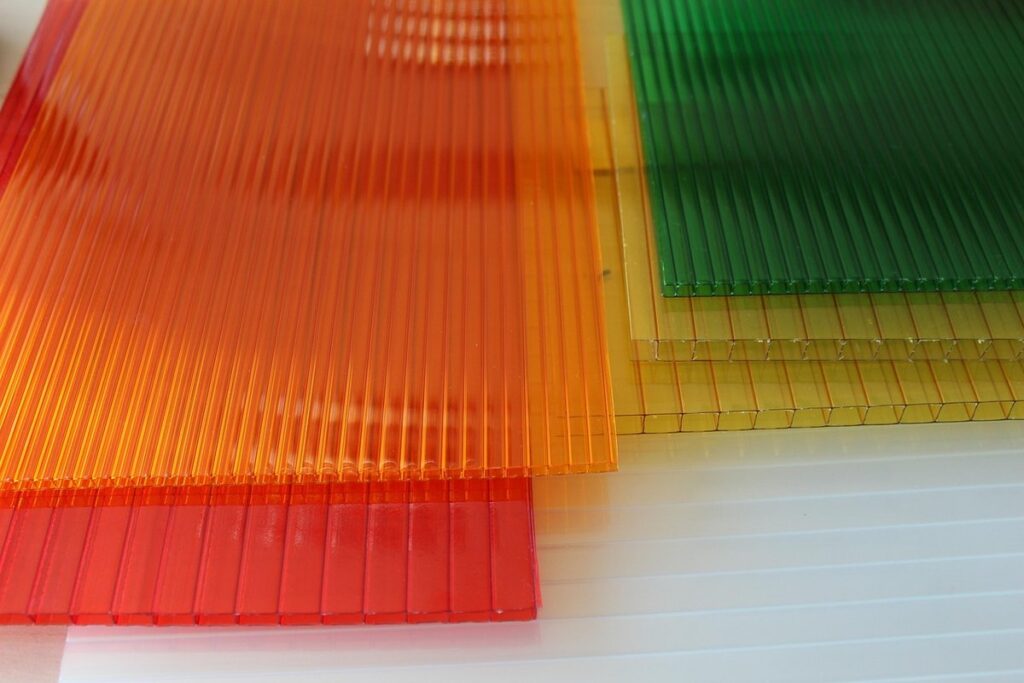
Benefits and Advantages of Polycarbonate Greenhouse Panels
When it comes to choosing polycarbonate greenhouse panels, you want to know what sets them apart from other materials. Let’s explore the benefits and advantages that make them a popular choice for gardeners.
Cost-Effective Solution for Small-Scale Greenhouses
When it comes to small-scale greenhouses, choosing cost-effective materials is crucial. Polycarbonate greenhouse panels have emerged as a leading option due to their durability and affordability. Compared to glass or fiberglass, polycarbonate panels are significantly lighter, making them easier to transport and install.
The initial investment for polycarbonate panels may seem higher, but their lifespan can extend up to 20 years or more, depending on the quality and maintenance. In contrast, glass panels have a shorter lifespan of around 10-15 years, while fiberglass requires frequent replacements due to its susceptibility to degradation from UV rays.
One key advantage of polycarbonate panels is their ability to withstand extreme weather conditions without breaking or shattering like glass. This reduces the need for frequent repairs and replacements, saving you money in the long run. Additionally, many manufacturers offer warranties on their products, providing peace of mind for homeowners.
When selecting polycarbonate panels for your small-scale greenhouse, consider factors such as panel thickness, frame design, and ventilation options to ensure optimal performance. By investing in high-quality polycarbonate panels, you can enjoy a cost-effective solution that meets your needs while minimizing waste and environmental impact.
Energy Efficiency and Insulation Properties
When it comes to maintaining an optimal growing environment within a greenhouse, energy efficiency and insulation properties are crucial. Polycarbonate panels excel in this regard, boasting impressive heat retention capabilities that minimize energy consumption.
One of the primary advantages of polycarbonate panels is their exceptional thermal performance. Their unique structure allows for superior insulation, significantly reducing heat transfer between the outside air and the growing space. This means that less heat escapes during winter months or gets trapped during summer months, ultimately leading to lower energy costs.
Studies have shown that polycarbonate panels can reduce heating demands by up to 30% compared to traditional glass greenhouses. Furthermore, these panels also exhibit excellent resistance to UV radiation, which further contributes to their ability to maintain a stable temperature.
To maximize the benefits of polycarbonate panels, consider installing them with a specialized coating or film that enhances their thermal performance even further. By selecting the right type and thickness of panel for your specific climate and application, you can enjoy significant energy savings while maintaining an optimal growing environment for your plants.
Durability and Longevity of Polycarbonate Panels
One of the most significant advantages of polycarbonate greenhouse panels is their remarkable durability and longevity. These panels are designed to withstand the harsh outdoor conditions that can be detrimental to other types of materials.
Polycarbonate panels demonstrate excellent resistance to weathering, including exposure to rain, snow, and extreme temperatures. They also exhibit minimal UV degradation, which means they won’t discolor or become brittle over time due to sun exposure.
In terms of impact resistance, polycarbonate panels are remarkably durable and can withstand heavy hailstones, branches falling from trees, and other forms of physical stress. This is particularly beneficial for greenhouses that are exposed to high winds or extreme weather conditions.
A study by the University of California found that polycarbonate panels retained up to 95% of their original transparency after being exposed to direct sunlight for over 10 years. This level of durability ensures that your greenhouse remains clear and functional, even in harsh environments.
To maximize the lifespan of your polycarbonate panels, it’s essential to follow proper maintenance procedures, such as cleaning them regularly and inspecting them for damage or wear. By taking these simple steps, you can enjoy the benefits of these versatile and long-lasting panels for years to come.
Design Considerations for Polycarbonate Greenhouse Panels
When choosing polycarbonate greenhouse panels, several design considerations come into play to ensure optimal performance and durability. Let’s take a closer look at these key factors to make an informed decision.
Choosing the Right Thickness and Type of Panel
When it comes to choosing the right thickness and type of polycarbonate panel for your greenhouse, there are several factors to consider. The thickness of the panel will depend on the intended use and climate conditions. For example, if you live in an area with strong winds or heavy snowfall, a thicker panel (typically 8-10 mm) may be necessary to ensure durability and minimize damage.
On the other hand, for smaller greenhouses or those in mild climates, a thinner panel (6-8 mm) may suffice. It’s also worth considering the type of polycarbonate used. Single-walled panels offer good light transmission but are more prone to condensation buildup. Double-walled panels provide better insulation and reduced condensation, but at a slightly higher cost.
When selecting a panel type, think about your specific needs: do you prioritize energy efficiency or weight reduction? By considering these factors and doing some research, you can choose the right thickness and type of polycarbonate panel to meet your greenhouse’s unique demands.
Frame Requirements and Compatibility
When selecting a frame for your polycarbonate greenhouse panels, there are several key requirements and compatibility considerations to keep in mind. Firstly, the frame must be designed specifically with polycarbonate panels in mind, taking into account their unique weight, size, and installation needs.
In terms of material, aluminum frames are often the preferred choice due to their high strength-to-weight ratio and resistance to corrosion. This makes them an ideal match for the durability and longevity of polycarbonate panels. Additionally, aluminum frames can be designed with a sleek and modern aesthetic that complements the look of the greenhouse while allowing for easy maintenance access.
It’s also crucial to consider the compatibility of the frame with the specific type of polycarbonate panel you’re using. Some frames may require specialized adapters or clips to secure the panels in place, while others may be designed with a quick-lock system for effortless installation. By carefully selecting a compatible frame and following manufacturer instructions, you can ensure a seamless and secure installation process that maximizes the benefits of your polycarbonate greenhouse panels.
Installation Tips and Best Practices
When installing polycarbonate greenhouse panels, it’s essential to follow best practices to ensure a successful and long-lasting installation. First, make sure you have the correct tools for the job, including a drill with a screwdriver bit, a tape measure, and a level.
To start, begin by preparing the frame of your greenhouse by ensuring it is square and level. This will provide a solid base for your polycarbonate panels to be installed on. Next, ensure that all necessary hardware is included in the panel kit, such as screws, clips, and sealants.
When installing individual panels, start at the bottom and work your way up. Ensure each panel is securely fastened with screws or clips, following the manufacturer’s instructions for recommended spacing and screw size. Be sure to also inspect for any air leaks by checking the seals around doors, vents, and other joints.
Additionally, be mindful of the weight and size of each panel when handling them, as they can be heavy and unwieldy. Finally, consider hiring a professional if you’re unsure about any aspect of the installation process, especially if you’re new to DIY projects or working with polycarbonate materials.
Comparison with Other Greenhouse Materials
Let’s compare polycarbonate greenhouse panels to other popular materials, such as glass and acrylic, to see how they stack up in terms of performance and durability. This comparison will help you make an informed decision for your project.
Polycarbonate vs. Glass Greenhouse Panels
When it comes to choosing greenhouse panels, two popular options are polycarbonate and glass. While both have their advantages, they differ significantly in terms of cost, weight, and durability.
Polycarbonate panels, for instance, are known for their affordability and lightweight design. They can be up to 80% lighter than glass panels, making them easier to install and transport. However, this reduced weight also affects their structural integrity, making them less suitable for larger or more complex greenhouse designs.
Glass panels, on the other hand, offer superior durability and strength but come with a much higher price tag. They can withstand harsh weather conditions and heavy loads, but their weight makes installation more challenging and expensive. Additionally, glass panels require regular maintenance to prevent damage from moisture and extreme temperatures.
In terms of cost, polycarbonate panels are generally 30-50% cheaper than glass panels, making them a more accessible option for DIY enthusiasts or smaller-scale greenhouses. However, the initial savings may be offset by the need for frequent replacements due to weathering and wear. Ultimately, the choice between polycarbonate and glass panels depends on your specific needs, budget, and greenhouse design.
Polycarbonate vs. Acrylic Greenhouse Panels
When it comes to choosing the right greenhouse panels, two popular options are polycarbonate and acrylic. While both materials have their advantages, they also share some key similarities.
One of the main differences between polycarbonate and acrylic panels is durability. Polycarbonate panels are known for their exceptional impact resistance, making them a great choice for areas with harsh weather conditions or high vandalism risk. Acrylic panels, on the other hand, are more prone to cracking and breaking under pressure. However, they are also more expensive than polycarbonate panels.
In terms of transparency and light transmission, both materials perform well. In fact, polycarbonate panels can provide up to 90% UV protection, while acrylic panels can offer up to 95%. However, the clarity of the panels can vary depending on the manufacturer and quality of the material.
When deciding between polycarbonate and acrylic panels, consider your specific needs and budget. If you’re looking for a durable and affordable option, polycarbonate may be the way to go. But if you prioritize exceptional light transmission and are willing to invest in higher-quality materials, acrylic could be the better choice.
Alternative Materials for Greenhouses
When it comes to building or upgrading a greenhouse, the choice of materials can significantly impact its durability, functionality, and environmental sustainability. While polycarbonate panels are an excellent option for many gardeners and growers, they may not be suitable for every situation. Fortunately, there are several alternative materials you can consider.
One popular alternative is glass, which offers exceptional clarity and UV protection. However, it’s heavier and more expensive than polycarbonate, making it less practical for large or mobile greenhouses. Fiberglass-reinforced plastic (FRP) is another option that provides excellent durability and weather resistance. It’s also relatively lightweight and easy to install, but may not offer the same level of thermal insulation as polycarbonate.
For a more budget-friendly solution, you can consider using PVC-coated polyester or vinyl fabric for your greenhouse covering. These materials are lightweight, waterproof, and easy to clean, but may require more frequent replacement due to their lower durability. When selecting an alternative material, it’s essential to weigh the pros and cons of each option and consider factors like budget, climate, and intended use to ensure you make the best choice for your greenhouse needs.
Installation and Maintenance Considerations
When installing and maintaining polycarbonate greenhouse panels, it’s essential to consider a few key factors that will ensure their longevity and optimal performance. Proper installation and regular maintenance are crucial for these panels to thrive in any environment.
Preparing the Site for Panel Installation
Preparing the site before installing polycarbonate panels is crucial to ensure a successful and long-lasting installation. It’s essential to level the ground where the panel will sit, as uneven surfaces can cause structural issues down the line. To achieve this, start by excavating the area to create a solid base.
Next, lay down a layer of compacted gravel or sand to provide drainage and prevent water from accumulating under the panel. This is particularly important in areas with high rainfall or where the ground tends to be waterlogged.
Securing the frame is also vital to prevent damage from wind or other external factors. Use adjustable feet to ensure the frame is level and plumb, then tighten all screws and clips to provide maximum stability. For added security, consider using tie-downs or straps to secure the panel to nearby structures or anchors in the ground.
Remember to follow the manufacturer’s instructions for specific recommendations on site preparation and installation. A well-prepared site will help ensure your polycarbonate panels last for years to come.
Secure Fastening Methods for Panels
When installing polycarbonate greenhouse panels, securing them properly is crucial to prevent damage from wind, rain, and other environmental factors. A watertight seal is essential to prevent water ingress and maintain the integrity of the panel. To achieve this, you’ll need to use a secure fastening method.
One effective approach is to use a combination of screws and gaskets. First, drill screw holes in the panel at regular intervals, about 12 inches apart. Then, insert screws with a rubber or plastic washer on the underside to create a seal. Next, apply a bead of silicone sealant around the edges of the panel, making sure to cover any gaps between the panel and the frame.
Regularly inspect your fastening points for signs of wear or damage. Check that all screws are tightened securely and that the gaskets remain undamaged. In areas prone to high winds or heavy rainfall, consider using additional securing methods such as clips or straps. By following these steps and regularly maintaining your fasteners, you can ensure a watertight seal and prolong the life of your polycarbonate greenhouse panels.
Regular Maintenance Schedule
To ensure your polycarbonate greenhouse panels remain durable and functional, it’s essential to establish a regular maintenance schedule. This involves cleaning the panels regularly, inspecting for damage, and performing minor repairs as needed.
Begin by setting aside time each week to clean the panels using mild soap and water. Avoid using harsh chemicals or abrasive materials that can scratch the surface. You can also use a soft-bristled brush to remove any stubborn debris. Regular cleaning will help prevent dirt buildup and maintain optimal visibility for plants.
In addition to weekly cleaning, schedule annual inspections to check for any signs of damage. Look for cracks, dents, or broken panels, which can compromise the structure’s integrity. If you notice any issues, address them promptly to prevent further damage. Consider scheduling maintenance tasks during periods of low plant growth, such as winter, when possible.
By following this regular maintenance schedule, you’ll be able to extend the lifespan of your polycarbonate greenhouse panels and keep your growing space healthy and thriving. Remember to always refer to the manufacturer’s guidelines for specific cleaning and maintenance recommendations tailored to your panel type.
Safety Precautions and Considerations
When working with polycarbonate greenhouse panels, it’s essential to take necessary safety precautions to avoid injuries and damage. This section covers critical considerations for a safe installation process.
Handling and Cutting Polycarbonate Panels Safely
When handling and cutting polycarbonate panels, it’s essential to exercise caution to avoid injuries. Polycarbonate panels are prone to shattering and causing cuts due to their brittle nature. To safely handle them, always wear protective gear including gloves, safety glasses, and a dust mask.
Before cutting, inspect the panel for any defects or imperfections that could compromise its integrity during the cutting process. Use a sharp blade specifically designed for cutting polycarbonate materials to minimize heat generation and prevent warping.
Cutting techniques should be precise and controlled to avoid applying too much pressure, which can cause the material to crack or shatter. For straight cuts, use a scoring tool to create a shallow groove along the desired line before making the cut with a utility knife or circular saw. When cutting curves, utilize a jigsaw with a fine-tooth blade to achieve smooth edges.
Regularly cleaning and maintaining your tools will also reduce the risk of accidents and ensure precise cuts.
Potential Hazards and Risks
When working with polycarbonate greenhouse panels, it’s essential to be aware of the potential hazards and risks involved. One of the primary concerns is chemical exposure. Polycarbonate panels can leach chemicals, such as bisphenol A (BPA) or di-2-ethylhexyl phthalate (DEHP), especially when exposed to high temperatures or UV radiation. This can be particularly problematic for people with sensitivities or allergies.
Another risk associated with polycarbonate panels is sharp edges. When cutting or installing the panels, it’s easy to create sharp cuts or splinters that can cause injury. To mitigate this risk, always wear protective gloves and safety glasses when handling the panels.
To minimize exposure to chemicals, ensure you purchase BPA-free and DEHP-free polycarbonate panels. Regular cleaning with mild soap and water can also help reduce chemical leaching. Always follow manufacturer guidelines for installation and maintenance to avoid accidents related to sharp edges or other hazards. By being aware of these potential risks, you can take necessary precautions to create a safe working environment when using polycarbonate greenhouse panels.
Case Studies and Real-World Applications
Let’s take a look at how polycarbonate greenhouse panels have been successfully implemented in real-world settings, providing valuable lessons for your own project. We’ll explore some inspiring case studies.
Successful Greenhouse Projects Using Polycarbonate Panels
When it comes to building a successful greenhouse project, choosing the right materials is crucial. One popular option that has gained widespread acceptance among growers and builders alike is using polycarbonate panels. These durable, shatter-resistant panels offer unparalleled protection against harsh weather conditions, UV rays, and extreme temperatures.
Let’s take a look at some real-world examples of thriving greenhouse projects that have successfully utilized polycarbonate panels. For instance, the “Growing Greenhouse” project in California employed polycarbonate panels to create a climate-controlled environment perfect for growing sensitive crops like lettuce and herbs. The result was a significant increase in crop yields and reduced energy consumption.
In another case, a group of community gardeners in New York City used polycarbonate panels to construct a multi-tiered greenhouse that maximized space while minimizing costs. The project not only provided fresh produce to local residents but also served as an educational hub for sustainable gardening practices. These examples demonstrate the versatility and effectiveness of polycarbonate panels in various greenhouse applications.
Overcoming Challenges with Innovative Solutions
Despite their many benefits, polycarbonate greenhouse panels can face unique challenges that impact performance and efficiency. One of the most common issues is structural integrity. As we’ve seen in a recent study on greenhouse design, improper installation or excessive weight loads can lead to sagging or even collapse of the panel system.
To overcome these obstacles, innovative solutions are being developed and implemented by manufacturers and growers alike. For instance, some companies now offer reinforced polycarbonate panels with thicker gauges or specialized frames that enhance stability and durability. These designs not only ensure structural integrity but also reduce maintenance costs over time.
Another challenge facing polycarbonate greenhouses is temperature control. In high-temperature climates, excessive heat can compromise plant growth and damage equipment. However, some growers have found success by incorporating shading systems or using advanced ventilation strategies to regulate internal temperatures. By optimizing these factors, you can create a more stable environment for your plants.
Some notable examples of innovative solutions include:
* The development of self-supporting polycarbonate panels that eliminate the need for additional framing
* The integration of built-in shading systems that reduce heat loads and prevent UV damage
* The use of advanced coatings or treatments to enhance light transmission and reduce glare
By embracing cutting-edge technologies and strategies, you can not only overcome common challenges but also unlock new possibilities for your greenhouse operation. By staying informed about the latest advancements in polycarbonate panel design and installation, you’ll be better equipped to tackle emerging issues and capitalize on opportunities as they arise.
Frequently Asked Questions
How do I ensure proper panel installation for maximum durability?
Proper installation is crucial to maximize the benefits of polycarbonate greenhouse panels. Make sure to follow the manufacturer’s instructions, choose a sturdy frame that can support the weight of the panels, and secure them with recommended fastening methods. Regular inspections will also help identify any potential issues before they become major problems.
Can I use polycarbonate panels in areas prone to high winds or extreme weather conditions?
Yes, polycarbonate greenhouse panels are designed to withstand harsh weather conditions, including high winds and heavy rainfall. However, it’s essential to choose the right panel thickness and type for your specific climate and exposure level. Consult with a professional if you’re unsure about the best option for your area.
How do I maintain my polycarbonate greenhouse panels over time?
Regular cleaning is key to maintaining the integrity of polycarbonate greenhouse panels. Use a soft cloth or brush to remove dirt, leaves, and debris, and avoid using harsh chemicals that can damage the material. Schedule annual inspections to ensure proper sealing and replace any damaged panels promptly.
Can I mix and match different panel thicknesses in the same greenhouse?
Yes, it’s possible to combine different polycarbonate panel thicknesses in the same greenhouse. However, consider factors like structural integrity, energy efficiency, and overall aesthetic appeal when making this decision. Consult with a professional to ensure a harmonious blend of panels that meet your specific needs.
What are some common mistakes to avoid when handling and cutting polycarbonate panels?
When handling and cutting polycarbonate panels, be careful not to scratch or crush them, as this can lead to cracking and reduced durability. Use sharp, rigid blades specifically designed for polycarbonate materials, and follow safety guidelines to prevent accidents.