
Are you looking to create a haven for these vital pollinators in your garden? Mason bee houses are an excellent way to attract mason bees, which play a crucial role in plant reproduction. Unfortunately, many of these essential pollinators are struggling due to habitat loss and other environmental factors. By providing a welcoming space for them in your yard, you can make a significant contribution to their survival.
In this article, we’ll delve into the world of mason bee houses, sharing expert tips on choosing the best one for your garden, attracting these beneficial insects, and maintaining a healthy environment. You’ll learn how to select the right type of mason bee house, where to place it, and what to do when common challenges arise. Whether you’re a seasoned gardener or just starting out, our guide will provide you with the knowledge you need to create a thriving haven for these incredible pollinators.
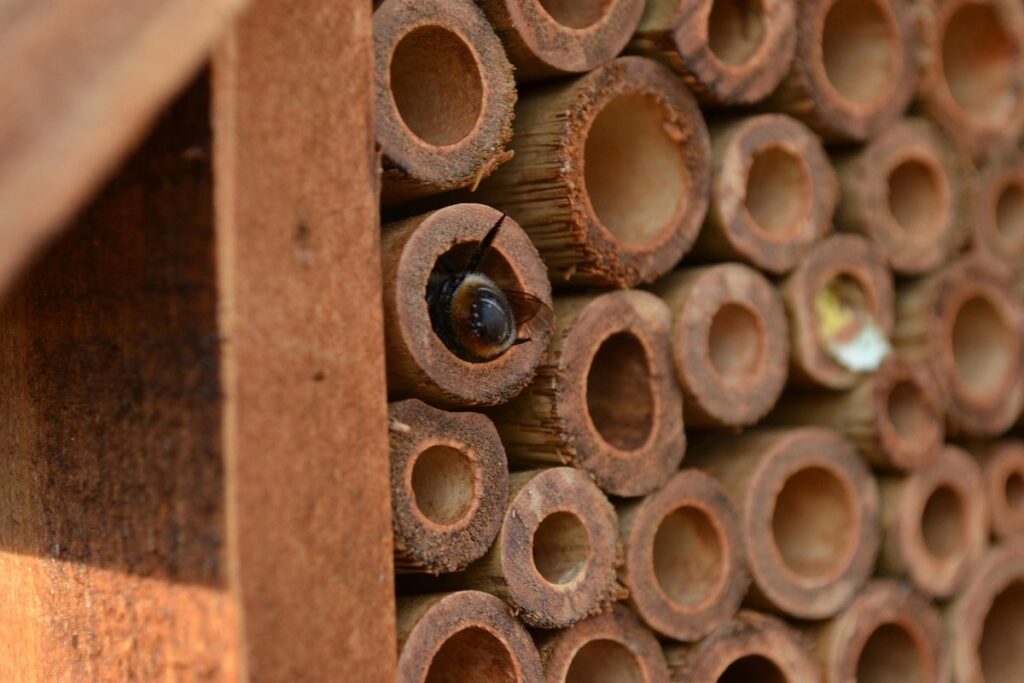
What are Mason Bees and Why Do We Need Them?
Let’s start by understanding who these incredible pollinators are, and why they’re so vital to our ecosystem and food supply. You’ll discover their fascinating characteristics in this section!
Introduction to Mason Bees
Mason bees are one of the most important pollinators we need to attract to our gardens and ecosystems. These small, solitary bees play a crucial role in plant reproduction, often outnumbering honeybees by up to 300 times in areas with suitable habitat. Unlike their social counterparts, mason bees don’t collect nectar or pollen for food; instead, they focus on pollination.
As primary pollinators of certain crops, such as blueberries and strawberries, mason bees are responsible for transferring pollen between flowers, allowing plants to set fruit and produce seeds. Without them, many plant species would struggle to reproduce, resulting in reduced crop yields and decreased biodiversity. By attracting mason bees to your garden, you’ll not only support the local ecosystem but also enjoy a more abundant harvest.
To create an inviting environment for these pollinators, consider installing a mason bee house near your plants or flowers. This simple action can make a significant difference in their population growth and overall health.
The Decline of Native Bee Populations
Native bee populations, including mason bees, have been declining alarmingly over the past few decades. According to data from the US Department of Agriculture, native bee populations have declined by up to 30% between 2006 and 2016. This decline is not just limited to a single species, but affects many types of native bees, including mason bees.
The causes of this decline are complex and multifaceted. Habitat loss and fragmentation due to urbanization and intensive farming practices have reduced the availability of food and shelter for native bees. Climate change has also disrupted the delicate timing of pollinator-bee interactions, making it difficult for some bee species to adapt. Pesticide use, particularly neonicotinoids, has been linked to bee deaths, further exacerbating the problem.
Mason bees, in particular, are vulnerable due to their reliance on specific host plants for food and shelter. As we explore ways to attract mason bees to our gardens with mason bee houses, it’s essential to recognize the broader context of their decline. By understanding the challenges facing native bee populations, we can better design and maintain habitats that support these crucial pollinators.
Types of Mason Bee Houses: A Guide to Choosing the Right One
When it comes to selecting a mason bee house, understanding your options is key. There are several types to choose from, each with its own unique characteristics and benefits.
Pre-made Mason Bee Houses
When it comes to choosing a mason bee house, many gardeners opt for pre-made models that cater to these solitary pollinators. These pre-fabricated abodes come in various shapes and sizes, making it easier for beginners to attract mason bees without extensive DIY skills.
One of the most popular types of pre-made mason bee houses is wooden boxes. These traditional-style homes often feature vertical rows of holes or compartments that allow females to nest and lay their eggs. The wood used should be untreated, as chemicals can harm these beneficial insects. Consider choosing a box with a cedar or cypress finish for its natural pest-repelling properties.
Another option is plastic shelters, which offer a more durable and low-maintenance alternative. These modern designs often feature intricate patterns and textures that mimic the bees’ natural habitats. Look for models with built-in ventilation to prevent moisture buildup and ensure the health of your mason bee population.
Nesting blocks are also available as pre-made options. Typically made from wood or composite materials, these blocks offer a unique, 3D environment where mason bees can build their nests. Choose a block with varied hole diameters to accommodate different species, as this will increase biodiversity in your garden.
By selecting the right pre-made mason bee house, you’ll be providing these essential pollinators with a welcoming habitat. Consider your local climate and choose a design that suits your region’s specific needs. With proper placement and maintenance, your new home will become a haven for mason bees, supporting their reproduction and subsequent visits to your garden’s flowers.
DIY Mason Bee House Options
Building your own mason bee house is a fun and rewarding DIY project that can provide you with a unique and eco-friendly way to attract these important pollinators. You can use reclaimed wood, bamboo, or recycled plastic as materials for your project.
To get started, gather the necessary materials, including a wooden block, some nails, a hammer, and a drill. You’ll also need to decide on the design of your mason bee house – consider a simple box with a roof, or something more intricate like a log home or a bamboo hive. For example, you could use an old cedar fence post as the base for your mason bee house, adding some wooden strips and a roof made from a piece of reclaimed wood.
Some tips to keep in mind: make sure your mason bee house is at least 6-8 inches deep to provide enough space for the bees to nest comfortably. Also, consider adding a roof that can be easily removed for cleaning and maintenance.
How to Attract Mason Bees to Your Yard
To attract these beneficial pollinators, we’ll dive into some simple and effective tips for creating a welcoming environment in your yard that’s perfect for mason bees. This includes choosing the right location and providing essential nesting sites.
Choosing the Perfect Location for Your Mason Bee House
When installing a mason bee house, it’s essential to consider the location carefully. These important pollinators require specific conditions to thrive, and choosing the right spot can make all the difference.
Sunlight is crucial for mason bees as they rely on warmth to regulate their body temperature and metabolism. Aim to install your mason bee house in a location that receives at least six hours of direct sunlight per day. A south-facing wall or a spot near a sunny windowsill would be ideal.
Proximity to water is also vital, as mason bees need water for drinking and to cool down on hot days. However, the location should not be too close to a water source, as this can attract pests and predators that may harm your mason bees. A general rule of thumb is to keep the bee house at least 10-15 feet away from any standing water.
Remember, the location you choose will impact the overall health and well-being of your mason bee population. Take the time to select a suitable spot, and with proper care and maintenance, your mason bee house will be buzzing with activity in no time!
Planting a Mason Bee-Friendly Garden
When planting a mason bee-friendly garden, it’s essential to choose flowers that are rich in pollen and nectar. Mason bees rely on these nutrients to fuel their pollination activities, so incorporating the right plants will make your garden a haven for them.
Start by including a mix of annuals and perennials that bloom at different times throughout the growing season. This will provide a constant source of food for mason bees from spring to fall. Some excellent choices include lavender, coneflower, bee balm, and sunflower. These plants are not only attractive but also produce an abundance of pollen and nectar.
It’s also crucial to choose plants that are native to your region. Mason bees have a strong affinity for local flora, so selecting plants that grow naturally in your area will make them feel right at home. For example, California poppies are a great choice for western gardeners, while black-eyed Susans thrive in eastern gardens.
Incorporate a variety of plants with different bloom times to ensure a constant supply of food for mason bees. By doing so, you’ll create a welcoming environment that will attract these important pollinators and encourage them to make your garden their home.
Maintenance and Care for Your Mason Bee House
To ensure your mason bee house remains healthy and welcoming, it’s essential to regularly clean and maintain the structure to keep your pollinators thriving. Regular checks will also help you identify any potential issues.
Cleaning and Disinfecting the Mason Bee House
Cleaning and disinfecting your mason bee house is crucial to prevent disease and parasites from affecting the bees. As with any living space, a clean environment is essential for the health and well-being of your mason bees. Start by removing any debris or dead bees that may be present in the house. Use a gentle brush or soft-bristled broom to sweep away any dirt or cobwebs.
For disinfecting, mix 1 part white vinegar with 9 parts water in a spray bottle. Spray the solution into the mason bee house, making sure to reach all areas, including the cells and entrance tunnel. Allow the solution to sit for about 10 minutes before rinsing it off with clean water. This will help kill any bacteria or parasites that may be present.
It’s also essential to dry the mason bee house thoroughly after cleaning and disinfecting to prevent moisture buildup. You can use a soft cloth or let it air-dry, depending on the material of your bee house. Regular cleaning and disinfecting will ensure a healthy environment for your mason bees to thrive in.
Monitoring Mason Bee Activity
Monitoring Mason Bee activity is crucial for understanding their behavior and optimizing your bee house’s effectiveness. Start by observing the entrance of your mason bee house regularly, ideally during peak sunny hours when bees are most active. You’ll notice that different species of mason bees have distinct characteristics, such as color, size, and shape. To track species diversity, take note of the types of bees you observe and record them in a journal or spreadsheet.
Tracking population growth is also essential for determining the success of your bee house. Count the number of emerged bees each week and note any patterns or trends. You can also use sticky traps or observation windows to monitor bee activity without disrupting their nesting process. By monitoring your mason bee population, you’ll be able to identify which species are most attracted to your bee house and make adjustments to optimize its design or placement for maximum effectiveness.
By tracking species diversity and population growth, you’ll gain valuable insights into the behavior of your mason bees and be able to refine your approach to creating a thriving pollinator habitat.
Common Challenges and Solutions for Mason Bee Keepers
As a mason bee keeper, you may encounter some challenges that can impact your success, but don’t worry, we’ve got you covered with practical solutions to common issues. From maintenance headaches to pest problems, let’s tackle them together.
Managing Pests and Predators
As a mason bee keeper, you’ll inevitably encounter pests and predators that target these beneficial pollinators. Wasps, mice, and birds are common culprits that can damage your mason bee house or even harm the bees themselves. To manage these issues effectively, it’s essential to understand their behavior and take proactive measures.
Wasps, in particular, are attracted to the sweet scent of mason bees’ nesting materials. To deter them, consider using a wasp trap near your mason bee house. These traps usually contain a sweet liquid bait that lures wasps inside, preventing them from reaching your mason bees. You can also hang a few pieces of raw meat or fish near the entrance to repel wasps – they dislike the smell of these foods.
Mice and birds may attempt to access your mason bee house through small openings or crevices. To prevent this, ensure that all entrances are securely sealed with mesh or fine wire. You can also place a few bird-repellent balloons around the area – the movement and coloration of these balloons often scare off birds.
Regularly inspect your mason bee house for signs of pest or predator activity. If you notice any damage or unusual behavior, take prompt action to repair or replace damaged components. By being proactive and taking measures to deter pests and predators, you can create a safe and healthy environment for your mason bees to thrive.
Addressing Mason Bee Behavior Issues
When working with mason bees, you may encounter some behavioral issues that can be challenging to address. One common problem is aggression towards humans. This can be particularly frustrating for beekeepers who want to observe and learn from their mason bees without feeling threatened.
Mason bees are naturally defensive creatures when they feel their nest or young are being threatened. If a mason bee becomes aggressive, it’s essential to identify the cause of the behavior. Is the bee protecting its nest, or is there an issue with its food supply? By understanding the root cause, you can take steps to address the problem.
To minimize aggression issues, consider using a mason bee house with built-in compartments and separate entrance points for each bee. This design allows individual bees to focus on their own nesting sites without feeling territorial towards others. Additionally, maintain a clean environment around your mason bee house by removing any debris or excess pollen that may attract pests and cause stress to the bees.
Another behavioral issue is inter-species aggression, where one species of bee becomes aggressive towards another. To mitigate this, use separate mason bee houses for different species or implement other separation methods such as a mesh barrier between nesting sites.
Keep in mind that not all mason bees will exhibit aggression issues, and with proper care and management, you can enjoy a harmonious relationship with your pollinator friends.
Encouraging Long-term Success with Your Mason Bee House
Now that your mason bee house is attracting a happy crowd, let’s talk about how to encourage them to stick around and thrive long-term.
Maintaining a Healthy Ecosystem
A healthy ecosystem is crucial for the long-term success of your mason bee house. Mason bees rely on specific conditions to thrive, and neglecting these factors can lead to a decline in population. Soil quality is a critical aspect to consider – mason bees need undisturbed areas with loose soil to nest and lay eggs. Avoid compacting the soil around your bee house by minimizing foot traffic and avoiding mulching that’s too deep.
Water availability is also vital, as adult mason bees require water for drinking and egg-laying. Ensure a nearby source of fresh water, such as a shallow dish or birdbath with rocks for perching. Aim to have some vegetation with low-maintenance watering needs, like sedum or succulents, nearby to provide shelter and nectar sources.
Maintaining a diverse range of plants with varying bloom times will also attract additional pollinators and create a balanced ecosystem. This mix of vegetation will supply the bees with food throughout different seasons, making your mason bee house more attractive and sustainable in the long run.
Educational Resources for Continued Learning
As you continue to care for and maintain your mason bee house, it’s essential to remain committed to ongoing learning. This commitment will not only enhance your understanding of these vital pollinators but also improve the success rate of your mason bee house. Fortunately, there are numerous educational resources available for continued learning.
One excellent resource is online courses and webinars that focus on mason bee keeping. These platforms offer in-depth training from experienced experts, covering various aspects of mason bee care and management. For example, a course might delve into the importance of maintaining the right temperature within the bee house or discuss the benefits of using specific types of nesting materials.
Another valuable resource is online forums and communities dedicated to mason bee enthusiasts. These platforms provide an opportunity for like-minded individuals to share knowledge, experiences, and tips on caring for their mason bees. By participating in these online discussions, you can gain a deeper understanding of best practices and identify potential areas for improvement in your own bee house management.
Furthermore, local universities or colleges often offer courses, workshops, or extension programs related to pollinator conservation and mason bee keeping. These educational opportunities allow you to connect with experts and like-minded individuals in person, fostering valuable connections and a deeper understanding of the subject matter.
Lastly, consider consulting books and publications specific to mason bee keeping. These resources provide detailed information on various aspects of caring for your mason bees, from designing and building an effective bee house to managing pests and diseases within the colony. By staying informed through these educational resources, you’ll be better equipped to address any challenges that arise in your mason bee house and ensure its continued success.
Frequently Asked Questions
Can I use a pre-made mason bee house in combination with a DIY option?
While it’s possible to combine pre-made and DIY options, ensure that the materials used are compatible and won’t harm the bees. For example, using wood treated with pesticides can be detrimental to mason bees.
What if my mason bee house is infested with pests or predators? How do I manage them?
Inspect your mason bee house regularly for signs of pests or predators. Use natural deterrents like diatomaceous earth or neem oil to repel unwanted visitors. Consider relocating the infested section or replacing it entirely.
Are there any specific plants that are more attractive to mason bees than others?
Mason bees are drawn to a variety of flowers, especially those in the mint, rosemary, and sunflower families. Incorporate these into your garden to create a bee-friendly environment. Aim for a mix of annuals and perennials with different bloom times to provide a constant source of nectar.
How often should I clean and disinfect my mason bee house?
Clean the mason bee house in the fall after the bees have ceased activity. Remove any debris, propolis, or dead bees. Disinfect the structure using a solution of 1 part white vinegar to 9 parts water to prevent disease transmission.
Can I use a single mason bee house for multiple species of mason bees?
While some species may coexist peacefully, others may compete or harm each other. Research the specific needs and habits of the mason bee species in your area to determine if using a single house is suitable. Consider installing separate houses for different species.