
Small gardens can be a challenge when it comes to creating a sense of seclusion and privacy. But, with the right choice of hedge plant, you can achieve both without sacrificing valuable space. Not only do hedges provide an instant screen, but they also offer numerous environmental benefits and require minimal maintenance. In this article, we’ll explore how to choose the perfect hedge plants for your small garden, including considerations for climate, soil type, and growth rate. We’ll also delve into the benefits of using hedge plants in compact spaces, from reducing noise pollution to providing a natural habitat for wildlife. Whether you’re a seasoned gardener or just starting out, our expert guide will help you make informed decisions when it comes to planting and caring for hedges in small gardens.
Benefits of Planting a Hedge in a Small Garden
Planting a hedge can greatly enhance your small garden’s aesthetic and functionality, providing a unique opportunity for creative design and versatility. This section will explore its many benefits.
Space-Saving Solutions
When it comes to small gardens, space is often at a premium. This is where hedges can be incredibly effective in providing solutions to common problems like lack of privacy and visual interest. By carefully selecting the right hedge plant, you can create a beautiful and functional barrier that not only adds curb appeal but also helps to reduce noise pollution.
For instance, planting a row of tall evergreen shrubs along your property boundary can block out unwanted views from neighbors while also creating a lush, green backdrop for your garden. This is especially beneficial in urban areas where homes are often close together and noise levels can be high. By choosing the right hedge plant, you can enjoy reduced noise pollution and a more peaceful outdoor space.
To create a visually appealing hedge, consider using a mix of different plants with varying heights, textures, and foliage colors. This will not only add depth but also provide year-round interest. Plus, by incorporating native plants into your design, you’ll be supporting local wildlife and reducing maintenance needs – a win-win for small garden owners!
Environmental Advantages
Planting a hedge in your small garden is not only aesthetically pleasing, but it also offers numerous environmental advantages. One of the most significant benefits is carbon sequestration. Hedges can absorb and store carbon dioxide from the atmosphere, helping to mitigate climate change. For instance, a study found that hedgerows can sequester up to 100 kg of CO2 per year.
In addition to carbon sequestration, hedges also play a crucial role in preventing soil erosion. The dense foliage of hedges acts as a barrier against wind and rain, protecting the soil from being washed or blown away. This is especially important for small gardens with limited soil depth. According to the UK’s Royal Horticultural Society, hedgerows can help reduce soil erosion by up to 70%.
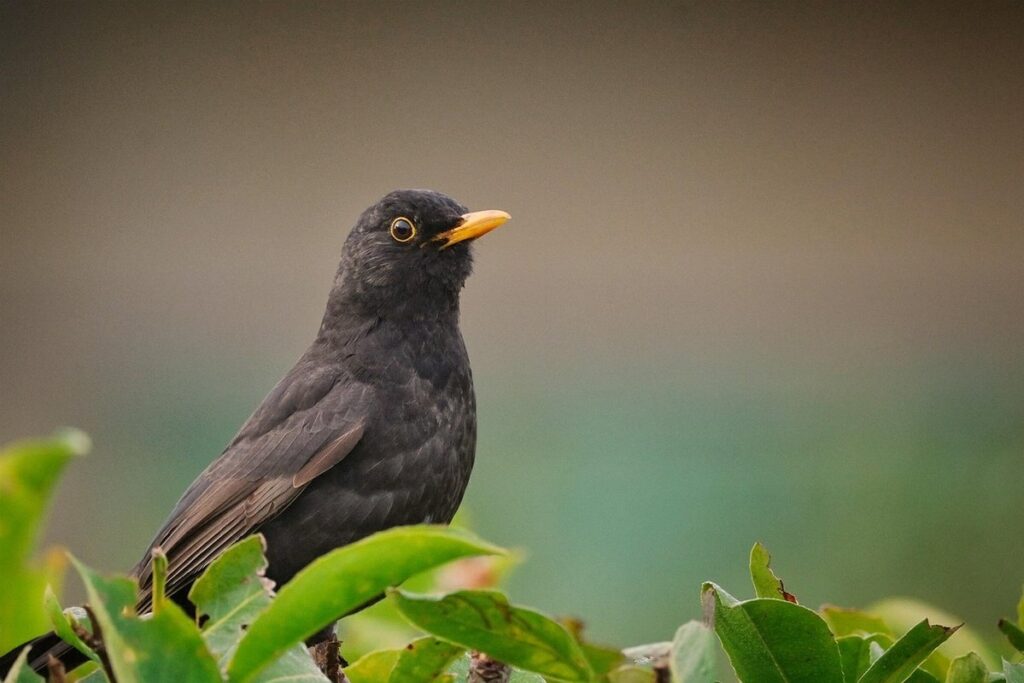
By planting a hedge, you’re also creating a wildlife habitat. Hedges provide food, shelter, and breeding grounds for various insects, birds, and mammals. This is particularly beneficial in small gardens where space is limited. For example, consider planting native species like lavender or rosemary, which attract pollinators and provide a haven for small creatures.
Choosing the Right Hedge Plant for Your Small Garden
When it comes to selecting a hedge plant for your small garden, there are so many factors to consider, from height and growth rate to maintenance requirements. Let’s break down what you need to know.
Considerations for Different Climates
When it comes to choosing the right hedge plant for your small garden, climate is an essential factor to consider. Different climates demand specific characteristics in a hedge plant, such as drought tolerance or shade-lovers. Here’s how to select the perfect hedge for your region.
For temperate climates with moderate temperatures and rainfall, you can opt for a wide range of hedge plants like boxwood, lavender, or rosemary. These species are relatively low-maintenance and thrive in well-drained soil. On the other hand, tropical climates require more specific attention. In these regions, choose heat-tolerant species such as bamboo, bougainvillea, or hibiscus that can withstand high temperatures and humidity.
For arid climates with limited water resources, it’s crucial to select drought-tolerant hedge plants like succulents (e.g., aloe, agave) or yuccas. These plants have adapted to conserve water in dry environments and will require minimal watering. If your garden receives partial shade, look for species that prefer shaded conditions, such as ferns or hostas. By considering these climate-specific requirements, you’ll be able to find the ideal hedge plant for your small garden, regardless of where you live.
Popular Small Garden Hedge Options
When it comes to small gardens, choosing the right hedge plant can be a daunting task. However, there are many popular options that thrive in compact spaces and add beauty to your outdoor oasis.
For those who prefer low-maintenance hedges, evergreen shrubs like boxwood, holly, and lavender are excellent choices. These plants require minimal pruning and care, making them perfect for busy gardeners. Boxwood, for instance, can be shaped into topiaries or left unpruned to create a lush, green screen. Holly is another versatile option that provides year-round interest with its bright red berries.
If you’re looking for flowering hedges, rosemary and hydrangea are excellent options. Rosemary produces vibrant blue flowers in the summer months, while hydrangea blooms in shades of pink, blue, or white, depending on soil pH. Both plants require regular watering but can thrive in well-drained soil and full sun to partial shade conditions.
Consider your garden’s specific needs, climate, and personal style when selecting a hedge plant. Some may prefer the formal look of boxwood, while others may enjoy the whimsy of hydrangea. With these popular options, you’re sure to find the perfect hedge for your small garden.
Planting and Establishing a New Hedge in Your Small Garden
Now that you’ve chosen your perfect hedge plants, let’s move on to planting them successfully. This section will guide you through the process of establishing a thriving new hedge in your small garden.
Preparing the Site
Before planting new hedge plants, it’s essential to prepare the site properly. This involves selecting a suitable location for your hedge, testing and amending the soil if necessary, and digging holes for the plants.
When choosing a planting location, consider the mature size of your hedge plants, as well as any nearby obstacles such as trees or buildings. Make sure the area receives sufficient sunlight and has good air circulation to promote healthy growth. If you’re planning to create a formal hedge, choose a location with a level surface to ensure even growth.
Test the soil by digging a small hole and checking its pH level. Most hedge plants prefer slightly acidic to neutral soil (pH 6.0-7.0). If your soil is too alkaline or acidic, amend it with organic matter such as compost or well-rotted manure. Dig holes for the new plants that are about twice as wide and just as deep as the plant’s root ball.
This will give the roots enough room to spread out and establish a strong foundation for growth. Remember to space your hedge plants at recommended intervals, usually 30-60cm (12-24in) apart, depending on the variety.
Tips for Successful Establishment
When it comes to establishing a new hedge in your small garden, proper watering, fertilizing, and mulching are crucial for its success. Young hedges require consistent moisture, especially during their first year of growth. Aim to provide about 1-2 inches of water per week, either through rainfall or irrigation.
Fertilization is another critical aspect to consider. Choose a balanced fertilizer that contains equal parts nitrogen, phosphorus, and potassium (NPK). Apply it according to the manufacturer’s instructions, taking care not to over-fertilize, which can damage your hedge’s roots. A general rule of thumb is to fertilize your hedge in early spring and again after summer pruning.
Mulching around the base of your new hedge helps retain moisture, suppress weeds, and regulate soil temperature. Opt for a thick layer (about 2-3 inches) of organic mulch like wood chips or bark, keeping it a few inches away from the plant’s stem to prevent rotting. This simple yet effective practice will set your young hedge up for long-term success and help it thrive in your small garden.
Maintenance and Care of Hedges in Small Gardens
Maintaining a healthy hedge is just as important as choosing the right one, so let’s take a look at some simple tips for keeping your small garden hedges thriving. Regular pruning and watering are key!
Pruning Techniques
Pruning is an essential maintenance task that helps maintain the shape and size of your hedge while promoting healthy growth. It’s best to prune regularly throughout the year rather than letting it accumulate and becoming a daunting task.
To maintain shape, use thinning cuts to remove about one-third of the new growth in early spring or late summer. This encourages bushy growth and prevents legginess. Prune individual branches by cutting just above a leaf node, making clean cuts with sharp secateurs to prevent spreading diseases. Regularly tidy up stray shoots and trim overgrown sections.
For promoting growth, tip prune in late winter or early spring by cutting back the longest stems to about one-third of their length. This stimulates new growth from dormant buds, creating fullness and density. Be cautious not to remove too much foliage at once, as this can shock the plant and lead to disease susceptibility.
When controlling size, use judicious reductions in late winter or early spring to maintain a hedge’s overall shape without sacrificing its structure. Cut back branches that are crossing over or rubbing against each other, creating an opportunity for air circulation and sunlight penetration within the hedge.
Pest and Disease Management
When it comes to maintaining a healthy hedge in your small garden, pest and disease management is an essential aspect. To keep your hedge thriving, you’ll want to be aware of common pests and diseases that can affect them.
Common Pests: Aphids, spider mites, and scale insects are frequent visitors to hedges, especially those with soft leaves like privet or lavender. These tiny critters feed on plant sap, weakening the hedge and causing curled or distorted leaves. To manage aphid infestations, try spraying your hedge with a strong jet of water to dislodge them, followed by an insecticidal soap solution.
Common Diseases: Root rot, leaf spot, and powdery mildew are common diseases that can affect hedges in small gardens. Root rot is caused by overwatering, which can lead to fungal growth around the roots. To prevent root rot, ensure good drainage and avoid waterlogging your hedge’s soil.
Prevention Strategies:
* Regularly inspect your hedge for signs of pests or diseases
* Maintain a healthy distance between plants to prevent overcrowding, which can foster disease development
* Water wisely: avoid overwatering and provide adequate air circulation around the plants
By being proactive in monitoring your hedge for potential problems and taking swift action when necessary, you’ll be well on your way to enjoying a lush, thriving hedge that adds beauty and structure to your small garden.
Troubleshooting Common Hedge Problems
As you plant and nurture your hedge, it’s not uncommon for issues to arise. Don’t worry, we’ve got some practical advice on how to resolve common problems.
Dealing with Overgrowth or Undergrowth
When it comes to hedge care, dealing with overgrowth or undergrowth is an inevitable issue that can arise. If left unchecked, an overgrown hedge can become top-heavy and prone to breaking, while an undergrown area may not provide the desired level of privacy or visual appeal.
To address these issues, start by assessing the growth pattern of your hedge. Look for any signs of uneven growth, such as bare patches, thin areas, or branches that are growing inwards rather than outwards. You can use a pruning saw or loppers to trim back overgrown sections, cutting them back about one-third to encourage new growth.
For undergrown areas, consider using a hedge trimmer with adjustable blade settings to carefully neaten up the edges and promote even growth. Regular pruning, ideally during the dormant season, will help maintain shape and prevent future problems. By regularly monitoring your hedge’s growth pattern and addressing any issues promptly, you can keep your small garden looking neat and tidy all year round.
Solutions for Common Challenges
If you’re experiencing issues with your hedge plant, don’t worry – we’ve got some solutions for common challenges. Plant death can be caused by inadequate watering, extreme weather conditions, or disease. To prevent this, ensure you’re providing the right amount of water and considering a drip irrigation system for efficient watering. For instance, if you live in an area with frost, choose a hedge plant that’s tolerant of cold temperatures.
Root damage often occurs when hedges are planted too close to each other or nearby structures. This can cause roots to grow upwards instead of downwards, leading to potential issues. To avoid this, plant your hedge at least 3-4 feet away from surrounding features and consider using a root barrier membrane. Additionally, soil contamination may occur due to poor drainage or overuse of fertilizers. Regularly test your soil pH levels and adjust them accordingly to prevent nutrient deficiencies.
By implementing these simple solutions, you can minimize the risk of common hedge problems and keep your small garden thriving.
Tips for Creating a Low-Maintenance Hedge in Your Small Garden
When it comes to small gardens, a low-maintenance hedge can be a lifesaver. We’ll share our top tips for creating a beautiful and stress-free hedge that fits perfectly into your compact outdoor space.
Water-Saving Strategies
When choosing hedge plants for your small garden, it’s essential to consider their watering needs. Healthy hedge plants require regular moisture, especially during their first year of growth. However, excessive watering can lead to root rot and other problems.
To reduce watering needs and conserve resources while maintaining healthy hedge plants, follow these strategies:
* Choose drought-tolerant species like boxwood, yew, or lavender, which require less frequent watering.
* Plant your hedge in well-draining soil to prevent waterlogging.
* Mulch around the base of your hedge to retain moisture and suppress weeds, reducing the need for supplemental irrigation.
* Install a drip irrigation system, which delivers water directly to the roots, reducing evaporation and runoff.
* Water during cooler parts of the day or evening to minimize evaporation.
By implementing these water-saving strategies, you can maintain a healthy and thriving hedge while conserving resources. Remember to monitor your hedge’s specific needs and adjust your watering schedule accordingly.
Mulching and Other Care Tips
Mulching helps retain moisture in the soil, suppress weeds that compete with your hedge for water and nutrients, and regulate soil temperature. To mulch effectively, apply a 2-3 inch layer of organic material like wood chips or bark around the base of your hedge plants. As this breaks down, add more to maintain the depth.
Composting is another low-maintenance approach to caring for your hedge. Create a compost pile in a corner of your garden and add kitchen scraps, leaves, and other yard waste as you go. This nutrient-rich mixture will help fertilize your hedge without adding synthetic chemicals to the soil.
When it comes to pest control, consider using natural methods like attracting beneficial insects or introducing organic pesticides. For example, ladybugs can be used to control aphid populations, while neem oil is a gentle yet effective way to repel pests like spider mites and mealybugs. Regularly inspect your hedge for signs of disease or infestation, and address issues promptly with these natural methods.
Frequently Asked Questions
Can I plant a hedge during different seasons, or is there an ideal time?
Yes, the best time to plant a hedge depends on your climate and the type of plants you’re using. Generally, spring and fall are considered ideal times for planting hedges in temperate climates, as the weather is mild and rainfall is more consistent. However, if you’re in a warm climate, winter might be a better option. Be sure to choose plants suitable for your region’s specific conditions.
How often should I water my hedge plants during hot summer months?
Watering frequency depends on factors like soil type, plant species, and weather conditions. As a general rule, newly planted hedges require more frequent watering (about once or twice a week) until they’re established. Mature hedges can usually get by with less frequent watering (about every 7-10 days). Monitor your plants’ responses to adjust your watering schedule accordingly.
Can I use hedge plants as a natural pest control method in my small garden?
Yes, many hedge plants have natural properties that repel pests or attract beneficial insects. For example, lavender and rosemary are known to deter mosquitoes and other pests. Consider incorporating these plants into your hedge for a more sustainable approach to pest management.
How can I ensure my hedge is getting enough nutrients in poor soil conditions?
Hedges in poor soil may require additional fertilization. Use a balanced fertilizer during the growing season, and consider supplementing with compost or organic matter. Mulching around the base of the plants can also help retain moisture and reduce nutrient loss due to leaching.
What’s the best way to prune my hedge for a clean, tidy appearance?
Pruning techniques vary depending on the type of plant and your desired shape. Start by removing any dead or damaged branches, then use sharp, clean tools to trim the plants to maintain their shape. Consider using topiary shapes or formal pruning styles for a more manicured look.