
When it comes to creating beautiful and functional garden beds, choosing the right type of wood is crucial. Not only does it affect the overall look and feel of your outdoor space, but it also plays a significant role in ensuring the longevity and health of your plants. With so many options available, selecting the best wood for your garden beds can be overwhelming. That’s why we’ve put together this guide to help you navigate the world of hardwoods and softwoods. From identifying sustainable options that meet your budget to understanding the benefits and drawbacks of each type, this article will walk you through the process of choosing the perfect wood for your garden beds.
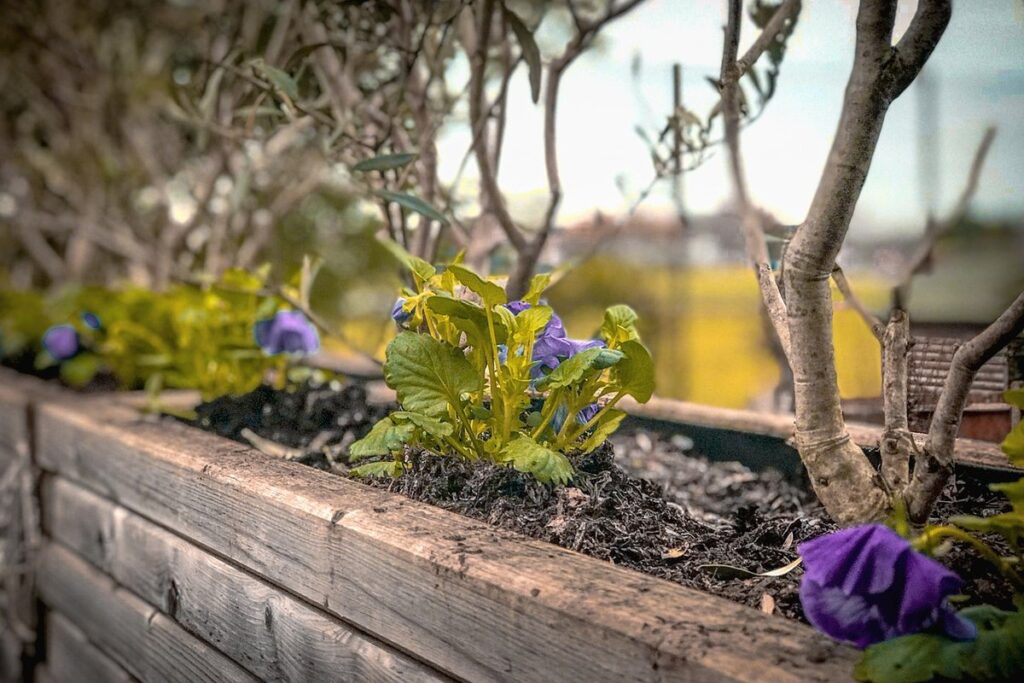
Choosing the Right Type of Wood
When selecting wood for your garden bed, it can be overwhelming with so many types to choose from. Let’s break down the key characteristics that’ll help you pick the perfect type of wood for your project.
Factors to Consider When Selecting Wood
When selecting wood for garden beds, there are several essential factors to consider. First and foremost, think about durability. Will the wood be able to withstand the elements and last for multiple growing seasons? Consider woods like cedar and cypress, which are naturally resistant to rot and insect damage.
Next, consider weather resistance. Some woods are more prone to warping or cracking in extreme temperatures, while others can withstand harsh weather conditions with ease. For example, hardwoods like oak and maple tend to be more stable than softwoods like pine or fir.
Finally, think about maintenance requirements. Do you want a wood that’s low-maintenance and easy to clean, or one that requires regular sealing or staining? Woods like pressure-treated pine can be durable but require frequent maintenance to prevent rot and decay. On the other hand, woods like reclaimed barn wood are often weathered and distressed, requiring little to no maintenance at all.
Ultimately, the right wood for your garden bed will depend on your specific needs and preferences. By considering these factors and weighing your options carefully, you can choose a wood that will provide years of beautiful service in your garden.
Popular Types of Hardwoods for Garden Beds
When it comes to choosing the right type of wood for your garden bed, hardwoods are an excellent option. They’re durable, long-lasting, and can withstand harsh weather conditions. Here are some popular types of hardwoods that are perfect for garden beds:
Oak is a great choice, especially white oak, which is resistant to rot and decay. It’s also relatively inexpensive compared to other hardwoods. Maple is another popular option, known for its light color and fine grain. Cherry wood is also a favorite among gardeners, with its rich red color and durability.
When selecting hardwood for your garden bed, consider the climate and level of maintenance you’re willing to commit to. For example, if you live in an area with high rainfall or extreme temperatures, oak might be the best choice due to its resistance to moisture. On the other hand, cherry wood requires more maintenance but adds a beautiful aesthetic touch to your garden.
When using hardwood for your garden bed, make sure to properly seal and treat it to prevent rot and insect damage. This will extend the lifespan of your wooden garden bed and keep it looking great for years to come.
Softwoods: A Cost-Effective Alternative
When it comes to building garden beds, many homeowners are drawn to softwoods like pine and spruce due to their affordability. And for good reason – softwoods can be significantly cheaper than hardwoods, making them a cost-effective option for those on a budget.
However, it’s essential to weigh the pros and cons before deciding on softwoods. While they may be more affordable upfront, softwoods are generally softer and less durable than hardwoods. They can be prone to warping, cracking, or rotting if not properly treated. For example, pine is highly susceptible to fungal decay, which can compromise the structural integrity of your garden bed.
Despite these potential drawbacks, many types of softwoods – such as spruce and fir – are naturally resistant to rot and insects, making them a good choice for garden beds in areas with high humidity or extreme weather conditions. To make the most of softwoods, it’s crucial to properly treat them before installation. This may involve applying a waterproof sealant or using a preservative to protect against decay.
In terms of lifespan, softwoods can last anywhere from 5-15 years with proper maintenance – not as long as hardwoods, but still a viable option for garden beds. Ultimately, the decision to use softwoods comes down to your specific needs and budget. If you’re looking for a cost-effective solution that’s easy to work with, softwoods might be worth considering.
Cedar vs Pine vs Other Options: A Comparison
When it comes to building your garden bed, choosing the right wood is crucial. Let’s dive into a comparison of popular options like cedar, pine, and others to find the best fit for you.
Advantages and Disadvantages of Western Red Cedar
Western red cedar is a popular choice for garden beds due to its natural resistance to rot and insect damage. This durable wood has been used for centuries in outdoor construction, and its benefits make it an excellent option for gardeners. One of the main advantages of western red cedar is its ability to withstand harsh weather conditions, including heavy rainfall, intense sunlight, and extreme temperatures.
Its natural oils repel moisture, making it resistant to rot and decay. This means that even when exposed to water, western red cedar will not warp or crack like other woods might. Additionally, its insect-repellent properties prevent damage from insects like termites and carpenter ants.
However, there are some drawbacks to using western red cedar for garden beds. One of the main concerns is its high cost compared to other options. Western red cedar also tends to be heavier than pine or fir, which can make it more difficult to work with for DIY projects. Additionally, while it resists rot and insects well, it’s not completely maintenance-free – it will still require occasional sealing to maintain its appearance.
The Pros and Cons of Using Pressure-Treated Pine
Pressure-treated pine is one of the most affordable options when it comes to building garden beds. Its low cost makes it an attractive choice for those on a budget. However, its affordability also means that corners may be cut in terms of quality and safety.
One of the major concerns with pressure-treated pine is the potential health risks associated with arsenic, a chemical often used in the treatment process. Prolonged exposure to this chemical can lead to serious health problems, including cancer. This has led some manufacturers to phase out the use of arsenic in their products.
Despite these drawbacks, many people still opt for pressure-treated pine due to its durability and resistance to rot and insects. However, it’s essential to note that proper safety precautions should be taken when working with this material. This includes wearing protective gear, following manufacturer instructions, and ensuring good ventilation.
If you do choose to use pressure-treated pine, make sure to follow the recommended guidelines for handling and usage. Additionally, consider using alternative options like naturally rot-resistant woods or composite materials, which may offer better safety profiles.
Sustainably Sourced Woods: What You Need to Know
When it comes to building garden beds, using sustainably sourced woods is crucial for not only the environment but also your own peace of mind. Let’s dive into what you need to know about sourcing wood responsibly.
Certifications to Look for When Buying Sustainable Wood
When shopping for sustainable wood for your garden beds, it’s essential to look for certifications that guarantee responsible forestry practices. Two widely recognized certifications are FSC (Forest Stewardship Council) and PEFC (Programme for the Endorsement of Forest Certification). These organizations promote sustainable forest management by setting standards for logging, reforestation, and biodiversity conservation.
The FSC certification is often considered the gold standard, ensuring that wood products come from well-managed forests or plantations. Look for the FSC logo on wood packaging or consult with your supplier to confirm their sustainability credentials. PEFC, while not as stringent, still promotes responsible forestry practices by encouraging sustainable forest management and reforestation.
When choosing certified wood, consider factors such as the percentage of the forest area covered under certification (e.g., 100% FSC-certified wood). Also, note that some certifications may allow for some flexibility in terms of sourcing. Be aware of these nuances to make informed decisions about your sustainable wood purchases.
Eco-Friendly Alternatives to Traditional Woods
When it comes to choosing wood for your garden bed, you may have considered traditional options like cedar and pine. However, there are eco-friendly alternatives that not only reduce waste but also provide a unique aesthetic to your outdoor space.
Consider using reclaimed wood, which is salvaged from old buildings or trees that would otherwise be discarded. This option reduces the demand on newly harvested timber and gives new life to materials that would have ended up in landfills. Reclaimed wood can add character to your garden bed and creates a sense of history.
Another option is bamboo, a highly renewable resource that’s incredibly durable and resistant to pests and decay. Bamboo requires minimal maintenance and can withstand harsh weather conditions. Composite materials made from recycled plastic and wood fibers are also an excellent choice, offering durability and low-maintenance requirements.
Before making the switch, ensure you’re purchasing eco-friendly alternatives from reputable suppliers who source their materials sustainably. By opting for these options, you’ll not only reduce your environmental footprint but also create a unique and sustainable garden bed that will thrive for years to come.
Preparing the Wood Before Assembly
Before you start building your garden bed, it’s essential to prepare the wood properly to ensure a sturdy and long-lasting structure that will withstand the elements. This involves cleaning, cutting, and smoothing out any rough edges.
How to Cut and Shape Wood for Your Garden Bed
When working with wood for your garden bed, cutting and shaping it correctly is crucial to ensure a sturdy and long-lasting structure. Before you begin assembling the bed, take some time to learn how to properly cut and shape the wood using the right tools and techniques.
To start, you’ll need a few essential tools: a miter saw or circular saw for making precise cuts, a table saw for ripping boards, and a sander for smoothing out any rough edges. It’s also a good idea to have a tape measure, pencil, and square on hand to ensure accurate measurements and square corners.
For cutting wood, it’s essential to use the right blade for the job. For most woodworking projects, including garden beds, you’ll want to use a carbide-tipped blade that can handle dense hardwoods like cedar or cypress. When making cuts, always wear protective gear, including safety glasses and a dust mask, to prevent injury from flying debris.
When shaping wood, use a combination of power tools and hand tools. For example, use a jigsaw or bandsaw to make curved cuts, while using a chisel set for more precise cuts and smoothing out surfaces. Don’t be afraid to experiment with different techniques and tools until you find what works best for your specific project.
As you cut and shape the wood, keep in mind that the goal is not just to create a visually appealing garden bed but also to ensure it’s sturdy and functional. Use these tips to help you achieve professional-looking results and a garden bed that will last for years to come.
Maintenance and Upkeep of Wooden Garden Beds
To keep your wooden garden beds looking their best, regular maintenance is crucial to ensure they remain durable and healthy for years to come. This includes tasks such as cleaning, inspection, and repairs.
Regular Cleaning and Inspection
Regular cleaning and inspection are crucial to maintaining the health and longevity of wooden garden beds. Dirt, debris, and moisture can accumulate over time, causing damage to the wood and creating an environment conducive to pests and diseases. To prevent this, set aside some time each season to thoroughly clean your wooden garden bed.
Begin by removing any loose debris or weeds from the bed using a rake or hand tool. Next, sweep the area with a broom or brush to remove dirt and dust. For tougher stains or grime buildup, mix a solution of mild soap and water, and use a soft-bristled brush to gently scrub the wood.
After cleaning, inspect your wooden garden bed for any signs of damage, rot, or insect infestation. Check for cracks, warping, or splitting in the wood, and address these issues promptly to prevent further damage. Regular inspection and maintenance will help extend the life of your wooden garden bed and keep it looking its best year after year.
Common Issues and Solutions
One of the most significant concerns when maintaining wooden garden beds is dealing with rot and insect damage. Rot can be caused by excessive moisture, poor drainage, or using low-quality wood that’s prone to decay. Inspect your garden bed regularly for signs of rot, such as soft spots or discoloration, and address these issues promptly. To prevent rot, ensure good airflow around the bed and keep it well-drained.
Insect damage can be caused by pests like termites, carpenter ants, or beetles that feed on wood. Check your garden bed for signs of insect activity, such as holes, tunnels, or sawdust-like debris. If you detect any infestation, treat the affected area with a suitable insecticide. To prevent insect damage, use pressure-treated wood or apply a preservative to the wood before assembly.
Warping is another common issue that can occur when wooden garden beds are exposed to extreme weather conditions. This can lead to uneven surfaces and structural problems. To minimize warping, choose woods that are naturally resistant to shrinkage and expansion, such as cedar or redwood. You can also apply a waterproof sealant to protect the wood from moisture damage.
In addition to addressing these issues during maintenance, it’s essential to implement preventive measures to extend the lifespan of your wooden garden bed. Regular cleaning and inspections will help you detect any potential problems early on, ensuring that your garden bed remains healthy and functional for years to come.
Budget-Friendly Options for DIY Garden Beds
If you’re looking for cost-effective ways to create garden beds without breaking the bank, we’ve got some fantastic budget-friendly options to consider. From reclaimed wood to affordable alternatives, let’s explore your choices.
Repurposing Old Materials
When it comes to building garden beds on a budget, repurposing old materials is a game-changer. Not only will you save money, but you’ll also reduce waste and create a unique feature in your yard.
Consider using pallets as the base of your garden bed. Pallets are often free or low-cost and can be easily disassembled and rearranged to fit your design. Just make sure to clean them thoroughly before use, and consider adding a layer of landscaping fabric to prevent pests from burrowing through the wood. You can also repurpose old fencing for the sides of your bed, or even an old decking board as a trellis.
When using reclaimed materials, be mindful of potential chemicals like pressure-treated wood or paint that may leach into your soil. Instead, opt for natural finishes like cedar oil or linseed oil to protect your wood and keep it safe for plants. With a little creativity, you can turn discarded materials into beautiful and functional garden beds that will save you money and add character to your yard.
Affordable Wood Options for the Budget-Conscious
When it comes to building DIY garden beds on a budget, using affordable wood options is essential. Two popular choices for budget-conscious gardeners are plywood and Medium-Density Fiberboard (MDF).
Plywood is a cost-effective alternative to solid wood, consisting of multiple layers of wood fibers pressed together with adhesives. It’s available in various thicknesses and is suitable for building garden beds, as it can withstand outdoor weather conditions. However, its surface may be prone to warping or delamination if exposed to excessive moisture.
MDF, on the other hand, is made from wood waste materials that are compressed into a dense panel. While MDF is often cheaper than plywood, it’s not suitable for outdoor applications due to its high moisture absorption rate and susceptibility to water damage.
If you do decide to use plywood or MDF, ensure you seal them properly with a waterproof coating to prevent warping or rotting. Always check the product labels for moisture-resistance ratings before making your final decision. Additionally, consider using reclaimed or salvaged wood as an eco-friendly alternative to traditional lumber options.
Frequently Asked Questions
How do I ensure the wood I choose is sustainably sourced?
When selecting sustainable wood, look for certifications like FSC (Forest Stewardship Council) or PEFC (Programme for the Endorsement of Forest Certification). These organizations promote responsible forestry practices. You can also research local suppliers who prioritize sustainability.
Can I use reclaimed or recycled wood for my garden bed?
Yes, reclaimed and recycled wood is an excellent eco-friendly option. Consider repurposing old pallets, fencing, or decking to add a unique touch to your garden while reducing waste. Just ensure the wood has been properly cleaned and treated before using it.
How do I protect the wood from rot and insect damage in areas with high humidity?
In humid climates, consider using hardwoods like cedar or cypress that naturally resist rot and insects. You can also apply a waterproof sealant to protect the wood. Regular cleaning and inspection will help identify any potential issues early on.
What’s the best way to prepare the wood for assembly, especially if I’m new to DIY projects?
Start by sanding the wood to smooth out any rough edges or surfaces. Then, use a wood conditioner to stabilize the wood and prevent cracking. Finally, follow standard assembly instructions for your specific project.
Can I mix different types of wood in the same garden bed, or should I stick to one type?
While it’s possible to mix different woods, it’s generally recommended to choose a single type that works well with your climate and maintenance preferences. Mixing woods can create uneven durability and aesthetic issues. If you do choose to mix, consider using a hardwood frame with softwood planks for added stability.
How often should I inspect and maintain my wooden garden bed?
Regular cleaning and inspection every 2-3 months will help prevent damage and extend the lifespan of your wood. Check for signs of rot, insects, or warping, and address any issues promptly to ensure your garden continues to thrive.