
As a gardener, you know how challenging it can be to keep your vegetable garden thriving. One crucial aspect that often gets overlooked is mulching. The right mulch for your veggie garden can make all the difference in improving soil health, suppressing weeds and pests, and optimizing growth – regardless of the climate. But with so many types of mulch available, it’s hard to know which one to choose.
In this article, we’ll delve into the best mulch options for vegetable gardens, exploring how different materials can impact your garden’s performance in varying climates. We’ll discuss organic and inorganic mulches, as well as some lesser-known alternatives that might just revolutionize your gardening routine. By the end of this post, you’ll have a clear understanding of which mulch to use and why, so you can give your veggies the best possible start in life.
Benefits of Using Mulch in Vegetable Gardens
Mulching your vegetable garden is a simple yet powerful technique that can significantly improve soil health, reduce water waste, and deter pests. Let’s dive into its many benefits!
Improving Soil Health and Structure
When you use mulch in your vegetable garden, one of the most significant benefits is its impact on soil health and structure. Mulching helps to improve soil’s water retention capacity, allowing plants to absorb nutrients more efficiently. This leads to healthier roots and a robust plant growth.
Mulch also reduces soil compaction, which can hinder root development and prevent water from penetrating deeper into the soil. By using mulch, you can minimize treading on the soil, preventing compacted areas that can become barriers for water infiltration.
In addition, mulching helps regulate soil temperature, keeping it cooler during hot summer months and warmer in cold winter months. This balanced temperature is crucial for root growth, reducing plant stress caused by extreme temperatures.
To reap these benefits, apply 2-3 inches of organic mulch (like wood chips or bark) around your vegetable plants. As the mulch decomposes, it will continue to nourish the soil with beneficial microorganisms and nutrients. Regularly replenishing the mulch layer ensures sustained improvements in soil health and structure, ultimately leading to healthier, more productive plants.
Reducing Weeds and Pest Infestations
When you’re nurturing a vegetable garden, it’s not just about providing the right conditions for your plants to grow – it’s also about protecting them from unwanted visitors. Mulch can play a significant role in reducing weed growth and preventing pest infestations.
Weeds are one of the biggest challenges facing gardeners, and mulch is an effective tool in their control. By suppressing light, mulch prevents weeds from germinating, making it easier to maintain a weed-free garden. Organic matter like wood chips or bark also compete with weeds for water and nutrients, further reducing their growth.
Mulching can also deter pests that target vegetable plants. Slugs and snails, for example, prefer moist environments and are less likely to inhabit an area covered by dry mulch. In fact, a study found that using organic mulch reduced slug infestations by up to 70% in some gardens. Other types of pests, such as rodents and insects, may also be deterred by the physical barrier created by mulching.
Some popular types of mulch for reducing weeds and pest infestations include:
• Wood chips or shavings
• Bark nuggets or pellets
• Composted organic matter like leaves or grass clippings
• Pine straw or other acidic mulches that inhibit weed growth
When applying mulch, make sure to maintain a thickness of at least 3-4 inches and keep it evenly distributed around your plants. This will ensure maximum effectiveness in suppressing weeds and preventing pest infestations.
Types of Mulch Suitable for Vegetable Gardens
When it comes to choosing a mulch for your vegetable garden, you’ve got plenty of options. Let’s dive into some popular types that are perfect for keeping weeds at bay and promoting healthy growth.
Organic Mulch Options
When it comes to mulching your vegetable garden, there are several organic options available that not only retain moisture and suppress weeds but also provide nutrients for your plants. One popular choice is wood chips, which can be sourced from sustainably managed forests or local tree care services. These chips break down over time, releasing their carbon into the soil, which can improve its fertility.
Another option is bark, typically derived from cedar or cypress trees. This type of mulch repels insects and has a distinctive aroma that some gardeners find appealing. However, it can retain moisture and create an environment conducive to fungal growth if not used correctly.
Straw is also a popular choice for vegetable gardens, particularly those with poor drainage. It allows air to circulate beneath plants while retaining moisture in the soil. Leaf mold, made from decomposed leaves, is another excellent option that’s rich in nutrients and has natural weed-suppressing properties.
When selecting an organic mulch, consider factors like availability, ease of use, and potential allergens or pests attracted to the material.
Inorganic Mulch Options
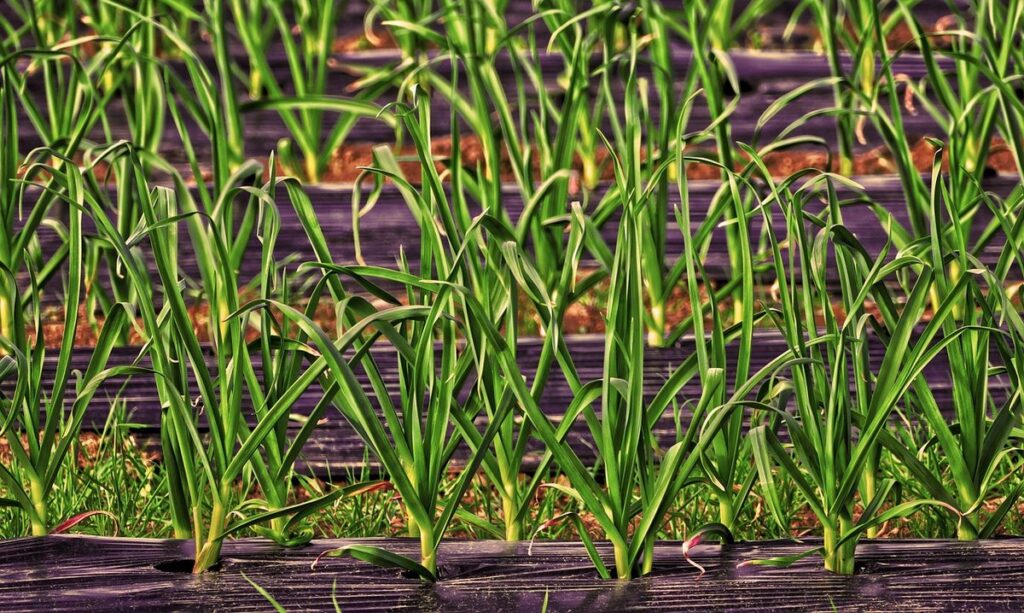
Inorganic mulch options are a viable alternative to traditional organic materials. Plastic sheeting is one such option that’s often overlooked but offers benefits like ease of installation and weed suppression. However, it can retain heat, potentially harming plants if not used correctly.
Another popular choice is landscape fabric, which allows water and air to reach roots while preventing weeds from growing through its porous structure. This makes it an excellent option for areas with poor soil quality or where weeds are a significant problem.
Gravel mulch is also worth considering, particularly in gardens where heavy foot traffic or high rainfall could damage organic materials. Gravel doesn’t retain moisture, which can be beneficial in hot and dry climates but requires more frequent watering to prevent plant stress.
It’s essential to note that inorganic mulches may not provide the same level of nutrient contribution as their organic counterparts. However, they offer distinct advantages in certain situations, making them a valuable addition to your vegetable garden arsenal.
Choosing the Right Mulch for Your Vegetable Garden
When it comes to mulching your veggie garden, selecting the right type is crucial for success. This section explores different options and factors to consider when making your choice.
Factors to Consider When Selecting a Mulch
When selecting a mulch for your vegetable garden, there are several key factors to consider. First and foremost, think about your climate. If you live in a hot and dry region, choose a mulch that retains moisture, such as organic straw or bark chips. In areas with mild winters, a lighter-colored mulch like pine straw can help reflect sunlight and keep soil temperatures consistent.
Your soil type is also crucial to consider. Sandy soils benefit from a thicker layer of mulch to prevent moisture loss, while clay soils require less mulch to avoid waterlogging. For acidic-loving vegetables like blueberries or strawberries, use a mulch that’s slightly acidic, such as pine bark.
Intended use is another important consideration. If you’re planning to plant tomatoes or other large vegetables, choose a durable mulch that can withstand heavy foot traffic and weeds. Consider the color and texture of the mulch as well – darker colors can help absorb heat, while lighter colors reflect it.
To evaluate the quality of different mulches, look for those made from natural materials that will break down over time. Avoid synthetic mulches that can harm microorganisms in your soil.
Popular Mulch Combinations
When it comes to choosing the right mulch combination for your vegetable garden, you’re not limited to just one type of material. Many gardeners find that layering multiple types of mulch or using a specific ratio of materials can provide even greater benefits.
One popular approach is to combine organic mulches like straw and wood chips with other materials. For example, you might use 2-3 inches of straw as a base layer, followed by 1-2 inches of wood chips on top. This combination helps retain moisture in the soil while preventing weeds from growing through the mulch.
Another option is to mix different textures and types of mulch together. A common combination is 50/50 bark and leaf mold, which provides excellent weed suppression and retains nutrients in the soil. You can also experiment with combining smaller amounts of other materials like cocoa hulls or pine straw with your primary mulch choice.
Experimenting with different mulch combinations can help you find the perfect blend for your specific garden needs.
Application and Maintenance Tips for Mulched Vegetable Gardens
Once you’ve chosen the perfect mulch for your vegetable garden, let’s talk about how to use it effectively: application techniques and maintenance tips are crucial for success.
Applying Mulch Effectively
When applying mulch to your vegetable garden, it’s essential to get it right to reap the full benefits. The recommended application rate varies depending on the type of mulch and the soil conditions. As a general rule, apply 2-3 inches (5-7.5 cm) of organic mulch around plants, keeping a few inches away from stems to prevent moisture accumulation.
To spread mulch evenly, use a rake or broom to create a uniform layer. For larger areas, consider using a lawn mower with a mulching attachment or a broadcast spreader for efficient coverage. When working on slopes, apply mulch in strips, following the contour of the land to prevent erosion.
Considerations for different soil types are also crucial. On sandy soils, apply 1-2 inches (2.5-5 cm) more mulch to retain moisture. Clay soils require less, as they can become waterlogged with excessive mulch. Keep in mind that some mulches, such as wood chips or bark, can acidify soil over time, so monitor pH levels and adjust accordingly. By applying mulch thoughtfully and adjusting for specific conditions, you’ll be able to maintain a healthy, thriving vegetable garden.
Ongoing Maintenance Requirements
As you continue to tend to your mulched vegetable garden, it’s essential to stay on top of ongoing maintenance requirements. This will ensure that your plants receive the right conditions to thrive. One key aspect to monitor is moisture levels. Regularly check the soil beneath the mulch by inserting a finger or using a moisture meter. Aim for consistent moisture, but avoid overwatering, which can lead to rot and other issues.
As mulch breaks down, replenish it as needed to maintain its thickness. A general rule of thumb is to add about 1-2 inches of fresh mulch annually. This will help retain moisture, suppress weeds, and regulate soil temperature. Keep an eye out for potential issues like mulch pileups or uneven distribution, which can create pockets where water accumulates.
In addition to these tasks, stay vigilant for signs of pest or disease infestations, such as unusual growth patterns, discoloration, or actual pests visible on the plants. If you notice any problems, address them promptly with organic or integrated pest management methods to maintain a healthy and balanced ecosystem.
Mulching in Specific Climate Conditions
Mulch plays a crucial role in maintaining optimal soil temperature and moisture levels, but its effectiveness varies significantly across different climate conditions. Let’s explore how mulching adapts to hot summers, cold winters, and everything in between.
Hot and Dry Climates
In hot and dry climates, water conservation is a top priority when it comes to mulching. The right type of mulch can help retain moisture in the soil while also suppressing weeds that compete with vegetables for water. Look for organic mulches like wood chips or bark, which are effective at retaining moisture but also allow for airflow to prevent root rot.
When selecting a mulch for hot and dry climates, consider its ability to regulate soil temperature. Light-colored mulches can reflect sunlight and keep the soil cooler, reducing heat stress on vegetables. Compost-based mulches are another excellent option as they improve soil structure and fertility while retaining moisture.
To apply mulch effectively in these conditions, start by applying a 2-3 inch layer around plants, keeping it a few inches away from stems to prevent rot. Reapply as needed, replenishing the layer after heavy rainfall or irrigation events.
Cold and Wet Climates
In cold and wet climates, mulching can be a double-edged sword. On one hand, it helps retain moisture and regulate soil temperature, which is essential for healthy plant growth. However, excess water can be detrimental to your vegetables, leading to root rot and other problems.
To tackle these challenges, you need to select a mulch that’s specifically designed for wet conditions. Organic materials like straw or bark chips are excellent choices as they allow for good drainage while retaining moisture. Avoid using heavy, dense mulches like pine needles or cocoa hulls, which can exacerbate waterlogging issues.
When managing moisture levels in cold and wet climates, it’s essential to monitor your garden closely. During periods of heavy rainfall or snow cover, you may need to remove excess mulch to prevent water accumulation around the base of plants. Conversely, during dry spells, add a layer of mulch to retain soil moisture. By striking this balance, you can create an ideal environment for your vegetables to thrive in cold and wet climates.
Conclusion: Optimizing Your Vegetable Garden with Mulch
Now that you’ve learned about the best mulches for your vegetable garden, it’s time to put them into action. To optimize your garden’s growth and productivity, make sure to apply a 2-3 inch layer of mulch around each plant. This will help retain moisture, suppress weeds, and regulate soil temperature. Remember to reapply mulch as needed to maintain its effectiveness.
As you reap the benefits of using mulch in your vegetable garden, don’t forget to also focus on companion planting and crop rotation. These techniques can further boost yields and minimize pests and diseases. By combining these methods with a high-quality mulch, you’ll be well on your way to growing a thriving and abundant vegetable garden. With a little patience and care, you’ll enjoy the fruits of your labor all season long.
Frequently Asked Questions
What’s the best mulch for a garden with poor drainage?
If your vegetable garden has poor drainage, it’s essential to choose a mulch that won’t exacerbate the issue. Organic mulches like straw or wood chips are good options as they allow for airflow and water penetration while keeping soil temperatures stable. Avoid using inorganic mulches like plastic sheeting, which can further reduce soil oxygen levels.
Can I mix different types of mulch to create a unique blend?
Yes, mixing different types of mulch is a common practice among gardeners. This technique allows you to combine the benefits of various materials while minimizing their drawbacks. For example, blending organic mulches with inorganic ones can provide both water retention and weed suppression.
How often should I reapply mulch in my vegetable garden?
The frequency of mulch reapplication depends on factors like weather conditions, plant growth rate, and soil composition. As a general rule, you’ll need to replenish your mulch layer after heavy rainfall or when it breaks down significantly. A good practice is to maintain a 2-3 inch thick layer of mulch throughout the growing season.
Will using mulch affect my garden’s ability to absorb nutrients?
No, using mulch will actually improve your vegetable garden’s nutrient absorption. Mulching helps retain soil moisture and regulates temperature, allowing plants to absorb essential nutrients more efficiently. As a result, you can expect healthier roots and robust plant growth over time.
Can I use mulch in containers or is it only suitable for in-ground gardens?
While mulch is traditionally associated with in-ground vegetable gardens, it’s also beneficial for container gardens. In fact, using the right type of mulch can help prevent moisture loss from containers while keeping soil temperatures stable. However, be mindful of the mulch depth and choose materials that won’t compact or break down too quickly.