
As a gardener, you’re likely no stranger to the importance of healthy soil. But did you know that adding compost to your garden soil can take it to the next level? Not only does compost enrich your plants with essential nutrients, but it also improves soil structure and supports a thriving ecosystem. By incorporating compost into your gardening routine, you’ll be amazed at the benefits it brings – from improved plant health to increased crop yields. In this article, we’ll delve into the world of composting and explore how this simple yet powerful technique can transform your garden. We’ll cover everything from the basics of composting to tips for maximizing its impact on your plants and soil. By the end of this guide, you’ll be well on your way to creating a lush, vibrant garden that’s teeming with life.
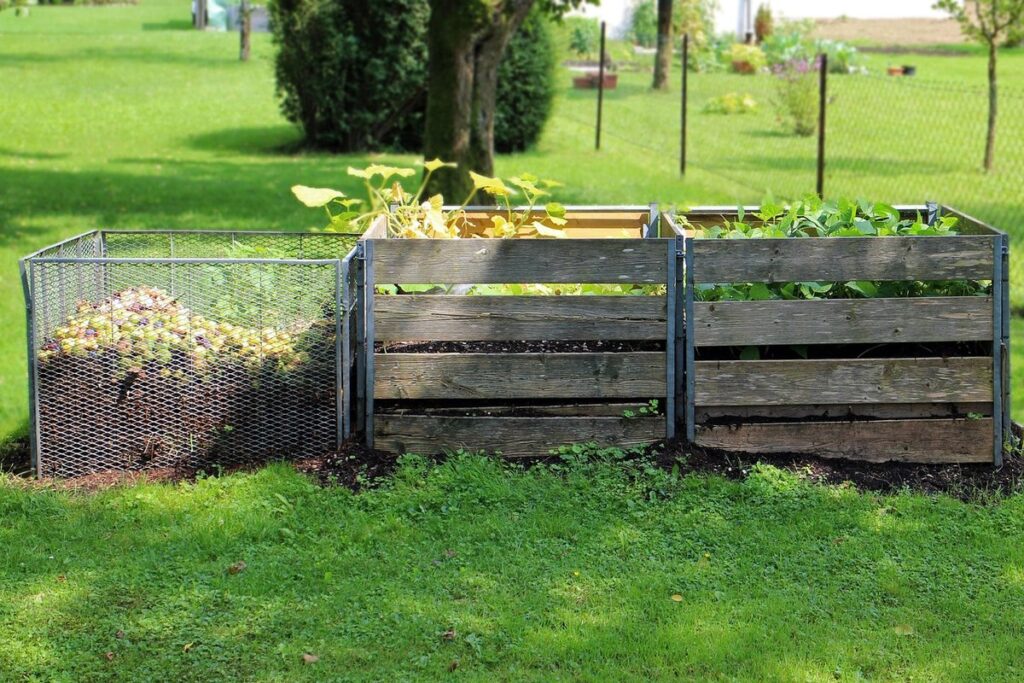
What is Compost and Why is it Important?
Let’s start at the beginning: compost is a natural, nutrient-rich soil amendment made from decomposed organic materials. Understanding what compost is and why it’s essential will help you make the most of its benefits in your garden.
Composting Process Explained
Composting is a natural process that involves breaking down organic matter into a nutrient-rich soil amendment. At its core, composting is simply decomposition on demand. To create compost, you’ll need to gather a mix of “green” and “brown” materials. Green materials are high in nitrogen and include food scraps, grass clippings, and fresh manure. Brown materials, which are high in carbon, include leaves, twigs, and shredded newspaper.
A good rule of thumb for creating a balanced compost pile is to aim for a mix of 2/3 brown materials and 1/3 green materials. This will help create an environment where microorganisms can thrive and break down the organic matter efficiently. Aim to add new materials regularly, ideally every week or two, to maintain a consistent temperature and ensure optimal decomposition.
Remember, composting is all about creating a balance between nitrogen and carbon-rich materials. By following this simple principle, you’ll be well on your way to producing rich, nutrient-dense compost that will boost the health of your garden soil.
Benefits of Using Compost in Gardening
Composting is a game-changer for gardeners. By incorporating compost into your soil, you’ll be providing essential nutrients that will fuel your plants’ growth and keep them healthy all season long. Think of it like giving your plants a boost of vitamins – they’ll thrive on the rich minerals and microorganisms present in compost.
Compost also improves soil structure by increasing its water-holding capacity and aeration. This means your plants will have access to just the right amount of moisture, reducing the risk of overwatering or underwatering. For example, a study by the University of California found that adding compost to sandy soils increased water retention by up to 50%.
By supporting healthy microbial growth, compost also promotes beneficial relationships between plants and their environment. This leads to stronger roots, improved nutrient uptake, and increased resistance to pests and diseases. With compost in your soil, you’ll see tangible results in the form of healthier plants and higher yields.
Preparing Your Soil for Composting
Before you start adding compost to your garden soil, it’s essential to prepare the soil itself by loosening and aerating it. This will help the compost work its magic more effectively.
Assessing Soil Type and pH Levels
Before adding compost to your garden soil, it’s essential to understand its type and pH levels. This information will help you determine the best approach for incorporating compost and ensure it meets your plants’ needs.
Soil types can be broadly categorized into sandy, clay, loamy, or a combination of these. Sandy soils drain quickly but may require more frequent watering, while clay soils retain moisture but can become waterlogged if not managed properly. Loamy soils are considered ideal for gardening as they provide a balance between drainage and nutrient retention.
To determine your soil type, perform a simple jar test: fill a clean glass with a small amount of soil and water it thoroughly. Shake the mixture and let it settle for 24 hours. Observe how long it takes to separate into distinct layers – if it settles quickly, you likely have sandy or loamy soil; if it takes longer, your soil may be clay-based.
pH levels also play a crucial role in determining how compost will interact with your soil. Most plants prefer slightly acidic to neutral soil pH (6.0-7.0). If your soil’s pH is too high or low, adjust it using organic matter like peat moss or lime before adding compost. You can purchase a DIY pH testing kit or consult a local nursery for guidance on conducting a more comprehensive soil analysis.
Removing Debris and Tilling the Soil
When preparing your garden bed for compost addition, it’s essential to remove debris and till the soil to create optimal conditions. Start by clearing the area of any weeds, rocks, or twigs that can interfere with the composting process. Use a rake or shovel to carefully lift out any debris, making sure not to damage nearby plants.
Next, till the soil to loosen it up and improve drainage. You can use a garden fork or rototiller for this step. If you have a large area to cover, consider renting a rototiller for efficient results. Be sure to till at least 8-10 inches deep to ensure that your compost reaches all areas of the bed.
Aeration is also crucial in preparing your soil for compost addition. Use a garden fork or spade to gently loosen the soil, allowing oxygen and water to penetrate deeper into the bed. This step will help create an environment conducive to healthy microbial growth, which is essential for effective composting. By following these steps, you’ll be well on your way to creating a fertile and thriving garden bed perfect for compost addition.
Creating a Compost Pile or Bin
Now that you know why compost is essential for your garden, let’s talk about how to create a compost pile or bin in your own backyard. This simple process will get you started on making nutrient-rich soil.
DIY vs. Store-Bought Compost Bins
When it comes to composting, you have two main options for containing your pile: DIY or store-bought compost bins. Both choices have their pros and cons, which are worth considering based on your specific needs.
If you’re looking to save money, consider making your own compost bin using a wooden pallet or wire mesh enclosure. This can be a fun and creative project that also provides an opportunity to repurpose materials you might otherwise discard. Plus, it allows for flexibility in design and size to suit your space constraints. However, keep in mind that DIY bins may require more maintenance than store-bought options, as they need regular cleaning and repair.
Store-bought compost bins, on the other hand, are available in a wide range of sizes and styles, often with features like ventilation systems or pest-proof lids. They can be more expensive upfront but may offer greater convenience and durability over time. When choosing between these two options, think about your budget, available space, and maintenance habits to determine which approach works best for you.
Some popular DIY compost bin designs include:
* A 3-foot by 3-foot wire mesh enclosure attached to a wooden frame
* A repurposed plastic bin with drilled holes for ventilation
* A simple wooden pallet box covered in chicken wire
When selecting a store-bought compost bin, look for features like:
* Durable materials that can withstand outdoor conditions
* Easy-open latches or pest-proof lids
* Adequate ventilation to prevent anaerobic conditions
Materials Needed for a Compost Pile
To create a thriving compost pile, you’ll need a mix of “green” and “brown” materials. Green materials are rich in nitrogen, while brown materials are high in carbon. Aim for a balance of about 2/3 brown materials to 1/3 green materials.
Brown materials include dried leaves, straw, shredded newspaper, and cardboard. These items provide the necessary carbon structure for your compost pile. For example, a typical garden shed can be cleared out with dry leaves that can make up a significant portion of your brown materials. Be sure to shred any larger pieces like cardboard or straw to increase their surface area.
Green materials are high in nitrogen and include kitchen scraps, grass clippings, and fresh manure from herbivores. Avoid adding dog waste or meat as it may attract pests and create unpleasant odors. Aim for about 1/3 of your compost pile to be green materials like vegetable peels and fruit rinds.
Adding Compost to Your Garden
Now that we’ve discussed why adding compost is a game-changer for your garden, let’s dive into how to incorporate it effectively into your soil. This is where things get hands-on!
How Much Compost Do I Need?
Calculating the right amount of compost for your garden is essential to ensure optimal growth and prevent over-fertilization. A general rule of thumb is to apply 2-3 inches of compost to the soil surface, which translates to about 1/4 to 1/2 inch of compost per potting mix. However, this can vary depending on the specific needs of your plants and soil.
To determine the correct amount for your garden, consider the type of plants you’re growing. For example, if you have heavy feeders like tomatoes or squash, they require more nutrients than light feeders like lettuce or herbs. A good starting point is to apply 1-2% compost by volume to the soil, based on the size and number of plants.
For a small garden bed, this might be about 5-10 gallons of compost per square yard. To make it more manageable, break down your calculations into smaller increments, focusing on specific areas or plant groups rather than the entire garden at once. This will help you avoid over-fertilizing and ensure that each section receives the right amount of nutrients for optimal growth.
Incorporating Compost into the Soil
When incorporating compost into your garden soil, there are several methods to choose from. One of the most straightforward approaches is mixing it with existing soil. Start by loosening the top 6-8 inches of soil using a fork or spade. Then, add a layer of compost – about 2-3 inches deep – and gently mix it into the surrounding soil. As you blend, aim to maintain a balance between compost and native soil. This will prevent overpowering your garden with too much organic matter.
Alternatively, you can use compost as a mulch around plants, retaining moisture and suppressing weeds in the process. Simply spread a 2-3 inch layer of compost around plant bases, keeping it a few inches away from stems to avoid rotting them.
Another innovative method is creating compost tea – essentially liquid compost – by steeping compost in water for several hours or days. This potent brew is rich in beneficial microbes and can be used as a foliar spray or soil drench.
Common Mistakes to Avoid When Adding Compost
When adding compost to your garden soil, there are several common mistakes to watch out for that can actually do more harm than good. We’ll explore these pitfalls in this section.
Over-Fertilizing Your Plants
Over-fertilizing your plants can have serious consequences for their health. When you add compost to your garden soil, it’s essential to remember that this nutrient-rich material is not a replacement for fertilizers, but rather a supplement to enhance the existing soil quality. Excessive nitrogen from over-fertilization can lead to weak and spindly growth in plants, as well as other issues such as leaf scorching and root rot.
When you add too much fertilizer to your compost, it can cause an imbalance in the soil’s nutrient levels, leading to an overabundance of nutrients that can harm your plants. This is especially true for nitrogen-rich fertilizers like ammonium nitrate or urea. The consequences of over-fertilization can include:
• Weakened plant growth and development
• Increased susceptibility to disease and pests
• Nutrient deficiencies in the soil, which can lead to long-term damage
To avoid over-fertilizing your plants, it’s crucial to follow the recommended application rates for fertilizers. When adding compost to your garden soil, start with a small amount (about 1-2 inches deep) and gradually increase as needed, allowing the compost to break down and integrate into the soil naturally.
Inadequate Aeration in the Compost Pile
A well-ventilated compost pile is crucial for effective decomposition. Without adequate air circulation, microorganisms struggle to break down organic matter, leading to a smelly and inefficient composting process.
When adding new materials to the compost pile, it’s common to forget about aeration. As a result, the pile becomes compacted, and air pockets are reduced or eliminated. This can cause a buildup of ammonia, which not only affects the environment but also damages plants.
To prevent this issue, make sure to add materials in layers, starting with a 4-6 inch layer of “brown” materials like dry leaves or shredded newspaper. Then, add a 2-3 inch layer of “green” materials like food scraps or grass clippings. Repeat these layers, ending with a layer of brown materials on top.
You should also turn the compost pile regularly to ensure oxygen reaches all areas. This can be done every 7-10 days, depending on the size and activity level of your compost pile. By maintaining adequate aeration, you’ll promote healthy decomposition and achieve rich, nutrient-dense compost for your garden soil.
Long-Term Benefits of Regular Composting
As you continue to reap the rewards of adding compost to your garden soil, let’s explore how it can transform your entire gardening experience in the long term. This includes improved soil structure and fertility.
Soil Ecosystem Health
When you regularly add compost to your garden soil, you’re not just improving its fertility – you’re also cultivating a thriving ecosystem that supports beneficial microbial growth and nutrient cycling. This symbiotic relationship between microorganisms, plants, and decomposed organic matter is the backbone of healthy soil.
As beneficial microbes multiply in your compost-rich soil, they begin to break down organic matter into essential nutrients that your plants can absorb more efficiently. This process, known as nutrient cycling, is a vital component of soil ecosystem health. For example, composting bacteria like Trichoderma and Pseudomonas help solubilize phosphorus, making it available for plant uptake.
Regular composting also introduces beneficial fungi into the soil mix, which form symbiotic relationships with plant roots to exchange nutrients. This relationship enhances root growth, promotes drought tolerance, and even stimulates plant defense mechanisms against pests and diseases. By incorporating compost regularly, you’ll start to notice improvements in soil structure, increased earthworm populations, and a more diverse range of microbial life – all indicators of a healthy soil ecosystem.
Reduced Waste and Environmental Impact
Composting is not only beneficial for your garden’s health and fertility, but it also has a significant impact on the environment. By incorporating compost into your gardening practices, you’re reducing waste disposal needs, minimizing environmental pollution from decomposition in landfills, and conserving water through improved soil structure.
Let’s break down these broader ecological advantages of composting. When organic materials are sent to landfills, they decompose anaerobically, releasing methane – a potent greenhouse gas that contributes to climate change. By composting instead, you’re diverting these materials from landfills and allowing them to decompose aerobically, producing carbon dioxide as the primary byproduct. This reduces your garden’s carbon footprint and helps mitigate the effects of climate change.
In addition, compost improves soil structure, allowing it to hold more water and reducing the need for irrigation systems. According to a study by the US Environmental Protection Agency (EPA), using compost can reduce household water consumption by up to 30%. By adopting composting practices, you’re not only improving your garden’s health but also contributing to a more sustainable future.
Frequently Asked Questions
How Do I Know If My Garden Soil is Ready for Compost?
Before adding compost, it’s essential to ensure your garden soil is ready to accept it. Check if your soil has good drainage, structure, and aeration. A well-balanced pH level between 6.0 and 7.0 is also crucial. Conduct a soil test or consult with a gardening expert to determine the best approach for your specific soil type.
Can I Mix Compost into Existing Garden Beds?
Yes, compost can be mixed directly into existing garden beds, but it’s recommended to start by incorporating small amounts (about 10-20%) and gradually increasing as needed. Over-mixing can lead to nutrient imbalances, so it’s best to integrate compost in a layered or “lasagna” approach.
How Long Does Compost Need to Age Before Adding It to My Garden?
Compost typically takes anywhere from 2-6 months to mature, depending on the materials used and environmental conditions. Monitor your compost pile regularly for optimal decomposition, which will indicate when it’s ready to use in your garden. A well-balanced compost should have an earthy aroma and crumbly texture.
What If I Have Limited Space for a Compost Pile? Are There Alternatives?
If you have limited space, consider using vermicomposting (worm composting) or bokashi bins, which allow for efficient composting in smaller areas. You can also use a compost aerator or turner to maintain airflow and speed up the decomposition process.
Can I Use Compost with Seeds Directly Sown into the Soil?
Yes, compost is an excellent addition when direct-seeding. Mixing it with the soil before planting seeds promotes healthy seedling growth and establishment. However, avoid over-fertilizing as this can lead to weak or spindly growth. Instead, use a balanced starter fertilizer specifically designed for seedlings, and apply according to the manufacturer’s instructions.