
Are you looking to add a pop of color and vibrancy to your outdoor space? A beautiful flowering vine on a trellis can be just the thing! Not only do they provide stunning blooms, but they also add texture and depth to any garden or patio. However, with so many options available, it can be overwhelming to choose the right one for your needs.
In this article, we’ll take you through the best flowering vines for trellises, including types such as clematis, honeysuckle, and jasmine. We’ll also cover essential planting instructions, care tips, and seasonal maintenance advice to help you maximize blooms and beauty. Whether you’re a seasoned gardener or just starting out, this guide will provide you with everything you need to create a stunning flowering vine display on your trellis.
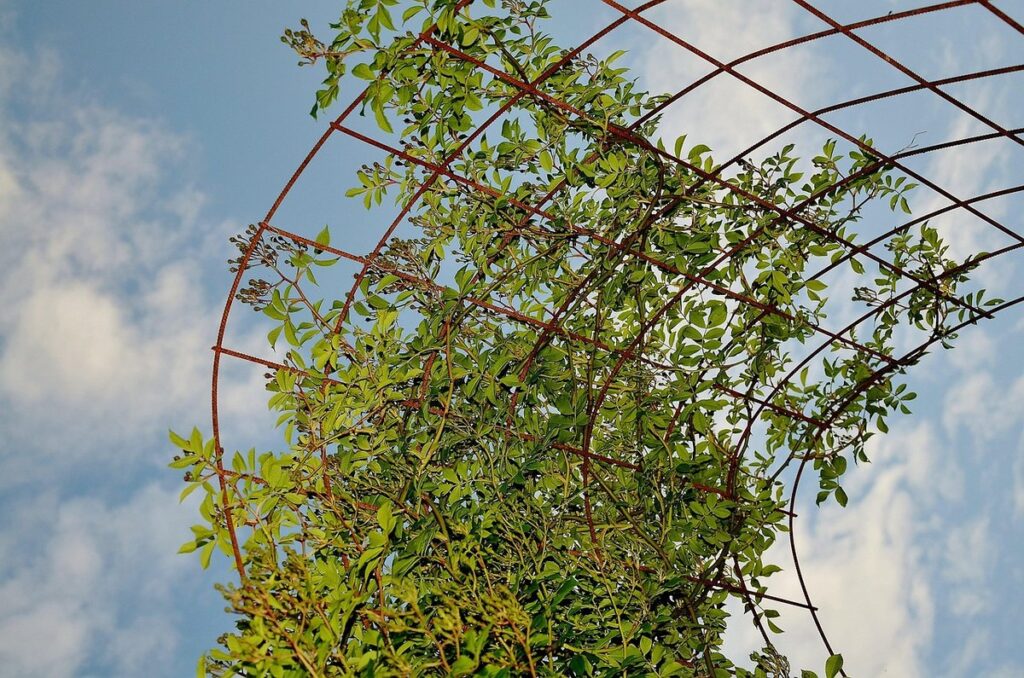
Choosing the Right Flowering Vine
When it comes to choosing the perfect flowering vine for your trellis, you’ve got a world of options at your fingertips, and making the right selection can be overwhelming. Let’s break down the key considerations.
Types of Flowering Vines Suitable for Trellises
When it comes to choosing flowering vines for trellises, there are several types that excel on these structures. One popular option is clematis, a climber plant known for its large, showy flowers and ability to thrive in partial shade. These plants come in a range of colors, from classic whites and purples to vibrant pinks and reds.
Another contender is honeysuckle, with its intoxicating fragrance and twining habit making it an ideal choice for trellises. However, be sure to select varieties that are free of invasive species, as some types of honeysuckle can cause problems in certain regions.
For a more low-maintenance option, consider morning glories, which produce masses of trumpet-shaped flowers in shades ranging from blue and purple to pink and white. These plants also come in a range of sizes, from compact varieties suitable for small trellises to larger types that can cover extensive areas. By choosing the right flowering vine for your trellis, you’ll be rewarded with stunning displays of color and fragrance throughout the growing season.
Factors to Consider When Selecting a Vine
When selecting a flowering vine for your trellis, it’s essential to consider several key factors that will ensure its success and thrive. First, think about the sunlight requirements of the vine you’re considering. Some vines, like morning glories and clematis, prefer full sun (at least 6 hours of direct sunlight) while others, such as English ivy and honeysuckle, can tolerate partial shade.
Next, consider the growth habit of the vine. If you have a small trellis or limited space, choose a compact or trailing vine like Mandevilla or Passiflora. These vines will spread out but won’t overwhelm your trellis. On the other hand, if you have a large trellis or want to make a statement, select a vigorous vine like wisteria or climbing roses.
Lastly, think about the blooming season of the vine. If you’re looking for a vine that blooms in the spring, consider lilacs and peonies. For summer flowers, go with clematis, hibiscus, or lantana. This will ensure that your trellis is always adorned with beautiful flowers throughout the growing season.
Planting and Care Instructions
Now that you’ve chosen the perfect flowering vines for your trellis, let’s dive into the essential planting and care instructions to keep them thriving. Follow these steps to ensure a bountiful bloom.
Preparing the Trellis and Soil
Before planting your flowering vines, it’s essential to prepare the trellis and soil properly. A well-structured trellis will provide support for the vine as it grows, while a suitable growing medium will ensure healthy root development.
When setting up the trellis, consider its proximity to the planting area. The ideal distance between the trellis and the plant is around 2-3 feet. This allows for easy access for maintenance and pruning without damaging the vines.
For optimal soil conditions, dig the area to a depth of about 12-18 inches, loosening any compacted earth. Add organic matter like compost or well-rotted manure to improve drainage and fertility. If your soil is heavy clay or sandy, mix in some perlite or vermiculite for better structure.
To prevent waterlogging, ensure the trellis has good drainage holes at the base. This will help excess moisture escape, reducing the risk of root rot.
Watering and Fertilization Tips
When it comes to watering and fertilizing your flowering vines on a trellis, there are some key considerations to keep in mind. Climate plays a significant role in determining the water needs of your vines, with those planted in hot and dry climates requiring more frequent watering than those in cooler and more humid areas.
A good rule of thumb is to check the soil moisture by inserting your finger into the soil up to the first knuckle. If the soil feels dry, it’s time to water. For most flowering vines, a thorough soaking once or twice a week should be sufficient during the growing season. However, some varieties like clematis and honeysuckle may require more frequent watering.
As for fertilization, a balanced fertilizer that is rich in nitrogen, phosphorus, and potassium (NPK) will provide your vines with the nutrients they need to produce plenty of blooms. Feed your vines once a month during the growing season, following the instructions on the fertilizer package carefully to avoid over-fertilizing. Be sure to choose a fertilizer that is specifically formulated for flowering plants, as this will help promote blooming and prevent excessive foliage growth.
It’s also worth noting that some flowering vines like wisteria and passionflower can be heavy feeders and may require more frequent fertilization. Experiment with different fertilizers and schedules to find what works best for your specific vine variety and growing conditions.
Popular Flowering Vines for Trellises
Whether you’re a seasoned gardener or just starting out, choosing the right flowering vines for your trellis can be overwhelming due to their sheer variety. Let’s explore some popular options together!
Clematis: A Timeless Classic
Clematis is a timeless classic that has been charming gardeners for centuries. This flowering vine has a rich history dating back to the 16th century when it was first introduced to Europe from China. With over 300 species and countless hybrids, clematis offers an incredible range of colors, shapes, and sizes to suit any trellis.
When grown in ideal conditions, clematis can reach impressive heights of up to 10 feet or more, providing a dramatic display of blooms against its latticework backdrop. However, it’s essential to prune regularly to maintain its size and encourage new growth. Cut back the vine after it finishes blooming in late spring, removing any dead or damaged stems.
The blooming season for clematis typically begins in early summer and can last until fall, depending on the specific variety. Some popular types include ‘Nelly Moser’, ‘Crystal Fountain’, and ‘Kiri Te Kanawa’. To ensure a bountiful display of flowers, choose a spot with full sun to partial shade and well-draining soil.
To train your clematis, simply tie its stems to the trellis as it grows, using twine or wire to secure any particularly vigorous vines. With proper care and attention, this elegant flowering vine will continue to thrive for years to come.
Honeysuckle: Sweet-Scented and Versatile
Honeysuckle vines are one of the most popular and versatile flowering options for trellises. These fragrant flowers come in a variety of colors, including white, yellow, pink, and red, and are known for their sweet scent that attracts pollinators like bees and butterflies.
One of the key benefits of honeysuckle vines is their ability to thrive in a range of conditions, from full sun to partial shade, making them suitable for various climates and garden types. They’re also relatively easy to care for, requiring minimal pruning and maintenance. However, it’s essential to note that some species of honeysuckle can be invasive, so be sure to choose non-invasive varieties like Lonicera sempervirens or Lonicera fragrantissima.
When using honeysuckle vines on a trellis, keep in mind their rapid growth rate and potential to become overgrown. Regular pruning is necessary to maintain shape and promote healthy growth. With proper care and attention, honeysuckle vines can add beauty, fragrance, and wildlife appeal to your garden or landscape. By choosing the right variety and providing regular maintenance, you can enjoy the many benefits of these stunning flowering vines on your trellis.
Trellis Types and Installation
When it comes to choosing the perfect trellis for your flowering vines, understanding different types of trellises is crucial. Here are some key considerations for selecting the right trellis type and installing it effectively.
Wooden vs. Metal vs. Bamboo Trellises
When it comes to supporting those show-stopping flowering vines on your trellis, the right material choice is crucial. Let’s take a closer look at three popular options: wooden, metal, and bamboo trellises.
Wooden trellises offer a natural charm that can complement any garden setting. However, they require regular maintenance to prevent rot and damage from harsh weather conditions. They’re also more prone to insect infestations than other materials. On the plus side, wooden trellises are relatively affordable and can be easily customized with decorative trim.
Metal trellises provide a sleek, modern aesthetic that’s perfect for contemporary garden designs. They’re incredibly durable and resistant to warping or rotting. However, metal can get quite hot in direct sunlight, potentially damaging the vines’ delicate leaves. Metal trellises are also more expensive than their wooden counterparts.
Bamboo trellises have gained popularity in recent years due to their eco-friendly credentials and unique texture. They’re lightweight yet sturdy, making them perfect for smaller gardens or balconies. Bamboo is naturally resistant to pests and decay but may require occasional sealing to protect against moisture damage.
Ultimately, the choice between wooden, metal, and bamboo trellises comes down to your personal style, budget, and maintenance preferences. Consider how your chosen material will interact with the flowering vines you plan to use – some materials might even enhance their growth or appearance!
DIY vs. Purchased Trellises: Weighing Options
When it comes to supporting your flowering vines on trellises, you have two main options: building your own DIY trellis or purchasing a pre-made one. Both approaches have their advantages and disadvantages.
One benefit of creating your own DIY trellis is cost-effectiveness. You can repurpose old materials like wooden pallets or chicken wire to create a unique and eco-friendly support system for your vines. Additionally, building a trellis from scratch allows you to tailor its design to fit the specific needs of your garden.
However, purchasing a pre-made trellis offers ease and convenience. Many stores carry a wide range of trellises in various materials, including durable metal and weather-resistant wood. These pre-fabricated options often come with easy assembly instructions and are designed specifically for supporting heavy vines.
Ultimately, the decision between DIY and purchased trellises comes down to your personal preferences and gardening needs. If you’re short on time or want a hassle-free solution, opt for a pre-made trellis. But if you enjoy crafting and are looking for a budget-friendly option, building your own trellis can be a fun and rewarding experience.
Common Challenges and Solutions
As you bring your trellis to life with beautiful flowering vines, you may encounter some common challenges that can be easily overcome. Let’s explore these solutions together.
Dealing with Pests and Diseases
As you enjoy the beauty of your flowering vines on trellises, it’s essential to be aware of potential pests and diseases that can damage them. Identifying common issues early on is crucial for effective management.
Aphids, whiteflies, and spider mites are common pests that feed on plant sap, causing curled or distorted leaves. To manage these pests, spray your vines with a strong jet of water to dislodge them. You can also use insecticidal soap or neem oil according to the product’s instructions.
Fungal diseases like powdery mildew and downy mildew often thrive in humid environments. To prevent fungal growth, ensure good air circulation around your trellises and avoid overwatering. Regularly inspect your vines for yellowing leaves or white powder, and treat affected areas with a fungicide specifically designed for flowering vines.
Monitor your plants regularly to catch any problems early, and take action promptly to prevent the issue from spreading. By being proactive about pest and disease management, you’ll enjoy healthy, thriving flowering vines on your trellises all season long.
Addressing Support and Pruning Needs
As you nurture your flowering vines, it’s essential to provide them with adequate support and pruning. This will not only maintain their health but also promote blooming. Support is crucial, especially for vigorous growers like Honeysuckle (Lonicera) or Passionflower (Passiflora). Install sturdy trellises that can withstand the weight of mature vines. For more delicate varieties like Clematis or Mandevilla, consider using a combination of stakes and twine to gently guide them upwards.
When it comes to pruning, timing is everything. For flowering vines, the best time to prune is immediately after they finish blooming in the summer. This will encourage new growth and promote next year’s blooms. Remove any dead or damaged sections, and cut back overgrown stems by about one-third to half. For vining types like English Ivy (Hedera helix) or Boston Ivy (Parthenocissus tricuspidata), prune in late winter or early spring to control their rampant growth.
Pruning can seem daunting, but with regular maintenance, you’ll be rewarded with more blooms and a healthier plant overall.
Seasonal Tips and Maintenance
To get the most out of your flowering vines, it’s essential to know how to care for them during different seasons and perform regular maintenance tasks. This helps ensure they thrive all year round.
Spring: Preparing for New Growth
As we welcome spring, it’s essential to prepare your trellis vines for new growth. This is a critical period to ensure that they thrive and produce an abundance of flowers. Start by inspecting your trellises for any dead or damaged sections, which can harbor diseases and pests. Prune these areas immediately to prevent the spread of infection.
Pruning also helps control the shape and size of your vines, promoting healthy growth and encouraging more blooms. Cut back last year’s growth by about one-third to two-thirds, depending on the type of vine. This will stimulate new shoots and allow for better air circulation around the plant.
Fertilize your trellis vines with a balanced fertilizer (10-10-10 NPK) to provide essential nutrients for growth. Mulch around the base of the plants to retain moisture, suppress weeds, and regulate soil temperature. Apply a layer of compost or well-rotted manure to improve soil fertility and structure.
By performing these tasks, you’ll be giving your trellis vines the best chance to thrive in the upcoming growing season. Remember to monitor their progress closely and make any necessary adjustments to ensure optimal growth and blooming.
Summer: Managing Heat Stress and Pests
Summer can be a challenging time for flowering vines on trellises. Heat stress and pest infestations are common issues that can impact their health and appearance. One strategy to mitigate heat stress is to provide afternoon shade, especially during the hottest summer months. This can be achieved by installing a trellis or arbor with built-in shading elements or using a sheer curtain to filter sunlight.
To prevent heat stress, it’s also essential to ensure your flowering vines receive adequate water and nutrient supply. Regular watering and fertilization will help them cope with high temperatures. Additionally, prune your vines regularly to promote healthy growth and air circulation, reducing the risk of fungal diseases that thrive in humid conditions.
Some common pests affecting flowering vines during summer include aphids, whiteflies, and spider mites. To control these infestations, use neem oil or insecticidal soap as a preventative measure, and remove any heavily infested areas to prevent the problem from spreading.
Conclusion and Final Tips
Now that you’ve learned how to choose, plant, and care for flowering vines on your trellis, it’s time to put your new skills into action. Here are some final tips to help you get started.
Recap of Key Takeaways
In this comprehensive guide to flowering vines for trellis, we’ve covered a wealth of information to help you make informed decisions when selecting and cultivating these beautiful plants. To recap, here are the key takeaways:
When choosing flowering vines for your trellis, consider factors such as climate, soil type, and sunlight requirements to ensure compatibility with your garden’s conditions. Some popular options include Honeysuckle, Clematis, and Passionflower, each offering unique characteristics and growth habits.
For optimal results, remember to provide proper support for your climbing plants through regular pruning, training, and staking. This will encourage healthy growth and prevent damage to the trellis or nearby structures.
Additionally, be mindful of potential pests and diseases that may affect flowering vines, such as aphids, spider mites, and powdery mildew. Implement integrated pest management techniques and maintain good garden hygiene to mitigate these risks.
By retaining these key points, you’ll be well-equipped to create a stunning display of flowering vines on your trellis, adding beauty and vibrancy to your outdoor space.
Encouragement to Experiment and Find What Works Best
As you’ve learned about the various types of flowering vines suitable for trellis, don’t be afraid to experiment and find what works best for you. Remember that every gardener’s experience is unique, and what thrives in one environment might struggle in another.
Start by selecting a few vines from our comprehensive list and testing them out in different conditions. Observe their growth patterns, note any challenges they may face, and make adjustments accordingly. You might find that some varieties require more frequent watering or pruning to maintain optimal performance.
Consider factors like sunlight exposure, soil quality, and temperature fluctuations when determining the perfect vine for your trellis. Be patient and willing to adapt as needed – it’s not uncommon for vines to adjust their growth habits over time in response to changing conditions.
By experimenting with different flowering vines and adapting to their needs, you’ll be well on your way to creating a stunning display of color and vibrancy on your trellis.
Frequently Asked Questions
How do I determine the best flowering vine for my trellis based on sunlight requirements?
When selecting a flowering vine, consider the amount of sunlight your trellis receives. Clematis, for example, thrives in partial shade to full sun, while honeysuckle prefers well-drained soil and full sun to partial shade. Make sure to choose a vine that matches your outdoor space’s specific light conditions.
Can I train flowering vines to grow on non-traditional trellis structures?
Yes, many flowering vines can be trained to climb various types of trellises, including wooden, metal, or bamboo structures. Be prepared to provide support and guidance as the vine grows, but with proper care and pruning, you can create a stunning display on almost any trellis type.
How often should I water my flowering vines during hot summer months?
Flowering vines require consistent moisture, especially during heat waves. Water your trellised vines deeply once or twice a week, depending on soil conditions and local climate. Avoid overwatering, which can lead to root rot and other issues.
Can I propagate new flowering vine cuttings from established plants?
Yes, many flowering vines can be propagated through stem cuttings. Take 3-4 inch stem sections with at least two sets of leaves and plant them in a well-draining potting mix. Keep the soil moist and warm until roots develop, then transfer to your trellis.
What are some common pests or diseases that affect flowering vines on trellises?
Some common issues include aphids, whiteflies, and spider mites, as well as fungal diseases like powdery mildew and leaf spot. Regularly inspect your vines for signs of infestation or disease, and take prompt action to treat any problems you find.