
Are you tired of throwing away food scraps and contributing to the staggering amounts of waste in our landfills? Do you want to create nutrient-rich soil for your garden without breaking the bank or sacrificing valuable space? If so, kitchen composting is a game-changer. By setting up a simple indoor or outdoor compost bin, you can turn household waste into a valuable resource that will help your plants thrive.
In this ultimate guide to kitchen composting, we’ll walk you through the benefits of composting, from reducing greenhouse gas emissions to creating a sustainable gardening system. We’ll cover everything from choosing the right equipment and setup to advanced techniques for maximizing nutrient content and minimizing odors. By following our expert tips and tricks, you’ll be on your way to harvesting healthy, homegrown produce in no time.
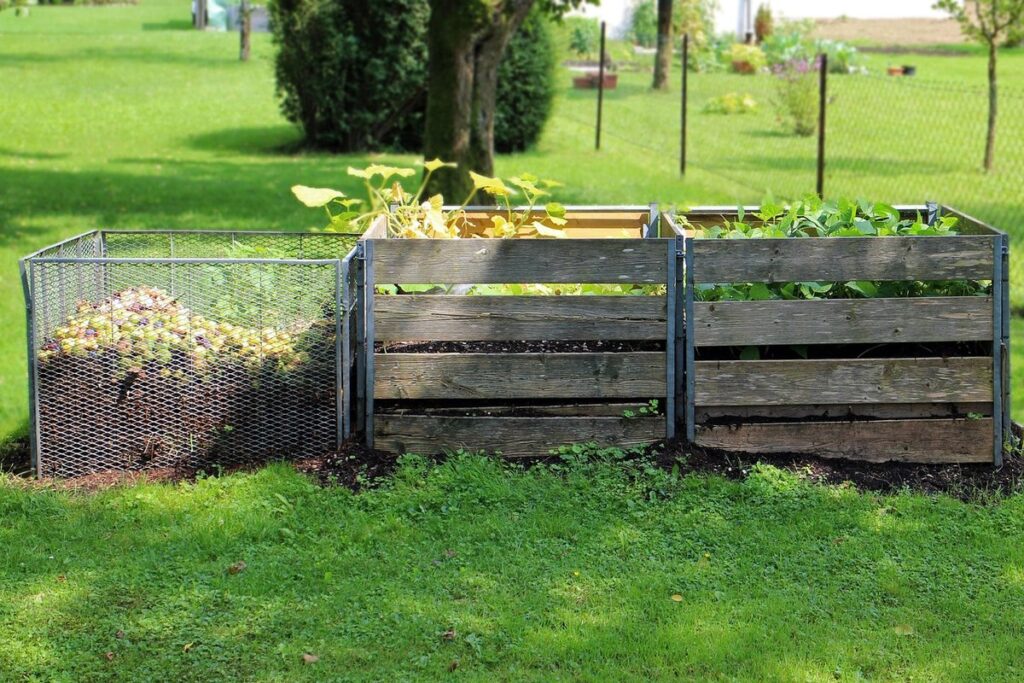
Benefits and Importance of Kitchen Composting
Composting is a game-changer for reducing kitchen waste, and learning its benefits can be just as rewarding. Let’s dive into why composting matters in your home.
Reducing Waste and Creating Nutrient-Rich Soil
When you’re composting at home, it’s not just about reducing food waste and creating a sustainable gardening practice – it also has a significant impact on the environment. By diverting organic materials from landfills, composting helps reduce greenhouse gas emissions that contribute to climate change. In fact, according to the EPA, if all food waste in the US were composted, it would be equivalent to taking 18 million cars off the road.
Composting also conserves water by reducing the need for synthetic fertilizers and improving soil structure. This is especially important during times of drought when every drop counts. By using kitchen compost as a natural fertilizer, you’re supporting the growth of nutrient-rich plants that require less watering.
To take your kitchen composting to the next level, focus on creating a balanced mix of “green” (high in nitrogen) and “brown” (high in carbon) materials. Aim for a 2:1 ratio of brown to green materials and add a small amount of finished compost as a starter. This will help speed up the decomposition process and create rich soil perfect for gardening.
By following these tips, you’ll be creating nutrient-rich soil that’s perfect for your garden while also doing your part to reduce waste and support a more sustainable environment.
Understanding Food Waste and Its Impact on the Environment
Food waste is a staggering problem that affects us all. Did you know that the average American throws away around 40% of the food they purchase? That’s equivalent to throwing away over $1,500 worth of groceries every year! The consequences of this behavior are far-reaching and have a devastating impact on our planet.
When we waste food, we’re not just wasting the food itself – we’re also wasting the resources that went into growing, processing, and transporting it. This includes water, land, energy, and labor. According to the United Nations Food and Agriculture Organization (FAO), one-third of all food produced globally is lost or wasted. That’s around 1.3 billion tonnes of food per year!
The environmental impact of food waste is equally alarming. When food decomposes in landfills, it produces methane, a potent greenhouse gas that contributes to climate change. In fact, the FAO estimates that if food waste were a country, it would be the third-largest emitter of greenhouse gases worldwide.
By composting food waste at home, you can significantly reduce your impact on the environment. By turning kitchen scraps into nutrient-rich compost, you’re not only reducing waste but also creating a valuable resource for your garden. It’s a simple yet powerful way to make a positive difference and contribute to a more sustainable future.
Setting Up Your Kitchen Composting System
Before you start composting, let’s set up a system that will make it easy to collect food scraps and yard waste in your kitchen. This section covers the essential tools and space considerations for a successful setup.
Choosing the Right Compost Bin for Your Needs
When it comes to kitchen composting, choosing the right compost bin is crucial for effective and odor-free decomposition. With various types of bins available, selecting one that suits your household’s needs can be overwhelming. Let’s break down the options:
For small kitchens or urban dwellers with limited space, consider indoor compost bins like countertop or under-sink models. These compact designs are perfect for tiny apartments or dorm rooms and often come with odor-absorbing filters to minimize any unpleasant smells.
Outdoor compost bins, on the other hand, are ideal for larger households or those with more garden space. They usually have a larger capacity and can be made of durable materials like plastic, metal, or wood. Consider factors like size, material, and aesthetic appeal when selecting an outdoor bin.
Ultimately, choose a bin that aligns with your lifestyle and composting goals. If you plan to add a significant amount of food waste, look for bins with advanced features like carbon-to-nitrogen ratio indicators or automatic turning mechanisms. Consider the cost, maintenance requirements, and ease of use when making your decision.
Understanding the Composting Process and Its Key Components
Composting is a natural process where microorganisms like bacteria and fungi break down organic matter into a nutrient-rich soil amendment. This process relies on three crucial components: optimal carbon-to-nitrogen ratios, adequate moisture levels, and sufficient aeration.
Maintaining the right balance of “green” and “brown” materials is key to achieving this ratio. Green materials like food scraps and grass clippings are high in nitrogen, while brown materials like dried leaves and shredded paper are rich in carbon. Aim for a mix of 2/3 “brown” materials and 1/3 “green” materials to create an ideal balance.
Moisture is also essential for the composting process. The pile should be kept damp, similar to a damp sponge, but not waterlogged. Excessive moisture can lead to anaerobic conditions, producing unpleasant odors and slowing down decomposition.
Aeration allows oxygen to penetrate the pile, supporting microbial activity and preventing the growth of pathogens. Regularly turning the compost pile, about once a week, helps maintain adequate aeration.
What Can and Cannot Be Composted
Now that you’ve learned the basics of kitchen composting, it’s time to dive into what you can and cannot compost safely in your home kitchen bin. We’ll break down the dos and don’ts of composting.
Composting Kitchen Food Waste: Tips and Tricks
Composting kitchen food waste is an essential part of reducing your environmental footprint and creating nutrient-rich soil for your garden. The good news is that most common kitchen food waste items can be composted, including fruit and vegetable scraps, coffee grounds, and eggshells.
When adding these items to your compost bin, it’s essential to balance “green” (nitrogen-rich) materials with “brown” (carbon-rich) ones. Fruit and veggie scraps are high in nitrogen, so mix them with brown materials like leaves or shredded newspaper to maintain the optimal carbon-to-nitrogen ratio.
Some tips for adding these items include:
• Burying fruit and veggie scraps under a layer of brown materials to prevent pests and odors
• Grating or chopping eggshells before adding them to the compost bin to speed up decomposition
• Adding coffee grounds in moderation, as they can be high in nitrogen and create imbalances if over-added
By following these simple guidelines, you’ll be well on your way to creating a thriving kitchen compost system that will transform your food waste into a valuable resource for your garden.
Items to Avoid Adding to Your Compost Bin
When adding items to your compost bin, it’s essential to know what not to include. Some materials might be tempting to add, but they can actually do more harm than good.
Meat and dairy products are a big no-no for your compost bin. They’ll attract pests like rodents, raccoons, and even bears, which can create problems for your garden or yard. These strong-smelling foods also foster anaerobic conditions, leading to unpleasant odors and potentially creating pathogens that can harm plants.
Oils and greases are another category of items to avoid adding. They slow down the composting process, making it harder for microorganisms to break them down. Moreover, oils can repel beneficial insects and create a haven for pests.
Pet waste is also something to steer clear from. Not only does it attract pests, but it can also spread diseases like E. coli and salmonella. If you have pets, consider using separate bins or containers for their waste until it’s ready to be added to your compost pile.
If you find yourself with these items, consider repurposing them as fertilizers in other ways: use meat and dairy scraps for worm composting, repurpose oils by mixing them with soiled cat litter to create a natural pest repellent, or bury pet waste deep into the soil to decompose naturally.
Tips for Effective Kitchen Composting
Now that you’re familiar with the basics of kitchen composting, let’s dive into some valuable tips to help you optimize your composting process and get the best results.
Managing Odors and Pests in the Compost Bin
Managing odors and pests in the compost bin is crucial for maintaining a healthy ecosystem and preventing problems that can spread to other parts of your kitchen. One of the most effective ways to minimize odors is by regular bin cleaning. Set aside time each week to scrape off any excess materials from the sides and bottom of the bin, and give it a good rinse with water.
Adding carbon-rich materials like shredded newspaper or coconut coir can also help absorb excess moisture and reduce odor-causing bacteria. Aim for a mix of 2/3 “brown” materials (dried leaves, straw, etc.) to 1/3 “green” materials (food scraps, grass clippings, etc.). This balance will encourage beneficial microbes to thrive, breaking down organic matter quickly and reducing the likelihood of pests.
To maintain a balanced ecosystem, avoid overloading your bin with too much green material. Introduce new additions gradually, allowing each batch to fully break down before adding more.
Monitoring Progress and Maintaining Optimal Composting Conditions
Monitoring progress and maintaining optimal conditions is crucial for successful kitchen composting. One of the most critical aspects to monitor is temperature. Compost piles typically heat up as microorganisms break down organic matter, with temperatures ranging from 130°F to 140°F (54°C to 60°C). Use a compost thermometer to check temperature regularly, aiming for an optimal range between 130°F and 140°F.
Another essential aspect to monitor is moisture levels. Compost should be kept moist, but not waterlogged. Aim for a consistency like that of a damp sponge. Check the compost pile daily, adding more water or bulking agents (like straw) as needed. pH balance is also vital; maintain a slightly acidic environment with a pH between 6.0 and 7.5.
To maintain optimal conditions, turn your compost pile regularly to ensure even decomposition and prevent anaerobic conditions. Aim for at least one turn per week, using a pitchfork or shovel to gently mix the contents. This will help speed up the composting process and prevent odors. By monitoring progress and maintaining these optimal conditions, you’ll be well on your way to successful kitchen composting.
Using Your Kitchen Compost in Gardening
Now that you’ve collected and matured your kitchen compost, it’s time to put it to good use by incorporating it into your gardening routine effectively. We’ll explore how to use this valuable resource in this section.
How to Incorporate Compost into Your Garden Bed
Incorporating kitchen compost into your garden bed is a great way to utilize its nutrient-rich goodness. One of the most common methods is mixing it with soil. This involves blending 10-20% compost into the top 6-8 inches of existing soil. Start by digging up the area, then incorporate the compost and mix thoroughly. This method allows for easy access to nutrients as plants grow.
Another option is using kitchen compost as a top dressing. Spread a 2-3 inch layer of compost on the surface of the bed, leaving about an inch between each plant. As it breaks down, it will release nutrients into the soil below. To maximize this effect, avoid stepping or compacting the compost.
For those looking for a more extreme approach, consider creating raised beds specifically designed for compost-based gardening. These can be made using untreated wood or recycled plastic. Fill with 80-90% compost and 10-20% other materials like perlite or vermiculite. This approach allows for maximum nutrient retention and efficient water use.
Composting Success Stories: Tips from Experienced Gardeners
As we’ve seen throughout this guide, kitchen composting is a simple yet effective way to reduce waste and create nutrient-rich soil for your garden. But don’t just take our word for it – let’s hear from some experienced gardeners who have achieved remarkable success with their kitchen compost.
Meet Sarah, a seasoned gardener from the Pacific Northwest, who has been using her kitchen compost to grow award-winning vegetables in her backyard. She swears by the “cold composting” method, where she simply adds food scraps and yard waste to a designated pile without turning or aerating it. “It’s as easy as throwing away trash,” Sarah jokes. Her secret? Adding plenty of brown materials like dried leaves and shredded newspaper to balance out the green waste.
Another gardener, Mark from California, uses his kitchen compost to create rich potting soil for his container garden. He recommends mixing in a 1:1 ratio of finished compost with peat moss or vermiculite to create the perfect growing medium. “The result is explosive growth and incredible flavor,” Mark raves.
Both Sarah and Mark agree that key to their success lies in regular maintenance, patience, and a willingness to experiment and adjust as needed. By following these simple tips, you can unlock the full potential of your kitchen compost and grow a healthier, more productive garden than ever before.
Frequently Asked Questions
How do I handle odors in my compost bin?
Odor management is a common concern for many new composters. To minimize odors, ensure your compost bin has proper airflow by adding more carbon-rich materials like shredded newspaper or coconut coir. Regularly turn the pile to aerate it and balance out green (nitrogen-rich) and brown (carbon-rich) materials.
Can I use kitchen scraps from meat and dairy products in my compost?
While some food waste can be composted, animal by-products like meat and dairy can attract pests and create unpleasant odors. Stick to composting vegetable peels, fruit scraps, tea bags, coffee grounds, and eggshells for the best results.
How often should I turn or maintain my compost pile?
Aim to turn your compost pile every 7-10 days during the active composting phase (usually 3-6 months). This helps speed up decomposition and ensures optimal nutrient production. If you’re using a tumbling composter, follow the manufacturer’s guidelines for turning frequency.
What if I notice pests or rodents in my compost bin?
To deter pests and rodents, ensure your compost pile has adequate carbon-rich materials to balance out the nitrogen-rich scraps. Also, maintain a consistent moisture level and cover your bin with a secure lid. If infestation persists, try adding diatomaceous earth or other natural pest deterrents.
Can I use my kitchen compost as fertilizer immediately?
While your finished compost can be used as fertilizer, it’s best to let it mature for at least 6-12 months before applying it directly to plants. This allows the nutrients to break down and stabilize, reducing the risk of burning or over-fertilizing your crops.