
Fruit flies can be a nuisance in any home, buzzing around your favorite fruits and vegetables, and driving you crazy with their persistence. But don’t worry, getting rid of them doesn’t have to involve harsh chemicals or expensive traps. In fact, there are many natural methods for eliminating fruit flies that are easy to implement and effective.
If you’re tired of swatting at these pesky insects, this article is for you. We’ll explore the best home remedies for fruit flies, including homemade traps and long-term prevention strategies. You’ll learn how to create your own vinegar trap, apple cider trap, and even use essential oils to keep them away. With our easy-to-follow tips and tricks, you can say goodbye to those annoying fruit flies for good. Whether you’re a homeowner or renter, these natural methods will help you eliminate the problem without breaking the bank or harming the environment.
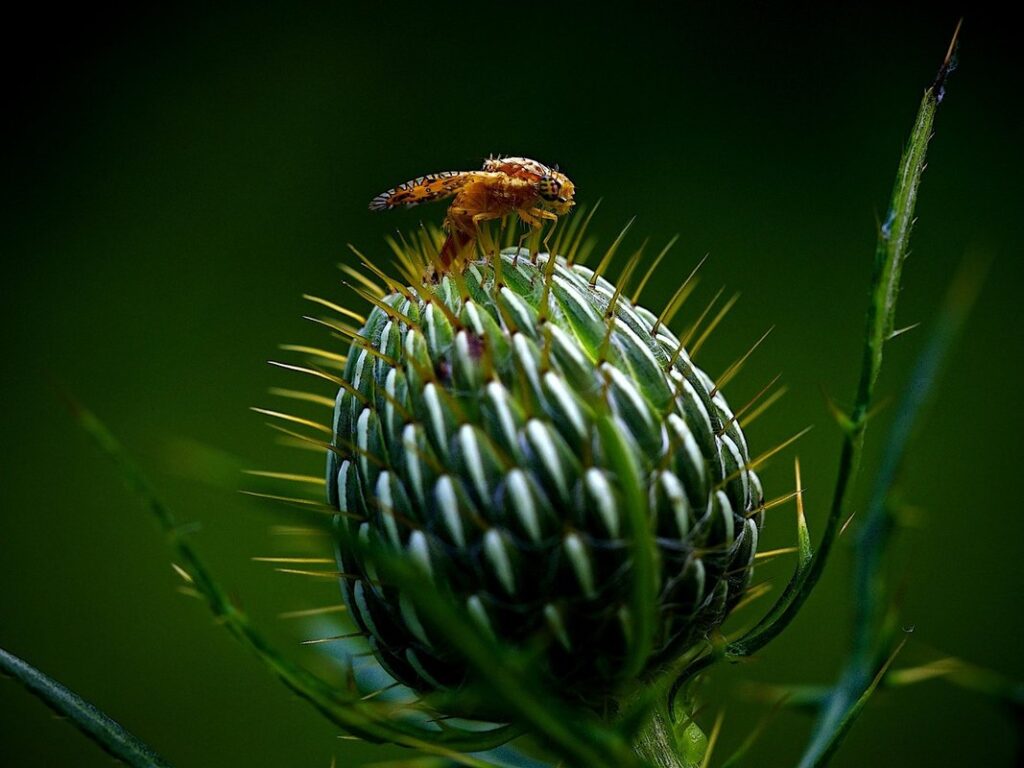
Understanding Fruit Flies and Their Attraction
To understand how to eliminate fruit flies effectively, it’s essential to grasp their behavior and what draws them to your home in the first place. Let’s take a closer look at these pesky insects.
What Attracts Fruit Flies?
Fruit flies are drawn to specific environments and substances that provide them with the necessary sustenance for survival. One of the primary attractants is overripe or rotting fruits, which emit a strong, sweet smell that signals the presence of fermenting sugars. Fruit flies can detect these scents from a considerable distance, making it essential to dispose of any decaying produce promptly.
In addition to spoiled fruits, fruit flies are also lured by sweet smells emanating from other sources, such as fermented foods like beer or wine, soda, and even the residue on dirty surfaces. Warm temperatures play a significant role in attracting fruit flies, as they thrive in environments between 64°F and 90°F (18°C to 32°C). To prevent fruit fly infestations, it’s crucial to maintain good hygiene practices, such as regularly cleaning and sanitizing surfaces, storing fruits and vegetables properly, and ensuring proper waste disposal.
For example, a study found that fruit flies can detect the scent of ripe bananas from over 8 feet away. By being aware of these attractants and taking steps to eliminate them, you can significantly reduce the likelihood of attracting fruit flies into your home.
Signs of a Fruit Fly Infestation
Fruit fly infestations can be notoriously difficult to detect, but there are some common signs and symptoms that you should look out for. If you notice a small, dark speck on the surface of a fruit or vegetable, it may be an indication that fruit flies have laid eggs on it. You might also see tiny white or yellowish eggs stuck to the surface, which can hatch into larvae in as little as 24 hours.
Another sign of a fruit fly infestation is the presence of live larvae inside fruits and vegetables. If you notice any soft spots or moldy patches, it could be a breeding ground for these pests. Fruit flies are attracted to sweet substances like overripe fruits, soda, and wine, so if you see a large number of them swarming around a particular area, it’s likely that they’re feasting on something nearby.
You might also notice that your home has an unpleasant odor due to the presence of rotting fruit or vegetables. In some cases, fruit flies can even lay eggs in damp soil or near pet food and trash cans. If you suspect that your home is infested with fruit flies, it’s essential to take action immediately to prevent further damage and get rid of them for good.
Natural Methods to Repel Fruit Flies
If you’re tired of swatting at these annoying insects, don’t worry, we’ve got some natural solutions that can help keep them away from your kitchen without any harsh chemicals. We’ll cover a few easy and effective methods to repel fruit flies naturally.
Essential Oils for Fruit Fly Control
Essential oils have long been touted as natural repellents for fruit flies, and with good reason. These potent plant extracts can be used to keep these pesky insects at bay without resorting to harsh chemicals.
Three essential oils that have proven particularly effective in repelling fruit flies are peppermint, lemongrass, and citronella. Peppermint oil, with its strong menthol scent, is a natural deterrent for fruit flies, who find the smell overwhelming and unpleasant. Simply mix a few drops of peppermint oil with water and spray it around the affected area to keep these insects away.
Lemongrass oil, on the other hand, has a unique citrusy aroma that repels fruit flies. Its dehydrating properties also help to dry out any standing water or moist areas where fruit flies might be breeding. Mix equal parts lemongrass oil and water in a spray bottle and spritz it around the home to keep fruit flies at bay.
Citronella oil, commonly used in candles and torches, is another effective essential oil for repelling fruit flies. Its fresh citrus scent masks the smell of ripening fruit, making it an ideal choice for kitchen areas. Add a few drops of citronella oil to your favorite cleaning products or mix with water and spray around the home to keep fruit flies under control.
When using essential oils for fruit fly control, remember to always dilute them in water before spraying, as undiluted essential oils can be too potent for surfaces and humans alike.
Herbs and Plants That Repel Fruit Flies
Fruit flies can be particularly drawn to certain herbs and plants that are commonly found in kitchens and gardens. Fortunately, there are several options you can use to naturally deter these pesky insects.
Basil is a popular herb used in cooking, but it also happens to repel fruit flies effectively. You can plant basil in your garden or keep it on a windowsill near areas where fruit flies are present. As an added bonus, the fragrance of basil will also enhance the flavor of any dishes you prepare with it.
Mint is another potent herb that can help keep fruit flies at bay. Peppermint and spearmint both contain oils that repel these insects, making them a great addition to your garden or kitchen.
Citronella grass, commonly used in insect repellents, also has natural properties that deter fruit flies. This tropical plant is known for its distinctive citrusy scent and can be grown indoors in containers or outdoors in well-draining soil.
You can utilize the repelling properties of these herbs by planting them near areas where fruit flies are present or by placing them in a container filled with water and allowing it to sit near the problem area.
Homemade Traps to Catch Fruit Flies
If you’re tired of swatting at fruit flies, don’t worry, we’ve got some clever and easy-to-make traps that’ll help you catch them once and for all. Next up, let’s look at homemade traps to catch those pesky insects.
Vinegar Trap Method
To create an effective homemade vinegar trap using apple cider vinegar, follow these simple steps. Begin by filling a small glass container with about 1-2 inches of apple cider vinegar. You can use a tall clear jar or a plastic container with a wide mouth to make it easier for the fruit flies to enter and get trapped.
Next, cover the top of the container with plastic wrap or a cloth, securing it with a rubber band. Make a small hole in the center of the covering material by poking a toothpick or a fork through it. This will allow the fruit flies to fly into the trap but prevent them from escaping.
Place the vinegar trap near the area where you’ve noticed the fruit flies, ideally on a table or countertop close to their food source. The strong smell of apple cider vinegar will attract the fruit flies, and once they enter the container, they won’t be able to fly out. Replace the vinegar every few days as it loses its potency over time.
Wine and Dish Soap Trap
Creating a wine and dish soap trap is a simple yet effective way to catch fruit flies. To make this trap, you’ll need a jar with a wide mouth, red wine, and some dish soap. Fill the jar about 1/4 full with red wine, leaving enough space for the fruit flies to fly in but not out.
Next, add a few drops of dish soap to the wine. The soap will break down the surface tension of the liquid, causing the fruit flies to sink once they land on it and drown. Be careful not to add too much soap, as this can create a sticky mess.
Place the jar near the area where you’ve seen the most fruit fly activity, such as your kitchen or dining table. The sweet smell of the red wine will attract the fruit flies, and they’ll be unable to escape once inside the jar. Replace the wine and soap mixture every few days to maintain its effectiveness. This trap is a great addition to any homemade fruit fly solution and can help eliminate these pesky insects in no time.
Fruit Fly Jar Trap
To make a fruit fly jar trap, you’ll need a clean glass jar with a wide mouth, some apple cider vinegar or wine, dish soap, and plastic wrap. Start by filling the jar about 1/4 of the way with the chosen liquid, leaving enough space for the flies to move around.
Next, add a few drops of dish soap to the liquid. The soap will help break down the surface tension of the liquid, causing the flies to fall in and be trapped. Cover the top of the jar with plastic wrap, securing it with a rubber band to keep it from blowing away.
Now, place the jar near the area where you’ve noticed the fruit flies congregating. Fruit flies are attracted to fermented odors, so this trap will likely lure them inside. Once they fly in and land on the liquid, they’ll be unable to escape due to the plastic wrap’s sticky surface. Replace the liquid as needed, disposing of any trapped flies by emptying the jar and washing it thoroughly.
This homemade fruit fly trap is a non-toxic and effective solution for eliminating these pesky insects from your home without using chemical pesticides. By following this simple process, you can catch and dispose of fruit flies efficiently, helping to maintain a cleaner and healthier living environment.
Home Cleaning and Sanitization Techniques
To effectively get rid of fruit flies, it’s crucial to maintain a clean home environment by implementing some simple yet effective cleaning and sanitizing techniques that prevent their presence.
How to Clean and Sanitize Fruits and Vegetables
When it comes to preventing fruit fly attraction, properly washing and storing fruits and vegetables is crucial. Here’s a step-by-step guide on how to clean and sanitize your produce effectively:
Wash all fruits and vegetables thoroughly under running water before storage. This helps remove dirt, bacteria, and other microorganisms that can attract fruit flies. For tougher skins like apples and potatoes, use a soft-bristled brush to gently scrub the surface.
To sanitize, mix 1 tablespoon of unscented bleach with 1 gallon of water in a large bowl. Soak the produce for about 2-3 minutes before rinsing under running water. This step is especially important for leafy greens and herbs, which can harbor bacteria that fruit flies are drawn to.
Proper storage is also essential in preventing fruit fly attraction. Store fruits and vegetables in separate containers or bags to prevent cross-contamination. Keep produce away from direct sunlight, heat sources, and areas with poor air circulation. For example, storing bananas near the kitchen counter can attract fruit flies due to their high ethylene production.
By following these simple steps, you’ll significantly reduce the likelihood of attracting fruit flies to your home. Remember, a clean and sanitized environment is key in preventing pest infestations!
Eliminating Standing Water Sources
Standing water is one of the primary attractants for fruit flies. To effectively eliminate these pesky insects from your home, it’s essential to identify and remove standing water sources. Check your sinks, bathtubs, showers, and toilets for any accumulation of water that might be going unnoticed.
Some common areas where standing water can accumulate include:
* Clogged drains
* Overwatered plants
* Pet water dishes
* Leaky faucets
* Standing water in flower vases or containers
To eliminate these sources, inspect your home thoroughly and address each issue. For example, if you have overwatered plants, ensure that the soil is not consistently waterlogged. If you notice clogged drains, use a drain snake or call a professional plumber to clear the blockage.
By eliminating standing water sources around your home, you’ll significantly reduce the likelihood of fruit flies invading your space. This straightforward step can make a significant difference in your battle against these pesky insects. Remember to remain vigilant and maintain a clean environment to prevent their return.
Long-Term Prevention Strategies
To keep those pesky fruit flies away for good, let’s dive into some effective long-term prevention strategies that’ll help you maintain a fly-free home. We’ll explore how to prevent future infestations.
Regular Cleaning and Maintenance
Maintaining a clean environment is crucial in preventing fruit fly infestations. When it comes to fruit flies, cleanliness is more than just a habit – it’s a necessity. Regular cleaning and maintenance can go a long way in reducing the chances of these pesky insects taking over your home.
To start with, pay attention to areas where food and water are present, such as the kitchen and dining area. Ensure that all surfaces, including countertops, sinks, and floors, are thoroughly cleaned on a daily basis. Regularly wipe down fruit bowls and refrigerators to prevent fermentation and decomposition of fruits and vegetables.
In addition to daily cleaning, perform a deep clean every week. Check for any signs of mold or mildew in the kitchen, and scrub these areas with a mixture of soap and water. Don’t forget to take out the trash regularly and store it in sealed bins with tight-fitting lids. By following this routine, you’ll be reducing the likelihood of fruit fly infestations significantly.
Sealing Entry Points and Using Traps
Sealing entry points and using traps is an essential proactive measure to prevent fruit flies from infesting your home. Fruit flies are attracted to sweet, fermented, and decaying substances, which makes it crucial to eliminate these attractants and restrict their access to your living space.
To seal entry points, inspect your home’s exterior and interior, paying particular attention to windows, doors, vents, and screens. Use caulk or weatherstripping around gaps and cracks, ensuring a tight seal that prevents fruit flies from entering. Additionally, replace worn-out window and door screens with new ones, as fruit flies can squeeze through even the smallest openings.
Using traps is another effective way to capture and eliminate fruit flies. You can make homemade traps using a jar, bowl, or container filled with 1-2 inches of apple cider vinegar or wine, covered with plastic wrap or a cloth. Poke small holes in the top to allow the flies to enter but not escape. Place these traps near areas where fruit flies are most active. By combining sealed entry points and strategically placed traps, you can significantly reduce the likelihood of fruit fly infestations and create a more pleasant living environment.
Frequently Asked Questions
Can I use essential oils near food or surfaces where food is prepared?
No, it’s best to keep essential oils out of reach from food preparation areas to avoid contamination. Instead, place a few drops on a cloth or cotton ball and position it away from direct heat sources or food handling zones.
How often should I clean and sanitize my home to prevent fruit flies?
Regular cleaning and sanitization can help eliminate standing water and prevent future infestations. Schedule deep cleans every 1-2 months, focusing on high-risk areas like sinks, drains, and countertops where water tends to accumulate.
What if I’ve already thrown away the rotten fruits or vegetables? How can I eliminate remaining fruit flies?
Eliminating standing water sources, regular cleaning, and maintaining a clean home environment will help reduce the population. Consider using essential oils like peppermint or lemongrass in diffusers to repel any lingering fruit flies.
Are there specific herbs or plants that work better than others for repelling fruit flies?
While many herbs and plants can repel fruit flies, certain species are more effective due to their strong scents or properties. Basil, mint, citronella, and lemon balm have been known to keep fruit flies at bay – try incorporating them into your home decor.
Can I use these natural methods for severe infestations or in commercial settings?
While the natural methods discussed can be effective for small-scale infestations and residential use, severe cases may require a more comprehensive approach. Consult with professionals or consider using integrated pest management (IPM) strategies for large-scale infestations or commercial settings.