
Are you looking to add some elegance and functionality to your garden without taking up too much space? An arch trellis is just what you need! Not only does it provide support for climbing plants, but it also adds a touch of sophistication to any outdoor setting. But where do you start when it comes to designing and installing an arch trellis that perfectly complements your garden’s style?
In this article, we’ll take you on a journey through the world of arch trellises, covering everything from design inspiration to practical installation tips. We’ll explore the benefits of incorporating an arch trellis into your garden, including its space-saving potential and the impact it can have on the overall aesthetic of your outdoor space. Whether you’re a seasoned gardener or just starting out, our guide will walk you through every step of the process, from choosing the right materials to enjoying the fruits of your labor.
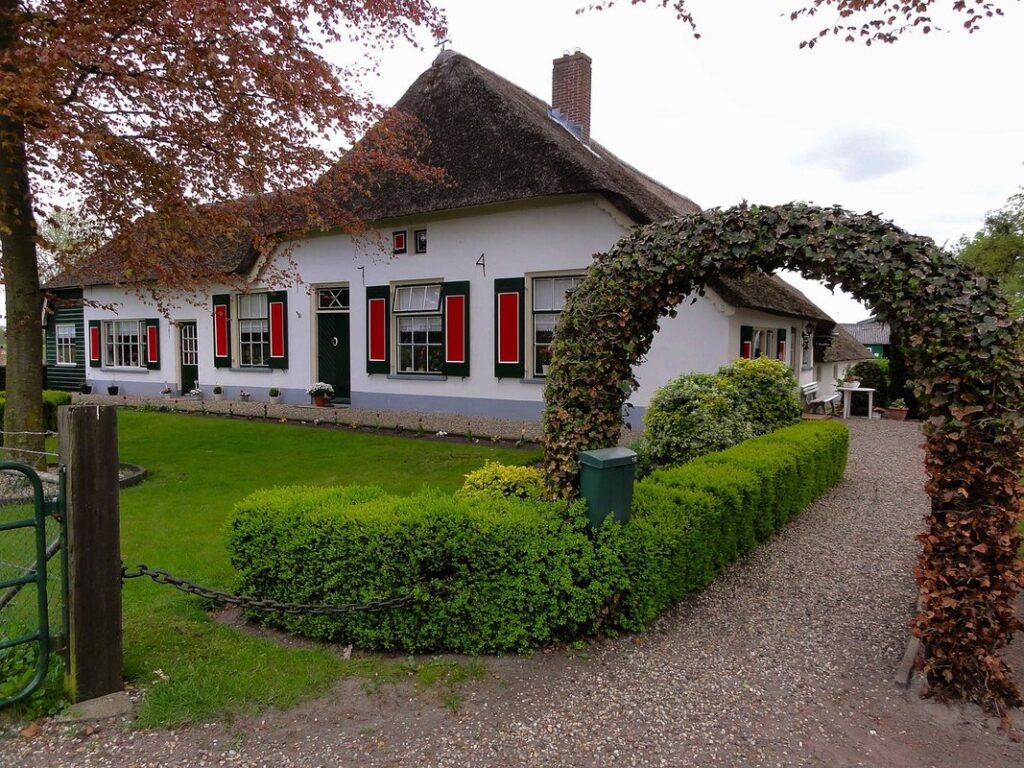
What is an Arch Trellis?
An arch trellis is a beautiful and functional addition to any garden, providing support for climbing plants while adding a touch of elegance to your outdoor space. In this section, we’ll break down what exactly an arch trellis is.
History of Arch Trellises
Arch trellises have a rich history that spans thousands of years, with their evolution closely tied to the development of horticulture and gardening. The earliest known forms of arch trellises date back to ancient civilizations in Egypt, Greece, and Rome, where they were used as supports for climbing plants like vines and roses.
In these early cultures, arch trellises were often simple structures made from wood or stone, designed to provide a framework for plants to grow up towards. As gardening became more sophisticated, so did the design of arch trellises. During the Victorian era, for example, elaborate metalwork arch trellises became popular, featuring intricate patterns and ornate details.
Today, arch trellises come in a wide range of styles and materials, from traditional wood and metal to modern designs made from recycled plastic or bamboo. Regardless of their design, arch trellises continue to serve as a vital tool for gardeners, providing support for climbing plants and adding visual interest to outdoor spaces.
Types of Arch Trellises
When it comes to choosing an arch trellis for your garden or outdoor space, you’re spoiled for choice. There are various types of arch trellises available in the market, each with its unique features, materials, and designs.
One of the most popular types is the wooden arch trellis, made from natural woods like cedar, pine, or teak. These trellises not only add a rustic charm to your garden but also provide excellent support for climbing plants like roses and clematis. Another option is the metal arch trellis, which offers a sleek and modern look. Metal trellises are often made from aluminum or steel and can be coated with powder paint for added durability.
You can also find PVC (polyvinyl chloride) arch trellises, which are lightweight, easy to install, and resistant to weather conditions. For those looking for something more unique, there’s the bamboo arch trellis, which brings an exotic touch to your garden. Additionally, some manufacturers offer composite materials like recycled plastic or wood-plastic hybrid that combine the benefits of both worlds.
When selecting a type of arch trellis, consider factors such as the climate in your area, the types of plants you want to support, and the overall aesthetic you wish to achieve in your outdoor space.
Choosing the Right Arch Trellis for Your Garden
When selecting an arch trellis, consider factors such as material, size, and style to ensure it complements your garden’s unique character. This will help you create a cohesive look.
Factors to Consider When Selecting an Arch Trellis
When selecting an arch trellis for your garden, there are several key factors to consider. First and foremost, think about the size of your garden. A large arch trellis can overpower a small space, while a smaller one may get lost amidst lush foliage. Consider the mature size of your plants and allow enough space between rows for easy maintenance.
Climate is also an essential factor. If you live in a region with high winds or extreme temperatures, look for a sturdy arch trellis made from durable materials like metal or recycled plastic. In areas with mild winters, a lighter material such as wood or bamboo may be sufficient.
Your personal style should not be overlooked either. Do you prefer a classic and elegant design or something more rustic and whimsical? Consider the overall aesthetic of your garden and choose an arch trellis that complements it. Some popular styles include modern minimalist designs, traditional wooden trellises, and ornate metalwork pieces.
Ultimately, the right arch trellis will depend on your specific needs and preferences. Take the time to research different options, consider your climate and garden size, and don’t be afraid to mix and match materials and styles to create a unique look that suits you best.
Popular Materials Used in Arch Trellises
When it comes to choosing the right arch trellis for your garden, one of the most important decisions you’ll make is selecting the material. The good news is that there are many options available, each with its own unique benefits and characteristics.
Wood is a popular choice for arch trellises due to its natural beauty and durability. Pressure-treated wood is particularly well-suited for outdoor use, but it’s worth noting that some types of wood, such as cedar, can be more expensive upfront but offer longer-term benefits like resistance to rot and insect damage.
Metal arch trellises are another option, often made from steel or aluminum. They’re lightweight, easy to install, and can provide excellent support for climbing plants. Some metal trellises also feature a decorative finish that can add an extra touch of style to your garden.
Bamboo is a sustainable and eco-friendly alternative to traditional materials, and its natural texture can add visual interest to your garden. However, it’s worth noting that bamboo arch trellises may require more maintenance than other options, as they can be prone to cracking or splitting over time.
Plastic and vinyl arch trellises are also available, often made from recycled materials and designed for easy installation. They’re a good choice if you want a low-maintenance option that’s also budget-friendly.
Designing Your Arch Trellis: Aesthetic and Functional Considerations
When designing your arch trellis, consider both its aesthetic appeal and functional needs to create a beautiful and useful addition to your garden or outdoor space. This balance is key to a successful trellis design.
Integrating Arch Trellises with Existing Garden Features
When integrating an arch trellis into your existing garden design, it’s essential to consider both plant placement and structural elements. Start by evaluating the surrounding landscape and identifying areas where the trellis can complement existing features. For instance, if you have a small patio or seating area, placing the trellis near it can create a sense of enclosure and define the space.
To maximize visual appeal, think about how plants will spill over or grow up the trellis. Choose climbing vines like clematis, roses, or wisteria that will thrive in your local climate and require minimal maintenance. Make sure to leave enough clearance between the trellis and nearby structures for easy pruning and maintenance.
When it comes to structural considerations, consider the weight and size of the trellis. Ensure it’s securely anchored to a sturdy base to withstand wind and weather conditions. Also, take note of any underground utilities or pipes that may be impacted by the installation. With careful planning and attention to detail, your arch trellis can seamlessly blend into your existing garden design, creating a beautiful and functional focal point.
Tips for Creating a Focal Point with an Arch Trellis
When used effectively, an arch trellis can be a stunning focal point in your garden. To create a visually appealing and attention-grabbing design, consider incorporating bold color schemes and textures to draw the eye towards the trellis. For example, pair a vibrant flower or foliage display on the other side of the trellis with a contrasting backdrop, such as a neutral-colored wall or fence.
To add depth and visual interest, incorporate different textures through the use of mixed materials, like wood, metal, or planters. You can also create a sense of hierarchy by placing larger plants or features near the base of the trellis, while keeping the surrounding area more sparse. A well-placed spotlight or string lights can also help draw attention to your arch trellis, especially in areas with limited natural light.
Remember, when choosing plants for your trellis, consider their mature size and growth habits to avoid overwhelming the structure. By balancing color, texture, and scale, you can create a beautiful focal point that draws the eye and becomes the centerpiece of your garden design.
Installing Your Arch Trellis: A Step-by-Step Guide
Now that you’ve chosen your perfect arch trellis, it’s time to bring it to life by installing it in your garden or backyard. Follow these easy steps for a seamless installation process.
Preparation and Planning Before Installation
Before diving into the installation process, it’s essential to prepare your site and gather all necessary materials. Start by clearing the area where you plan to install your arch trellis, removing any debris, weeds, or obstructions that could interfere with the installation.
Choose a location that receives sufficient sunlight for plant growth, but also provides some shade to prevent overheating. Consider the surrounding architecture and design elements, ensuring the trellis complements the existing landscape.
Next, select high-quality materials that match your desired style and budget. For example, you can opt for durable metal or sturdy wood, depending on your preference. Ensure you have all necessary tools, such as a level, drill, and screws, to complete the installation efficiently.
Measure twice and mark the area where you’ll install the trellis to avoid any mistakes during the actual installation process. This step may seem trivial, but it’s crucial in ensuring a smooth and successful outcome. By taking these pre-installation steps seriously, you’ll set yourself up for a trouble-free experience when installing your arch trellis.
Step-by-Step Instructions for Setting Up an Arch Trellis
To set up an arch trellis, start by choosing a location with good sunlight and air circulation. Next, mark out the area where you’ll be digging holes for the base of the trellis, taking care to avoid any underground utilities or pipes.
Dig two evenly spaced holes that are about 12 inches deep and slightly wider than the base of the trellis. Fill each hole with a few inches of compacted gravel to help improve drainage. Place the base of the trellis into one of the holes and secure it by screwing in place, making sure it’s level.
Attach plant ties or wire to the top of the trellis, spacing them about 12-18 inches apart. These will provide support for your climbing plants as they grow. Fill the gaps around the base with a decorative mulch or edging material to conceal any remaining soil and create a clean finish. As you attach plant ties, keep in mind that different types of vines have varying support needs – some may require multiple layers of tie or additional staking.
Benefits of Using an Arch Trellis in Your Garden
When it comes to adding visual interest and functionality to your garden, arch trellises offer a multitude of benefits that are sure to enhance your outdoor space. Let’s explore these advantages up close.
Space-Saving Solution for Climbing Plants
When training climbing plants like ivy, clematis, or roses, you need a space-saving solution that provides the perfect support for their growth. Arch trellises are an excellent choice for this purpose. By using an arch trellis, you can maximize vertical space in your garden while keeping the plants’ spread under control.
For example, consider training English ivy on an arch trellis. With a single arch, you can easily support hundreds of feet of ivy growth without overwhelming the surrounding area. Simply weave the stems through the latticework and secure them with twine or wire, allowing the plant to spill out beautifully on either side.
Arch trellises also work well for clematis, which can grow quite vigorously if left unchecked. Train the stems onto the arch’s framework using clips or ties, making sure not to overcrowd the plant. This will encourage a fuller display of blooms and prevent damage to nearby plants. With an arch trellis, you can enjoy the beauty of climbing plants without sacrificing valuable garden space.
Aesthetic Appeal and Visual Interest
An arch trellis brings a level of sophistication and visual interest to garden design that’s hard to match with other elements. Its curved shape creates a sense of flow and movement, drawing the eye through the space. This is particularly effective when placed near entrances or walkways, as it sets the tone for the rest of the garden.
In addition to its visual appeal, an arch trellis can also add texture and depth to your garden. The combination of a sturdy frame and a lush, climbing plant like ivy or clematis creates a striking contrast that’s sure to catch attention. To maximize this effect, consider planting a mix of flowering plants with different bloom times and colors.
To incorporate an arch trellis into your garden design, start by selecting a location that receives the right amount of sunlight for the type of plant you’re using. Next, choose a sturdy frame that’s durable enough to support the weight of your chosen climbing plant. Finally, don’t be afraid to get creative with your plant selection – experiment with different combinations to find the one that works best for your space.
Maintenance and Upkeep of Your Arch Trellis
To keep your arch trellis looking its best, regular maintenance is essential to ensure it continues to provide support for your plants and withstand harsh weather conditions. Proper upkeep will also extend its lifespan.
Seasonal Tasks for an Arch Trellis
As the seasons change, it’s essential to perform specific tasks to maintain the health and integrity of your arch trellis. Cleaning is a crucial task that should be done regularly, especially after harsh weather conditions like rain or snow. Use a soft-bristled brush or a cloth to gently remove dirt, debris, and cobwebs from the structure. For tougher stains, mix mild soap with water, apply it with a soft-bristled brush, and rinse thoroughly.
Pruning is another vital task that helps control plant growth and encourages new blooms. Identify overgrown stems, prune them back by about one-third to maintain shape and promote healthy growth. Also, inspect your trellis for any signs of damage, such as cracks, rotting wood, or rust on metal components. Address these issues promptly to prevent further deterioration.
During extreme weather conditions like storms or high winds, inspect your trellis for any damage or loose parts. Secure any loose screws, nails, or bolts to ensure the structure remains stable and secure. Regular inspections will help you address potential problems before they escalate into costly repairs.
Tips for Ensuring Longevity and Durability
Regular inspections are crucial to ensure that your arch trellis remains in good condition and lasts for years to come. Look out for signs of wear and tear, such as loose screws, damaged wire mesh, or sagging wood. Address these issues promptly by tightening loose screws, replacing damaged mesh, or reinforcing the structure with additional support.
Proper care is also essential to extend the lifespan of your arch trellis. Clean the trellis regularly to remove dirt, dust, and debris that can accumulate over time. Avoid using harsh chemicals or abrasive materials that may damage the wood or other components. Instead, opt for mild soap and water to keep the trellis looking its best.
When necessary, perform repairs to prevent minor issues from escalating into major problems. For example, if you notice a few broken wires, replace them with new ones to maintain the trellis’s integrity. Similarly, if the wood shows signs of rot or decay, consider refinishing or replacing it entirely. By staying on top of maintenance and addressing issues promptly, you can enjoy your arch trellis for many years to come.
Frequently Asked Questions
Can I use an arch trellis in a small garden, or are they best suited for larger spaces?
Yes, arch trellises can be used in small gardens as well. They’re a great space-saving solution for climbing plants and can add elegance to any outdoor setting, regardless of the size of your garden.
How do I maintain my arch trellis throughout the seasons?
Maintaining an arch trellis is relatively easy and involves regular cleaning, pruning, and inspecting for damage or wear. Be sure to remove dead plant material and check for any signs of pests or diseases during each season. This will ensure your trellis remains in good condition and continues to support your climbing plants.
Can I customize the design of my arch trellis to match my garden’s unique style?
Yes, one of the best things about arch trellises is their versatility. You can choose from a variety of materials and designs to create a custom look that complements your garden’s aesthetic. Consider factors like color, shape, and texture when selecting your materials and design elements.
How do I ensure my arch trellis remains stable in windy conditions?
To prevent damage or collapse, make sure to securely anchor your arch trellis to the ground using sturdy stakes or weights. You can also choose a design with built-in wind resistance features, such as wider bases or more substantial materials.
Can I use an arch trellis for plants that don’t necessarily climb or twine?
While arch trellises are designed primarily for climbing plants, you can still use them to support non-climbing varieties. Simply train the stems of your plant to grow up and around the trellis using twine or stakes, creating a visually appealing display that takes advantage of the trellis’s structural benefits.