
Are you tired of watching your prized vegetable garden get ravaged by hungry deer? You’re not alone! Many gardeners struggle to keep their crops safe from these majestic but pesky creatures. But fear not, we’ve got some great news for you: creating a deer-proof vegetable garden is possible with the right knowledge and techniques.
By understanding deer behavior and choosing resistant plants, you can take the first step towards protecting your garden. But that’s just half the battle – implementing effective deterrent strategies will be crucial in keeping those curious noses away from your prized veggies. In this article, we’ll dive into the world of deer-proof gardening, covering everything from plant selection to clever deterrents that really work. By the end of it, you’ll be well-equipped to create a garden that’s safe from deer damage and thriving with juicy, healthy produce!
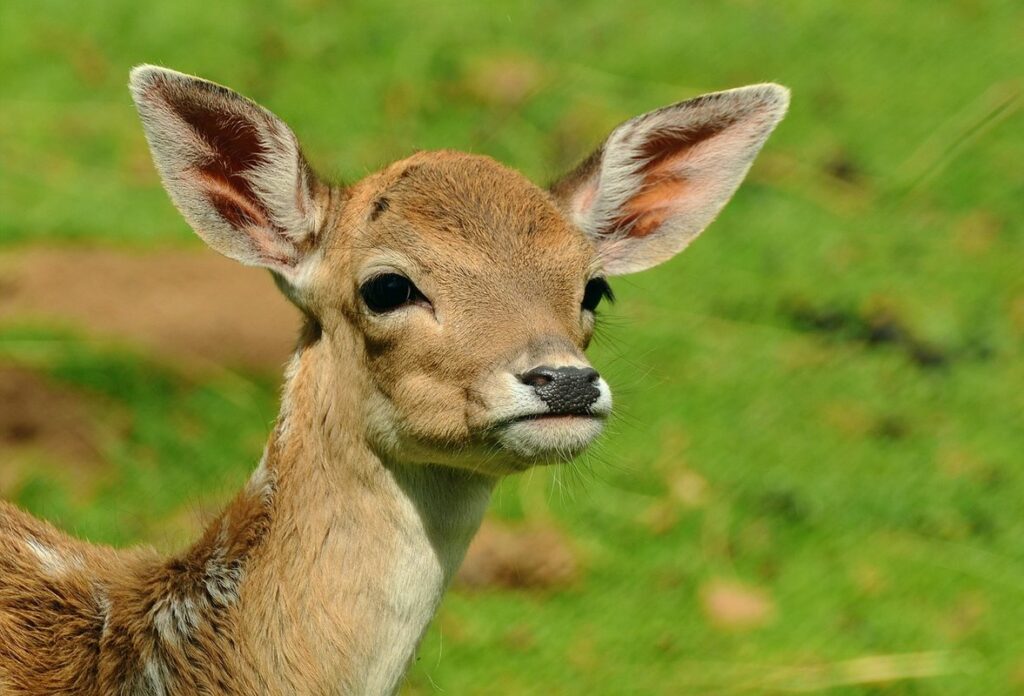
Understanding Deer Behavior and Motivations
To create a truly deer-proof garden, you need to understand what drives these creatures to raid your veggies. Let’s dive into the behavior and motivations that make them so attracted to our gardens.
Recognizing the Types of Deer
When it comes to protecting your vegetable garden from deer, understanding the types of deer species is crucial. There are over 60 different species of deer found worldwide, but for most gardeners, a few specific types will be relevant.
In North America, the white-tailed deer (Odocoileus virginianus) and mule deer (Odocoileus hemionus) are two of the most common species. White-tailed deer are generally smaller in size with a lighter brown coat, while mule deer have larger ears and a more robust build.
Mule deer tend to inhabit drier regions, such as scrublands and deserts, whereas white-tailed deer prefer deciduous forests and woodland edges. Knowing the habitat preferences of these species can help you identify where they may be coming from and how to deter them from your garden.
Understanding their common characteristics, like feeding patterns and preferred plants, will also aid in developing an effective deer-proof strategy for your vegetable garden.
Identifying Deer Patterns and Preferences
Understanding deer behavior is crucial to developing an effective defense against these hungry visitors. Deer feed, migrate, and interact with gardens in predictable patterns, often influenced by time of day, season, and year.
During the early morning hours, deer tend to forage for food, which makes them most active between dawn and 10 am. They return to their feeding grounds at dusk, typically around 4-6 pm. Knowing these peak activity times will help you tailor your deterrent strategies.
In terms of seasonal patterns, deer are often drawn to gardens in the spring when new growth is abundant. As summer heat sets in, they may seek shade and cooler temperatures by visiting gardens with mature vegetation. In autumn, deer prepare for winter by stockpiling food, which can lead them to devour as much as possible from your garden.
Observe your garden during these periods and note any deer activity patterns. This knowledge will guide you in selecting the most effective deterrents and placement of repellents.
Choosing Deer-Resistant Vegetables
When selecting vegetables for your deer-proof garden, it’s essential to choose varieties that are naturally unappealing to these hungry critters. Let’s explore some of the best options together.
Selecting Vegetable Varieties Resistant to Deer Damage
When selecting vegetable varieties for your deer-resistant garden, it’s essential to choose plants that are naturally less appealing or unpalatable to these pesky creatures. Garlic and hot peppers are excellent choices, as deer tend to avoid their strong scents and pungent flavors. Members of the Brassica family, such as broccoli, cauliflower, and kale, are also less likely to be targeted by deer.
If you’re looking for more options, consider planting radishes, which have a bitter taste that deer find unappealing. Chives and leeks are another good choice, as they have a strong onion flavor that deer tend to avoid. When shopping for these varieties, look for specific labels or descriptors like “deer-resistant” or “deer-deterrent.” This doesn’t mean the plants will be completely immune to deer damage, but it increases their chances of being left unscathed.
When growing these deer-resistant varieties, remember to plant them in areas where deer are less likely to visit. Companion planting can also help deter deer by creating a strong scent or visual barrier around your vulnerable plants. By incorporating these tips into your garden design, you’ll be well on your way to creating a deer-proof vegetable garden that’s both beautiful and bountiful.
Planting Strategies for Maximum Protection
When planting deer-resistant vegetables, it’s essential to consider strategies that maximize their effectiveness. Companion planting is one technique to boost protection by combining plants that naturally deter deer with those they prefer to avoid. For example, planting marigolds alongside tomatoes can repel nematodes and deer alike. Similarly, basil and garlic are known to repel aphids and deer, making them excellent companions for vegetables like lettuce and spinach.
Crop rotation is another crucial aspect of a deer-proof garden. By changing the location of your plants each season, you reduce the likelihood of deer adapting to their presence in specific areas. This method also helps maintain soil health and reduces pests and diseases that can be attracted to certain crops. As an added precaution, plant deer-resistant vegetables like hot peppers or chives at the perimeter of your garden to create a natural barrier.
When spacing these plants, consider a 12-inch gap between each row to allow for easy access and promote healthy growth. This also makes it more difficult for deer to navigate through the dense foliage.
Designing a Deer-Proof Garden Layout
When designing a deer-proof garden layout, it’s essential to consider the natural movement patterns of these animals and strategically place your vegetables in a way that minimizes their access. Let’s explore some practical tips for achieving this goal.
Understanding the Role of Topography and Fencing
When designing a deer-proof garden layout, understanding the role of topography and fencing is crucial to keeping these unwanted visitors out. Deer are attracted to gardens with easy access, so it’s essential to create a barrier that discourages them from entering.
The physical environment plays a significant role in deterring deer entry. For instance, if your garden has a slope or an uneven terrain, consider using the natural topography to your advantage. A steep slope can be a deterrent, as deer prefer easy access and escape routes.
Fencing is another critical component of a deer-proof garden design. The height and type of fencing used are just as important as its location. Deer can jump high, so fences should be at least 8 feet tall to prevent them from clearing the barrier.
When it comes to materials, choose options that blend with your surroundings while also being robust enough to withstand deer pressure. For example, metal or wood fences work well in many settings and are often less noticeable than other types of fencing.
Integrating Deer-Resistant Plants with Other Design Elements
When integrating deer-resistant plants into your garden design, it’s essential to strike a balance between aesthetics, functionality, and deer-deterrent properties. You’re not limited to just planting rows of deer-resistant flowers; instead, you can create a beautiful and functional space that also discourages deer from visiting.
To achieve this balance, start by considering the mature size of both your vegetable plants and deer-resistant flowers. Ensure that they don’t compete for space or overwhelm each other. For instance, tall sunflowers can provide shade for vegetables while also serving as a natural barrier against deer. Alternatively, you can plant compact deer-resistant flowers like lavender or creeping thyme alongside vegetables to create a visually appealing and deer-deterrent combination.
By carefully selecting plants that not only resist deer damage but also complement your garden’s design, you can create a thriving and deer-proof vegetable garden that meets both functional and aesthetic needs.
Repellent Strategies: Plant-Based Solutions
To keep those pesky deer away from your garden, consider incorporating plant-based repellents that deer naturally avoid into your defense strategy. Certain plants can deter them effectively and add beauty to your garden too!
Companion Planting for Deer Deterrence
Companion planting is an effective and chemical-free way to deter deer from your vegetable garden. By strategically selecting plants that repel deer, you can create a multi-layered defense system for your garden. Deer-repellent herbs like lavender, rosemary, and thyme are great choices to plant alongside vegetables. These fragrant herbs emit strong scents that unappealing to deer.
Other flowers like marigold, chrysanthemum, and daffodil also repel deer effectively. When planting these flowers with your vegetables, make sure to place them in areas where deer are likely to enter the garden, such as near pathways or fence lines. For example, planting a row of marigolds around the perimeter of your vegetable bed can keep deer from entering.
Consider pairing plants that deer dislike with those they prefer. This will help confuse them and make it harder for them to pinpoint their favorite vegetables. By combining these deer-repellent plants with physical barriers like fencing or netting, you’ll have a robust defense system in place to protect your garden.
Using Natural Repellents and Traps
When it comes to protecting your vegetable garden from deer, you don’t necessarily need to rely on harsh chemicals or loud noises. Instead, consider using natural repellents and traps to keep these unwanted visitors at bay.
Hot pepper sprays are a popular choice among gardeners. These sprays contain capsaicin, the active ingredient in chili peppers that gives them their heat. When sprayed around the perimeter of your garden, deer will associate the area with discomfort and avoid it. Look for commercial products or make your own by mixing hot sauce with water.
Another option is soap-based repellents. Deer don’t like the taste or smell of certain types of soap, which can be used to deter them from feeding on your plants. You can spray these soaps around your garden or mix them into a homemade repellent spray.
To take it a step further, you can also set up humane traps to capture and relocate deer that are persistently visiting your garden. These traps typically use bait and are designed to release the deer without harm when triggered. Place the traps in areas where deer frequent most often, but be sure to follow local regulations regarding deer control.
By using a combination of natural repellents and traps, you can effectively protect your vegetable garden from deer damage while minimizing harm to these animals.
Additional Deer-Deterrent Measures
If you’ve tried repellents and fencing without success, there are more deer-deterrent measures to explore that can help keep these critters out of your garden for good. Let’s take a look at some creative solutions.
Fencing Options: Types, Materials, and Installation
When it comes to creating an impenetrable barrier around your vegetable garden, fencing is one of the most effective solutions. Deer are notorious for their ability to jump over low fences, but a sturdy and well-installed fence can keep them at bay.
There are several types of fencing materials suitable for deer-proofing, each with its own set of benefits and drawbacks. Wooden fencing, for instance, is an aesthetically pleasing option that can be designed to fit seamlessly into your garden’s landscape. However, it may require periodic repainting or staining to maintain its integrity. Metal fencing, on the other hand, is more durable and resistant to weathering but can be noisy in windy conditions.
When installing a fence for deer-proofing, consider the following factors: fence height (at least 8 feet high), mesh size (1-inch openings or smaller to prevent jump-throughs), and post spacing (6-8 feet apart). Regular maintenance is also crucial to ensure your fence remains effective. Check for damage or wear regularly and perform repairs promptly to prevent deer from exploiting any weaknesses.
Motion-Activated Devices and Other Deterrent Systems
Motion-activated devices and other deterrent systems can be an effective addition to your deer-deterrent arsenal. These technologies use various methods to scare deer away from your vegetable garden without harming them.
One popular option is motion-activated sprinklers, which spritz water when a deer enters the area. This sudden noise and sensation often startle deer, making them associate the area with danger. For instance, the Scarecrow Motion Activated Sprinkler is a well-regarded model that can be placed around your garden perimeter.
Ultrasonic repellent devices are another option, emitting high-frequency sounds undetectable to humans but unpleasant for deer. These units usually require batteries and come with adjustable settings for volume and range. A popular choice among gardeners is the Pest Repeller by Gonicc, which claims a wide coverage area.
Alarm systems can also be used in conjunction with other deterrent methods. These can be motion-sensitive cameras, door sensors, or even solar-powered alarm boxes that emit sounds when triggered. Consider combining these technologies for enhanced effectiveness and to keep deer out of your precious vegetable garden.
Seasonal Deer Management Tips
As a gardener, you’ll want to be aware of seasonal changes that can impact deer behavior and adjust your management strategies accordingly. Let’s explore how to manage deer effectively in every season.
Preparing for the Different Seasons
As we explore seasonal deer management strategies for your deer-proof vegetable garden, it’s essential to adapt to changing weather conditions and deer behavior patterns. During spring, plant selections can be a crucial aspect of managing deer pressure. Consider incorporating plants that deer tend to avoid, such as hot peppers, garlic, or chives, into your garden design.
Summer brings warmer temperatures and increased humidity, which may affect plant growth and attract more deer to your garden in search of relief from the heat. To combat this, ensure your garden receives adequate water supply and consider using motion-activated sprinklers to scare off approaching deer. Fall is a great time for planting cool-season crops like broccoli, kale, or spinach that are less appealing to deer.
Winter weather can be particularly challenging for gardens, as deer may seek shelter in areas with accessible food sources. To minimize damage, use physical barriers and cover sensitive plants with row covers or burlap sheets to protect them from harsh winter conditions and hungry deer. By adjusting your garden care, plant selection, and deterrent strategies according to the season, you can effectively manage deer pressure and maintain a thriving vegetable garden throughout the year.
Managing Unexpected Incursions
Managing unexpected incursions by deer into your vegetable garden can be a stressful experience. If you find yourself facing this challenge during a particular season, remain calm and take swift action to minimize damage. First, assess the situation and determine how long the deer have been causing problems.
If they’ve only recently appeared or started causing significant damage, consider implementing emergency measures such as using repellents that contain predator urine or hot peppers. These can be applied directly to plants or around the perimeter of your garden. For example, a commercial product like Liquid Fence Repellent contains a combination of hot pepper extracts and other active ingredients to deter deer.
In addition to repellents, you may need to take short-term solutions such as temporarily fencing off the affected area using chicken wire or electric netting. This will prevent further damage until you can implement more permanent deer-proofing measures. For instance, if you have a smaller garden bed, consider wrapping individual plants with a porous mesh to protect them from deer grazing.
Frequently Asked Questions
Can I use a single type of repellent to protect my entire garden?
No, it’s recommended to use multiple types of repellents and deterrents to create a multi-layered defense system against deer. This can include plant-based solutions, natural repellents, fencing, and motion-activated devices.
What if I have a small garden with limited space for plants? Can I still choose deer-resistant varieties?
Yes, even with limited space, you can still choose deer-resistant vegetables like garlic, hot peppers, and certain types of squash. Consider using vertical gardening techniques or container gardens to maximize your space while selecting the right plants.
How do I know if my garden’s layout is effective in deterring deer? Are there any specific design principles I should follow?
When designing a deer-proof garden layout, consider incorporating features like curved paths, which can make it difficult for deer to navigate. Also, place high-value plants away from borders and fences, as deer are more likely to jump or climb over obstacles.
Can I use companion planting with deer-resistant vegetables alone to keep deer out of my garden?
While companion planting is an effective strategy in deterring deer, it’s often most successful when combined with other deterrents like fencing, repellents, or motion-activated devices. Choose a combination of methods that suits your garden and deer population.
What should I do if I notice deer are still visiting my garden despite implementing multiple deterrents?
If you’re experiencing persistent issues with deer damage despite using various deterrents, consider consulting with local wildlife experts or gardening professionals for personalized advice. They can help identify potential weaknesses in your current strategies and suggest additional measures to enhance your deer-proof garden.