
When planning your dream garden, one crucial decision you’ll need to make is whether to add an arbor or a pergola. These two structures may seem similar at first glance, but they serve distinct purposes and offer unique benefits for your outdoor space. While both provide shade and support for climbing plants, their designs, functionality, and maintenance requirements differ significantly. In this article, we’ll delve into the world of arbors and pergolas, exploring their differences, advantages, design considerations, and upkeep needs. By the end of this guide, you’ll be equipped with the knowledge to make an informed decision about which one is perfect for your garden. Whether you’re a seasoned gardener or just starting out, understanding the pros and cons of each will help you create a beautiful and functional outdoor haven.
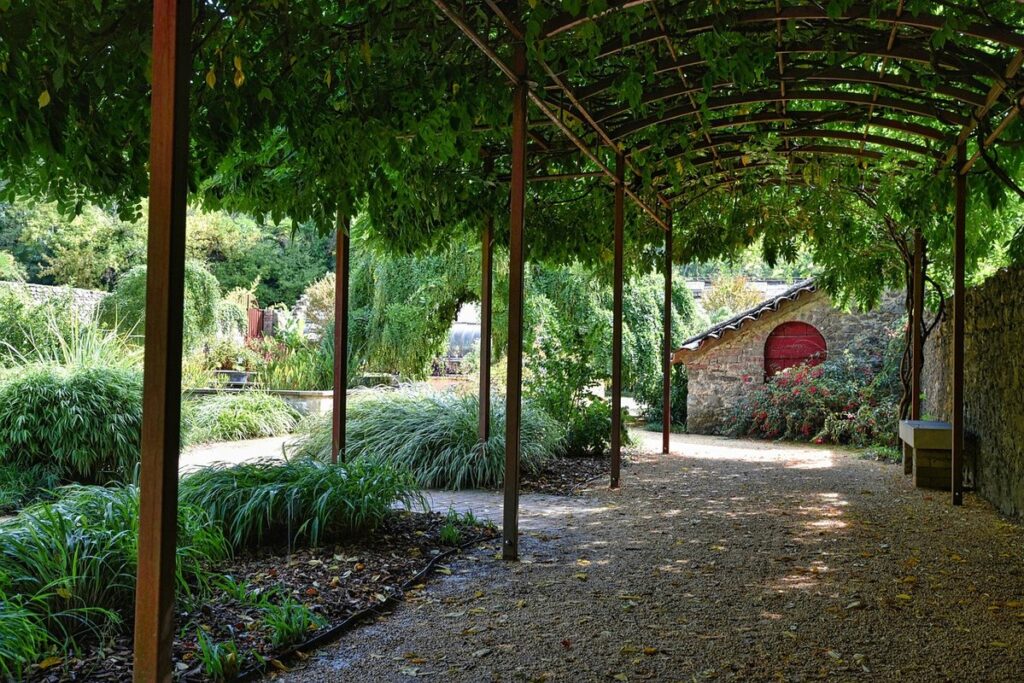
Understanding Your Options
When deciding between a beautiful arbor and a stunning pergola, understanding your options is crucial for creating the perfect garden feature that suits your style and needs.
Now that you’ve considered the benefits of each, let’s explore the various types of arbors and pergolas available to help narrow down your choice.
Types of Arbors and Pergolas
When it comes to defining arbors and pergolas, understanding their design styles and purposes is essential for selecting the perfect garden feature. An arbor is typically a freestanding, usually smaller structure made of wood, metal, or other materials, designed to provide shade and support climbing plants like vines or flowers. Pergolas, on the other hand, are often larger structures with open latticework designs that allow for free movement under and around them.
There are various types of arbors and pergolas available in the market. For instance, wooden arbors can be made from cedar, cypress, or redwood, each offering unique textures and durability levels. Metal pergolas can be powder-coated to withstand harsh weather conditions and maintain their aesthetic appeal. Gardeners can also opt for pre-made kits or DIY projects that cater to different tastes and budgets.
Some popular design styles include the classic Victorian arbor with ornate ironwork and a grand entrance, while modern garden designs often feature minimalist metal pergolas with clean lines. When choosing between arbors and pergolas, consider your available space, desired level of maintenance, and aesthetic preferences. This will help you make an informed decision about which type best suits your outdoor needs.
Benefits of Each Structure
When it comes to choosing between an arbor and a pergola for your garden, understanding their benefits is key. An arbor provides excellent shade, thanks to its overhead structure typically covered with climbing plants like vines or roses. This means you can enjoy time outdoors without worrying about the sun’s strong rays. Imagine strolling through your garden on a warm summer day, surrounded by lush greenery and protected from the elements.
A pergola, on the other hand, offers a more open structure that still provides some shade but also allows for airflow and sunlight to filter through. This makes it perfect for creating a sense of seclusion without feeling trapped or isolated. Plus, its design is often more flexible, allowing you to train plants like clematis or wisteria to climb up its beams.
In addition to these benefits, both arbors and pergolas can add aesthetic appeal to your garden by introducing interesting shapes and textures. They also create a sense of depth and visual interest, making your outdoor space feel more inviting and beautiful.
Design Considerations
When deciding between an arbor and a pergola, there are several key design considerations to keep in mind, such as space constraints and desired level of maintenance. Let’s explore these factors together.
Choosing Materials for Your Arbor or Pergola
When it comes to building an arbor or pergola for your garden, choosing the right materials is crucial. Not only do they affect the structure’s durability and aesthetic appeal, but also its maintenance requirements and overall cost. Let’s explore some popular options.
Wood is a classic choice for arbors and pergolas. Cedar, redwood, and cypress are all durable options that can withstand harsh weather conditions. Hardwoods like oak and maple are more expensive, but offer a rustic charm that suits traditional garden designs. Softwoods like pine and spruce are budget-friendly but require more maintenance.
Metal is another popular option, offering a sleek and modern look. Aluminum and steel are low-maintenance choices that come in various finishes, from powder-coated to galvanized. Recycled metal options like wrought iron or repurposed farm equipment can add an industrial touch.
If you’re looking for alternative materials, consider using reclaimed wood, bamboo, or sustainable options like FSC-certified woods. These eco-friendly choices not only reduce your carbon footprint but also add a unique character to your garden feature.
Remember to factor in the cost and maintenance requirements when selecting your material. With so many options available, you’re sure to find one that fits both your style and budget.
Incorporating Lighting and Electrical Components
When designing your arbor or pergola, it’s essential to consider the lighting and electrical components that will enhance its functionality and ambiance. As you deliberate between these two popular garden features, think about how they can be used beyond just providing shade.
Lighting is a crucial aspect of both arbors and pergolas. With an arbor, you might want to install string lights or lanterns to create a warm glow in the evenings. This not only adds ambiance but also extends the usability of your garden space into the night hours. For instance, a beautifully lit arbor can become a cozy spot for reading, relaxing, or even hosting dinner parties.
On the other hand, pergolas often benefit from spotlights that highlight their beautiful latticework design. This type of lighting not only showcases the structure’s architecture but also creates visual interest in your garden at night. Consider installing solar-powered lights to minimize environmental impact and save on energy costs.
When incorporating lighting into your arbor or pergola, remember to follow local electrical codes and regulations. Hire a licensed electrician if you’re unsure about any aspect of the installation process.
Functionality and Purpose
When deciding between an arbor and a pergola, functionality is a key consideration – how will your chosen structure be used and what benefits will it bring to your garden? Let’s break down these aspects.
Creating a Focal Point with an Arbor
An arbor can be an excellent choice to create a visually appealing focal point in your garden. A well-designed arbor not only adds beauty but also serves as a functional element that enhances the overall ambiance of your outdoor space.
To make the most of an arbor’s potential, consider its placement carefully. Position it at the entrance or near a seating area to draw attention and create a sense of drama. You can also use multiple arbors to frame a specific section of the garden, such as a patio or a raised bed.
Incorporating plants into your arbor design is crucial for creating visual appeal. Choose climbing vines like clematis, roses, or wisteria that thrive in shade and bloom at different times of the year. This will ensure a constant display of color and texture throughout the seasons. Remember to leave space between the branches for sunlight to pass through and prevent overcrowding.
When selecting an arbor style, consider the architectural style of your home as well as the overall aesthetic you want to achieve in your garden. For example, a traditional or rustic-style home might benefit from a wooden or stone arbor, while a modern design could be paired with a sleek metal structure.
Using a Pergola as a Gateway or Boundary Marker
A pergola can be a versatile and effective way to define different areas within your garden, creating separate zones for relaxation, entertainment, and even gardening. Imagine walking through a beautiful entranceway marked by a pergola, which not only adds visual interest but also sets the tone for your outdoor space.
When used as a gateway or boundary marker, a pergola can create a sense of transition from one area to another. For instance, you could use a pergola to separate the garden from a nearby patio or pool area. This not only provides a clear visual distinction between spaces but also helps to define the functional areas within your outdoor space.
In practical terms, consider using a pergola to create a sense of entry and exit in your garden by placing it at the entrance or near a focal point like a pond or water feature. You can also use plants or flowers trained on the pergola’s framework to soften its edges and blend it with the surrounding landscape.
Maintenance and Upkeep
To keep your garden feature looking its best, regular maintenance is essential. This section covers simple tasks to ensure your arbor or pergola remains a beautiful focal point for years to come.
Ongoing Care for Arbors and Pergolas
Once you’ve installed your arbor or pergola, it’s essential to maintain its beauty and functionality. Regular upkeep will not only extend its lifespan but also ensure it remains a stunning feature in your garden.
For arbors, inspect the structure annually for signs of damage or wear. Check the wooden beams, crossbars, and posts for cracks, splits, or rotting wood. Make any necessary repairs promptly to prevent further deterioration. Additionally, ensure the arbor’s foundation is level and secure to avoid stability issues.
Pergolas require more frequent maintenance due to their open design. Train climbing plants to grow up the structure by pruning them regularly. This will encourage new growth and keep the space underneath clear. Also, inspect the pergola’s beams for signs of rot or damage, and replace any damaged sections promptly. Regular cleaning is also crucial to remove debris and dirt that can accumulate on the structure.
Remember, ongoing care is key to preserving your arbor or pergola’s beauty and integrity. By dedicating a small amount of time each year to maintenance tasks, you’ll enjoy these garden features for years to come.
Addressing Common Issues and Problems
As you enjoy your arbor or pergola for years to come, it’s essential to be aware of potential issues that may arise. Weather conditions can cause damage, especially if the structure is not properly installed or maintained. High winds, heavy rainfall, and extreme temperatures can weaken the wood, causing cracks, warping, or even collapse.
Pests like termites, carpenter ants, and rodents can also infest your arbor or pergola, weakening its integrity. Regular inspections are crucial to detect any signs of damage or pest activity early on. To prevent this, ensure that the structure is built with durable materials and is properly sealed.
Another issue you may encounter is plant growth. As plants wrap around the structure, they can create an overgrowth problem if not regularly pruned. This can lead to a messy appearance and potentially harm the structure itself. To avoid this, choose plants that are suitable for the structure’s design and prune them seasonally to maintain a clean look.
To address these issues, consider incorporating maintenance into your regular gardening routine. Regularly inspect your arbor or pergola for signs of damage or pest activity, and schedule repairs as needed. Prune plants regularly to prevent overgrowth, and apply a sealant to protect the structure from weather conditions.
Cost and Budget Considerations
When deciding between an arbor and pergola, it’s essential to consider your budget, as both options have varying costs depending on materials and design complexity. Let’s dive into the cost factors you need to think about.
Comparing Prices for Arbors and Pergolas
When it comes to adding a garden feature, both arbors and pergolas can be great options. However, their price tags can vary significantly. The cost of an arbor or pergola depends on several factors, including the material used, size, design complexity, and whether you’re building from scratch or purchasing pre-made.
On average, a pre-fabricated arbor can range from $100 to $1,000, depending on its size and materials. Building one from scratch can be more cost-effective, with prices starting at around $50 for basic designs. Pergolas tend to be pricier, with prefabricated options ranging from $200 to $2,500 or more.
Keep in mind that these costs are estimates and can vary depending on your location and the materials you choose. If you’re looking for a budget-friendly option, consider repurposing an existing structure or using reclaimed wood. For larger or more complex designs, it’s often best to consult with a professional contractor who can provide a detailed estimate.
When comparing prices, also consider the long-term benefits of each structure. While arbors and pergolas share some similarities, their purposes differ – arbors are ideal for defining entryways or creating intimate spaces, while pergolas offer more shade and support for climbing plants.
Budget-Friendly Options for DIY Projects
When it comes to creating an arbor or pergola on a tight budget, DIY projects can be a cost-effective solution. Repurposing old materials is a great way to save money – consider using reclaimed wood from an old fence or decking for your structure’s frame. You can also scour local classifieds or Habitat for Humanity ReStores for affordable lumber.
To add a personal touch, incorporate natural elements like vines, climbing plants, and flowers into your design. Not only will this beautify your garden feature, but it’ll also require minimal additional costs. Use twine or wire to train the plants up the structure – a simple yet effective technique that’s easy on the wallet.
For a more budget-friendly arbor, consider using pre-made arches from your local hardware store. Simply attach these to wooden posts and add some decorative details like wooden finials or metal hooks. For a pergola, you can use existing garden features as support columns – like tree trunks or stone walls – which will save on materials costs.
A little creativity goes a long way in creating an arbor or pergola that fits your budget. Don’t be afraid to think outside the box and experiment with different materials and designs. With some patience and elbow grease, you can have a beautiful garden feature without breaking the bank.
Conclusion
So, you’ve weighed your options and made a decision between an arbor and pergola for your garden. Now, let’s summarize the key takeaways from our exploration of these two wonderful features.
Recap: Choosing Between an Arbor and Pergola
In this final section, we’ll summarize the key points discussed and provide guidance on how to make an informed decision between an arbor and pergola. By now, you’ve weighed the pros and cons of each option, considered your garden’s layout and style, and envisioned the role each feature will play in enhancing your outdoor space.
You’ve likely come across instances where both arbors and pergolas have been used to create stunning focal points in gardens. An arbor, typically a freestanding structure with a solid roof or trellis system, offers shelter from the elements and creates a sense of intimacy. In contrast, a pergola, usually featuring open beams or columns, allows for more sunlight and provides an unobstructed view of your garden.
As you finalize your decision, consider factors like your budget, available space, and personal preference for openness or seclusion. Think about the types of plants you’ll use to adorn your chosen feature. Will they thrive in shaded areas beneath a solid arbor roof or require more sunlight beneath an open pergola?
To make an informed choice, take note of these essential points: prioritize functionality and purpose, balance aesthetics with practicality, and assess your garden’s conditions before deciding between the two options. Weighing these factors will help you select the perfect feature to elevate your garden’s beauty and create a unique outdoor oasis that suits your needs.
Ultimately, choosing an arbor or pergola depends on your vision for your garden and how each option complements its existing features. With careful consideration of key factors, you’ll make an informed decision and enjoy the benefits of adding either an arbor or pergola to your outdoor space.
Frequently Asked Questions
Can I mix and match different materials for my arbor or pergola?
You can combine various materials, such as wood, metal, and trellises, to create a unique look that suits your garden’s style. However, ensure the materials are compatible and suitable for outdoor use. Consider factors like durability, maintenance needs, and the overall aesthetic you want to achieve.
How often should I inspect my arbor or pergola for damage or wear?
Regular inspections every 2-3 months can help identify potential issues before they become major problems. Check for signs of rot, rust, or damage from weather conditions, pests, or wildlife. Address any issues promptly to maintain the structure’s integrity and extend its lifespan.
What are some creative ways to incorporate lighting into my arbor or pergola?
String lights, fairy lights, or solar-powered lanterns can add ambiance and highlight your garden’s features. Consider installing LED lights with a timer or motion sensor for added convenience. You can also use candles or lanterns in planters for a softer, more rustic glow.
Can I use my arbor or pergola as a support structure for vines that produce edible fruits?
Yes, you can train edible plants like grapes, kiwis, or passionfruits to climb up your arbor or pergola. Ensure the structure’s design and materials are suitable for supporting the weight of the plants and any potential fruit load. Regular pruning will help maintain their health and encourage fruit production.
How do I decide which style is more suitable for my garden: a freestanding arbor or a connected pergola?
Assess your garden’s layout, size, and existing features to determine which option best complements its architecture and style. Consider factors like available space, sunlight patterns, and the type of plants you want to support. Ultimately, choose the design that creates a visually appealing focal point for your outdoor space.