
Are you ready to add a pop of color to your garden with one of the most stunning spring-blooming perennials? Growing larkspurs can be a bit tricky, but don’t worry, we’ve got you covered! With their vibrant spikes and delicate fragrance, it’s no wonder why larkspur is a favorite among gardeners. But before you can enjoy these beautiful blooms in your own yard, you need to know the right techniques for growing them.
In this comprehensive guide, we’ll walk you through everything you need to know to grow thriving larkspurs. From selecting the perfect variety to preparing the ideal soil and planting with care, we’ll cover it all. Whether you’re a seasoned gardener or just starting out, our expert tips will help you overcome common growing challenges and enjoy a stunning display of larkspur blooms in your garden.
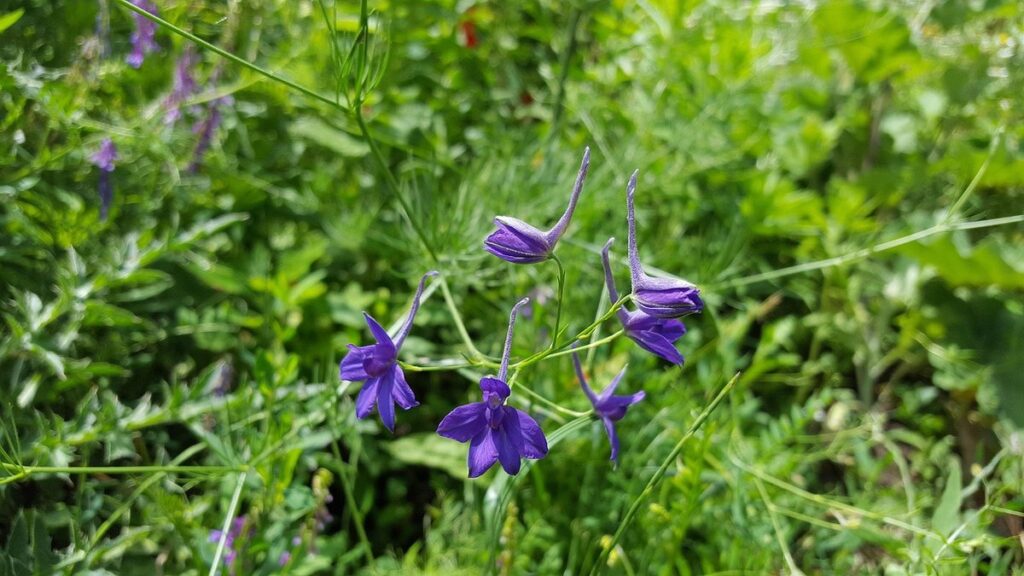
Choosing the Right Larkspur Variety
When selecting a larkspur variety, it’s essential to consider factors such as bloom time, height, and color to ensure you choose one that fits your garden’s unique needs.
Selecting for Climate and Hardiness
When selecting a larkspur variety, it’s essential to consider its climate requirements and hardiness zone to ensure a thriving bloom. Larkspurs are a diverse group of plants, with different species suitable for various regions.
There are several types of larkspurs, including the annual Delphinium consolida and the perennial Delphinium grandiflorum. The latter is more adaptable to different climates and can be found in USDA zones 3-8. On the other hand, some varieties like ‘Rosemary Blue’ and ‘Cambridge Blue’ are best suited for cooler temperatures and are hardy in zones 4-7.
To determine which larkspur variety will thrive in your region, check the plant label or consult with a local nursery. You can also research online to find out which types of larkspurs perform well in your area. Some popular varieties include ‘Rocket’ and ‘Polo Blue’, which are known for their ability to grow in warmer temperatures.
When selecting a variety, keep in mind that some larkspurs may require protection from extreme weather conditions, such as heavy rainfall or intense heat. By choosing a variety suitable for your climate and hardiness zone, you’ll set your larkspur up for success and enjoy a beautiful bloom come spring.
Understanding Larkspur Bloom Times and Colors
When it comes to choosing the right larkspur variety, understanding their bloom times and colors is crucial. Larkspurs typically fall into three categories: spring-blooming, summer-blooming, and fall-blooming.
Spring-blooming larkspurs are some of the first to emerge in late March or early April, often producing vibrant blue or purple flowers. These varieties thrive in cooler temperatures and can tolerate light frosts, making them perfect for areas with harsh winters. Take, for example, Delphinium ‘Camelot’ – a stunning spring-blooming larkspur that blooms from late March to May.
Summer-blooming larkspurs, on the other hand, tend to bloom between June and August. These varieties love full sun and warm temperatures, making them ideal for areas with long summers. Some popular summer-blooming larkspurs include ‘Sabotage’ and ‘Royal Velvet’. They come in a range of colors, including pink, white, blue, and purple.
Fall-blooming larkspurs are less common but offer a unique advantage – they bloom during the cooler autumn months, often providing a much-needed splash of color after summer’s heat has dissipated. These varieties typically require more maintenance than spring or summer-blooming larkspurs, but their blooms can last longer.
When selecting a larkspur variety, consider your garden’s specific needs and climate. If you live in an area with harsh winters, opt for a spring-blooming variety that can tolerate frost. If you have a long, hot summer, choose a summer-blooming larkspur that thrives in warm temperatures.
Preparing the Soil for Larkspur Growth
To ensure your larkspurs thrive, it’s essential to prepare the soil properly before planting, and that starts with choosing a location with well-draining conditions. Next, we’ll discuss how to amend the soil for optimal growth.
Testing pH Levels and Fertilizing
Testing pH levels and fertilizing are crucial steps in preparing your soil for larkspur growth. Larkspurs thrive in well-draining alkaline soils with a pH between 7.0 and 8.0, making it essential to test your soil’s pH level before planting.
To test your soil’s pH level, you can purchase a DIY testing kit or send a sample to a laboratory for analysis. A pH meter is another option, providing quick and accurate readings. Once you have the results, you can adjust the pH levels by adding lime to raise the pH or sulfur to lower it. For example, if your soil has a pH of 6.5, adding 1 cup of lime per 10 square feet will increase the pH to 7.0.
Fertilization is another critical aspect of larkspur growth. A balanced fertilizer with an N-P-K ratio of 10-10-10 is ideal for promoting healthy growth and blooming. Apply a 2-inch layer of compost or well-rotted manure around the base of your plants in spring, followed by a light application of balanced fertilizer after blooming has started. Avoid over-fertilizing, as this can lead to weak stems and reduced flowering.
Composting and Mulching Best Practices
Composting and mulching are essential practices to improve soil quality, suppress weeds, and retain moisture – all critical factors for a thriving larkspur bloom. By incorporating these techniques into your gardening routine, you’ll create an ideal environment for your larkspurs to flourish.
To start composting, collect kitchen scraps, leaves, and grass clippings in a designated bin. Aim for a mix of “green” materials (high in nitrogen) and “brown” materials (high in carbon). This balance will accelerate decomposition and produce a nutrient-rich compost that’s perfect for larkspur growth.
When applying mulch, choose organic materials like wood chips or bark, which help retain moisture while preventing weeds from sprouting. A 2-3 inch layer of mulch is sufficient; any more can lead to waterlogging. Consider replenishing the mulch as needed to maintain its effectiveness.
Remember, a well-maintained compost pile and consistent mulching routine will significantly reduce the need for fertilizers and herbicides – promoting a healthier soil ecosystem that benefits your larkspurs.
Planting Larkspur Seeds or Seedlings
When it comes to getting your larkspur plants started, you have two options: sowing seeds directly into the ground or starting with seedlings. We’ll walk you through both methods.
Sowing Seeds Directly in the Garden
When sowing larkspur seeds directly into prepared garden beds, timing is everything. In most regions, spring and fall are ideal times to sow larkspur seeds, as the temperatures are cooler and there’s ample moisture in the soil. Sow seeds about 1/4 inch deep and 12-18 inches apart, allowing for proper growth and air circulation between plants.
To ensure successful germination, make sure the soil is well-draining and loose enough to accommodate the seedlings’ developing roots. You can mix a small amount of compost or fertilizer into the soil to provide essential nutrients for the growing larkspur. Water the seeds gently but thoroughly after sowing, and maintain consistent moisture levels until they emerge.
Keep in mind that sowing directly in the garden requires patience as it may take 6-8 weeks for the seeds to germinate. However, this method allows the seedlings to develop strong roots in place, leading to healthier plants and more vibrant blooms.
Transplanting Seedlings from Indoor Pots
When transplanting larkspur seedlings from indoor pots to outdoor gardens, it’s essential to handle them with care to ensure a smooth transition. Start by gently removing the seedling from its pot, taking care not to disturb the roots. If the roots have grown too large for the container, trim them back slightly to prevent transplant shock.
Next, inspect the seedling for any signs of pests or diseases. Check for white powdery patches on leaves or stems, which could indicate fungal infections. Gently remove any affected areas with a pair of clean scissors. Also, look out for spider mites or aphids, which can be controlled with neem oil or insecticidal soap.
To prepare the soil for transplantation, loosen it to a depth of about 12 inches. If your garden soil is heavy clay or sandy, mix in some organic matter like compost or well-rotted manure to improve drainage and fertility. Plant the seedling at the same depth as it was in the indoor pot, watering thoroughly after transplanting. Provide adequate care during the first few weeks after transplanting, including regular watering and fertilization, to ensure a thriving bloom.
Caring for Larkspurs Throughout the Growing Season
To keep your larkspur blooms vibrant and healthy, proper care is essential during the growing season, from planting to harvesting. Here’s how to ensure their optimal growth and maintenance.
Watering, Pruning, and Deadheading
Watering is a crucial aspect of larkspur care, especially during hot and dry spells. Aim to provide about 1-2 inches of water per week, either through rainfall or irrigation. Be cautious not to overwater, as this can lead to root rot and other problems. Instead, focus on maintaining a consistent moisture level in the soil.
Pruning is essential for promoting healthy growth and encouraging new blooms. Remove spent flowers (also known as deadheading) to direct the plant’s energy towards producing more buds. Cut back stalks to about 6-8 inches from the ground after blooming finishes. This will also help prevent seed production, which can drain the plant’s resources.
Deadheading not only extends the blooming period but also encourages new flowers to form. Remove faded blooms by cutting off the stem at an angle just above a leaf node. This will signal the plant to produce more buds in the same spot, creating a continuous display of colorful flowers throughout the growing season. Regular pruning and deadheading will help maintain your larkspur’s overall health and vibrancy, ensuring it puts on a stunning show from spring into summer.
Dealing with Common Pests and Diseases
Larkspurs are susceptible to various pests and diseases that can hinder their growth and impact their blooming potential. One of the most common pests affecting larkspurs is aphids, which feed on sap, causing curled or distorted leaves. To prevent aphid infestations, inspect your plants regularly and treat any infestations promptly with neem oil or insecticidal soap.
Another common pest problem is slugs, which can cause significant damage to larkspur foliage and stems at night. Prevent slug damage by removing weeds, using copper barriers around the plants, or sprinkling crushed eggshells around the base of the plants.
Common diseases affecting larkspurs include powdery mildew, which causes a white, powdery coating on leaves, and root rot, caused by overwatering or poor drainage. To prevent these issues, ensure good air circulation around your plants, water carefully, and avoid getting water on the foliage to prevent fungal growth.
Monitor your larkspurs closely for signs of pests or diseases and take action promptly to minimize damage and maintain their health.
Encouraging Repeat Bloom in Larkspurs
If you’ve fallen in love with larkspur’s vibrant blooms, you’ll want to know how to coax repeat growth from these beautiful perennials. To encourage a second bloom, follow these essential tips.
Understanding the Role of Deadheading
Deadheading is an essential technique to encourage repeat bloom in larkspurs. When you remove spent flowers from the plant, it diverts energy away from seed production and redirects it towards stem elongation and leaf growth. This process can lead to a second, often more vibrant, flowering cycle.
To deadhead effectively, snip off the entire flower spike about 1-2 inches above the node where the petals meet the stem. This will not only promote repeat bloom but also maintain the plant’s appearance by removing faded blooms. Be sure to remove any seed pods that form after the initial bloom, as these can sap energy from the plant.
Timing is crucial when it comes to deadheading. For best results, do so immediately after the first flush of flowers has finished blooming. This will allow the plant to redirect its energy and produce a second, sometimes more robust, display of blooms. By incorporating deadheading into your larkspur care routine, you can encourage repeat bloom and enjoy these stunning plants for an extended period.
Fertilizing for Continued Growth and Bloom
As you continue to nurture your larkspur plants, it’s essential to provide them with the necessary nutrients for continued growth and bloom. Fertilization plays a crucial role in this process, and there are several techniques you can employ to support your larkspurs’ health.
Organic options like compost tea and worm casting can be an excellent choice for fertilizing your larkspurs. These methods not only provide essential nutrients but also promote soil health and microbial activity. To make compost tea, steep a bucket of compost in water for 24-48 hours, then strain the liquid and use it as a foliar spray or add it to the soil.
When it comes to timing, fertilize your larkspurs during their active growing season, typically from spring through summer. A balanced, water-soluble fertilizer (10-10-10 NPK) can be applied every 2-3 weeks, while a slow-release formula (e.g., 20-5-10 NPK) can be applied once a month. Avoid over-fertilizing, as this can lead to weak stems and reduced bloom quality.
By choosing the right fertilizer at the right time, you’ll be supporting your larkspurs’ growth and encouraging them to continue blooming beautifully throughout the season.
Common Larkspur Growing Mistakes to Avoid
Don’t let common mistakes sabotage your beautiful blooms! We’re sharing the most crucial larkspur growing errors to steer clear of for a stunning and healthy display.
Understanding How Light Affects Larkspurs
When it comes to growing larkspurs, many gardeners overlook one crucial aspect: light. While these flowers can tolerate some shade, they require adequate light to produce an abundance of blooms. Insufficient light is a common mistake that can lead to weak and leggy stems, reduced flowering, or even stunted growth.
To ensure your larkspur plants receive the right amount of light, consider their specific needs based on variety. Some larkspurs prefer full sun (six hours or more of direct sunlight), while others can tolerate partial shade (four to six hours of indirect sunlight). If you’re unsure about your plant’s requirements, consult its seed packet or research its specific needs.
Pay attention to the time of day when providing light for your larkspur plants. Morning sunlight is often gentler and more beneficial than intense afternoon sun. Also, be mindful of any nearby obstructions that might block direct sunlight, such as trees or buildings. By providing adequate light, you’ll set your larkspurs up for a thriving bloom season.
In extreme cases, if your plant is not receiving enough light, it may become stretched and spindly in search of more light. This can be corrected by pruning the stems to encourage bushy growth.
Recognizing Nutrient Deficiencies and Fixing Them
As you nurture your larkspur plants, it’s essential to recognize common nutrient deficiencies that can hinder their growth. A lack of nitrogen (N), potassium (K), and other vital nutrients can lead to stunted stems, yellowing leaves, or even plant death.
Nitrogen deficiency is often evident in pale green or yellowish foliage. To correct this issue, you can side-dress your larkspur with a balanced fertilizer (e.g., 10-10-10 NPK) during the growing season. Apply it at a rate of 1 tablespoon per plant, and repeat every few weeks for optimal results.
Potassium deficiency manifests as scorched or brown leaves, often accompanied by stunted growth. To rectify this issue, use a high-potash fertilizer (e.g., 0-0-60 K) according to the product’s instructions. This will help restore your larkspur’s vigor and promote healthy blooms.
Regular soil testing can also identify underlying nutrient deficiencies, allowing you to take corrective action before it’s too late. By staying vigilant and addressing these issues promptly, you’ll be well on your way to growing robust, thriving larkspur plants that will bloom beautifully for years to come.
Troubleshooting Larkspur Growth Issues
Don’t worry if your larkspurs aren’t thriving – we’ve got you covered. This section tackles common growth issues and offers practical solutions to get your blooms back on track.
Diagnosing Root Rot and Other Soil Problems
When it comes to troubleshooting larkspur growth issues, one of the most common problems is root rot and other soil-related concerns. These issues can arise due to overwatering, poor drainage, or compacted soil. To diagnose root rot, inspect the roots by gently removing the plant from its pot. If you notice soft, mushy, or blackened roots, it’s a clear indication of root rot.
To address root rot, stop watering immediately and repot the larkspur in fresh, well-draining soil. Remove any affected roots to prevent further damage. Regularly inspect your larkspurs’ soil moisture by sticking your finger into the soil up to the first knuckle; if it’s dry, it’s time for a drink. Avoid overwatering, as this can lead to root rot.
Other common soil problems affecting larkspurs include nutrient deficiencies and poor pH levels. To prevent these issues, use a balanced fertilizer during the growing season, and test your soil pH regularly to ensure it falls within the optimal range of 6.0-7.0 for larkspur growth. If you notice any yellowing leaves or stunted growth, consider adjusting your fertilizer schedule or repotting in a well-draining mix.
In addition to these tips, be mindful of compacted soil, which can limit root growth and lead to reduced flowering. To prevent this, gently loosen the soil around your larkspur plants after repotting to ensure good air circulation. By paying attention to these potential issues and implementing preventative measures, you’ll be well on your way to growing healthy, thriving larkspurs that bring beauty and vibrancy to your garden.
Identifying Pest Infestations and Disease Symptoms
As you tend to your larkspur plants, it’s essential to monitor them regularly for signs of pest infestations and diseases. Early detection is crucial to prevent the problem from spreading and causing more significant harm.
Pests such as aphids, whiteflies, and spider mites can be identified by their presence on the undersides of leaves or stems. These tiny insects feed on sap, causing curled or distorted leaves, stunted growth, and yellowing of foliage. To address an aphid infestation, spray your larkspur plants with a strong jet of water to dislodge them. Follow up with insecticidal soap or neem oil to kill any remaining pests.
Diseases like powdery mildew, leaf spot, and root rot can also affect larkspur. Powdery mildew appears as a white, powdery coating on leaves, while leaf spot causes small, circular lesions. Root rot is characterized by yellowing or droopy foliage and can be caused by overwatering or poor drainage.
To prevent these issues, ensure good air circulation around your plants, water them carefully, and avoid overhead watering to minimize the risk of disease. Regularly inspect your larkspur for signs of pests or diseases, and take prompt action if you notice any problems.
Frequently Asked Questions
How do I know if my larkspur variety is suitable for my region’s climate and hardiness zone?
Check the plant label or consult with a local nursery to ensure you’ve selected a variety that thrives in your area’s specific climate conditions. This will help prevent issues like root rot or reduced bloom times due to temperature fluctuations.
Can I grow larkspurs from seed directly in my garden, or do they require indoor starting?
Both methods are viable. If you’re short on time, start seeds indoors 8-10 weeks before the last frost date. For direct sowing, wait until late spring when soil has warmed up to at least 60°F (15°C). This will ensure proper germination and healthy growth.
How often should I water my larkspurs during hot summer months?
Larkspurs prefer well-drained soil but may require more frequent watering during dry spells. Water every 2-3 days, providing about 1 inch of moisture per week. Be cautious not to overwater, as this can lead to root rot and other issues.
Can I propagate larkspur by dividing established clumps in the spring or fall?
Yes, you can divide larkspurs in either season, but spring is generally recommended for optimal results. Carefully separate individual crowns, making sure each section has at least two growing points. Replant immediately and provide adequate moisture to support new growth.
What are some common pests and diseases that affect larkspur plants, and how can I prevent them?
Larkspurs are susceptible to aphids, slugs, and snails. Regularly inspect your plants for signs of infestation or disease like yellowing leaves, black spots, or white powdery mildew. Implement organic pest control methods, such as neem oil or insecticidal soap, and maintain good garden hygiene practices to minimize the risk of problems.