
When it comes to choosing the right material for your garden beds, you’re likely faced with two popular options: mulch or rock. Both have their benefits and drawbacks, which can leave you wondering which one is best for your garden’s health and aesthetics. Mulch has long been a gardener’s favorite for its ability to retain moisture, suppress weeds, and add a pop of color to the landscape. On the other hand, rocks provide a low-maintenance solution that can help with drainage and prevent soil erosion. But what about the long-term effects? Which option is truly better for your garden’s overall well-being? In this article, we’ll dive into the benefits, drawbacks, and lasting impacts of mulch vs rock in garden beds, helping you make an informed decision that suits your gardening needs.
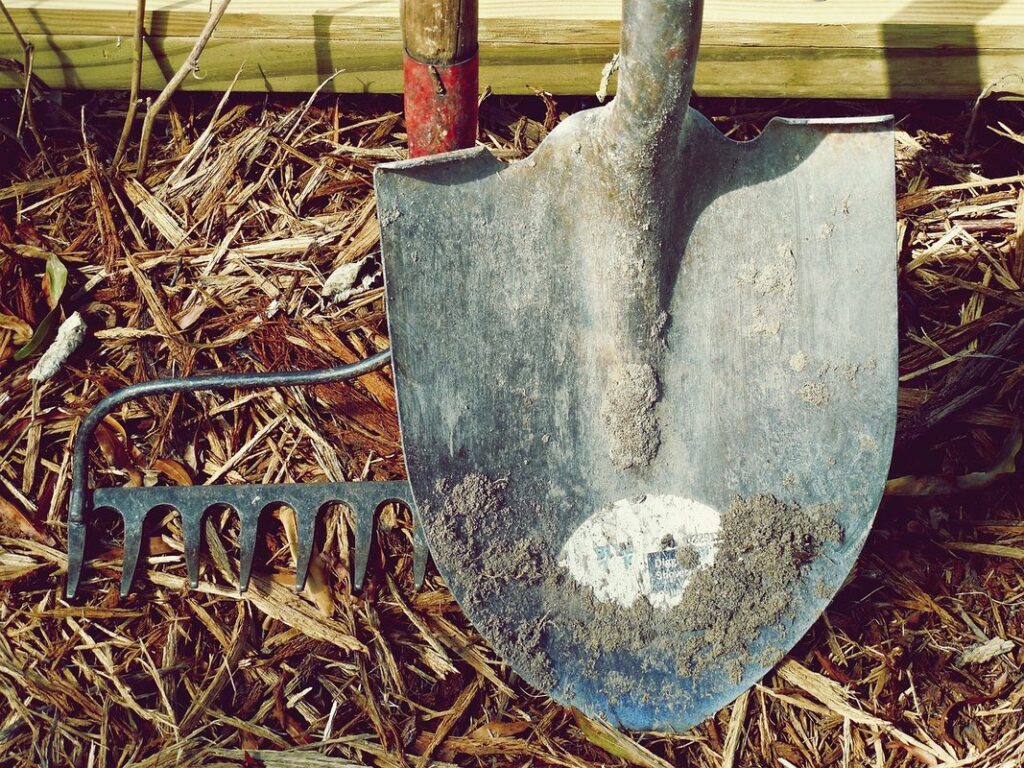
The Importance of Mulch and Rock in Gardening
When it comes to choosing between mulch and rock for your garden beds, understanding their unique benefits is crucial. In this section, we’ll delve into the importance of each option.
Benefits of Mulch for Your Garden
Mulch plays a vital role in maintaining a healthy garden ecosystem. One of its most significant benefits is its ability to retain moisture in the soil. By covering the ground with a layer of mulch, you reduce evaporation and prevent water loss due to surface runoff. This means your plants will have access to consistent moisture levels throughout the day.
Mulch also helps suppress weeds by blocking light from reaching weed seeds and preventing them from germinating. As an added benefit, it reduces the need for herbicides and other chemicals that can harm beneficial microorganisms in the soil. Furthermore, mulch regulates soil temperature, keeping it cooler in summer and warmer in winter. This is especially important for plants with shallow root systems.
Incorporating organic matter into your mulch will also improve the overall structure and fertility of your soil over time. As it breaks down, it adds nutrients and humus that support beneficial microbial activity, ultimately leading to healthier roots and stronger plant growth.
Advantages of Rock in Garden Beds
Rock is an excellent choice for garden beds, offering numerous advantages over traditional mulch. One of the primary benefits of using rock is its ability to improve drainage and aeration in the soil. By allowing excess water to flow freely through the rock layers, it reduces the risk of waterlogged soil and root rot. Additionally, rock provides ample space for air to penetrate the soil, promoting healthy microbial activity and root growth.
Decorative rocks or gravel also add an aesthetically pleasing element to your garden beds. They come in a variety of colors, textures, and sizes, allowing you to choose the perfect combination that complements your plants and overall design. By incorporating rock into your garden beds, you can create visually appealing borders and paths that require minimal maintenance.
Incorporating rock also helps prevent soil compaction, which is often caused by heavy foot traffic or equipment use. This allows for healthier root growth and promotes better nutrient uptake in the plants. To get started, simply apply a 2-3 inch layer of rock around your plants, leaving a small gap between each stone to allow for drainage.
Types of Mulch: Organic vs Inorganic
When it comes to choosing a mulching option, two main types stand out: organic and inorganic mulches. We’ll delve into the differences between these two categories.
Organic Mulch Options (Wood Chips, Bark, Leaves)
When it comes to organic mulches, there are several options available that can benefit your garden beds. Wood chips and bark are two popular choices, but leaves also make an excellent option. These natural materials not only retain moisture and suppress weeds, but they’re also biodegradable and can improve soil health over time.
One of the most significant advantages of using organic mulches is their environmental impact. Unlike inorganic options like rock or gravel, organic mulches are compostable and don’t contribute to greenhouse gas emissions during production or disposal. According to the EPA, composting organic materials reduces landfill waste by up to 30% and decreases methane emissions.
To choose and apply different types of organic mulch effectively, consider the following: wood chips retain moisture well but may break down quickly; bark provides a longer-lasting barrier but can be more expensive; leaves are low-cost and rich in nutrients, but may require frequent replenishment. Aim to maintain a 2-3 inch layer of mulch around plants, keeping it several inches away from stems to prevent rotting. By selecting the right organic mulch for your needs and applying it correctly, you can create a healthier and more sustainable garden ecosystem.
Inorganic Mulch Alternatives (Plastic, Rubber)
When it comes to mulching with synthetic materials, there are several options available that may seem appealing due to their durability and ease of maintenance. However, these inorganic alternatives come with their own set of pros and cons.
Synthetic mulches like plastic or rubber can provide a weed-suppressing barrier for up to 10 years, reducing the need for frequent replenishment. They also maintain their color and texture over time, creating a uniform appearance that’s easy on the eyes. Additionally, these materials are often less expensive than organic options upfront, making them an attractive choice for budget-conscious gardeners.
However, it’s essential to consider the long-term effects of using synthetic mulches in your garden bed. Research has shown that plastic mulches can contribute to soil degradation by leaching chemicals and preventing beneficial microorganisms from thriving. Furthermore, these materials may also harbor pests and diseases, potentially spreading issues throughout your garden.
Types of Rock: Decorative vs Functional
When choosing between decorative and functional types of rock for your garden beds, understanding their unique characteristics is key to making an informed decision. Here’s a breakdown of each option.
Decorative Rocks for Aesthetic Appeal
Decorative rocks come in a wide range of styles and can add an extra layer of aesthetic appeal to your garden beds. From smooth river rocks to brightly colored pebbles, these decorative stones can be used to create visual interest and break up large areas of mulch or plants.
Some popular types of decorative rocks include:
• River rocks: perfect for creating a natural, effortless look
• Beach pebbles: great for adding a pop of color to your garden beds
• Glass pebbles: ideal for a more modern, sleek appearance
To incorporate decorative rocks into your garden design, consider the following tips:
* Mix and match different types of rocks to create a unique and visually appealing combination
* Use a small amount of decorative rock as an accent around plants or mulch beds
* Consider using a border of decorative rocks along the edges of your garden bed for added definition
Remember, when choosing decorative rocks, keep in mind their color, texture, and size will all impact the overall look and feel of your garden.
Functional Rocks for Soil Health
Functional rocks like gravel and crushed stone play a crucial role in maintaining soil health. Unlike decorative rocks, which primarily serve an aesthetic purpose, functional rocks are designed to improve the overall condition of your garden bed. One of the primary benefits of using functional rocks is their ability to aid in water filtration. By allowing excess water to drain through the rock’s pores, gravel and crushed stone help prevent waterlogged soil, which can be detrimental to plant growth.
Functional rocks also facilitate soil aeration, which is essential for healthy root development. As plants grow, they need oxygen to thrive. Functional rocks allow air to penetrate the soil, reducing the risk of compacted soil, which can lead to poor drainage and reduced fertility. Furthermore, gravel and crushed stone help control erosion by preventing soil wash-away during heavy rainfall or irrigation.
By incorporating functional rocks into your garden bed, you can create a more sustainable and resilient environment for your plants. When choosing functional rocks, consider factors like particle size, material type, and depth of application to ensure optimal results.
Mulch vs Rock: Maintenance Considerations
When choosing between mulch and rock for your garden bed, maintenance considerations are a crucial factor to consider, affecting how often you’ll need to tend to your plants. Let’s break down what you can expect from each option in terms of upkeep.
Long-Term Maintenance of Mulched Beds
To keep your mulched beds looking their best and functioning properly, regular maintenance is crucial. Set aside some time each month to inspect the mulch for signs of decay, mold growth, or pest infestations. Check for soggy spots, which can be indicative of poor drainage or overwatering. These areas should be addressed promptly to prevent damage to plants and the mulch itself.
For replenishing mulch, a general rule of thumb is to add about 1-2 inches of new material annually. This will help maintain a healthy layer of protection against weeds and retain moisture in the soil. When selecting replacement mulch, opt for organic materials like wood chips or bark that are free from chemicals and additives.
In terms of dealing with issues, there are several methods to try before resorting to more drastic measures. For mold growth, increasing air circulation around plants can help prevent moisture buildup. Regularly turning the mulch also allows water to penetrate evenly, reducing the likelihood of soggy areas. As for pest infestations, introducing beneficial insects or using physical barriers can be effective deterrents.
Ongoing Care for Rock-Filled Garden Beds
Ongoing care for rock-filled garden beds is essential to maintain their appearance and health. To ensure the rock layer remains effective, it’s crucial to check and replenish it as needed. Inspect the bed regularly, looking for signs of erosion or gaps between rocks. Make a note of areas where new rock may be required and replenish accordingly.
To prevent weeds from growing through the gaps in the rock layer, apply a weed barrier fabric before laying down the rock. This will act as a physical barrier, preventing seeds from germinating. Alternatively, you can use a combination of rock and mulch to create a layered effect. Mulch can be applied around plants, while larger rocks or gravel are used for pathways.
When replenishing rock, choose new materials that match the existing color and texture to maintain visual continuity. Consider mixing old and new rock when replenishing to avoid creating an uneven appearance.
Budget Considerations: Mulch vs Rock
When planning your garden bed, one crucial factor to consider is the cost of maintenance and upkeep. In this section, we’ll break down the budget implications of mulch versus rock.
Initial Costs of Installing Mulch vs Rock
When it comes to installing mulch versus rock in garden beds, one of the first things that come to mind is the initial cost. Upfront expenses can be a significant consideration for many gardeners.
Installing mulch typically costs between $3 and $6 per square foot, depending on the type and quality of mulch chosen. In contrast, decorative or functional rocks can range from $2 to $10 per square foot, with higher-end options like granite or bluestone being more expensive. While these prices may seem comparable at first glance, it’s essential to consider the long-term durability and low-maintenance benefits of using rock in your garden bed.
If budget is a concern, consider using budget-friendly alternatives like pine straw ($1-2 per square foot) or recycled rubber mulch ($2-3 per square foot). These options may not be as aesthetically pleasing, but they can still provide excellent weed suppression and moisture retention. To make the most of your initial investment, plan ahead by choosing a material that fits your climate, garden style, and maintenance schedule.
Long-Term Cost Savings and Benefits
When considering mulch and rock for garden beds, one crucial aspect to examine is their long-term cost savings and benefits. One of the significant advantages of either option is reduced maintenance needs. With mulch, you’ll spend less time replenishing it over the years, as most types can last between 3-5 years with proper care.
Rock, on the other hand, requires minimal upkeep once installed. Since it doesn’t break down like organic materials, you won’t need to replace it frequently. Both options can also help minimize weed growth and erosion, further reducing maintenance costs. In terms of long-term benefits, mulch has a distinct advantage: improved soil health.
As mulch breaks down, it adds nutrients to the soil, promoting healthy plant growth. This organic matter can also improve the structure and fertility of your garden bed over time. While rock doesn’t provide these nutritional benefits, its aesthetic appeal is undeniable. A well-maintained rock bed can add a touch of elegance and sophistication to your outdoor space, increasing your property’s value.
Frequently Asked Questions
What’s the ideal thickness for a mulch layer to achieve its full benefits?
For maximum effectiveness, aim for a 2-3 inch (5-7.5 cm) thick layer of mulch. This depth allows for optimal moisture retention and weed suppression while preventing over-shading of plants.
Can I mix mulch and rock together in the same garden bed?
While it’s possible to combine mulch and rock, consider their contrasting benefits. Mulch excels at retaining moisture and suppressing weeds, whereas rocks provide better drainage and erosion control. Mixing both might dilute these benefits; instead, choose one or the other based on your specific gardening needs.
How often should I replenish or reapply mulch in my garden beds?
As a general rule of thumb, replenish or reapply 1-2 inches (2.5-5 cm) of mulch annually to maintain its effectiveness. This frequency may vary depending on factors like climate, soil type, and plant growth rates.
What’s the best approach for transitioning from rock-filled beds to using mulch?
Start by removing any existing rocks and debris, then apply a 1-inch (2.5 cm) layer of organic compost or well-rotted manure to enrich the soil. Next, add a 2-3 inch (5-7.5 cm) layer of your chosen mulch material, making sure to leave space for new plant growth and future maintenance.
Can I use recycled materials as an alternative to traditional mulches?
Yes, you can repurpose various household items like newspaper shreds, cardboard pieces, or wood scraps as a low-cost and eco-friendly alternative to commercial mulches. These recycled materials will still provide moisture retention and weed suppression benefits, albeit with varying degrees of success depending on their composition and application thickness.