
As a gardener, you’re likely no stranger to the importance of feeding your plants with the right nutrients. But have you ever thought about creating an organic fertilizer schedule tailored specifically to your garden’s unique needs? By doing so, you can ensure that your plants receive exactly what they need to thrive and grow healthily. A well-planned organic fertilizer schedule can make all the difference in achieving optimal plant growth and health. In this article, we’ll guide you through creating a comprehensive organic fertilizer schedule that takes into account your garden’s specific requirements. We’ll cover the best types of organic fertilizers to use, how often to apply them, and tips for customizing your schedule based on factors like soil type and climate. By the end of this article, you’ll be equipped with the knowledge needed to create a personalized organic fertilizer plan that will take your garden to the next level.
Understanding Your Soil Needs
To create a tailored organic fertilizer schedule, you first need to understand your soil’s specific needs and characteristics. This starts by evaluating your soil type and its nutrient deficiencies.
Understanding Soil pH Levels
Soil pH levels play a crucial role in determining the nutrient availability for plants to grow. The ideal soil pH range for most plants is between 6.0 and 7.0. If the pH level is too high or too low, it can lead to deficiencies of essential nutrients.
To determine your soil’s pH level, you can purchase a DIY soil testing kit or have it analyzed by a lab. You can also observe your plant’s growth patterns; if they’re not thriving, it may be due to an imbalance in the soil pH.
pH affects nutrient availability in several ways: nitrogen becomes less available at high pH levels, phosphorus is more readily available at lower pH levels, and potassium is relatively unaffected by pH. This means that when you apply organic fertilizers, their effectiveness can vary greatly depending on your soil’s pH level.
To adjust the pH of your soil, you’ll need to add materials such as dolomitic limestone for acidic soils or sulfur for alkaline soils. However, this should be done in moderation and under expert guidance to avoid causing more harm than good.
Identifying Nutrient Deficiencies
When working with organic fertilizers, it’s essential to identify nutrient deficiencies in your garden. This is where understanding common deficiencies and knowing how to diagnose them comes into play.
Common nutrient deficiencies can manifest in various ways depending on the nutrient missing. Nitrogen (N) deficiency often appears as yellowing leaves or stunted growth. Phosphorus (P) deficiency, on the other hand, may result in purpling leaves, weak stems, and a lack of root development. Potassium (K) deficiency shows up as scorching leaf edges, reduced yields, and poor flowering.
To identify nutrient deficiencies, it’s crucial to observe visual symptoms and consider factors such as soil type, climate, and previous fertilization practices. Soil testing provides an objective measurement of your garden’s nutritional levels. A standard soil test typically includes pH level, NPK (nitrogen, phosphorus, potassium) analysis, and micronutrient assessment. Regular soil testing helps you pinpoint specific deficiencies and develop targeted fertilization strategies.
If you suspect a nutrient deficiency, take action promptly by adjusting your organic fertilizer schedule accordingly.
Assessing Soil Type and Structure
When working with organic fertilizers, understanding your soil type and structure is crucial for effective application. Soil can be broadly classified into three main categories: clay, sand, and loam. Clay soils are dense and heavy, retaining moisture but often becoming waterlogged. Sand soils, on the other hand, drain quickly and may require more frequent watering.
Loam soils, considered ideal for gardening, offer a balance of structure, drainage, and fertility. To assess your soil type, perform a simple jar test: fill a container with 1 part soil to 3 parts water, and shake it well. Observe the sediment; if it settles quickly or remains suspended, you likely have clay or sand soils.
Soil structure affects fertilizer application in two key ways. First, different soils require varying rates of organic matter addition to maintain optimal fertility levels. Second, specific fertilizers are suited for particular soil types – such as acidic fertilizers for acid-loving plants like azaleas and rhododendrons. Knowing your soil’s pH range and nutrient content will help you select the right organic fertilizer for your garden.
To assess your soil structure, consider its texture: is it crumbly (loam), coarse (sand), or sticky (clay)? A well-balanced soil structure will also determine how quickly nutrients are absorbed by plants.
Preparing Your Garden for Organic Fertilizers
Before you start applying organic fertilizers, it’s essential to prepare your garden by assessing its soil type and pH level. This will help you choose the right fertilizer for optimal results.
Creating a Soil Test Report
When you receive your soil test results, it’s essential to understand what they mean for your fertilizer schedule. A soil test report will provide information on the pH level of your soil, nutrient levels, and potential contaminants. The first step is to interpret the pH level, which should fall between 6.0 and 7.0 for most plants.
The N-P-K (nitrogen-phosphorus-potassium) values represent the amount of each nutrient present in your soil. These numbers will determine how much organic fertilizer you need to apply. For example, if your test shows a low nitrogen level, you’ll want to choose an organic fertilizer rich in nitrogen, such as compost or manure.
Look for other key indicators on your report, including micronutrients like iron and zinc. If these levels are low, consider applying targeted supplements. Finally, review the report’s recommendations for fertilizer application rates based on your specific soil type and nutrient levels. This will ensure you’re applying just the right amount of organic fertilizer to meet your garden’s needs without overloading it with excess nutrients.
Choosing the Right Organic Fertilizer
When it comes to choosing the right organic fertilizer for your garden, you’re spoiled for choice. There are many types of organic fertilizers available, each with its own unique benefits and advantages. Let’s take a look at some of the most popular options.
Compost is one of the most effective and versatile organic fertilizers out there. Made from decomposed plant matter, compost is rich in nutrients and microorganisms that help soil health and fertility. It’s also easy to make at home using kitchen scraps and yard waste. Fish bone meal is another popular choice, providing a slow-release source of nitrogen that promotes healthy plant growth.
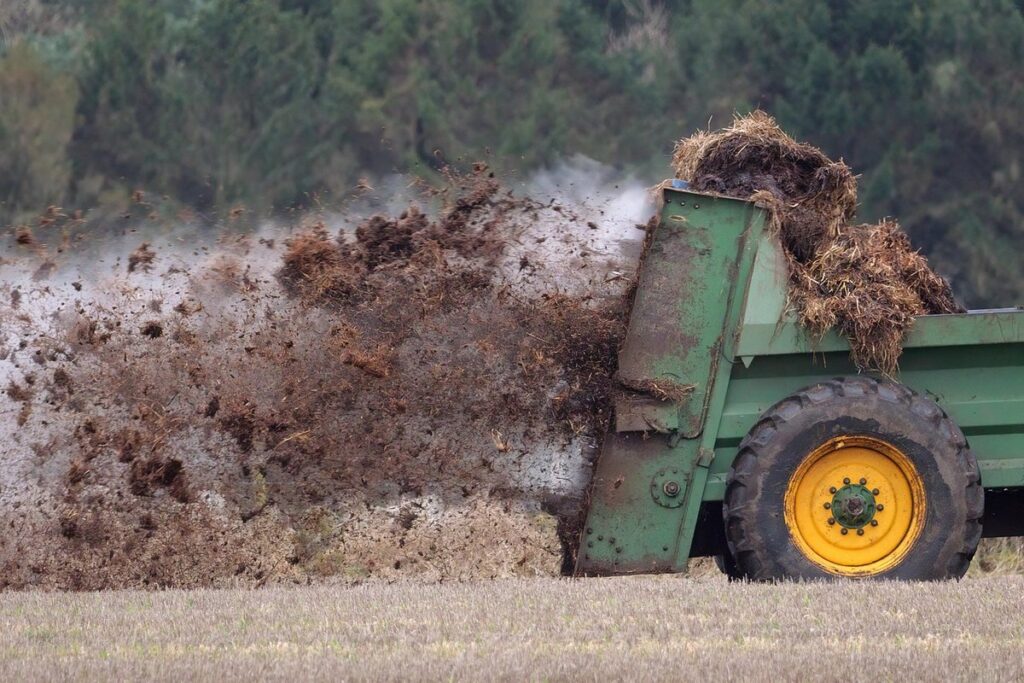
Manure from herbivores like cows and horses is also an excellent option, rich in phosphorus and potassium. But be sure to choose a manure that’s free of contaminants and pathogens. When selecting an organic fertilizer, consider the specific needs of your plants, as well as the soil type and pH level. Consider the carbon-to-nitrogen ratio, too – you want it to be around 2:1 or 3:1 for optimal decomposition.
Start by making a small batch at home using readily available materials like food waste and leaves. This will not only save you money but also give you a better understanding of what works best in your garden’s unique conditions.
Implementing a Pre-Season Soil Conditioning Program
Before applying organic fertilizers to your garden, it’s essential to prepare your soil through a pre-season conditioning program. This involves activities that improve soil structure, fertility, and overall health.
To begin, add a layer of mulch to retain moisture, suppress weeds, and regulate soil temperature. Organic mulches like wood chips or straw are excellent choices as they break down slowly, releasing nutrients into the soil over time. Consider incorporating cover crops such as clover or rye into your rotation, which can help replenish soil nutrients, improve soil biota, and provide a natural weed barrier.
When selecting cover crops, choose species that suit your climate and growing conditions. For example, in regions with heavy rainfall, annual ryegrass may be an ideal choice due to its rapid growth rate and ability to suppress weeds.
Remember to incorporate these pre-season activities into your organic fertilizer schedule. This will ensure a balanced and healthy soil ecosystem, ultimately leading to robust plant growth and improved yields.
Designing Your Organic Fertilizer Schedule
Now that you have your organic fertilizer options and applications planned, let’s dive into designing a tailored schedule for your garden. This is where flexibility and adaptability come in handy.
Determining Application Rates and Timing
Calculating application rates for different types of fertilizers is crucial to avoid over-fertilization, which can harm plants and contaminate soil. To determine the right rate, start by reading the label on your fertilizer package. Most labels provide a recommended application rate based on the type of crop being grown and the desired nutrient levels.
For example, if you’re using a liquid fish emulsion, a common application rate is 2-4 ounces per gallon of water. If you’re using a granular organic fertilizer like alfalfa meal or bone meal, follow the package instructions for application rates based on soil type and crop requirements.
Timing is also essential when applying organic fertilizers. Most plants require nutrients at specific growth stages. For example, nitrogen-rich fertilizers are best applied during the vegetative stage of plant growth, while phosphorus-rich fertilizers promote root development and flowering in later stages.
To get it right, divide your crop cycle into three main phases: seedling, maturation, and harvest. Apply a balanced fertilizer at the beginning of each phase to support optimal growth.
Creating a Crop-Specific Fertilization Plan
When it comes to creating an effective crop-specific fertilizer plan, understanding the unique nutrient requirements of each plant is crucial. For instance, leafy greens like lettuce and kale have high nitrogen needs during their growth phase, whereas vegetables like tomatoes require a balanced mix of nitrogen, phosphorus, and potassium.
For example, if you’re growing broccoli in your garden, you’ll want to provide it with a fertilizer rich in sulfur, which promotes the production of glucosinolates – compounds responsible for its characteristic flavor and aroma. On the other hand, sweet potatoes have different nutrient requirements altogether, requiring more phosphorus than nitrogen during their tuber-forming stage.
To develop an effective crop-specific plan:
* Determine the specific nutrient needs of your crops through soil testing or consulting with a local expert
* Choose organic fertilizers that meet those needs – for example, fish emulsion for high-nitrogen crops and bone meal for phosphorus-rich crops
* Apply these fertilizers according to their recommended schedules, taking into account factors like weather conditions and crop growth stages
Integrating Compost Tea and Other Supplements
Using compost tea and other supplements as part of your organic fertilizer schedule can be a game-changer for your garden’s health. Compost tea is a liquid solution made by steeping compost in water, which allows beneficial microbes to infuse into the liquid. This concentrated brew can then be used as a foliar spray or added directly to the soil, providing a boost of nutrients and microorganisms that promote healthy plant growth.
When incorporating compost tea into your schedule, it’s essential to start with small batches (about 1-2 gallons) and monitor your plants’ response before scaling up. You can use it as a regular supplement, applying it every 7-10 days during the growing season. Other supplements like fish emulsion, bone meal, or alfalfa meal can also be used in combination with compost tea to provide a broader range of nutrients.
Consider using a mix-and-match approach to create a customized fertilizer blend tailored to your specific needs. For example, if you’re struggling with soil-borne diseases, add some beneficial microbes-rich supplements like mycorrhizal fungi or trichoderma harzianum. Remember to always follow the manufacturer’s instructions for application rates and dilution ratios to avoid over-fertilizing your plants.
Managing Organic Fertilizer Applications
When applying organic fertilizers, timing is everything. This section will walk you through strategies for effectively managing your fertilizer applications to maximize benefits and minimize waste.
Ensuring Adequate Nutrient Availability
To ensure that your plants receive all the necessary nutrients throughout the growing season, it’s essential to have a well-planned organic fertilizer schedule. This involves more than just applying fertilizers at random intervals; you need to consider the specific nutrient requirements of your plants and the soil type.
One strategy for addressing nutrient deficiencies is through soil testing. By analyzing your soil’s pH level and nutrient content, you can determine which nutrients are lacking and take corrective action. For instance, if your soil test reveals a lack of nitrogen, phosphorus, or potassium, you can apply organic fertilizers rich in these nutrients accordingly.
Another approach is to adopt a sequential application method. This involves applying different types of organic fertilizers at various stages of plant growth to provide a balanced nutrient supply. By doing so, you ensure that your plants receive the necessary nutrients when they need them most. For example, applying a starter fertilizer high in phosphorus when seedlings are young can promote healthy root development, while a fertilizer rich in nitrogen and potassium during the fruiting stage can support optimal fruit production.
Monitoring Soil Health and Adjusting Your Schedule
Regular soil testing is essential to monitor its health and adjust your fertilizer schedule accordingly. This involves collecting and analyzing soil samples at different intervals, typically every 6-12 months, depending on the crop rotation and soil type. By doing so, you’ll gain valuable insights into nutrient levels, pH, and other critical factors that impact plant growth.
When interpreting test results, pay attention to indicators such as nitrogen (N), phosphorus (P), potassium (K) levels, and pH. For instance, if your soil test reveals low N levels, it may indicate over-fertilization in the past or a need for additional nitrogen-rich amendments. Conversely, high N levels could suggest an excessive application of organic fertilizers.
Based on these findings, adjust your fertilizer schedule to rectify any imbalances. If your soil lacks essential nutrients, incorporate targeted organic amendments into your rotation. Be cautious not to over-fertilize, as this can lead to negative environmental impacts and decreased crop yields.
Managing Common Challenges and Side Effects
When applying organic fertilizers, you may encounter some common challenges and side effects that can impact their effectiveness. One of the most noticeable issues is the strong odor emitted by these products. This smell can be overwhelming, especially when applied on a large scale or in enclosed spaces.
To mitigate this issue, consider the following tips: start by applying smaller quantities to test for any adverse reactions. This will help you determine the optimal amount required for your specific soil type and needs. You may also want to mix organic fertilizers with other products that have neutralizing properties, such as lime or sulfur, to counteract their smell.
Additionally, some organic fertilizers can attract pests like rodents, birds, or insects, which can cause further damage to plants. To minimize this problem, apply these products in the early morning or evening when pests are less active. Another option is to use physical barriers like fencing around the treated area to prevent pest access.
Frequently Asked Questions
Can I apply organic fertilizers during the dormant season?
Yes, applying organic fertilizers during the dormant season can be beneficial for plants that require nutrients during this period. This helps to ensure a steady supply of essential nutrients and promotes healthy plant growth when new growth begins.
How do I adjust my fertilizer schedule for specific climate conditions?
Climate conditions like temperature, humidity, and rainfall significantly impact soil nutrient availability. For example, in hot climates, you may need to apply fertilizers more frequently due to increased evaporation and leaching. Conversely, in cooler climates, slower microbial activity might require longer intervals between applications.
Can I use homemade compost as a fertilizer throughout the year?
While homemade compost is an excellent source of nutrients, its effectiveness decreases over time. Freshly made compost is rich in organic matter but may lack essential micronutrients. To maintain optimal nutrient levels, consider replenishing your compost pile periodically or supplementing with other organic fertilizers.
How often should I test my soil for pH and nutrient deficiencies?
Regular soil testing (every 3-6 months) ensures you’re on top of any changes in your garden’s soil health. This frequency may vary depending on factors like climate, soil type, and crop rotation. Keep records of past tests to identify patterns and adjust your fertilizer schedule accordingly.
What happens if I notice adverse effects after applying organic fertilizers?
Adverse effects can occur due to over-fertilization or incorrect application methods. If you notice issues such as nutrient toxicity, root burn, or pest infestations, immediately stop the affected fertilizer and reassess your schedule. Consider consulting a gardening expert for personalized advice on resolving these challenges and adjusting your approach.