
Are you eager to grow your own delicious pears without taking up too much space in your garden? Look no further than the espalier pear tree! This clever training method allows you to maximize fruit production while keeping your tree compact and easy to maintain. But what exactly is an espalier pear tree, and how do you go about growing one? In this article, we’ll take you through every step of the process, from planning and planting to pruning and harvesting. You’ll learn the benefits of espalier training, including its space-saving design and ability to produce fruit in a small area. By the end of this guide, you’ll be well-equipped to grow your own espalier pear tree and enjoy a bountiful harvest year after year.
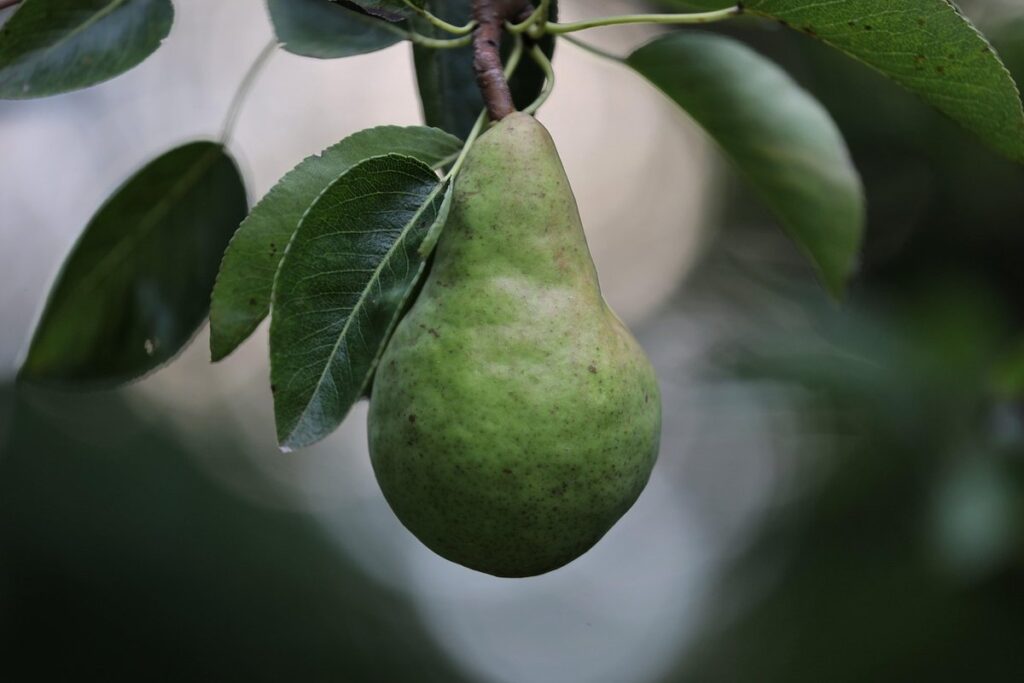
What is an Espalier?
An espalier is a technique of training plants to grow against a wall or trellis, perfect for space-conscious gardeners. This method requires careful pruning and planning to achieve maximum growth and beauty.
Defining Espalier and Its Benefits
An espalier is a technique of training plants to grow in a specific way, often against a wall or fence. Originating from 17th-century Europe, this method was initially used for fruit trees like pears and apples. By carefully pruning and guiding the branches, gardeners can create beautiful, space-efficient displays that add visual interest to any landscape.
The primary benefits of espaliering your pear tree are twofold: it maximizes space usage and enhances aesthetics. Traditional pear trees can grow quite large, but an espaliered pear tree is contained within a smaller area, making it perfect for small gardens or courtyards. Moreover, the carefully trained branches create a stunning visual display that adds depth and texture to your garden’s architecture.
In terms of space efficiency, an espaliered pear tree can be grown in areas as narrow as 2-3 feet wide. This makes it ideal for narrow side yards, small backyards, or even indoor spaces like balconies or patios. By choosing the right varieties and carefully pruning your tree, you can enjoy a bounty of delicious pears while also adding visual interest to your landscape.
Choosing the Right Variety for Your Espalier
When it comes to growing an espalier pear tree, choosing the right variety is crucial for its success. Not all pear trees are created equal when it comes to their ability to thrive on a trellis or wall. Look for dwarf varieties that have been bred specifically for compact growth habits and smaller root systems.
Some popular options include ‘Bartlett’, ‘Anjou’, and ‘Red Anjou’. These varieties are known for their compact growth patterns, producing fruit on shorter branches that can easily be trained along a trellis. Other cultivars like ‘Moonglow’ and ‘Shinko’ are also well-suited for espalier training.
When selecting a pear tree variety, consider factors such as climate, soil type, and available space. Some varieties may require more chill hours or have specific pruning needs that can impact their performance on an espalier system. Research the specific requirements of your chosen variety to ensure it thrives in its new environment. By choosing the right variety for your espalier pear tree, you’ll be well on your way to growing a healthy and productive tree that provides years of delicious fruit.
Planning and Preparing for Your Espalier Pear Tree
Before planting your espalier pear tree, it’s essential to carefully plan its layout and prepare a suitable location with the right climate and soil conditions. This will set the stage for a healthy and thriving tree.
Site Selection and Soil Preparation
When selecting a location for your espalier pear tree, it’s essential to consider three critical factors: sunlight, wind direction, and soil quality. Sunlight is crucial for photosynthesis, so ensure that your chosen spot receives at least six hours of direct sunlight per day. East- or west-facing walls are ideal, as they provide gentle morning or afternoon sun.
Wind direction is also vital, especially if you live in an area with strong gusts. A location that protects your tree from harsh winds will prevent damage and promote healthy growth. When possible, position your espalier pear tree near a north wall to shield it from prevailing winds.
Soil quality is another critical consideration. Espalier trees prefer well-draining soil rich in organic matter. Test your soil pH and amend it if necessary to ensure optimal growing conditions. If your soil is heavy clay or sandy, consider adding compost or mulch to improve its structure and fertility. By carefully selecting a location that meets these criteria, you’ll set your espalier pear tree up for success and enjoy a bountiful harvest in years to come.
For example, if you live in a windy area, look for a spot with a natural windbreak, such as a row of evergreen trees or a wall. Similarly, if your soil is poor, consider raised beds or containers with improved growing conditions. By making these thoughtful selections, you’ll create an environment that allows your espalier pear tree to thrive and produce delicious fruit.
Planting and Training Techniques
When planting your young pear tree, it’s essential to create a strong foundation that will support its future growth and espalier structure. This involves trenching around the roots, wiring the stem for training, and initial shaping to establish the framework of your espalier.
To begin, dig a shallow trench about 12 inches wide and 18 inches deep on either side of the root flare. Gently spread out the roots without damaging them, then fill in the trench with a mix of soil and compost. This technique helps prevent water from accumulating around the roots, reducing the risk of root rot.
Next, select two sturdy branches that will serve as the base of your espalier framework. Use copper or aluminum wire to gently tie these branches to the main stem at a 45-degree angle. Make sure to leave enough space between each branch for proper air circulation and growth.
Ongoing Care and Maintenance
Now that your espalier pear tree is established, it’s essential to keep up with regular maintenance tasks to ensure its continued health and optimal production. We’ll walk you through these crucial steps next.
Watering and Fertilization Strategies
When it comes to watering and fertilizing your espalier pear tree, finding the right balance is crucial. Overwatering can be just as detrimental as underwatering, so it’s essential to monitor your tree’s needs carefully.
Water your espalier pear tree when the top 2-3 inches of soil feel dry to the touch. Avoid frequent shallow watering, which can encourage weak root growth and make the tree more susceptible to disease. Instead, water deeply once or twice a week, depending on weather conditions. Aim for about 1 inch of water per week, either from rainfall or irrigation.
Fertilizing your espalier pear tree should also be done in moderation. Feed it with a balanced fertilizer (10-10-10 NPK) in early spring, when new growth begins. You can also side-dress with a high-phosphorus fertilizer (10-20-10 NPK) to promote fruiting and flowering.
Be mindful of your tree’s specific needs based on its age, climate, and soil type. For example, young trees may require more frequent watering and fertilizing than mature ones. With the right balance and timing, you’ll be rewarded with a thriving, productive espalier pear tree.
Pruning Techniques for Maximum Fruit Production
When it comes to pruning an espalier pear tree, the goal is not only to maintain its beautiful shape but also to promote healthy growth and maximize fruit yields. Pruning is a crucial aspect of caring for an espalier pear tree, as it allows you to control the direction and density of the branches.
There are several key principles to keep in mind when pruning your espalier pear tree:
* Remove any dead, diseased, or damaged wood to prevent the spread of disease and encourage healthy growth.
* Thin out select branches to allow for proper air circulation and sunlight penetration, which is essential for fruit production.
* Trim back long shoots by one-third to a half to maintain the desired shape and promote branching.
* Consider using the “topping” method, where you prune the top of the tree to encourage bushy growth and prevent it from becoming leggy.
By following these pruning techniques, you can ensure your espalier pear tree remains healthy, productive, and visually stunning. Regular pruning will also help maintain its beautiful espalier shape, making it a stunning addition to any garden or landscape.
Common Challenges and Solutions
When growing a pear tree on an espalier system, you’ll likely encounter some common issues that can be easily resolved with a little know-how and the right approach. We’ll walk you through these challenges and offer practical solutions to keep your espalier thriving.
Identifying Pests and Diseases
When growing an espalier pear tree, it’s essential to be aware of common pests and diseases that can affect its health. Pests like aphids and spider mites can cause significant damage by sucking sap from the tree’s leaves and stems. To identify these pests, look for curled or distorted leaves, sticky honeydew droplets on the bark, or tiny white eggs on the undersides of leaves.
Some diseases, such as fire blight and powdery mildew, are also prevalent in espalier pear trees. Fire blight can cause blackened shoots and a sour smell, while powdery mildew appears as a white, powdery coating on the leaves. Regularly inspect your tree for these symptoms, and take prompt action by removing infected branches or applying fungicides.
To prevent infestations and infections, maintain good sanitation practices around your espalier pear tree. This includes disposing of any diseased or dead plant material, washing tools regularly, and keeping the area around the tree free from debris. Additionally, consider using physical barriers like fine-mesh screens to protect your tree from pests like mites and caterpillars.
Troubleshooting and Recovery Strategies
When faced with common challenges like pests, diseases, or nutrient deficiencies, it’s essential to address them promptly to prevent long-term damage. For instance, if you notice yellowing leaves or slow growth, it could be a sign of over-watering or nutrient imbalance.
To combat pests like aphids, whiteflies, or spider mites, use neem oil or insecticidal soap according to the product’s instructions. For fungal diseases such as powdery mildew or leaf spot, apply fungicides specifically formulated for your area’s conditions and the affected tree type. Make sure to follow all safety precautions and reapply as directed.
Preventative measures can also save your espalier pear tree from potential threats. Regularly inspect your tree, pruning any dead or diseased branches, and keeping the area around the roots weed-free. Maintain a balanced fertilizer regimen tailored to your soil type and pear tree’s specific needs.
In extreme cases, if your tree suffers from nutrient deficiencies or prolonged exposure to harsh weather conditions, it may require recovery techniques such as repotting in fresh soil with added nutrients or providing shade structures for protection during intense heatwaves.
Harvest and Enjoyment
Once you’ve carefully pruned and trained your espalier pear tree, it’s time to reap the rewards of your labor: a delicious harvest. Learn how to enjoy your homegrown pears at their best.
Expectations for Fruit Production
When you finally get to enjoy the fruits of your labor (literally!), you’ll be thrilled to know that an espalier pear tree can yield a bountiful harvest. The expected yield will depend on factors like climate, soil quality, and care practices. In ideal conditions, with proper pruning and training, a mature espalier pear tree can produce around 50-100 pounds of fruit per year.
Climate plays a significant role in determining the quality and quantity of the harvest. If you live in an area with warm winters and cool summers, your tree will likely thrive, producing high-quality fruit with excellent flavor and texture. However, if you’re located in a region with harsh winters or extreme temperatures, the yield might be lower.
To ensure optimal production, make sure to provide your espalier pear tree with well-draining soil rich in organic matter. Regular watering and fertilization will also promote healthy growth and fruiting. Prune your tree annually to maintain its shape and encourage new growth. With proper care, you can enjoy a delicious harvest of fresh pears from your very own espalier tree.
Cooking and Preserving Pears
Now that you’ve enjoyed the fruits of your labor and harvested those delicious pears from your espaliered tree, it’s time to think about using them up in creative ways. Not only will preserving your harvest allow you to enjoy your pears throughout the year, but it’ll also make for a wonderful keepsake of your gardening efforts.
Consider making a batch of homemade pear jam or chutney to spread on toast, use as a glaze for meats, or as an accompaniment to cheeses. You can also try your hand at pickling sliced pears in a spiced vinegar syrup – it’s a great way to add some crunch and flavor to salads.
For baking enthusiasts, pear crisps and cakes are perfect desserts to showcase your homegrown pears. And for those who love to make the most of their harvest, consider making a pear butter or puree that can be frozen for future use in smoothies, baked goods, or as a topping for ice cream. With a little creativity, you’ll find countless ways to enjoy every last bit of your espaliered pears!
Conclusion
Now that you’ve learned how to grow and care for your espalier pear tree, let’s wrap up with a few final tips on what to expect from your beautiful new fruit tree.
Recap of Key Takeaways
Growing an espalier pear tree requires careful planning and regular maintenance to ensure it thrives. To recap, we’ve covered the essential steps for growing a healthy and productive espalier pear tree. This includes selecting the right rootstock and pear variety, pruning techniques to maintain shape and promote fruiting, training the branches along a trellis or wall, and providing adequate support as the tree grows.
It’s also crucial to water, fertilize, and mulch your espalier pear tree regularly. Water it deeply once or twice a week during hot weather, depending on soil moisture levels. Fertilize in early spring with a balanced fertilizer, following package instructions for application rates. Mulch around the base of the tree to retain moisture, suppress weeds, and regulate soil temperature.
Keep in mind that espalier pear trees require more attention than traditional trees, but with consistent care, they can provide bountiful harvests of delicious fruit for years to come. By following these key takeaways, you’ll be well on your way to growing a thriving espalier pear tree in your own garden or backyard.
Encouragement and Final Tips
As you’ve completed the journey of learning about espalier pear trees, we hope you feel confident and excited to embark on your own gardening adventure. Espalier is a unique way of growing fruit trees, and with patience and practice, you can enjoy a bountiful harvest from your very own tree.
We want to leave you with some encouragement: don’t be discouraged if your first attempts at espalier don’t yield the desired results. It’s normal for beginners to encounter setbacks or struggle with pruning techniques. Remember that every gardener starts somewhere, and even experienced horticulturists learn new skills throughout their careers.
For further learning, consider consulting books by experts in permaculture and arboriculture. Online resources like gardening forums and social media groups can also provide valuable support from fellow gardeners who have tackled similar projects. Keep in mind that your local nursery or extension office may offer workshops or classes specifically on espalier techniques – be sure to take advantage of these opportunities to learn from experienced professionals. With persistence and a willingness to adapt, you’ll soon be enjoying the beauty and productivity of your very own espalier pear tree.
Frequently Asked Questions
What is the ideal time to prune my espalier pear tree for maximum fruit production?
Yes, pruning should be done during late winter or early spring, around February or March, before new growth begins. This allows for a clear view of the branch structure and enables you to make informed decisions about removing dead, diseased, or damaged wood.
How often should I water my espalier pear tree, especially in dry climates?
Water your espalier pear tree regularly, but avoid overwatering, which can lead to root rot. Water deeply once or twice a week during hot summer months and less frequently in cooler seasons. Monitor soil moisture by inserting a finger into the soil up to the knuckle; if it feels dry, water is needed.
Can I grow multiple espalier pear trees in close proximity without causing disease transmission?
Yes, with proper planning and maintenance, you can grow multiple espalier pear trees in close proximity without increasing the risk of disease transmission. Ensure each tree has its own trellis or support system, maintain good air circulation, and regularly inspect for signs of pests or diseases.
How long does it take to see fruit production on an espalier pear tree?
Typically, an espalier pear tree will begin producing fruit within 2-3 years after planting, provided you’ve followed proper care and maintenance guidelines. Factors such as climate, soil quality, and pest management can influence the tree’s productivity.
Can I use a trellis or arbor to train my espalier pear tree instead of a wall?
Yes, while walls provide an ideal surface for espalier training, you can also use trellises or arbors. Choose a sturdy structure with enough space to accommodate your tree’s mature size and ensure it receives adequate sunlight.