
Are you tired of spending hours watering and maintaining your garden, only to have it wither away in the heat? You’re not alone. Many of us dream of having a lush, beautiful outdoor space without the hassle of constant upkeep. The good news is that there’s a solution: low maintenance native plants. These incredible plants are designed to thrive in their natural habitats with minimal care, making them perfect for busy gardeners or those new to gardening altogether.
In this article, we’ll explore the benefits of incorporating low maintenance native plants into your garden design. We’ll cover drought-tolerant options that can withstand even the hottest temperatures, efficient watering strategies that save you time and money, and expert tips on how to create a stunning and sustainable outdoor space with minimal effort. Whether you’re a seasoned gardener or just starting out, this guide will show you how to achieve your dream garden without breaking a sweat.
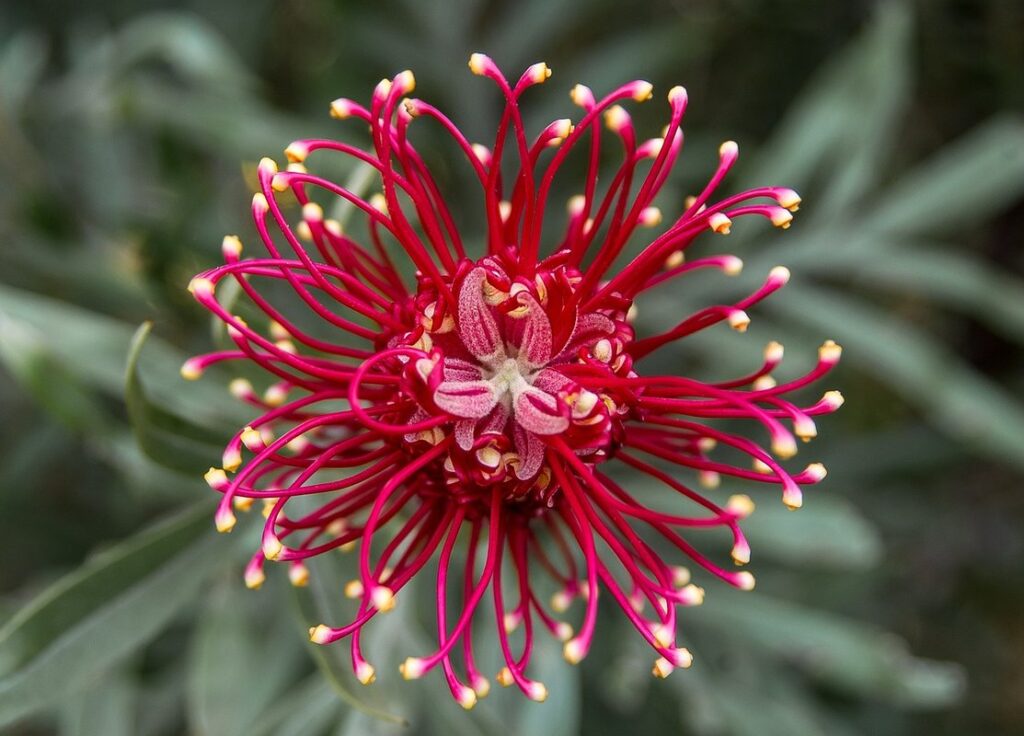
Understanding the Benefits of Native Plants
When it comes to effortless gardening, understanding the benefits of native plants is key. Let’s dive into how these incredible plants can simplify your outdoor space.
What are Native Plants?
Native plants are those that occur naturally in a specific region without human introduction. They have evolved over time to thrive in their native environment, often with minimal maintenance requirements. These plants play a crucial role in maintaining healthy ecosystems by providing food and shelter for local wildlife.
Incorporating native plants into your garden can significantly reduce the need for watering, pruning, and fertilizing, making them an excellent choice for low-maintenance gardening. For instance, native wildflowers typically require minimal watering once established, as they have adapted to drought conditions over time.
Native plants also foster biodiversity by attracting pollinators, such as bees and butterflies, which are essential for plant reproduction. By planting native species, you’ll be supporting local ecosystems and contributing to the preservation of natural habitats.
The Importance of Native Plant Selection
When selecting plants for your garden, choosing native species can have a significant impact on its overall maintenance and health. Native plants are perfectly adapted to their local climate and soil conditions, which means they require less water, fertilizers, and pruning compared to non-native species.
By opting for native plants, you’ll not only reduce your gardening workload but also contribute to the conservation of water resources. According to a study by the United States Environmental Protection Agency (EPA), watering lawns and gardens accounts for approximately one-third of residential water usage in the country. By choosing drought-tolerant native plants, you can significantly decrease your water consumption.
Native plants also play a crucial role in supporting local wildlife. They provide food, shelter, and habitat for native insects, birds, and mammals, which helps maintain the balance of your ecosystem. In fact, it’s estimated that native bees rely on native flowers to produce 90% of their nectar and pollen, making them essential for pollination.
To incorporate native plants into your garden, start by researching the species native to your region and their specific growing requirements.
Challenges Associated with Non-Native Plants
When you opt for non-native plants, they can sometimes become a source of frustration due to their specific requirements. One of the most significant challenges is the possibility of invasive species taking over your garden and even spreading beyond it. These plants are often capable of outcompeting native species for resources such as water and nutrients, resulting in an imbalance in the ecosystem.
Another issue associated with non-native plants is their need for specialized care, including watering requirements that may not align with your local climate or soil type. For instance, some plants native to arid regions require infrequent but deep watering, while others thrive in moist environments. If you’re new to gardening, it can be overwhelming to determine the right approach.
To avoid these issues, it’s often easier and more beneficial for both you and the environment to choose low-maintenance native plants that are well-suited to your specific climate and soil conditions.
Types of Low Maintenance Native Plants for Different Environments
When it comes to creating a low-maintenance garden, selecting the right native plants is crucial. This section will highlight some top picks for different environments, from sunny meadows to shady woodlands.
Drought-Tolerant Native Plants for Arid Areas
When it comes to arid areas, finding plants that can thrive with minimal watering is crucial. Native drought-tolerant plants are perfect for these environments, as they’ve adapted over time to survive with limited water sources. Succulents like aloe vera and agave are excellent choices, storing excess water in their leaves to sustain themselves during dry spells.
For lawns, native grasses such as blue grama or buffalo grass require less watering than traditional turfgrass. These grasses have deep root systems, allowing them to absorb moisture from deeper soil layers and survive with minimal irrigation. When selecting drought-tolerant plants for your area, choose species that are specifically suited to your local climate.
To ensure the success of these plants, remember to plant them at the right time – typically during cooler months when rainfall is more frequent. Also, consider the mature size of the plant to avoid overcrowding and competition for water resources. With proper care and attention, drought-tolerant native plants can provide a stunning display of color while minimizing your watering duties.
Shade-Loving Native Plants for Cooler Regions
If you’re looking for low-maintenance native plants that thrive in shadier areas, there are plenty of fantastic options to consider. One of the best places to start is with ferns, which love moist, shaded environments and require minimal care. From autumn ferns to ostrich ferns, these plants come in a variety of shapes and sizes and can add a touch of elegance to any garden.
Other great shade-loving native plants include hostas, which are known for their beautiful foliage and ability to naturalize quickly, spreading through underground rhizomes to create a lush carpet. Azaleas are another popular choice for shaded areas, with vibrant blooms that burst forth in the spring. When planting these low-maintenance natives, be sure to choose varieties that suit your specific climate zone. This will help ensure they receive the right amount of moisture and sunlight to thrive.
By incorporating these shade-loving native plants into your garden, you can create a beautiful, effortless landscape with minimal upkeep required.
Sun-Loving Native Plants for Warmer Climates
If you’re lucky enough to live in a warmer climate, you can take advantage of native plants that thrive in full sun conditions. These hardy flowers not only require minimal maintenance but also attract pollinators and add vibrant colors to your garden.
Coneflowers (Echinacea spp.) are a popular choice for their drought tolerance and ability to grow up to 4 feet tall. Their large, showy blooms come in a range of colors, from pink to purple. Black-eyed Susans (Rudbeckia hirta) are another favorite, producing bright yellow petals with dark centers that attract butterflies and bees.
Coreopsis (Coreopsis spp.) is a low-maintenance perennial that produces delicate, pink or yellow flowers from mid-summer to fall. These sun-lovers require well-drained soil and full sun, making them perfect for areas with dry conditions. Planting native species like these will not only reduce your watering needs but also support local wildlife.
By incorporating coneflowers, black-eyed Susans, and coreopsis into your garden, you’ll create a beautiful, low-maintenance oasis that requires minimal upkeep and care.
Designing a Low Maintenance Native Plant Garden
When designing a low maintenance native plant garden, consider the unique needs and requirements of your local climate and soil conditions to create a thriving ecosystem. This approach will save you time and effort in the long run.
Planning Your Garden Layout
When planning your garden layout, it’s essential to consider how each plant will fit into the larger picture of your low-maintenance native plant garden. One effective approach is to group plants by their watering needs, which can greatly reduce maintenance tasks like watering and fertilizing.
Start by categorizing your plants as high-water, medium-water, or low-water requirements. Then, place high-water plants in areas where they’ll receive plenty of rainfall or near a water source. Medium-water plants can be placed in the middle, while low-water plants should be situated at the top of slopes or in well-draining soil.
For example, if you have a native shrub that requires regular watering, place it near a rain barrel or under a drip irrigation system. Meanwhile, drought-tolerant perennials like coneflower and black-eyed Susan can thrive in areas with poor soil drainage. By grouping plants by their water needs, you’ll create a harmonious ecosystem where each plant is well-suited to its environment.
Remember to also consider factors like sunlight and soil quality when placing your plants, but group them by watering needs first for maximum efficiency.
Soil Preparation for Native Plants
When it comes to creating a low-maintenance native plant garden, proper soil preparation is crucial for their success. Before installing your native plants, you’ll want to test the pH levels of your soil to ensure they’re within the optimal range for those specific species.
Most native plants prefer slightly acidic to neutral soils, with a pH between 6.0 and 7.0. You can purchase a DIY soil testing kit or send a sample to a lab for analysis. Based on the results, you may need to amend your soil with organic matter like compost, leaf mold, or well-rotted manure.
Adding 2-4 inches of these materials will not only improve drainage and structure but also provide essential nutrients for healthy root growth. For example, adding 1/3 cup of compost per square foot can significantly boost microbial activity and fertility. Remember to mix the amendments thoroughly into the top 6-8 inches of soil before planting.
Avoid using synthetic fertilizers or lime, as they can harm native plants and disrupt local ecosystems. By taking the time to prepare your soil correctly, you’ll create a welcoming environment for your low-maintenance native plants to thrive in.
Watering Strategies for Low Maintenance Gardens
When it comes to low maintenance native plants, efficient watering strategies are crucial for minimizing labor and ensuring the health of your garden. One effective approach is to install a drip irrigation system, which delivers water directly to the roots of the plants, reducing evaporation and runoff.
Not only does this method conserve water, but it also reduces the risk of overwatering, which can be detrimental to native plants. To take it a step further, consider harvesting rainwater using a collection system or cistern. This allows you to use free, non-potable water for irrigation purposes, reducing your reliance on municipal supplies.
In addition to these systems, make sure to choose native plant species that are adapted to your local climate and soil conditions. These plants have evolved over time to thrive in their environment with minimal watering needs. By combining efficient watering strategies with the right plant selection, you’ll be well on your way to creating a low maintenance native plant garden that’s both beautiful and sustainable.
Common Challenges and Troubleshooting Tips
We’ve covered the best low maintenance native plants, but what happens when they don’t thrive as expected? Let’s tackle some common challenges and troubleshooting tips to get your garden back on track.
Dealing with Pests and Diseases in Native Plant Gardens
Native plants are generally more resistant to pests and diseases than non-native species. However, they can still be affected by common garden pests like aphids, whiteflies, and spider mites. These insects often target stressed plants or those with weak immune systems.
To prevent infestations, make sure your native plants receive adequate water and nutrients. Mulch around the base to retain moisture and regulate soil temperature. Regularly inspect your plants for signs of stress or pests, and take action promptly if you spot any issues.
Some common diseases that affect native plants include root rot, leaf spot, and powdery mildew. These can be caused by overwatering, poor air circulation, or fungal spores in the soil. To control disease outbreaks, remove affected leaves or stems, improve air circulation around the plant, and treat with fungicides if necessary.
By taking preventative measures and being vigilant about monitoring your plants, you can minimize the risk of pests and diseases affecting your low-maintenance native garden.
How to Revive a Struggling Native Plant Garden
If you’re struggling with a native plant garden that’s lost its luster, don’t worry – it’s not too late to revive it. With some TLC and the right approach, your once-thriving plants can regain their vibrancy.
Start by assessing what’s causing the decline. Is it due to overgrowth? Prune back any plants that have become leggy or unruly. Remove dead or diseased branches to prevent further decay and encourage new growth. For example, if your native coneflower is looking a bit scrawny, cut it back to about one-third of its height in the spring.
Fertilization can also be a culprit. Native plants prefer well-draining soil with minimal fertilization, so avoid overfeeding. Instead, focus on adding organic matter like compost or leaf mold to improve soil structure and fertility. Repotting can also give your plants a boost – gently remove them from their pots and re-pot into fresh, well-draining mix.
By pruning, adjusting fertilization, and repotting as needed, you’ll be giving your native plant garden the TLC it needs to thrive once more.
Conclusion: Embracing the Beauty of Low Maintenance Native Plants
In conclusion, embracing low maintenance native plants is a game-changer for any gardener. These incredible plants require minimal care and attention, making them perfect for busy lives or those new to gardening. By choosing native species, you’re also supporting local ecosystems and biodiversity. With their adaptability and resilience, low maintenance native plants can thrive in even the most challenging conditions. For instance, the Little Bluestem grass is an excellent choice for hot and dry areas, while the Wild Indigo is perfect for shady spots.
To truly benefit from these amazing plants, remember to water them sparingly, as they’re designed to conserve water naturally. Also, resist the urge to over-fertilize or prune excessively – this will only weaken their natural defenses. With a little patience and understanding of their needs, you’ll be enjoying stunning native plant gardens that require minimal upkeep. So go ahead, give low maintenance native plants a try, and discover the joy of effortless gardening!
Frequently Asked Questions
Can I use a mix of native plants and non-native plants in my garden?
You can combine native and non-native plants, but it’s essential to consider the needs of each plant type. Native plants require minimal care and will thrive with proper conditions, while non-native plants may need more maintenance. By choosing a mix that complements your climate and soil type, you can create a diverse and resilient garden.
What if I have poor soil quality? Can I still grow low-maintenance native plants?
Yes! Many native plants are adapted to growing in poor soil conditions. Consider using native plants with deep roots or those that tolerate nutrient-poor soils. You can also improve your soil by adding organic matter, mulch, and compost, which will help retain moisture and support the growth of your native plants.
How do I know if a plant is truly drought-tolerant?
Drought-tolerance means a plant can survive for extended periods without significant rainfall or irrigation. Look for plants with deep roots that allow them to access groundwater. Some plants have adapted to dry conditions by developing small leaves, waxy stems, or other features that reduce transpiration. Check the plant’s specific needs and growth habits before deciding on its suitability for your garden.
Can I propagate native plants from cuttings or divisions?
Yes! Many native plants can be easily propagated using cuttings or division, which reduces the need for seed starting and increases the chances of successful establishment. Research the specific propagation techniques for your chosen species to ensure optimal results.
What’s the best way to incorporate low-maintenance native plants into my existing garden design?
Start by assessing your current plant palette and identifying areas where you can introduce native species that complement your climate, soil type, and existing plants. Gradually phase out non-native plants or replace them with natives as needed. Consider working with a professional landscaper or gardening expert to ensure a smooth transition and optimal results.