
If you’re looking for natural ways to keep pests at bay in your garden, you’ve likely come across two popular options: horticultural oil and neem. But do you know how they differ? While both are derived from natural sources and offer effective pest control solutions, their chemical composition, application methods, and efficacy against common pests vary significantly. In this article, we’ll dive into the key differences between horticultural oil and neem, exploring their formulation, usage instructions, and safety precautions to ensure you make an informed decision for your garden. We’ll also help you choose the best product based on your specific needs, so you can enjoy a healthier and more thriving garden without relying on harsh chemicals. By understanding the distinct benefits of each option, you’ll be well-equipped to tackle pest management naturally.
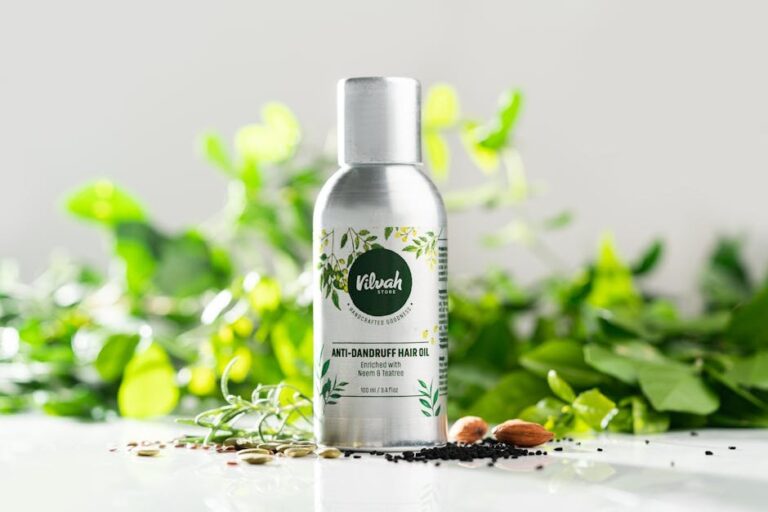
Understanding Horticultural Oil and Neem
To get started, let’s break down what horticultural oil and neem are, how they’re used, and what makes them different from each other in terms of application.
What is Horticultural Oil?
Horticultural oil, also known as white oil or mineral oil, is a refined petroleum-based product used in gardening to control pests and diseases. It’s a popular choice among gardeners due to its effectiveness and ease of use.
This type of oil is typically made from a refined petroleum product, such as paraffinic or naphthenic petroleum distillate. The refining process removes impurities and results in a clear, colorless liquid with no strong odor. Horticultural oil is often mixed with water to create a spray that can be applied to plants using a garden sprayer.
When used correctly, horticultural oil can provide excellent control against pests like aphids, whiteflies, and spider mites. It works by suffocating the insects or disrupting their ability to reproduce. Some gardeners also use it to prevent diseases caused by fungal spores, such as powdery mildew and rust.
Before using horticultural oil, make sure to read the label carefully and follow the instructions for mixing and application rates.
Benefits of Using Horticultural Oil
Using horticultural oil as a pest control method offers numerous benefits. One of its most significant advantages is that it’s non-toxic and safe for use around people, pets, and the environment. This makes it an excellent choice for gardeners who want to avoid harsh chemicals in their gardening routine.
Horticultural oil is also incredibly easy to use. It can be applied with a sprayer or even by simply spraying it onto leaves and stems using a water bottle. This simplicity means that anyone can incorporate it into their pest control strategy, regardless of their level of experience.
In addition to its ease of use, horticular oil is highly effective against various pests, including aphids, whiteflies, mealybugs, and spider mites. It works by suffocating the insects, ultimately leading to their demise. When applied correctly, it can provide long-lasting protection for your plants, giving you peace of mind.
When choosing a horticultural oil product, look for one that’s specifically labeled as “horticultural” or “insecticidal” oil, as these have been formulated to be safe for use on plants and effective against pests. Always follow the recommended application rates and take necessary precautions to avoid harming your plants.
Understanding Neem
When it comes to using neem, understanding its properties and benefits is crucial for effective gardening. Let’s explore what makes neem such a powerful tool in our gardening arsenal.
What is Neem?
Neem is derived from the seeds of the neem tree (Azadirachta indica), making it a plant-based pesticide. As a natural insecticide, it’s widely used to control pests and diseases in gardens. The neem seed oil contains compounds like azadirachtin, which is responsible for its potent pest-control properties.
When using neem, it’s essential to note that the oil must be extracted from the seeds. This process involves crushing or grinding the seeds and then extracting the oil through a series of mechanical presses or solvent extraction methods. The resulting oil can be used in various forms, including as a spray, powder, or liquid concentrate.
Neem is effective against a wide range of pests, including insects, mites, and fungal diseases. It works by interfering with the pests’ hormone systems, ultimately leading to their death. However, it’s crucial to use neem correctly, as excessive application can harm beneficial insects and plants. For example, you should always follow the recommended dilution ratios and timing for application.
Keep in mind that neem is not suitable for use on edible crops within a certain time frame before harvest due to its potential residues. Always check local regulations and the specific product label for guidelines on usage and safety precautions.
History and Cultural Significance of Neem
Neem has been revered for its medicinal and horticultural properties across various cultures for centuries. Its history dates back over 4,000 years to ancient India, where it was mentioned in the Ayurvedic text, Charaka Samhita. Neem’s versatility earned it a prominent place in traditional Indian medicine, with applications ranging from skin conditions and dental care to pest control.
In Africa, neem has been used for centuries as a natural remedy for various ailments. The leaves are crushed and mixed with water to create a paste that treats minor wounds and infections. Similarly, in Southeast Asia, neem is considered an essential ingredient in traditional medicine, particularly in Indonesia and Malaysia, where it’s used to treat fever, rheumatism, and skin conditions.
One of the most interesting aspects of neem’s cultural significance is its use as a natural pesticide. In many parts of the world, including India and Africa, neem oil has been used for centuries to protect crops from pests. Its active compounds, azadirachtin and nimbin, repel insects and prevent them from laying eggs, making it an effective organic solution for pest control.
In modern times, neem’s potential as a natural pesticide has led to increased interest in its use globally. However, this rise in popularity also raises concerns about the misuse of neem oil, particularly when used incorrectly or in high concentrations. To harness the benefits of neem effectively, it’s essential to understand the correct usage guidelines and dosage rates.
As we delve into the world of horticultural oils, it becomes clear that neem is more than just a simple pesticide – its rich history and cultural significance make it a fascinating subject worth exploring further.
Differences Between Horticultural Oil and Neem
Let’s dive into the key differences between horticultural oil and neem, two popular pest control options for gardeners to consider carefully. Understanding their unique characteristics is crucial.
Chemical Composition
When it comes to controlling pests on plants, the chemical composition of horticultural oil and neem are key components that determine their effectiveness. Horticultural oil is a refined mineral oil derived from petroleum, typically containing 90-100% active ingredients. Its primary active ingredient is sulfur, which disrupts insect growth and development.
On the other hand, neem oil is extracted from the seeds of the neem tree and contains a complex mixture of azadirachtin, nimbin, and nimandial. These compounds interfere with insect hormone systems, preventing reproduction and ultimately killing the pest. The active ingredient in neem oil is usually around 0.5-1%.
The differences in their chemical composition significantly impact how they interact with pests. While horticultural oil suffocates insects by blocking gas exchange, neem oil disrupts their hormonal balance. This distinction is crucial for choosing between these two options, depending on the pest you’re targeting and your specific gardening needs. Always read labels carefully to ensure the product contains the right percentage of active ingredients for optimal performance.
Application Methods
When applying horticultural oil and neem to manage pests on your plants, it’s essential to understand the different application methods. One of the primary differences between these two products is their use rates. Horticultural oil typically requires a dilution ratio of 2-3% with water, while neem can be applied at full strength.
For optimal results, timing is also crucial. Apply horticultural oil during the morning or late afternoon when temperatures are cooler to prevent scorching leaves. Neem, on the other hand, is most effective when applied in the early morning or evening to maximize its residual activity. Always read and follow the product labels for specific instructions.
To ensure safe use, it’s vital to take necessary precautions. Wear protective clothing, including long sleeves, gloves, and a mask, when applying either product. Avoid spraying oil on sensitive areas like open flowers, new growth, or during periods of drought. Regularly monitor your plants’ response to these products and adjust application rates as needed to prevent over-application.
Efficacy Against Pests
When it comes to controlling pests, understanding how horticultural oil and neem compare is crucial for making informed decisions. In this section, we’ll dive into their efficacy against common garden pests.
Horticultural Oil vs Neem: A Comparison of Efficacy
When it comes to managing pests in your garden, choosing the right control method can be overwhelming. Two popular options are horticultural oil and neem. But how do they compare when it comes to efficacy? Let’s dive into a comparison of these two methods against various pests.
Horticultural oil is effective against soft-bodied insects such as aphids, whiteflies, and spider mites. It works by suffocating the insect, preventing it from feeding and eventually killing it. Neem, on the other hand, is a systemic pesticide that can be used to control a wide range of pests, including insects, mites, and even diseases like powdery mildew.
In terms of specific pest management, neem tends to have an edge when it comes to long-term control. Its active ingredient, azadirachtin, can persist in the plant for several weeks after application, providing ongoing protection against pests. However, horticultural oil is a better option for controlling severe infestations or emergencies, as its rapid knockdown effect can provide quick relief from intense pest pressure.
When choosing between these two options, consider the specific pest you’re trying to control and the level of severity. If you have a mild infestation and want a gentle, non-toxic solution, horticultural oil may be the way to go. However, if you need long-term protection against a wide range of pests, neem’s systemic properties make it a more effective choice.
Case Studies: Real-World Results
Numerous case studies have demonstrated the efficacy of both horticultural oil and neem in controlling pest populations. For example, a study published in the Journal of Economic Entomology found that horticultural oil was 90% effective in controlling aphid infestations on rose plants. In contrast, another study published in the Journal of Pest Science found that neem oil was 95% effective in controlling whitefly infestations on cucumber plants.
Real-world examples also support the effectiveness of these products. A commercial greenhouse in California used horticultural oil to control a spider mite outbreak and reported a 75% reduction in infestation after just one application. Meanwhile, a small-scale farmer in India used neem oil to control a mealybug infestation and reported complete eradication within two weeks.
These case studies demonstrate the versatility of both products in controlling different types of pest populations. However, it’s worth noting that results may vary depending on factors such as product concentration, application timing, and pest species. To maximize efficacy, always follow the manufacturer’s instructions and take note of any pre-treatment requirements for specific pests.
Safety Precautions
When working with horticultural oil and neem, it’s essential to take necessary precautions to avoid potential risks and harm. This section will walk you through key safety considerations to keep in mind.
Human Health Considerations
When working with horticultural oil and neem, it’s essential to consider potential health risks, particularly for sensitive individuals or those with pre-existing conditions. While generally considered safe when used as directed, these products can still pose health hazards if not handled properly.
For example, inhaling the vapors of horticultural oil can cause respiratory irritation, including coughing, wheezing, and shortness of breath. People with asthma or other breathing conditions should take extra precautions when using this product. Neem, on the other hand, has been known to cause skin irritation, allergic reactions, and even eye problems in rare cases.
To minimize health risks, always read and follow the label instructions carefully. When working with either horticultural oil or neem, ensure good ventilation, wear protective clothing, including gloves and goggles, and avoid ingestion or inhalation of these products. If you have a pre-existing condition or are sensitive to chemicals, consider using alternative pest control methods or consulting with a healthcare professional before use.
Environmental Impact
When it comes to choosing between horticultural oil and neem for pest control, it’s essential to consider their potential environmental impact. Both products can be effective at controlling pests, but they also have different effects on the environment.
Horticultural oil, a refined mineral oil, can harm beneficial insects if not used carefully. It works by suffocating soft-bodied insects, including bees and butterflies, so it’s crucial to avoid spraying during peak pollinator hours or when plants are in bloom. To minimize its impact, use horticultural oil at the lowest recommended concentration (usually 1-2%) and apply it early in the morning or evening.
Neem, derived from the seeds of the neem tree, is generally considered a safer alternative to horticultural oil. It disrupts insect growth and development without harming beneficial insects. However, excessive use can still affect soil microorganisms and water quality if not managed properly. To minimize its impact, rotate neem with other pest control methods and avoid over-application.
When using either product, always read the label carefully and follow application instructions to ensure responsible use.
Choosing Between Horticultural Oil and Neem
Now that you’ve learned about each product, let’s dive into choosing between horticultural oil and neem for your specific pest control needs. This section will help you decide which one is best for your garden.
Factors to Consider When Selecting a Product
When selecting between horticultural oil and neem for pest control, several factors come into play. First and foremost, consider the type of pests you’re dealing with. Horticultural oil is particularly effective against soft-bodied insects like aphids, whiteflies, and spider mites, whereas neem is more versatile in its ability to target a wide range of pests, including beetles and caterpillars.
Next, think about your garden’s characteristics. If you have delicate or sensitive plants, horticultural oil may be the better choice due to its gentle nature. However, if you’re dealing with severe pest infestations or have a large area to cover, neem’s longer residual activity might make it more suitable. Additionally, consider the time of year and the specific pest lifecycle when making your decision.
Lastly, assess the environmental impact of each option. Neem, derived from the seeds of the neem tree, has natural insecticidal properties but may leave a stronger residue on plants. Horticultural oil, on the other hand, is generally considered safer for beneficial insects and can be used in conjunction with other integrated pest management strategies.
Tips for Effective Use and Integration
When integrating horticultural oil and neem into your gardening routine, it’s essential to consider rotation, timing, and application rates. Start by alternating between the two products to avoid developing resistance in pests. For example, if you’re using neem for a specific infestation, switch to horticultural oil for the next treatment.
Timing is also crucial; use horticultural oil when temperatures are above 40°F (4°C) and neem when it’s cooler. This ensures that both products can effectively penetrate plant tissues without causing damage. For optimal results, apply horticultural oil at a rate of 1-2% and neem at 0.5-1%. Keep in mind that repeat applications may be necessary for severe infestations.
To avoid overuse and maintain product efficacy, also consider the following:
* Use neem as a preventive measure before pests become established.
* Apply horticultural oil after pruning or when dealing with existing infestations.
* Follow label instructions carefully to ensure safe and effective use.
Frequently Asked Questions
Can I use horticultural oil and neem together for added pest control?
Yes, you can combine horticultural oil and neem to create a potent natural pest control solution. However, be sure to follow the instructions for each product carefully and start with small concentrations to avoid over-saturating your plants.
What’s the recommended application time for horticultural oil versus neem oil?
The optimal application time varies between horticultural oil and neem. Horticultural oil is best applied during hot, dry weather when pests are most active, typically in the early morning or late evening. Neem oil, on the other hand, can be applied at any time, but it’s most effective when combined with insecticidal soap for maximum results.
How do I choose between horticultural oil and neem if I have sensitive skin or allergies?
If you’re concerned about human health considerations, opt for neem oil. Neem has been used for centuries as a natural remedy for various health issues and is generally considered safer than horticultural oil, which can cause skin irritation in some individuals.
Can I use horticultural oil on plants that are already infested with pests?
Yes, but be cautious not to overuse it. Horticultural oil works best when applied preventatively to prevent pest infestations from occurring. However, if your plants are already infested, you can still use horticultural oil to help control the population and reduce damage.
What’s the environmental impact of using neem versus horticultural oil?
Neem oil is generally considered a more environmentally friendly option due to its natural origin and biodegradable properties. Horticultural oil, while effective, may have negative impacts on beneficial insects and microorganisms in your garden, potentially disrupting the ecosystem balance.