
Cabbage worms can be a gardener’s worst nightmare – they devour your precious crop, leaving behind a trail of destruction. If you’re tired of watching your cabbage and other brassicas succumb to these pesky pests, it’s time to take action. Controlling cabbage worms requires a multi-faceted approach that incorporates both organic and chemical methods, as well as clever integrated pest management strategies. In this article, we’ll explore the most effective ways to control cabbage worms, including natural deterrents, biological controls, and targeted pesticide applications. We’ll also delve into the importance of integrated pest management (IPM) techniques to minimize damage and promote a healthy crop ecosystem. Whether you’re a seasoned gardener or just starting out, learn how to protect your crops from these destructive pests and grow healthier, more productive plants.
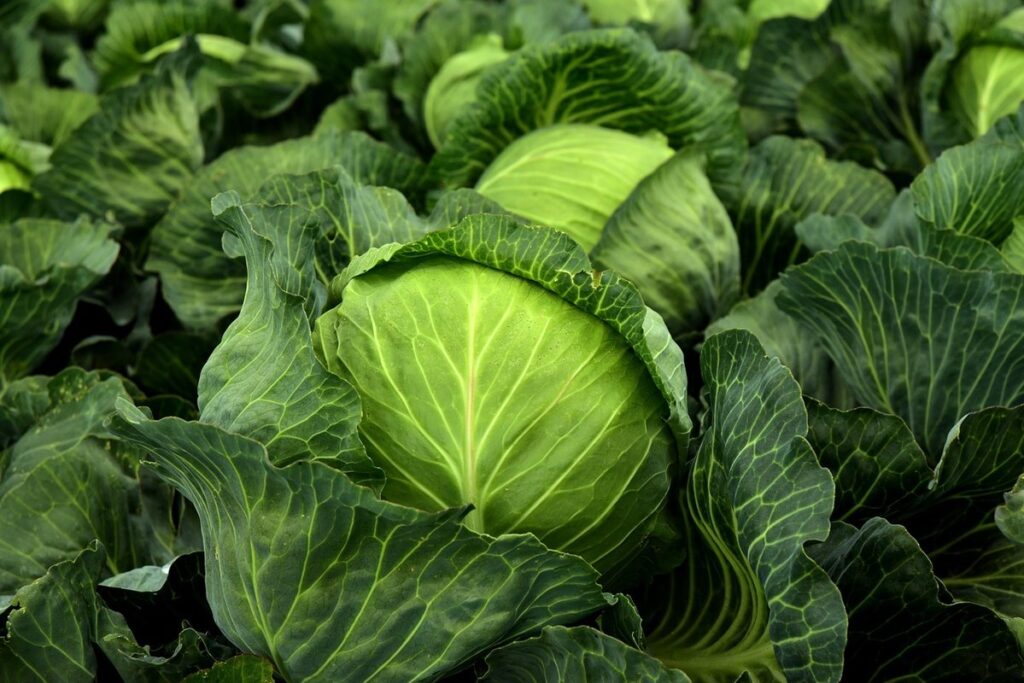
Understanding Cabbage Worms
Cabbage worms can be a frustrating problem for gardeners, but understanding their life cycle and behavior is key to effective control. Let’s dive into how they develop and thrive in your cabbage patch.
What are Cabbage Worms?
Cabbage worms are the larval stage of the cabbage moth (Mamestra brassicae), a common pest that infests cabbage plants. These pests undergo four distinct life stages: egg, larva, pupa, and adult.
The female cabbage moth lays eggs on the underside of cabbage leaves, usually in the morning or evening when the plant is most active. The eggs hatch into larvae within 3-4 days, and these young worms begin to feed on the plant’s leaves, stems, and flowers. As they grow, they can cause significant damage by consuming large areas of the plant.
In as little as two weeks, the larvae will reach maturity and drop off the plant to pupate in a protected location, often underground or in debris. After several weeks, the adult moth emerges from the pupa, ready to begin the cycle again. To effectively control cabbage worms, it’s essential to understand their life cycle and target these stages with integrated pest management strategies.
Infested plants can be identified by characteristic damage patterns, such as missing leaves or holes chewed into the stems.
Damage Caused by Cabbage Worms
Cabbage worms can be devastating to cabbage crops, causing significant damage that impacts yields and quality. These pests feed on the leaves and heads of cabbage plants, leaving behind a trail of destruction. As they burrow into the plant tissue, they create small holes and tunnels that provide an entry point for diseases like bacterial leaf spot and downy mildew.
In severe infestations, cabbage worms can reduce yields by up to 50%, making it essential to monitor your crops regularly for signs of damage. Compromised quality is another concern, as damaged plants are more susceptible to disease transmission. Infested heads may also have visible holes or tunnels, affecting their appearance and marketability.
To put this into perspective, a single cabbage worm can consume an entire head of cabbage in just a few days. This rapid feeding behavior not only reduces yields but also creates an environment conducive to disease development. By recognizing the signs of damage and taking prompt action, you can mitigate the impact of these pests on your cabbage crops.
Identifying Infestation
To identify if your cabbage plants are infested, look for signs of worm damage, such as holes or tears in leaves and tiny green caterpillars. Check these areas regularly to catch an infestation early on.
Signs of Cabbage Worm Infestation
When you notice holes in the leaves of your cabbage plants, it’s essential to investigate further. These holes are a common sign of a cabbage worm infestation. The caterpillars feed on the leaves, causing damage that can weaken the plant and make it more susceptible to disease.
Look for frass, which is the insect waste left behind by the worms. Frass resembles small pellets or tiny droppings and can be found on the soil around the plants or even on the leaves themselves. This is another clear indication of a cabbage worm infestation.
Keep an eye out for actual sightings of the pests, as they are typically green or yellowish in color and have white stripes along their body. They may also leave behind small pieces of silk threads as they move through the plant.
If you notice any of these signs, it’s crucial to take action promptly to prevent further damage to your plants. Inspect your entire garden regularly to catch infestations early on.
Monitoring and Prevention
Monitoring and preventing cabbage worm infestations is crucial to maintaining healthy crops. To do this effectively, you need to be vigilant about monitoring for signs of infestation. Start by regularly inspecting your plants for eggs, larvae, or adult moths. Look for tiny holes in leaves or stems, and check the undersides of leaves for green or yellowish-colored caterpillars.
Crop rotation is another essential strategy in preventing cabbage worm infestations. By rotating crops seasonally, you can break the life cycle of these pests. For example, if you grew broccoli or cauliflower in a particular patch last season, rotate to other non-brassica crops this season. This will give the soil time to recover and reduce the likelihood of cabbage worms migrating back.
In addition to crop rotation, maintaining good sanitation practices is key. Remove any weeds, debris, or infested plant material from your garden to prevent cabbage worms from laying eggs nearby. Use physical barriers like fine mesh or fine netting to cover plants and prevent adult moths from reaching them. By combining these strategies, you can significantly reduce the risk of cabbage worm infestations and maintain a healthy crop.
Organic Control Methods
If you’re looking for a non-toxic way to keep cabbage worms under control, we’ve got you covered. This section will explore effective organic methods to get rid of these pesky pests naturally.
Neem Oil and Soap Solution
To control cabbage worms using neem oil and soap solution, you’ll want to combine these two natural pest control agents. Neem oil is a fast-acting contact killer that will instantly paralyze the cabbage worm on contact. To make a neem oil and soap solution, mix 2 tablespoons of mild liquid soap with 1 quart (960 ml) of neem oil concentrate in a spray bottle.
When using this solution for cabbage worm control, ensure you apply it thoroughly to all areas where the worms are present, including leaves, stems, and soil. Spray the solution during early morning or evening when the sun is not too intense to prevent any potential damage to your plants.
As with any pesticide application, take necessary safety precautions: wear long sleeves, gloves, and protective eyewear to avoid skin irritation and eye exposure. Avoid spraying the neem oil and soap solution directly on bees or other beneficial insects, as it can harm them. Also, ensure you read and follow all label instructions when working with neem oil concentrate.
It’s worth noting that while this solution is effective against cabbage worms, it may not provide long-term protection for your crops. Consider combining it with other organic control methods to achieve more comprehensive results.
Row Covers and Fine Mesh
When it comes to preventing cabbage worms from infesting your crops, one of the most effective methods is using row covers and fine mesh. These lightweight fabrics allow sunlight and water to reach your plants while keeping adult cabbage moths out. By covering your crops with these materials, you can prevent adult moths from laying eggs on them, thus reducing future infestations.
Row covers are typically made of a porous material that allows for good air circulation and moisture penetration. They come in different weights, but the heavier ones are more effective at keeping pests away. When choosing a row cover, consider its weight (in ounces) – a 1-2 oz fabric is suitable for most vegetable crops.
To use fine mesh effectively, drape it over your plants, securing it with stakes or clips. The mesh should be tight enough to prevent adult moths from flying through but loose enough not to damage the plants. By implementing these simple methods, you can significantly reduce cabbage worm infestations and enjoy healthier, more robust crops.
Chemical Control Methods
Now that we’ve explored non-chemical methods of cabbage worm control, let’s dive into the chemical options available to you for effective management.
Bacillus thuringiensis (Bt)
Bacillus thuringiensis (Bt) is a naturally occurring bacterium that has been harnessed as a biological insecticide to control cabbage worms. This effective method targets the pests without harming the environment. Bt produces a toxin that binds to the midgut cells of the cabbage worm, causing them to rupture and ultimately leading to the death of the pest.
To use Bt effectively against cabbage worms, apply it at the onset of infestation or as a preventative measure before eggs hatch. The recommended application rates are 2-5% of the active ingredient per acre for dust formulations and 1-3% for liquid formulations. For optimal results, mix Bt with water according to the product label instructions and spray it evenly over the affected area.
However, consider potential drawbacks when using Bt. Some varieties may be resistant to this insecticide, reducing its effectiveness. Additionally, applying too much Bt can lead to unintended harm to beneficial insects or even human exposure risks. To avoid these issues, carefully follow the product label instructions and ensure proper application techniques.
Synthetic Insecticides
Synthetic insecticides have been widely used to control cabbage worms due to their rapid knockdown and long-lasting residual activity. Among these, neonicotinoids such as imidacloprid and clothianidin are commonly employed. These compounds work by disrupting the insect’s central nervous system, ultimately leading to death.
Application rates for synthetic insecticides can vary depending on the specific product and label instructions. Typically, they range from 0.25 to 1.5 liters per hectare for foliar sprays. However, it is essential to follow local regulations and ensure accurate calculations to avoid over-application or under-dosing.
Despite their effectiveness, synthetic insecticides pose environmental concerns due to potential water contamination, soil pollution, and impact on beneficial insects like bees. The European Union has restricted the use of neonicotinoids for outdoor crops, citing evidence of harm to pollinators. When using these chemicals, it is crucial to weigh the benefits against the risks and consider integrated pest management strategies that minimize their reliance.
Integrated Pest Management (IPM) Strategies
When it comes to managing cabbage worms, IPM strategies are a crucial part of creating a sustainable and effective control plan. This section will walk you through the key elements of an IPM approach for your garden.
Combining Control Methods
When it comes to managing cabbage worms, a single approach may not be enough. That’s why combining organic and chemical control methods is often the most effective way to create a comprehensive Integrated Pest Management (IPM) strategy. By integrating multiple approaches, you can break the pest’s life cycle, prevent resistance, and reduce the risk of future infestations.
For example, using Bt (Bacillus thuringiensis) sprays or spinosad as a chemical control method can be paired with introducing beneficial insects like Trichogramma wasps, which lay their eggs inside cabbage worm eggs. These biological controls can significantly reduce the population growth rate of the pest. At the same time, practicing crop rotation and sanitation can help prevent future infestations by breaking the host-plant relationship.
To effectively combine control methods, start by identifying the most vulnerable stages in the cabbage worm life cycle. Then, use a combination of techniques such as Bt sprays or insecticidal soap to target these critical periods. By taking a multi-faceted approach, you can create a more sustainable and effective IPM strategy for managing cabbage worms on your farm.
Cultural Controls and Crop Selection
Cultural controls play a vital role in managing cabbage worms effectively. By incorporating crop rotation, sanitation practices, and selecting resistant varieties into your IPM strategy, you can significantly reduce the occurrence of these pests.
Crop rotation is a simple yet effective method to control cabbage worms. Rotate your cabbage crops with other non-brassica plants like corn, beans, or cucumbers to break the life cycle of the pest. This approach also improves soil health and reduces the buildup of disease-causing organisms.
Sanitation practices are equally important in managing cabbage worms. Remove weeds that provide hiding places for the pests, dispose of infested crops promptly, and maintain a clean garden area by removing debris and weeds. Regularly inspect your plants for signs of infestation and treat any affected areas immediately to prevent the spread of the pest.
Selecting resistant varieties is another key aspect of cultural controls. Choose cabbage cultivars that are known to be less susceptible to cabbage worm damage. Some popular varieties include ‘Savoy King’, ‘Red Express’, and ‘Cantata’. These resistant varieties can reduce the need for chemical pesticides, making your IPM strategy even more effective.
Prevention and Future Management
Now that you’ve learned how to identify and eliminate cabbage worms, let’s explore ways to prevent future infestations and manage your garden long-term. This includes practical tips on crop rotation and organic deterrents.
Long-Term Strategies for Cabbage Worm Control
Controlling cabbage worms requires more than just quick fixes – it demands long-term strategies that ensure these pests don’t come back. One effective approach is crop rotation. By switching between different types of crops on the same land, you break the life cycle of cabbage worms and other pests. For instance, if you plant cabbage in a particular field one season, try planting broccoli or kale there the next season. This not only reduces pest pressure but also improves soil health.
Biological control agents are another valuable tool for long-term cabbage worm management. Introduce natural predators like parasitic wasps or nematodes that target cabbage worms. These beneficial insects can help regulate pest populations without harming your crops. Consider using companion planting as well – some plants, such as nasturtiums and radishes, repel cabbage worms naturally.
A more comprehensive approach is integrated pest management (IPM). This involves combining multiple strategies like crop rotation, biological control, and cultural controls to manage cabbage worm populations. Monitor your fields regularly for signs of infestation, use targeted treatments when necessary, and maintain a balanced ecosystem through good agricultural practices. By adopting these long-term strategies, you’ll create a more resilient and sustainable farming system that minimizes the need for chemical pesticides.
Best Practices for Effective Cabbage Worm Control
Monitoring is key to effective cabbage worm control. Regularly inspect your plants, paying attention to the undersides of leaves and the stems, where eggs and larvae tend to hide. Be on the lookout for tiny white eggs, usually laid along the midrib or on the underside of large leaves.
To prevent cabbage worms from taking hold in the first place, adopt a few simple strategies. Use row covers to prevent adult butterflies from reaching your plants. These lightweight fabrics allow light and water through while keeping pests out. Also, keep your garden area free from weeds, which can harbor overwintering pupae.
When you do encounter a cabbage worm infestation, control methods come into play. Hand-picking is often the most effective approach, especially for small infestations. Use a soft-bristled brush or your fingers to gently sweep the worms off leaves and stems, then drop them into soapy water to kill them.
Timing is everything when it comes to control. For best results, treat affected areas in the early morning or late evening when the sun’s not intense. This helps prevent damage from the sun’s heat. Always follow integrated pest management (IPM) principles, combining physical, cultural, and chemical controls for long-term success.
Frequently Asked Questions
How often should I inspect my cabbage patch for signs of cabbage worms?
Regular inspections are crucial to detect infestation early on. Set aside time each week to examine your plants, especially during peak growth periods (around 3-4 weeks after transplanting). Look for holes in leaves, frass (worm droppings), or actual worms. Catching the problem early can help prevent extensive damage.
What’s the best way to combine different control methods for optimal results?
To create a robust defense against cabbage worms, consider combining multiple methods: use neem oil and soap solution as a preventative measure, install row covers during peak moth activity, and apply Bacillus thuringiensis (Bt) or synthetic insecticides when necessary. Integrate these approaches with cultural controls like crop rotation and selection.
Can I still grow brassicas if I’ve had previous cabbage worm infestations?
Don’t give up on your favorite crops! While it’s true that some plants can be more susceptible to cabbage worms due to their genetic predisposition, you can take steps to reduce the risk. Rotate your crops regularly, choose varieties bred for resistance (like ‘Deep Purple’ or ‘Charleston Wakefield’), and implement integrated pest management strategies.
How long does it typically take to see results after implementing control methods?
Results may vary depending on several factors, including infestation severity and timing of treatment. However, with proper application of neem oil, Bacillus thuringiensis (Bt), or other control methods, you can expect to see improvements within 1-2 weeks. Monitor your plants closely for continued progress.
Can I use companion planting as a standalone method for cabbage worm control?
While certain plants like nasturtiums and calendula are known to repel cabbage moths, using them as the sole means of control is unlikely to be effective against established infestations. These plants can help deter pests but are best used in conjunction with other methods (like those mentioned above) for comprehensive protection.