
Earwigs can be a nuisance in any garden, causing damage to plants and vegetables. If you’re noticing tiny, flat insects with long snouts and wings hiding in your garden’s crevices or scurrying across its surface, it’s likely an earwig infestation. These pests are known to feed on decaying plant matter and can be found almost anywhere in the garden. But did you know that earwigs can also cause significant damage to living plants? Understanding their life cycle and habits is crucial for effective management. In this comprehensive guide, we’ll walk you through how to identify, prevent, and control earwig infestations using eco-friendly strategies. We’ll cover everything from the earwig’s life cycle to its damage potential, giving you the tools needed to protect your garden from these unwelcome visitors.
Understanding Earwig Biology and Behavior
To truly manage earwigs in your garden, it helps to understand their basic biology and behavior, including how they live, feed, and reproduce. Let’s dive into these essential details next.
Life Cycle of Earwigs
Earwigs undergo a complete metamorphosis, which means they have four distinct life stages: egg, nymph, adult male, and adult female. Female earwigs lay their eggs in protected areas such as under rocks or in plant debris, usually 10-20 at a time. The eggs hatch after several weeks into nymphs that resemble smaller versions of adults. As they molt, the nymphs go through five stages before reaching adulthood.
Adult males and females mate during the spring and summer months, with females laying multiple batches of eggs throughout their lifespan. In ideal conditions, earwig populations can double in just a few weeks. This rapid reproduction is a significant concern for gardeners as it allows earwigs to quickly colonize new areas. To control earwig populations, consider removing any potential breeding sites and debris from your garden. Regularly inspect plants for signs of infestation and take action before the problem escalates.
Habitat Preferences and Dietary Needs
Earwigs are often found in dark, moist areas with ample hiding places, making gardens an ideal habitat for them. These insects thrive in conditions that would be unfavorable to humans, such as high humidity and dense vegetation. They tend to congregate around decaying organic matter like rotting logs, compost piles, or mulched soil.
Earwigs are opportunistic feeders, consuming a wide range of food sources including decaying plant material, fungi, and small insects. Their diet also consists of the larvae of other insects, which they can detect with their sensitive antennae. In gardens, earwigs take advantage of the abundant moisture and nutrient-rich soil to feed on decaying organic matter.
To understand why gardens provide ideal conditions for earwigs, consider that many garden features – such as waterlogged areas, compost piles, and dense vegetation – serve as perfect hiding places and food sources for these insects. By recognizing these attractants, you can take steps to prevent earwig infestations in your garden by improving drainage, removing decaying matter, and reducing moisture levels.
Earwig Identification: Signs and Symptoms
Now that you know what earwigs look like, it’s time to learn how to identify them in your garden with our guide to common signs and symptoms of an infestation.
Visual Identification Features
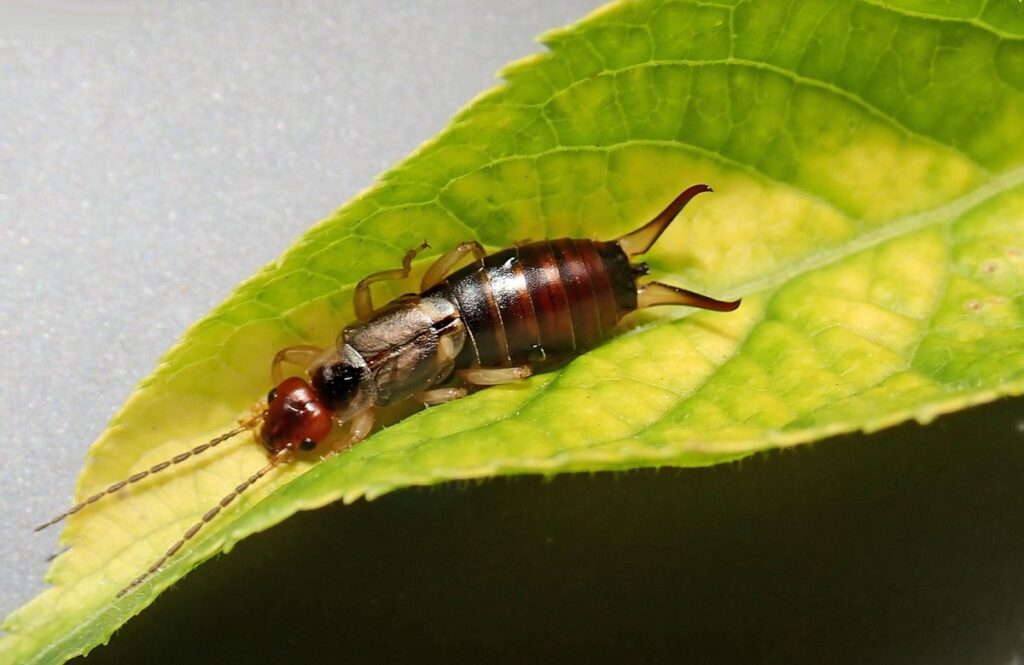
Earwigs are easily recognizable due to their distinctive physical characteristics. One of the most notable features is their forceps-like appendages located on the abdomen, which they use for defense and capturing prey. These pincer-like structures can be retracted into a groove on the earwig’s body when not in use.
In garden settings, identifying earwigs is relatively straightforward due to their flat body shape and small size. Adult earwigs typically range from 1-5 cm in length, making them easily visible to the naked eye. Observe areas with high humidity and moisture, as earwigs thrive in these conditions. Check under rocks, logs, and other debris, where they often hide during the day.
Look for their flat, broad heads and long antennae, which help them navigate their surroundings. Earwigs are generally dark brown or black in color, although some species may have lighter markings. When disturbed, earwigs release a foul-smelling liquid from their forceps as a defense mechanism, making identification even more straightforward.
When inspecting your garden for earwig infestations, be sure to examine areas with high moisture levels and sheltered spots.
Common Misidentifications
When it comes to identifying earwigs, many gardeners make common mistakes that lead to misidentification. One of the most frequent errors is confusing earwigs with ants. While both insects have a long, narrow body and can be dark-colored, earwigs typically have a more rounded abdomen and a distinctive pair of pincers at the end of their abdomen. On the other hand, ants tend to have a narrower waist and are often lighter in color.
Another common mistake is identifying earwigs as scorpions or silverfish due to their similar elongated bodies. However, earwigs lack the stinger-like tail that characterizes scorpions, and their bodies are not flattened like those of silverfish. To accurately identify an earwig, look for the following features: a flat, narrow body; a pair of pincers at the end of the abdomen; and two pairs of wings that are visible under magnification.
To avoid misidentification, take a closer look at the insect’s body shape and coloration before reaching a conclusion.
The Impact of Earwigs on Gardens
Earwigs can cause significant damage to your garden, especially at night when they’re most active, and understanding their impact is key to effective management. Let’s explore how these pests affect your plants.
Damage Caused by Earwigs
When earwigs infest your garden, their presence can have far-reaching consequences beyond just being an unsightly nuisance. These nocturnal insects are notorious for causing significant damage to various aspects of your garden, ranging from devouring plants to burrowing into the soil.
One of the most noticeable impacts is the feeding habits of these pests. Earwigs are known to feed on a wide range of plant materials, including leaves, stems, and even roots. They particularly target plants with high moisture content, such as those in areas prone to dampness or overwatering. Some gardeners may notice that certain plants like lettuce, spinach, and cucumbers are being ravaged by earwig infestations.
In addition to plant consumption, earwigs also engage in subterranean activities that can lead to further problems. By burrowing into the soil, they create pathways for water to seep through, potentially causing soil erosion or altering drainage patterns. Furthermore, their underground tunnels can harbor other pests like slugs and snails, making it easier for these unwanted visitors to reach your prized plants.
As earwig populations grow, so does the potential for widespread damage. To mitigate this issue, gardeners should be aware of the signs of an earwig infestation and take proactive steps in controlling their numbers through integrated pest management strategies.
Economic and Environmental Consequences
Earwigs can have significant economic consequences for commercial gardens. The primary concern is crop damage, as earwigs feed on soft-bodied insects and plant material, particularly flowers, fruits, and vegetables. A study conducted in the United Kingdom estimated that a single earwig infestation could result in losses of up to £1,000 (approximately $1,300 USD) per hectare. This financial burden can be substantial for large-scale growers.
Moreover, earwigs contribute to environmental degradation through their feeding habits and habitat creation. As they feed on plant material, they can disrupt the ecosystem balance and promote the growth of fungal diseases that can harm plants further. Additionally, earwig burrows can damage soil structure and reduce its fertility. This is particularly concerning in areas with already fragile ecosystems. To mitigate these effects, gardeners should adopt integrated pest management strategies that minimize chemical use and focus on natural controls. By doing so, they can prevent economic losses while promoting a healthier environment.
Preventing Earwig Infestations in Your Garden
To keep earwigs out of your garden for good, it’s essential to know how to prevent infestations from occurring in the first place. We’ll cover some simple yet effective strategies to help you achieve this goal.
Sanitation Practices for Reducing Attraction
Maintaining a clean garden environment is crucial in discouraging earwigs from inhabiting the area. One of the main reasons earwigs are attracted to gardens is due to the presence of decaying matter, such as rotting fruit, vegetables, and other organic debris. To prevent this, it’s essential to regularly remove any dead or decaying plant material. This can be done by removing weeds, disposing of overripe fruits and vegetables, and cleaning up any debris that may have accumulated.
Keeping the soil moist but not waterlogged is also vital in discouraging earwigs. Earwigs thrive in humid environments, so if your soil becomes too soggy, it will create an ideal breeding ground for these pests. To avoid this, ensure that you’re watering your plants correctly, avoiding overwatering and allowing the top inch of soil to dry out between waterings.
By maintaining a clean and well-drained garden environment, you can significantly reduce the chances of earwigs inhabiting the area.
Physical Barriers and Traps
To prevent earwig infestations in your garden, it’s essential to consider physical barriers and traps as non-toxic methods of deterrence. One effective approach is to use diatomaceous earth, a natural powder made from fossilized algae that dehydrates earwigs, causing them to leave the area. Sprinkle this powder around plant bases or near entry points, but be cautious not to inhale it yourself.
Another method involves using sticky traps or homemade barriers made of copper tape or fine-mesh screens. These can be placed around plants to capture earwigs as they try to climb up. However, these methods may have limited effectiveness, as earwigs are skilled at escaping and finding alternative entry points.
When creating homemade traps, it’s crucial to use a shallow dish with a sticky surface, such as honey or syrup, as earwigs are attracted to sweet substances. Place this near the affected area, but be aware that these traps might not capture all earwigs, especially those already established in your garden.
Organic Methods for Earwig Control
If you’re not a fan of chemical pesticides, don’t worry, we’ve got some great organic methods to help keep earwigs under control in your garden naturally.
Plant-Based Deterrents and Repellents
When it comes to managing earwig populations in your garden, incorporating plant-based deterrents and repellents can be an effective strategy. Certain plants are known to repel earwigs, while others may attract them. By understanding which plants to use, you can design a garden that discourages these pests.
Plants like mint, basil, and lemongrass are popular choices for repelling earwigs. These herbs have strong scents that deter earwigs, making them ideal additions to your garden beds or borders. To maximize their effectiveness, plant these herbs near areas where earwig activity is high.
On the other hand, plants like petunias and marigolds can attract earwigs. If you notice a large presence of earwigs in certain areas, consider removing these plants from your garden design. You can replace them with earwig-repelling plants or use other organic methods to control the population.
When integrating plant-based deterrents into your garden design, remember that their effectiveness may vary depending on the specific species and concentration of plants used. Additionally, ensure proper plant care and maintenance to maximize their repelling properties.
Natural Insecticides and Pesticides
When it comes to controlling earwigs naturally, you don’t have to rely on harsh chemicals that can harm your plants and the environment. There are several non-toxic options derived from natural sources that target these pests effectively.
Insecticidal soap is a popular choice for organic gardeners. Made from natural ingredients like potassium salts of fatty acids, it works by breaking down the earwig’s exoskeleton and dehydrating them. Mix 2-3 teaspoons of insecticidal soap with 1 quart of water and spray directly on affected areas. Be sure to test a small area first to avoid any potential damage to your plants.
Another effective natural pesticide is neem oil, which is extracted from the seeds of the neem tree. Neem oil disrupts earwig development and prevents them from reproducing, eventually killing them off. Mix 2-3 teaspoons of neem oil with 1 quart of water and spray it on affected areas. However, be cautious not to overuse neem oil as it can also harm beneficial insects.
It’s essential to note that while these natural pesticides are generally safe, they may still cause some side effects like leaf damage or skin irritation in rare cases. Always read the label carefully and follow the recommended dilution ratios to minimize risks.
Chemical Control Options for Earwig Infestations
If earwigs are getting out of hand, you’ll want to consider using chemical control methods, but first let’s look at some non-chemical options that might do the trick. Chemical treatments can be effective if done correctly.
Over-the-Counter (OTC) Insecticides
If you’re looking for a quick fix to get rid of earwigs in your garden, over-the-counter (OTC) insecticides can be an effective solution. However, it’s essential to choose the right type and use it correctly to avoid harming people, pets, or beneficial insects.
Two common types of OTC insecticides available for earwig control are pyrethrin-based sprays and permethrin-based dusts. Pyrethrin-based sprays contain a natural compound derived from chrysanthemum flowers, which disrupts the earwig’s nervous system. These sprays are relatively safe for most people but can be irritating to skin and eyes. Permethrin-based dusts, on the other hand, contain a synthetic version of pyrethrin that provides long-lasting control against earwigs.
While these products can provide effective short-term control, their use may come with risks such as:
* Skin and eye irritation
* Potential harm to beneficial insects like bees and butterflies
* Development of pesticide resistance in earwig populations
To minimize risks, always read the product label carefully, follow instructions for application, and take necessary precautions when handling these products.
Prescription-Strength Pesticides
In severe earwig infestations that threaten crop yields or pose significant economic risks, prescription-strength pesticides may be considered as a control option. Permethrin and deltamethrin are two examples of prescription-only pesticides used to treat such situations. These pyrethroid-based insecticides are typically applied in commercial gardens through targeted treatments.
For instance, permethrin can be mixed with water according to label instructions and applied directly to infested areas using a sprayer or by foliar spray on affected plants. This method ensures thorough coverage of the targeted zones while minimizing exposure risks for farm workers. In severe cases where chemical control is deemed essential, licensed pest management professionals are often consulted to assess the situation and implement the most effective treatment strategy.
Commercial growers should be aware that prescription-strength pesticides must only be used as directed on product labels and under the guidance of a qualified applicator to ensure safe and efficient use. These products typically come with strict label instructions, and their misuse can lead to severe ecological harm or even pose health risks to humans and other non-target organisms.
Conclusion: Strategies for Effective Earwig Management
Now that you’ve identified and addressed earwig issues, let’s discuss actionable strategies for managing these pests effectively in your garden. We’ll cover practical tips to ensure their populations remain under control.
Combining Multiple Control Methods
When it comes to managing earwigs effectively, relying on a single control method can be insufficient. Earwigs are notorious for their adaptability and resilience, making them challenging to eliminate through a single approach. To achieve comprehensive earwig management, it’s essential to combine multiple methods.
Start by creating physical barriers around your garden. Seal any cracks or crevices in walls, doors, and windows using caulk or weatherstripping. This will prevent earwigs from entering your garden in the first place. Next, incorporate organic deterrents such as diatomaceous earth, which dehydrates and kills earwigs upon contact.
Chemical treatments can also be used to control earwig populations. However, these should only be considered as a last resort due to their potential impact on beneficial insects and the environment. Always follow label instructions carefully when applying chemical treatments. By combining physical barriers, organic deterrents, and (if necessary) chemical treatments, you’ll create a robust defense system against earwigs in your garden. Regularly monitoring your garden’s conditions will help you identify areas where adjustments to your control strategy are needed.
Long-Term Monitoring and Maintenance
To prevent earwigs from re-infesting your garden, ongoing monitoring and maintenance are crucial. Earwigs can hide in various areas of your garden, including under rocks, logs, and mulch, making it essential to regularly inspect these spots for signs of infestation.
As a part of long-term monitoring, check your garden during the spring and fall seasons when earwigs are most active. Use a flashlight to inspect dark areas, and look for live earwigs or their shed skins, which can be a sign of an ongoing infestation. You should also regularly remove debris, such as leaves and branches, that can provide shelter for earwigs.
In addition to monitoring, regular maintenance is necessary to keep your garden free from earwig infestations. This includes keeping your garden clean by removing weeds and clutter, maintaining good drainage, and avoiding overwatering, which can attract earwigs. By combining ongoing monitoring with regular maintenance, you can effectively prevent earwigs from re-infesting your garden and minimize the need for chemical control methods.
Frequently Asked Questions
Can I use a single, long-term solution to prevent earwig infestations?
Yes, combining multiple control methods can be effective, but it’s essential to tailor your approach based on the specific needs of your garden and the severity of the infestation. Consider factors like climate, soil type, and local pest populations when selecting methods.
How do I know if my sanitation practices are working, or should I use additional control measures?
Monitoring for earwig activity after implementing sanitation practices is crucial. Look for signs of earwigs in crevices, under mulch, or on plants. If you notice a decrease in activity but not complete eradication, consider adding physical barriers, traps, or organic methods to your strategy.
Can I use over-the-counter (OTC) insecticides as a last resort if other control measures fail?
Yes, OTC insecticides can be effective against earwigs, especially for small infestations. However, carefully follow label instructions and take necessary precautions to minimize risks to humans, pets, and the environment.
How often should I inspect my garden for signs of earwig activity after implementing control measures?
Regular inspections (at least once a week) are crucial during peak earwig seasons or in areas with high pest pressure. This will help you identify early warning signs, adjust your strategy as needed, and prevent re-infestation.
Can I use natural insecticides and pesticides if I have pets or plan to harvest from my garden?
Yes, many natural options, such as neem oil or diatomaceous earth, are safe for use around pets and can be effective against earwigs. However, always read labels carefully and follow instructions to minimize risks to humans and the environment.
What’s the best way to combine multiple control methods for maximum effectiveness?
Integrate physical barriers with sanitation practices and organic methods, and consider rotating between these approaches seasonally or as needed. For example, use diatomaceous earth in spring and summer, switch to neem oil in fall and winter, and maintain a consistent application of beneficial nematodes year-round.
How can I ensure long-term earwig control beyond the initial treatment?
Long-term monitoring (regularly inspecting your garden) is essential. Combine this with ongoing maintenance practices like regular pruning, mulching, and irrigation management to create an environment less conducive to earwigs.