
Are you looking for a more sustainable way to improve your garden’s soil health? Do you want to reduce waste while still getting the job done? You’re in luck because we’ve got just the thing: coconut mulch! This eco-friendly alternative is gaining popularity among gardeners and environmentalists alike, and for good reason. Not only does it provide a natural barrier against weeds and retain moisture in the soil, but it’s also a fantastic way to reduce waste. Coconut husks are a byproduct of the coconut industry, and when used as mulch, they help divert tons of waste from landfills each year. In this article, we’ll explore the benefits of using coconut mulch in your garden, from improved soil health to reduced waste, and how you can incorporate it into your gardening routine.
What is Coconut Mulch?
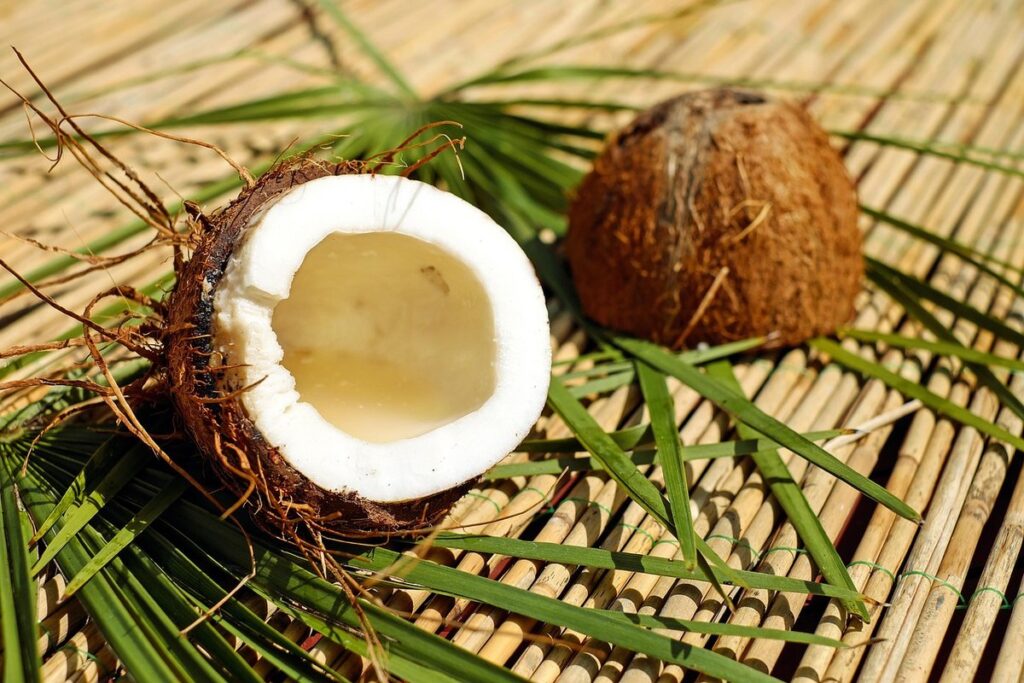
So, what exactly is coconut mulch and where does it come from? We’ll dive into its definition and explore how it’s made for a sustainable gardening option.
Definition and Origin
Coconut mulch originates from the processing of coconut husks, which would otherwise be discarded as waste. The coconut industry generates a substantial amount of biomass from these unwanted byproducts. Traditional methods of disposing of coconut husks involved burning or burying them, but this approach not only wasted valuable resources but also released greenhouse gases.
The shift towards using coconut mulch has transformed the way we view waste in the coconut industry. By repurposing coconut husks into a reusable product, businesses can reduce their environmental footprint while generating revenue from what was once considered worthless material. This transformation is a prime example of how creative problem-solving and resourcefulness can lead to innovative solutions that benefit both people and the planet.
As consumers become increasingly aware of the importance of sustainable practices, products like coconut mulch are gaining popularity as an eco-friendly alternative to traditional mulching options.
Types of Coconut Mulch
When it comes to using coconut mulch, you may be wondering about the different types available. From its shredded form to chipped and powdered variations, each type of coconut mulch has its own unique characteristics and uses.
Shredded coconut mulch is one of the most popular forms, often used in garden beds and paths. Its loose texture makes it easy to spread evenly, allowing for good air circulation around plants. It also breaks down quickly, adding nutrients to the soil as it decomposes. Shredded coconut mulch is ideal for areas with high foot traffic or where you want a quick solution to weed suppression.
On the other hand, chipped coconut mulch is denser and more durable than shredded versions. Its coarse texture makes it suitable for heavy use in paths, driveways, and even as a groundcover around trees. Chipped coconut mulch also holds its shape longer than shredded varieties, providing longer-lasting weed control and moisture retention.
Powdered coconut mulch, the smallest form, is often used to add nutrients to soil or potting mixes. Its fine texture allows it to penetrate deep into the soil, promoting healthy root growth and plant development. When choosing a type of coconut mulch, consider your specific needs: do you want something easy to spread, long-lasting, or nutrient-rich?
Benefits for Gardening
Coconut mulch offers numerous benefits that can transform your gardening experience, from improving soil health to attracting beneficial wildlife. Let’s explore these advantages up close.
Soil Health and Fertility
Coconut mulch plays a vital role in maintaining soil health by incorporating organic matter. This added material enhances the soil structure, allowing it to breathe and retain moisture better. As a result, coconut mulch helps reduce soil erosion and promotes healthy root growth for plants.
In addition to improving soil structure, coconut mulch also contributes to increased fertility. The high carbon content in coconut mulch encourages beneficial microorganisms to thrive, which in turn breaks down organic matter into nutrients that plants can absorb easily. This process is called decomposition, and it’s a crucial step in creating fertile soil.
To harness the benefits of coconut mulch for soil health, apply a 2-3 inch layer around your plants. As the mulch breaks down, mix it into the topsoil to create a nutrient-rich compost that will continue to nourish your garden for months to come. This simple yet effective technique is an excellent way to maintain soil fertility and structure using coconut mulch as a sustainable resource.
Water Conservation
One of the most significant benefits of using coconut mulch is its ability to aid plants in conserving water. By reducing evaporation and runoff, this natural material helps ensure that your garden gets the right amount of moisture without wasting a single drop.
To understand just how effective coconut mulch can be, consider this: it’s estimated that up to 70% of plant water loss occurs through transpiration – the process by which plants release excess moisture into the air. Coconut mulch reduces this loss significantly, creating a stable environment for your plants to thrive in. Plus, its ability to retain moisture means you won’t have to worry about frequent watering, making it perfect for areas with drought or water restrictions.
In practice, using coconut mulch is surprisingly simple: just apply a 2-3 inch layer around the base of your plants and keep it topped up as needed. This will not only conserve water but also suppress weeds, regulate soil temperature, and improve overall plant health. By making this small change to your gardening routine, you’ll be doing your part for the planet – and enjoying a healthier, more resilient garden as a result.
Environmental Benefits
When it comes to reducing our ecological footprint, one of the most significant benefits of coconut mulch is its incredible ability to support the health of our planet’s soil and ecosystems. Let’s dive into the environmental advantages.
Reduced Waste and Carbon Footprint
Using coconut mulch is not only beneficial for gardens, but it also has a significant impact on the environment. One of the most notable benefits of coconut mulch is its ability to reduce waste from the coconut industry. Traditionally, coconuts are discarded as waste after they have been used for their meat and oil. However, this waste can now be repurposed into a valuable resource – coconut mulch.
By using coconut mulch, you’re helping to decrease the demand on landfills, which in turn reduces greenhouse gas emissions. Synthetic mulches, commonly made from plastic or wood products, are often produced with fossil fuels and contribute to climate change. In contrast, coconut mulch is a biodegradable and non-toxic alternative that can be easily decomposed. When you choose coconut mulch, you’re making a conscious decision to reduce your carbon footprint and promote sustainability in gardening practices.
In fact, did you know that the coconut industry alone generates over 1 billion tons of waste every year? By incorporating coconut mulch into your garden, you’ll not only be reducing this staggering amount but also contributing to a more environmentally friendly future.
Pest and Disease Control
When using coconut mulch, you can enjoy an added benefit of reduced pest and disease pressure on your plants. This natural mulch acts as a barrier that prevents pests like ants, slugs, and snails from reaching your plant’s roots and stems. By keeping these unwanted visitors at bay, you’ll reduce the need for chemical pesticides, which are not only detrimental to the environment but also pose health risks to humans.
Coconut mulch can also help regulate soil moisture levels, reducing the likelihood of fungal diseases that thrive in damp conditions. Its ability to improve soil drainage and aeration allows roots to breathe easily, promoting healthy plant growth. For example, using coconut mulch around your tomato plants can prevent diseases like powdery mildew and fusarium wilt.
To maximize the pest-control benefits of coconut mulch, apply it at a depth of 2-3 inches and keep it moist but not waterlogged. You can also use it in combination with other natural pest control methods, such as introducing beneficial insects or using neem oil, for a holistic approach to plant care.
Uses Beyond Gardening
You might be surprised at how versatile coconut mulch can be beyond just gardening. We’ll explore some creative ways to repurpose it around your home and yard.
Composting and Animal Bedding
When it comes to uses beyond gardening, coconut mulch has some exciting applications that make it an attractive option for farmers and pet owners alike. One of the most beneficial uses is as a nutrient-rich compost. Coconut husks are high in carbon content, which makes them an ideal addition to compost piles. When mixed with other organic materials like food scraps or leaves, they help balance out the nitrogen levels, creating a perfect mix for decomposition.
This not only reduces waste but also creates a valuable resource for fertilizing soil. For example, many farmers use coconut mulch as a natural and sustainable alternative to synthetic fertilizers. They simply layer it on top of their crops, allowing it to break down over time and provide essential nutrients. Some even report improved crop yields and reduced soil erosion.
On the other hand, coconut mulch can also be used as animal bedding in stables or homes with pets. It’s a dry, absorbent material that helps keep animals clean and healthy. Plus, it reduces odors and messes, making it a convenient option for pet owners. Simply sprinkle a layer on the floor of cages or enclosures to create a comfortable and sanitary environment.
Landscaping and Erosion Control
When using coconut mulch for landscaping and erosion control, you can create a stable and visually appealing outdoor space. This is achieved by retaining soil in place, preventing it from being washed away by heavy rainfall or irrigation systems. Coconut mulch acts as a barrier that helps keep the topsoil intact, reducing the need for frequent re-grading and minimizing the risk of landslides.
To use coconut mulch effectively, start by applying a 2-3 inch layer over exposed soil areas. As it breaks down, it will help to stabilize the ground and reduce erosion. You can also mix coconut mulch with other organic materials like compost or leaf mold for added stability. Regularly replenishing the mulch as needed ensures that your landscape remains stable and intact.
In addition to its practical benefits, coconut mulch adds a touch of warmth and texture to outdoor spaces. Its natural color blends seamlessly into gardens and landscapes, making it an attractive option for property owners who want to create a cohesive look without sacrificing functionality.
How to Use Coconut Mulch
Now that you’re excited to try coconut mulch, let’s dive into how to use it effectively in your garden, covering application and maintenance tips.
Application Methods
Coconut mulch can be applied to garden beds in various ways to enhance its benefits. One of the simplest methods is to apply it directly to the soil. This allows the coconut fibers to break down and provide nutrients to the plants as they decompose.
For best results, spread a 2-3 inch layer of coconut mulch over the soil surface, making sure to leave some space around plant stems for proper air circulation. As the mulch breaks down, it will help retain moisture in the soil, suppress weeds, and regulate soil temperature.
Another approach is to mix coconut mulch with other materials, such as compost or perlite, for added benefits. For example, combining coconut mulch with compost can enhance its fertilizer properties, while blending it with perlite can improve drainage. You can also use coconut mulch as a decorative topping for garden beds, adding a natural and attractive touch to your outdoor space.
When mixing different materials, start with a small test area to ensure the blend doesn’t affect plant growth or soil pH levels.
Maintenance and Upkeep
To ensure that coconut mulch continues to provide its benefits to your garden, regular maintenance is crucial. This involves replenishing the mulch as needed, watering it properly, and monitoring for signs of pests or diseases.
Replenishment typically needs to occur every 6-12 months, depending on factors such as climate, soil type, and mulch quality. You can gauge if a replenish is necessary by looking for visible signs like thinning out or dry patches in the mulch. To replenish, simply add more coconut mulch on top of the existing layer, making sure to maintain an even depth.
When it comes to watering, remember that coconut mulch helps retain moisture in the soil. However, this also means that if overwatered, it can lead to root rot and other issues. Water your plants as needed, but avoid soaking the mulch itself. Regularly inspecting your mulched area for signs of pests or diseases will also help prevent any potential problems from taking hold.
Alternatives and Comparisons
Let’s compare coconut mulch to other sustainable options, such as pine straw and bark chips, to see how it stacks up in terms of benefits and cost. You’ll get a clear picture of what makes coconut mulch stand out from the crowd.
Synthetic Mulches vs. Coconut Mulch
When it comes to choosing between synthetic mulches and coconut mulch, many gardeners are unaware of the long-term consequences of their decision. While synthetic mulches may seem like a cost-effective option upfront, they can actually end up costing you more in the long run.
For instance, traditional synthetic mulches like wood chips or plastic sheeting can leach chemicals into the soil as they break down. This not only contaminates the soil but also poses risks to wildlife and human health. Moreover, these materials do little to improve soil fertility or structure, ultimately requiring more maintenance and potentially leading to soil erosion.
On the other hand, coconut mulch is a sustainable and eco-friendly option that offers numerous benefits. Not only does it provide an excellent natural barrier against weeds and moisture loss, but it also helps to regulate soil temperature and retain essential nutrients. Additionally, coconut mulch is made from renewable resources and can be easily composted at the end of its lifespan.
By choosing coconut mulch over synthetic alternatives, you’ll not only save money on long-term maintenance costs but also contribute to a healthier environment for your garden’s ecosystem.
Other Organic Mulch Options
While coconut mulch has many benefits, it’s not the only option for eco-friendly gardeners. Other organic mulch options like bark chips and straw have their own advantages and disadvantages that are worth exploring.
Bark chips, for instance, are a popular choice because they’re easy to find and can help suppress weeds. However, they can break down quickly, losing their effectiveness within a year or two. They also contain phenols, which can inhibit seed germination if used in excess. On the other hand, straw is an excellent option for garden beds that need consistent moisture levels. It’s inexpensive, readily available, and can be easily mixed with compost to improve soil structure.
However, both bark chips and straw have their limitations. Bark chips can become too acidic over time, while straw may not provide sufficient weed suppression on its own. If you’re looking for alternatives to coconut mulch, it’s essential to consider the specific needs of your garden and choose an option that aligns with those requirements.
When selecting alternative mulches, remember to consider factors like durability, availability, and environmental impact. This will help you make informed decisions about which organic mulch options best suit your gardening goals.
Conclusion
As we wrap up our exploration of coconut mulch, let’s summarize the key takeaways from this sustainable and eco-friendly option for your garden. We’ll recap the benefits you’ve learned so far.
Recap of Benefits
As we conclude our exploration of the benefits of coconut mulch, it’s clear that this eco-friendly option offers a multitude of advantages for gardeners and the environment. By now, you’ve likely seen firsthand how coconut mulch can improve soil health, reduce waste, and even attract beneficial wildlife to your garden.
One of the most significant benefits of using coconut mulch is its ability to improve soil structure and fertility. As we discussed earlier, coconut mulch is rich in organic matter, which helps to retain moisture, suppress weeds, and support healthy microbial activity. By incorporating coconut mulch into your gardening routine, you can expect to see improved plant growth, increased crop yields, and a more resilient ecosystem.
Another key advantage of coconut mulch is its sustainability. Coconut trees are highly productive, with some varieties yielding up to 75 coconuts per year. This abundance means that coconut mulch is an attractive option for gardeners looking to reduce their environmental footprint. Plus, using coconut mulch can help divert waste from landfills and reduce the need for synthetic fertilizers.
As you consider making the switch to coconut mulch, remember to follow these simple tips: start with a small batch to test its effectiveness in your specific climate and soil type; mix it with other organic matter to create a nutrient-rich compost; and apply it regularly to maintain optimal soil health. With a little creativity and experimentation, you can reap the rewards of this sustainable and eco-friendly gardening option. By choosing coconut mulch, you’re not only improving your garden’s health – you’re also contributing to a more environmentally conscious community.
Frequently Asked Questions
Can I mix coconut mulch with other organic mulches for a more customized approach?
You can definitely combine coconut mulch with other organic materials like straw, wood chips, or leaves to create a unique blend tailored to your garden’s specific needs. This approach allows you to take advantage of the benefits associated with each type of mulch, such as improved soil health and moisture retention.
How do I prevent coconut mulch from washing away during heavy rainfall?
To minimize the risk of coconut mulch being washed away, make sure to apply a thick layer (at least 3-4 inches) and keep it evenly spread. You can also consider using geotextiles or landscape fabric under the mulch to help retain it in place.
Can I use coconut mulch as a compost activator?
Yes! Coconut mulch is an excellent addition to your compost pile, as it helps speed up the decomposition process and adds beneficial nutrients to the soil. However, be sure to mix it with other carbon-rich materials like leaves or straw to maintain a balanced C:N ratio.
How long does coconut mulch typically last before needing replacement?
The lifespan of coconut mulch can vary depending on factors such as climate, moisture levels, and application depth. Generally, you can expect coconut mulch to last for 1-3 years before it breaks down completely. Regular replenishment will maintain its effectiveness and promote ongoing soil health.
Are there any specific considerations when using coconut mulch in acidic or alkaline soils?
Yes! Coconut mulch is slightly acidic, with a pH range of 6.5-7.0. When applying it to highly alkaline soils (pH > 8), be cautious not to further lower the pH. Conversely, if you’re working with acidic soils (pH < 6), coconut mulch can help mitigate some of the acidity. Monitor your soil's pH levels and adjust application rates accordingly to avoid any adverse effects.