
We all know that food waste is a significant problem in our kitchens, but did you know that it can be turned into a valuable resource for your garden? By learning how to compost kitchen waste effectively, you’ll not only reduce your environmental impact but also create nutrient-rich soil for your plants. In this article, we’ll share comprehensive kitchen composting tips and methods that will help you get started on your sustainable gardening journey. We’ll cover everything from setting up the perfect bin to ensuring optimal decomposition, so you can make the most of your food scraps. Whether you’re a seasoned gardener or just starting out, our guide is designed to provide practical advice for incorporating kitchen compost into your garden’s ecosystem. By following these tips and best practices, you’ll be well on your way to creating a thriving garden that’s teeming with life.
Understanding the Benefits of Composting
So, what makes composting worth your time? In this next part, we’ll explore how composting can benefit you, from saving money on gardening costs to creating nutrient-rich soil.
What is Composting?
Composting is often misunderstood as just throwing food scraps into a pile and waiting for nature to do its magic. But it’s actually a deliberate process that involves breaking down organic materials into a rich, nutrient-dense soil amendment. This process can be achieved through the action of microorganisms like bacteria and fungi, which feed on the organic matter and produce carbon dioxide, water, and heat as byproducts.
In simple terms, composting is like cooking for your garden – you need the right ingredients (food waste and yard trimmings), a suitable environment (moisture, oxygen, and temperature), and a dash of patience. When done correctly, compost can improve soil structure, increase fertility, and even help plants grow stronger roots and more vibrant leaves. For example, a study found that adding compost to soil increased crop yields by up to 30% and reduced the need for synthetic fertilizers.
To get started with composting in your kitchen, you can begin by collecting food scraps like fruit and vegetable peels, tea bags, and coffee grounds.
Why Compost at Home?
Composting at home is an easy and effective way to reduce waste sent to landfills, create a sustainable gardening practice, and produce a valuable resource for your garden. According to the Environmental Protection Agency (EPA), food waste makes up approximately 21% of municipal solid waste in the United States. By composting at home, you can divert this waste from landfills and create a nutrient-rich soil amendment for your garden.
Not only does composting reduce waste, but it also creates a sustainable gardening practice. Compost is made up of microorganisms that break down organic matter into a stable humus. This process reduces the need for synthetic fertilizers and pesticides, making it a more environmentally friendly option for gardening. By composting at home, you can create your own natural fertilizer and reduce your carbon footprint.
In addition to reducing waste and creating a sustainable gardening practice, composting at home also produces a valuable resource for your garden. Compost is rich in nutrients like nitrogen, phosphorus, and potassium, which are essential for healthy plant growth. By using compost as a soil amendment, you can improve the structure and fertility of your soil, leading to healthier plants and increased crop yields.
Choosing the Right Composting Method
When it comes to turning kitchen scraps into nutrient-rich compost, the right method can make all the difference. Let’s explore the various options and find what works best for you.
Backyard Composting 101
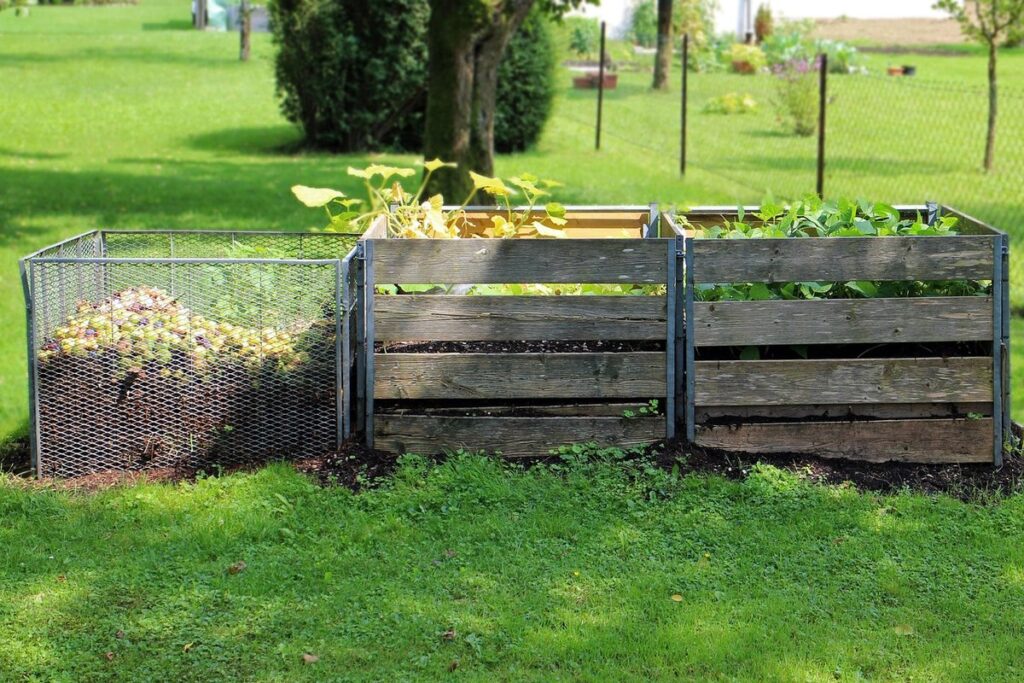
Traditional backyard composting is an excellent way to divert kitchen scraps from landfills and create nutrient-rich soil for your garden. To get started, choose a location for your compost bin or pile that’s well-ventilated, accessible, and out of direct sunlight. You can purchase a dedicated compost bin or repurpose a wooden pallet to save money.
Next, understand the balance between “brown” and “green” materials. Brown materials, such as dried leaves, shredded newspaper, and cardboard, provide carbon-rich nutrients that help break down organic matter. Green materials, like food scraps, grass clippings, and manure, offer nitrogen-rich nutrients that fuel microbial growth.
Maintaining this balance is key to successful composting. A general rule of thumb is to add 2/3 brown materials and 1/3 green materials. For example, if you’re adding a bucket of kitchen scraps (green), follow it with an equal volume of dried leaves or shredded newspaper (brown). Monitor your pile’s moisture level and turn it regularly to prevent odors and maintain airflow.
As you compost, keep in mind that certain items like meat, dairy, and oils can attract pests and create unpleasant odors. Instead, opt for fruit and vegetable scraps, tea bags, and coffee grounds. With time and practice, you’ll develop a keen sense of what works best for your backyard composting setup.
Vermicomposting: Worm-Based Composting
If you’re short on space or have plants that are sensitive to strong odors and heat, vermicomposting might just be the perfect solution for you. This low-maintenance alternative to traditional composting uses worms to break down food waste into nutrient-rich fertilizer.
Vermicomposting is ideal for small spaces because it doesn’t require a lot of room or equipment. You can even set up a worm bin in your kitchen, making it easy to manage and maintain. Plus, the worms will do all the work for you, breaking down food scraps into a liquid fertilizer that’s perfect for indoor plants.
One of the biggest benefits of vermicomposting is its ability to handle sensitive plants. The worms produce a stable pH level, which prevents the buildup of pathogens and odors that can harm your plants. This makes it an excellent choice for gardeners who want to create healthy soil without compromising on plant quality.
To get started with vermicomposting, you’ll need a worm bin or composter specifically designed for this method. Add a mix of “green” materials like fruit and vegetable scraps, along with some brown materials like shredded paper or coconut coir. Keep the bin moist but not waterlogged, and let the worms do their magic.
Adding Kitchen Waste to Your Compost Pile
When adding kitchen waste to your compost pile, it’s essential to know which items will speed up decomposition and create nutrient-rich soil for your garden. Let’s break down the dos and don’ts of kitchen composting.
Fruits and Vegetables: What’s Safe to Add?
When it comes to adding fruits and vegetables to your compost pile, not all items are created equal. Some high-nitrogen foods like bananas and potatoes can help speed up the decomposition process, but they should be added in moderation due to their high water content. Aim to balance them out with higher carbon materials.
Other high-carbon materials like corn cobs and eggshells can help absorb excess moisture and add structure to your compost pile. These items will also provide a boost of calcium, which is essential for plant growth. Consider adding crushed eggshells to your soil as well, as they’ll act as a natural pest deterrent for slugs and snails.
Leafy greens like spinach and kale are excellent additions to your compost pile, rich in nitrogen and other micronutrients. So too are herbs like basil and cilantro. However, avoid adding citrus fruits or melons due to their acidity, which can disrupt the pH balance of your compost pile. Instead, opt for sweeter fruits like apples and pears that will add natural sweetness without throwing off the balance.
Meat, Dairy, and Oils: Can They Be Composted?
When it comes to adding meat, dairy products, and oils to your compost pile, there are some potential risks to consider. Meat and dairy can attract pests like rodents, raccoons, and even bears, which can damage your compost bin or spread disease through contact with the waste. On the other hand, oils can create anaerobic conditions in your compost, leading to unpleasant odors and potentially harming microorganisms.
However, it’s not all doom and gloom! If you’re careful about how and when you add these items to your compost pile, they can actually be beneficial for your soil health. For example, adding small amounts of meat or dairy to your compost can provide a boost of nitrogen, which is essential for healthy plant growth.
Here are some guidelines to keep in mind: limit the amount of meat and dairy products added to your compost (about 1-2% of total waste) and avoid adding oils altogether. If you do add oils, mix them well with carbon-rich materials like leaves or straw to prevent anaerobic conditions. Also, be sure to balance these “wet” materials with plenty of dry materials to keep your compost pile healthy and free from pests.
Maintaining Your Compost Pile
Now that you’ve got your compost pile up and running, let’s talk about how to keep it thriving: regular maintenance is key to a healthy and productive composter.
Monitoring Temperature and Moisture Levels
Monitoring temperature and moisture levels is crucial to maintaining optimal conditions for decomposition in your compost pile. A healthy compost pile should have a moderate temperature between 130°F to 140°F (54°C to 60°C), which indicates that the microorganisms are actively breaking down the organic matter.
To check the temperature, you can use a compost thermometer, which is usually inexpensive and easy to find. Aim for a temperature that’s not too hot or too cold – if it’s above 160°F (71°C), it may be killing off beneficial microbes, while temperatures below 100°F (38°C) slow down decomposition.
As for moisture levels, aim for a mix that’s similar to a damp sponge. Too dry and the pile won’t break down properly; too wet and it’ll attract pests and anaerobic conditions will set in. To maintain optimal moisture, add water when the pile is dry or turn it to aerate and mix it with green materials.
Regularly checking your compost pile’s temperature and moisture levels helps ensure a balanced environment for decomposition, allowing you to create nutrient-rich soil for your garden.
Turning the Compost: When and How Often?
Turning your compost pile regularly is one of the most important steps in maintaining its health and efficiency. This process, known as turning or aerating, can speed up decomposition by allowing oxygen to penetrate deeper into the pile, and prevent odors from building up.
When it comes to turning your compost pile, timing is everything. As a general rule, you should turn your pile every 7-10 days during the active decomposition phase, which typically lasts for 2-3 months. This frequency will help maintain an optimal balance between oxygen levels and moisture content, preventing anaerobic conditions that can lead to foul odors.
To turn your compost pile effectively, start by gently lifting one corner of the pile with a shovel or aerator tool. Rotate it slightly to redistribute the materials, then repeat on each side until you’ve turned the entire pile. By doing so, you’ll be helping microorganisms break down organic matter more efficiently and minimizing the risk of unpleasant odors.
Troubleshooting Common Composting Issues
When you’re just starting out, it’s not uncommon for your compost pile to encounter a few setbacks. Let’s tackle some common issues and get your kitchen composting back on track.
Odors and Pests: What to Do?
When you’re composting kitchen food waste, odors and pests are two common issues that can arise. Odor problems often occur when there’s too much nitrogen-rich material like fruit and vegetable scraps, which can break down quickly and release ammonia. Pests, on the other hand, are usually attracted to sweet or high-carb materials like fruit, bread, and grains.
To mitigate these issues, aim for a balanced mix of “green” (nitrogen-rich) and “brown” (carbon-rich) materials in your compost pile. For example, add more dry leaves, shredded newspaper, or cardboard to balance out the wet scraps. You can also bury fruit and vegetable waste under a layer of brown materials to slow down decomposition.
Another way to reduce odors is to add a 1-2 inch layer of finished compost on top of your pile before adding new materials. This helps neutralize any strong smells. To deter pests, you can sprinkle a small amount of cayenne pepper or hot sauce on top of the pile – they don’t like the heat! Regular turning and monitoring of your compost pile will also help maintain balance and prevent these issues from arising in the first place.
Too Wet or Dry? Balancing Your Compost Mix
Maintaining the right balance of materials is crucial to successful composting. This involves combining “green” and “brown” ingredients in a way that provides sufficient nutrients for microorganisms to break down waste efficiently.
Green materials, such as food scraps and grass clippings, are high in nitrogen but can become too wet if not balanced with drier ingredients. Signs of over-moisture include an unpleasant odor or the presence of pests like flies or rodents.
To address this issue, add more brown materials like shredded newspaper, dried leaves, or sawdust to absorb excess moisture and carbon. Conversely, a dry compost pile may indicate too little green material, leading to slow decomposition rates.
Check your mix regularly and aim for a balance that’s roughly 2/3 “brown” ingredients and 1/3 “green.” For example, if you’re adding a bucket of food scraps (high in nitrogen), follow up with an equal volume of shredded newspaper or leaves. This will create an ideal environment for microorganisms to thrive, resulting in high-quality compost for your garden.
Using Your Finished Compost in the Garden
Now that your compost is finished, let’s talk about how to use it to give your garden a nutrient boost and grow healthy, thriving plants. We’ll cover some practical tips for incorporating your finished compost into your garden.
What to Expect from Finished Compost
When you finally harvest your finished compost, it’s a moment to be proud of – all that hard work and dedication have paid off! Finished compost is a treasure trove of nutrients for your garden, but what can you expect from it? Let’s dive into its appearance, texture, and smell.
Finished compost typically has a rich, earthy aroma and a dark brown or black color. Its texture is often crumbly and smooth, with an almost uniform consistency throughout. You might notice that it’s slightly damp to the touch, but don’t worry – this is normal! The ideal finished compost should be moist, like a damp sponge, not soaking wet.
As for its benefits, finished compost is a powerhouse of nutrients that can supercharge your soil and plant growth. It improves drainage, increases fertility, and supports beneficial microbial life. By incorporating it into your garden beds or pots, you’ll see improved soil structure, increased yields, and healthier plants.
Applying Compost to Specific Plants
When it comes to applying compost to specific plants, you’ll be delighted by the benefits. Compost can work wonders for fruit trees, vegetables, and flowers alike. For instance, adding compost to the soil around your citrus tree will improve its nutrient uptake, leading to sweeter and juicier oranges.
Composting also has a profound impact on vegetable growth. By applying it to the soil where you’ve planted tomatoes or leafy greens, you’ll notice an increase in yields and healthier-looking plants. The key is to mix compost with the existing soil at planting time for maximum benefit. If your vegetables are already established, you can side-dress with a thick layer of compost, which will provide them with a boost of nutrients.
Flowers also reap the rewards of compost, especially those with high fertilizer requirements like roses and hydrangeas. Compost’s balanced blend of micronutrients and organic matter promotes healthy root growth, leading to more vibrant blooms and extended flowering seasons.
Frequently Asked Questions
Can I compost meat, dairy, and oils at home?
Yes, but it’s essential to note that these items can attract pests and create odors if not managed properly. To safely compost them, mix them with carbon-rich materials like straw or shredded newspaper, and ensure the pile is kept moist and turned regularly.
How do I maintain the right moisture levels in my compost pile?
Check your compost pile’s moisture level by sticking your hand into it up to the elbow. If the material feels dry, add water. If it’s too wet, turn the pile or add more brown materials like leaves. Aim for a consistency similar to a damp sponge.
What’s the best way to balance my kitchen waste with ‘green’ and ‘brown’ materials?
Balance is key in composting! Aim for 2/3 carbon-rich (brown) materials like dried leaves, straw, or shredded newspaper, and 1/3 nitrogen-rich (green) materials like kitchen scraps, grass clippings, or manure. Regularly add new materials to maintain this balance.
Can I use a worm composter in my apartment with limited space?
Yes! Vermicomposting is an excellent option for small spaces because it’s odorless and doesn’t require much maintenance. You can even compost food waste indoors using a compact vermicomposter, making it perfect for apartments or condos with limited outdoor space.
How do I know when my compost is ready to use in the garden?
Finished compost should be dark, crumbly, and have an earthy aroma. If it still has recognizable pieces of organic matter, continue turning and monitoring its progress until it reaches this stage. Always test a small amount on your plants before applying it in larger quantities.