
Raised beds are a fantastic way to grow your own food, but only if you choose the right plants. With the freedom to select climate-tolerant varieties that thrive in full sun or partial shade, you can enjoy a bountiful harvest all season long. Whether you’re a seasoned gardener or just starting out, deciding what to plant in raised beds can be overwhelming. That’s why we’ve put together this comprehensive guide to help you make the most of your garden.
In this article, we’ll cover the best vegetables, fruits, and herbs to grow in raised beds, including expert tips on how to choose the right plants for your specific climate and amount of sunlight. From juicy tomatoes to crisp lettuce, we’ll show you which varieties will perform at their best in your raised bed garden. By the end of this post, you’ll be equipped with all the knowledge you need to create a thriving and productive garden that brings you joy all year round.
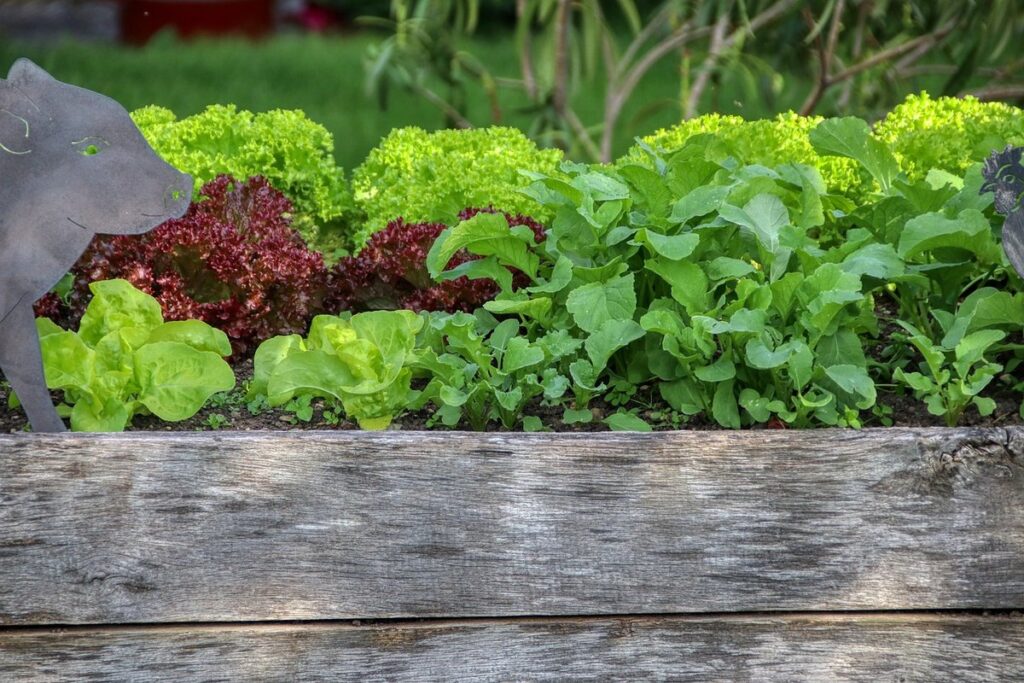
Choosing the Right Plants for Your Climate
When selecting plants for your raised bed, it’s essential to consider the climate and temperature fluctuations that occur in your area, which can greatly impact growth and success. This affects which plants will thrive best.
Understanding Your Hardiness Zone
Before selecting plants for your raised bed, it’s essential to understand your hardiness zone. This will help you choose varieties that are adapted to your local climate and can thrive in the conditions provided by your raised bed.
To determine your hardiness zone, visit the USDA Plant Hardiness Zone Map on their website. You’ll need to enter your zip code or city and state to get an accurate reading of your zone. The map is divided into 11 zones, each representing a specific temperature range. Knowing your zone will help you narrow down plant choices that are suitable for your region.
For example, if you live in Zone 4, you’ll want to focus on plants that can tolerate cold temperatures and frost. Some examples of hardy plants for Zone 4 include broccoli, kale, and carrots. Conversely, if you live in a warmer zone like 8 or 9, you can plant heat-loving varieties such as tomatoes, peppers, and eggplants.
By understanding your hardiness zone, you’ll be able to choose plants that will perform well in your raised bed, ensuring a bountiful harvest all season long.
Selecting Plants That Thrive in Full Sun
When selecting plants for raised beds that thrive in full sun conditions, it’s essential to choose varieties that can tolerate high temperatures and direct sunlight. In areas with intense sunshine, plants need extra care to prevent scorching.
For vegetables, consider planting heat-tolerant species like tomatoes, peppers, eggplants, okra, and squash. These plants will not only withstand full sun but also produce an abundance of fruit throughout the growing season. If you’re looking for leafy greens that can handle full sun, opt for heat-resistant varieties like kale, spinach, or lettuce.
Fruits that love full sun include strawberries, citrus trees (dwarf varieties), and grapes. When selecting flowers, focus on drought-tolerant species like zinnias, marigolds, and cosmos. These will bloom profusely in raised beds with minimal watering needs. To ensure your plants thrive, make sure the soil is well-draining, rich in organic matter, and receives regular waterings to prevent dehydration.
Selecting Plants That Prefer Partial Shade
When it comes to selecting plants that thrive in partial shade, it’s essential to consider the specific needs of your raised bed. Partial shade refers to areas that receive between 2-4 hours of direct sunlight per day. If you have a south-facing wall or a tree casting a dappled shadow, this is an ideal spot for plants that prefer partial shade.
Some excellent options include leafy greens like lettuce, kale, and spinach, which can tolerate low light conditions and produce delicious harvests. Herbs such as mint, parsley, and chives also do well in partial shade and can add fresh flavor to your cooking. Shade-tolerant flowers like impatiens, coleus, and begonias bring color and vibrancy to your raised bed without demanding full sun.
When selecting plants for your raised bed, remember to choose varieties that are specifically bred for partial shade or have a high tolerance for low light conditions. This will ensure optimal growth and prevent disappointment due to poor performance. By incorporating these plants into your garden design, you’ll be well on your way to creating a thriving and diverse raised bed ecosystem.
Vegetables to Plant in Raised Beds
When it comes to raised beds, you’ll want to focus on vegetables that thrive in well-draining soil and full sun, such as tomatoes and lettuce. These easy-to-grow options are perfect for beginners.
Leafy Greens for Year-Round Harvest
Growing leafy greens like lettuce, kale, and spinach is a great way to have a year-round harvest from your raised beds. These cool-season crops thrive in temperatures between 40°F and 70°F (4°C and 21°C), making them perfect for spring and fall planting.
To get the most out of your leafy green crop, practice succession planting by staggering seedings every one to two weeks. This ensures a continuous harvest and prevents the soil from becoming depleted of nutrients. Start with easy-to-grow varieties like ‘Rouge d’Hiver’ lettuce or ‘Rainbow’ kale, which mature in as little as 20 days.
Pest management is also crucial when growing leafy greens. Keep an eye out for aphids, slugs, and snails, and use organic methods to control infestations. Consider using row covers to protect your plants from pests and extend the harvest season. With proper care and planning, you can enjoy a bountiful harvest of leafy greens all year round.
Tomatoes and Peppers: A Guide to Success
When it comes to growing tomatoes and peppers in raised beds, there are several key factors to consider. First and foremost, these plants require support systems to keep them upright and promote healthy growth. For tomatoes, a trellis or stake is essential, as they can grow quite large and top-heavy. You can use tomato cages, which provide structure while allowing for easy harvesting.
For peppers, a cage or a row cover will do the trick. Make sure the support system is sturdy enough to hold the weight of the plants, especially when they’re laden with fruit. Fertilization is also crucial, as tomatoes and peppers are heavy feeders. Use a balanced fertilizer (e.g., 10-10-10 NPK) in the spring, followed by a bloom booster during the fruiting stage.
When choosing varieties, look for compact or dwarf options that won’t require extensive support systems. Some popular choices include ‘Patio’ and ‘Tiny Tim’ tomatoes, as well as ‘Thai Hot’ peppers. By providing the right support and fertilization, you’ll be on your way to a bountiful harvest of juicy tomatoes and sweet, crunchy peppers in your raised bed garden.
Root Vegetables for Cold Climates
Root vegetables are an excellent choice for cold climates, as they can tolerate frost and continue to grow even when temperatures drop. Carrots, beets, and radishes are popular options that thrive in raised beds.
When growing root vegetables, it’s essential to prepare the soil properly. Root veggies prefer well-draining, loose soil with a pH between 6.0 and 7.0. To achieve this, mix in compost or aged manure to improve soil structure and fertility. You can also add a balanced fertilizer according to the package instructions.
Pest control is another crucial aspect of growing root vegetables. Slugs and snails are common pests that target these veggies. Use copper tape or crushed eggshells around the raised bed to deter them. Additionally, keep your garden free from debris and weeds, which can attract pests. Consider companion planting with marigolds or nasturtiums, as they repel nematodes that harm root vegetables.
In cold climates, it’s also essential to choose varieties that are resistant to bolting or going to seed too quickly. Look for specific descriptions of the variety you’re growing and plant them at the right time – usually in early spring or late summer. With proper care and attention, your raised bed will be bursting with delicious root vegetables all season long!
Fruits to Plant in Raised Beds
When it comes to choosing the perfect fruits for your raised bed, there are several options that thrive in these elevated planters. Let’s take a look at some of our favorite varieties.
Berries: A Low-Maintenance Option
When it comes to growing berries in raised beds, you’ll be pleased to know that they’re one of the easiest options available. Strawberries, blueberries, and raspberries are all great choices for beginners, requiring minimal maintenance and care. To get started, make sure your raised bed has well-draining soil with a pH between 5.5 and 6.5 – this is especially important for acidic-loving blueberries.
When it comes to planting, choose a variety that’s compact or dwarf-sized to save space in your raised bed. Strawberries, for example, can be planted as close as 12 inches apart, making them perfect for small spaces. Blueberries require slightly more room (around 2-3 feet) but are still relatively low-maintenance.
Regular pruning is also essential for berry plants, helping to promote healthy growth and prevent disease. Remove any dead or damaged branches after the harvest season, and thin out canes on raspberry bushes to encourage new growth. By following these simple tips, you’ll be enjoying fresh berries from your raised bed in no time!
Citrus Trees: A Guide to Growing Indoors or Outdoors
Growing citrus trees can be a delightful experience, and with raised beds, you can enjoy these fruits even in colder climates. First, let’s talk about the climate requirements for growing citrus trees outdoors. In general, they thrive in warm temperatures between 64°F to 90°F (18°C to 32°C), making them ideal for zones 9-11.
However, if you live in a cooler area or want to grow citrus indoors, you can still enjoy these fruits with the right care and conditions. Dwarf varieties such as ‘Dwarf Washington’ navel orange and ‘Dwarf Meyer’ lemon are great options for container growing.
When it comes to pest management, be on the lookout for aphids, mealybugs, and whiteflies, which love citrus trees. Regularly inspect your plants, and use neem oil or insecticidal soap to control infestations. Also, ensure good air circulation around your citrus trees to prevent diseases like root rot.
Remember to fertilize your citrus trees regularly with a balanced fertilizer to promote healthy growth and fruiting. With proper care and attention, you can enjoy a bountiful harvest of juicy lemons, limes, and oranges right in your raised bed or indoor container garden.
Herbs to Plant in Raised Beds
When it comes to choosing herbs for your raised bed, consider plants that thrive in well-drained soil and partial shade. Basil, mint, and rosemary are popular options for beginners.
Basil: A Popular Choice for Cooking
Basil is one of the most popular herbs used in cooking, and for good reason. Not only does it add a burst of flavor to many dishes, but it’s also relatively easy to grow in raised beds. To get the most out of your basil plants, it’s essential to prune them regularly.
Pruning not only encourages bushy growth but also prevents the plant from flowering and going to seed. Pinch off flower buds as they form, and trim back the tips of the stems to encourage new growth. You can harvest individual leaves or stems throughout the growing season, which will continue for several months if you keep the plants well-watered and fertilized.
Pests like aphids, whiteflies, and spider mites can be a problem when growing basil in raised beds. To control these pests, spray your plants with a strong jet of water, or use neem oil or insecticidal soap to repel them. Be sure to also keep an eye out for fungal diseases like powdery mildew, which can be treated with fungicides or by removing infected leaves.
By following these tips and techniques, you’ll be able to grow healthy, flavorful basil in your raised beds all season long.
Cilantro: A Fast-Growing Herb for Salads
When it comes to adding fresh flavor to salads, sandwiches, and Mexican dishes, cilantro is an essential herb that grows quickly in raised beds. This fast-growing crop requires minimal care and can be harvested continuously with a little planning.
To get started, choose a spot in your raised bed with well-draining soil and full sun. Cilantro prefers a slightly acidic pH between 6.0 and 7.0. Before planting, mix in a balanced fertilizer to provide essential nutrients for optimal growth.
Plant cilantro seeds about 1/4 inch deep and 2-3 inches apart. Water gently but thoroughly after sowing. To ensure continuous harvests, succession plant every 1-2 weeks by sowing new seeds when the previous batch starts to bolt (go to seed). This will prevent the entire crop from flowering at once.
Keep the soil consistently moist during the first few days after planting, and then reduce watering to about 1 inch per week. With proper care, cilantro typically takes around 3-4 weeks to mature. Regular harvesting will encourage new growth and promote a bountiful yield throughout the growing season.
Companion Planting Strategies
Companion planting can help boost yields, deter pests, and add beauty to your raised beds. By strategically pairing plants together, you’ll create a thriving ecosystem in your garden.
Creating a Balanced Ecosystem
Creating a balanced ecosystem is crucial when companion planting in raised beds. By pairing plants that complement each other, you can enhance growth, reduce pests and diseases, and create a thriving environment. Some plants benefit from being planted together due to their symbiotic relationships, such as marigolds repelling nematodes while attracting beneficial insects for tomatoes.
Other pairs, like basil and lettuce, grow well together as they have different watering needs and can help shade the soil, reducing moisture loss. However, some plants are not compatible and should be kept separate, such as members of the Brassica family (broccoli, cauliflower) with members of the Solanaceae family (tomatoes, peppers), which can spread disease.
When selecting companion plants for your raised bed, consider their growth habits, space requirements, and watering needs. For example, planting sun-loving flowers like nasturtiums or calendula around vegetables that require shade can create a balanced environment. By grouping compatible plants together, you’ll not only promote healthy growth but also reduce maintenance and care requirements.
Repelling Pests with Companion Plants
Companion planting is a powerful tool for keeping pests at bay without relying on chemicals. By pairing plants that repel unwanted insects with those that attract beneficial ones, you can create a balanced ecosystem in your raised bed. For example, basil and mint are known to deter aphids and whiteflies, while marigolds repel nematodes and other pests.
When selecting companion plants for pest control, consider the specific needs of your garden. If you’re dealing with carrot flies, plant dill or fennel alongside carrots. To keep slugs away from lettuce and spinach, try planting garlic or chives nearby. The key is to choose a diverse selection of plants that complement each other in terms of growth habits, sun requirements, and pest-repellent properties.
Some popular companion planting combinations for raised beds include:
• Planting nasturtiums with cabbage and kale to repel aphids and whiteflies
• Pairing radishes with cucumbers to deter cucumber beetles
• Incorporating calendula into your flower bed to attract beneficial insects that prey on pests
Maintenance and Care Tips for Raised Beds
To keep your raised beds thriving, it’s essential to know how to properly maintain and care for them, and we’ve got you covered! Regular upkeep will ensure a bountiful harvest year after year.
Watering Strategies for Success
When it comes to raised beds, watering can be a delicate balance. You want to provide enough moisture for healthy growth without overdoing it and causing more harm than good. So, how often should you water your raised bed?
A general rule of thumb is to check the soil daily, feeling its moisture level with your fingers. If the top inch or so feels dry, it’s time to water. The frequency will depend on the specific plants in your bed, climate, and weather conditions. For example, if you’re growing vegetables like tomatoes or peppers, they’ll need more frequent watering than a low-maintenance herb garden.
To avoid overwatering, make sure the drainage holes at the bottom of your raised bed are functioning properly. You can also check for signs of waterlogged soil, such as yellowing leaves or mold growth. If you notice these issues, reduce the frequency and amount of watering. Aim to provide about 1-2 inches of water per week, either through rainfall or irrigation.
By monitoring the moisture level and adjusting your watering schedule accordingly, you’ll be well on your way to creating a thriving raised bed that’s perfect for whatever plants you choose to grow.
Soil Preparation and Fertilization Methods
When it comes to maintaining raised beds, proper soil preparation and fertilization are crucial for a bountiful harvest. Before planting, test your soil pH levels using a DIY kit or send a sample to a lab for analysis. Most vegetables prefer a slightly acidic to neutral soil pH between 6.0 and 7.0.
To prepare the soil, remove any debris, rocks, and weeds. Add organic amendments like compost, well-rotted manure, or peat moss to improve soil structure and fertility. For example, adding 2-3 inches of compost will help retain moisture, suppress diseases, and promote beneficial microbial activity.
Fertilization methods vary depending on the type of plants you’re growing. A balanced fertilizer (10-10-10 N-P-K) is suitable for most vegetables. However, some plants like tomatoes and peppers require a higher phosphorus content to support fruiting. Consider using organic fertilizers like fish emulsion or bone meal as alternatives.
For maximum yields, incorporate 1/2 cup of fertilizer per square foot into the top 6-8 inches of soil during planting. Water thoroughly after application and mulch around plants to retain moisture and suppress weeds.
Frequently Asked Questions
Can I use the same plants for raised beds in a cold climate as I would in a warm one?
Yes, while some plant varieties are more tolerant of extreme temperatures, it’s essential to choose climate-specific plants to ensure optimal growth and success. Consult your hardiness zone chart and select plants that thrive in your local temperature range.
How do I balance companion planting with my raised bed design?
Companion planting is an excellent way to create a balanced ecosystem, but it’s crucial to consider space, growth habits, and sunlight requirements when designing your raised bed layout. Interspersing beneficial companions among your main crops can enhance growth, deter pests, and promote healthy soil.
What if I don’t have direct sunlight for my raised beds? Can I still grow a variety of plants?
While many plants require full sun to thrive, there are numerous options that prefer partial shade or can tolerate low light conditions. Consider selecting varieties like leafy greens (lettuce, kale), herbs (basil, mint), and some root vegetables (carrots, beets) for shaded raised beds.
Can I use a combination of soil and fertilizers to improve the fertility of my raised bed?
Yes, combining organic soil amendments with fertilizers can create an optimal growing environment. Start by testing your soil pH and nutrient levels, then apply organic matter like compost or well-rotted manure to enrich the soil. Supplement with balanced fertilizers during growth periods for maximum plant performance.
How do I maintain my raised beds over the off-season?
To ensure a thriving garden next season, plan ahead for maintenance during the off-season. Remove and compost weeds, prune perennials, and mulch or cover plants to protect them from extreme temperatures and moisture fluctuations. Consider implementing winter crops like kale, spinach, or Brussels sprouts to extend the harvest period.