
Raised beds have revolutionized gardening for many of us, providing easy access to growing our favorite fruits and veggies in a compact space. But did you know that you can take your raised bed game to the next level by incorporating companion planting techniques? By strategically pairing plants with beneficial companions, you’ll not only boost your garden’s productivity but also enhance its overall health and resilience. Companion planting is all about harnessing the power of nature to create a balanced ecosystem in your garden. In this article, we’ll explore the ins and outs of raised bed companion planting, covering the best plant combinations for pest control, soil enrichment, and increased yields – plus some expert tips on how to get started with this innovative approach.
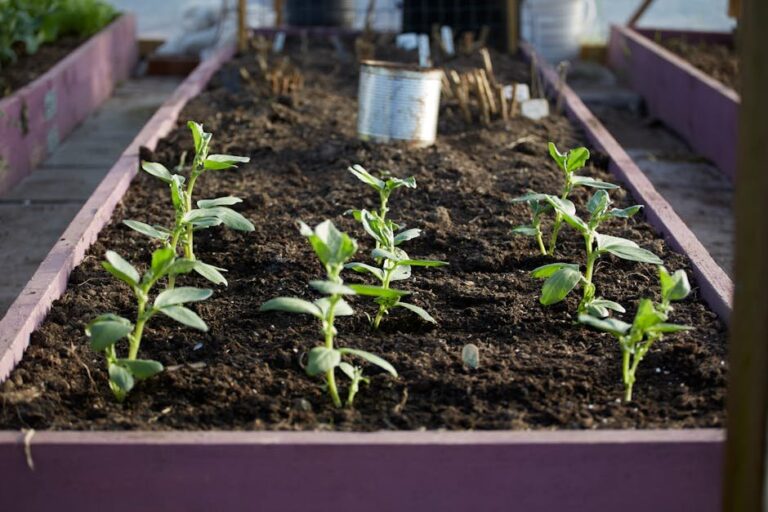
Benefits of Companion Planting in Raised Beds
Companion planting in raised beds can have numerous benefits, from improved pest control to enhanced soil health, making it a valuable technique for any gardener. Let’s explore these advantages together!
Improving Soil Health through Companions
When you’re designing your raised bed garden, consider the benefits of companion planting not just for pest control and flavor enhancement, but also for improving soil health. Certain plants have a unique ability to boost nutrient levels, suppress pests and diseases, and even attract beneficial insects that can help fertilize your crops.
Take marigolds, for example. These bright flowers repel nematodes, microscopic worms that can damage plant roots, while their deep taproots bring up nutrients from deeper soil layers, making them available to nearby plants. Nasturtiums are another great choice, as they release chemicals that repel aphids, whiteflies, and other pests that can harm vegetables.
To incorporate these “soil superheroes” into your raised bed garden, plant marigolds or nasturtiums around the perimeter of your beds, interspersed with other companion plants. This will not only improve soil health but also create a diverse ecosystem that’s resilient to pests and diseases. With a little planning, you can create a thriving raised bed garden that’s a haven for beneficial insects and a nursery for healthy vegetables.
Deterrent Plants for Pest Control
When it comes to maintaining healthy and thriving plants in raised beds, controlling pests is a crucial aspect of gardening. Companion planting can play a significant role in deterring common pests like aphids, whiteflies, and nematodes without relying on chemical pesticides. Certain plants have natural repellent properties that can keep these unwanted visitors at bay.
For instance, basil and mint are excellent companions for raised beds as they repel aphids and other insects. Basil’s strong scent can also help deter whiteflies, while mint’s fragrance is known to repel nematodes. Other plants like marigolds, nasturtiums, and calendula have a natural ability to attract beneficial insects that prey on pests, thereby reducing the need for pesticides.
To incorporate these pest-repelling plants into your raised bed companion planting, start by selecting a few varieties that work well together in terms of growth habits, sunlight requirements, and space constraints. Plant them strategically around your desired vegetables or flowers, making sure to leave enough space for each plant to grow and thrive. With the right combination of companion plants, you can create a balanced ecosystem that naturally repels pests and promotes healthy plant growth.
Enhancing Flavor and Texture with Companions
When it comes to companion planting in raised beds, some combinations can not only promote healthy growth and pest control but also elevate the flavor and texture of your harvest. Take basil and tomatoes as an example. By growing these two plants together, you’ll not only enjoy a reduced risk of pests that target tomatoes, such as whiteflies and aphids, but also benefit from the fragrance released by basil, which has been known to enhance tomato flavor.
Other combinations worth trying include mint and carrots. Mint’s strong scent repels carrot flies and other pests, while its leaves can be used in salads or teas, adding a refreshing twist to your garden harvest. For maximum effect, consider planting mint in a separate container within the raised bed, as it has a tendency to spread quickly.
Experiment with different pairings to find your favorite combinations. By incorporating these flavor-enhancing duos into your raised bed garden, you’ll not only enjoy improved yields but also a more diverse and delicious harvest.
Choosing the Right Companion Plants
When it comes to raised bed companion planting, selecting the right companion plants is crucial for a harmonious and thriving garden. Let’s explore some tips for choosing the perfect partners for your favorite vegetables.
Selecting for Growth Habits
When selecting companion plants for your raised bed garden, it’s essential to consider their growth habits to ensure a balanced and harmonious space. This means choosing plants that complement each other’s shapes and sizes to create a visually appealing and functional garden.
Upright plants are great for adding vertical interest and can be used as a backdrop for spreading or climbing varieties. Examples of upright plants include sunflowers, corn, and dahlias. These plants typically grow 3-6 feet tall and can provide support for smaller companion plants like beans and peas.
Spreading plants, on the other hand, can help to fill in gaps between taller companions and add volume to the bed. Plants like creeping thyme, vinca minor, or oregano are perfect for spreading out and can be used to create a lush, full look.
Climbing plants are another great option for raised beds, using trellises or other supports to grow upwards and take advantage of space. Examples include peas, beans, and clematis. By selecting a mix of upright, spreading, and climbing companion plants, you can create a diverse and thriving garden that showcases the beauty of companion planting.
Considering Plant Families and Alliances
When choosing companion plants for your raised bed, it’s essential to consider plant families and their natural alliances. Some of the most significant plant families are Brassicas, Solanaceae, and Cucurbitaceae.
Brassica family members like broccoli, cauliflower, and kale benefit from being planted alongside aromatic herbs like garlic and rosemary. These companions not only deter pests but also enhance the flavor and nutritional value of your Brassicas. For instance, planting garlic near broccoli repels aphids and mites that target this crop.
In contrast, Solanaceae family members – including tomatoes, peppers, and eggplants – should be kept separate from other plants in their family to avoid disease transfer. However, they can thrive alongside basil, which not only adds flavor but also helps deter pests like whiteflies and aphids.
The Cucurbitaceae family, which includes cucumbers, squash, and melons, benefits from being planted near dill or nasturtiums. These companions repel aphids and other pests that target these crops.
Avoiding Incompatible Plants
When selecting companion plants for your raised bed garden, it’s essential to be aware of certain combinations that can lead to issues. Some plants compete intensely for resources like water and nutrients, while others may even cause harm to each other.
For instance, planting members of the Brassica family (broccoli, cauliflower, kale) alongside cucumbers or squash can lead to nutrient depletion. These plants are heavy feeders and can exhaust the soil of essential nutrients, leaving little for their neighbors. Similarly, placing tomatoes with fennel can result in reduced tomato yields due to fennel’s allelopathic properties.
Avoid pairing onions or garlic with beans, as the sulfur compounds released by these plants can inhibit bean growth. Additionally, never plant potatoes near members of the nightshade family (tomatoes, peppers, eggplants), as this can lead to a range of issues, including reduced yields and increased susceptibility to disease. Being mindful of such combinations will help you create a harmonious raised bed garden ecosystem where all plants thrive together.
Designing a Companion Planting Raised Bed
Now that you’ve chosen your raised bed layout, let’s dive into designing it to maximize companion planting benefits and create a harmonious garden ecosystem.
Planning Your Garden Layout
When planning your companion planting layout, it’s essential to consider the unique needs of each plant. Start by making a list of the plants you want to grow together and noting their sunlight requirements. Some plants, like tomatoes and peppers, need full sun (at least 6 hours of direct sunlight), while others, such as lettuce and herbs, prefer partial shade.
Consider the mature size of your plants when deciding on spacing. Planting too many large plants together can lead to overcrowding and reduced air circulation, which can promote disease. For example, a tomato plant grown alongside basil will require about 2-3 feet of space between them. Be sure to leave enough room for companion plants that repel pests, such as marigolds and nasturtiums, which need a bit more breathing room.
Keep in mind the “companion planting zones” – group similar plants together by their needs, such as shade-tolerant plants or sun-lovers. This will make it easier to plan and maintain your garden layout. By taking these factors into account, you’ll create a harmonious companion planting layout that promotes healthy growth and reduces pests and diseases in your raised bed garden.
Incorporating Companion Plants into Your Existing Garden
When introducing new companion plants into an existing raised bed garden, it’s essential to consider the established ecosystem and make a smooth transition. Begin by observing the current growth patterns, soil health, and pest/disease dynamics within your garden. Identify areas that could benefit from additional plant species and research compatible companions for each existing plant.
For instance, if you’re growing tomatoes alongside basil in an existing raised bed, consider adding some marigolds or nasturtiums to repel nematodes and attract beneficial insects. When introducing new plants, ensure they have sufficient space to mature without overcrowding, which can lead to reduced growth rates, disease susceptibility, and increased pest attraction.
To prevent disrupting the established ecosystem, integrate new companion plants gradually, starting with a few species at a time. Monitor their impact on soil health, pest/disease dynamics, and overall garden productivity before adding more companions. Regularly inspect your raised bed for signs of stress or competition between new and existing plant species, making adjustments as needed to maintain harmony in your garden.
Common Companion Planting Myths Debunked
Let’s clear up some misconceptions – many popular companion planting myths have been perpetuated over time, making it hard to know what really works. We’re here to set the record straight in this section.
The Role of Herbs in Companion Planting
When it comes to companion planting, herbs are often overlooked as valuable companions for other plants. However, they can have a significant impact on their neighbors when used correctly.
Basil, for instance, is known to repel pests that target vegetables like tomatoes and peppers. Its strong scent deters aphids, whiteflies, and spider mites, reducing the need for pesticides in your raised bed garden. Planting basil alongside these vegetables can also improve their flavor and fragrance.
On the other hand, mint is a natural antiseptic and can help prevent fungal diseases that affect plants like carrots and beets. Its vigorous growth can also shade out weeds, reducing competition for water and nutrients. However, keep in mind that mint spreads quickly, so it’s essential to contain its growth or provide a separate pot.
Lemongrass, with its citrusy aroma, repels mosquitoes and other insects that target plants like roses and lavender. Its tall stalks also provide shade, reducing soil temperature and moisture loss. When using these herbs in your companion planting strategy, remember to plant them at the right distance from their neighbors and in well-draining soil to prevent waterlogged conditions.
Separating Fact from Fiction: The Science Behind Companion Planting
When it comes to companion planting, there’s often more myth than magic. But what does science really say about the benefits and effectiveness of this harmonious gardening technique? Let’s examine some common misconceptions.
For instance, you may have heard that certain plants repel pests by emitting a strong scent. While it’s true that some plants like basil and mint can repel aphids and other pests through volatile organic compounds (VOCs), research suggests this effect is generally short-lived and limited to close proximity. A study published in the Journal of Pest Science found that VOCs from certain herbs may provide only temporary relief against aphid infestations.
On the other hand, some companion planting claims are supported by scientific evidence. For example, studies have shown that intercropping with nitrogen-fixing legumes like beans and peas can significantly boost yields in corn and wheat crops. This is because these legumes form symbiotic relationships with soil microorganisms, enhancing nutrient availability for nearby plants.
When planning your raised bed companion planting layout, consider the scientific evidence behind each pair or group of plants. By doing so, you’ll be able to create a balanced ecosystem that optimizes growth and minimizes pest issues.
Troubleshooting Common Companion Planting Challenges
You may encounter some challenges when companion planting in your raised beds, and we’re here to help you troubleshoot common issues with a few expert solutions.
Managing Competition for Resources
Competition between companion plants can be a common issue when growing multiple species together. This is particularly relevant in raised bed gardening where space is often limited and resources must be allocated efficiently. To mitigate competition for resources, start by assessing the specific needs of each plant. For example, if you’re growing tomatoes alongside basil, you may need to adjust the watering schedule to account for the higher water requirements of the tomatoes.
Another strategy is to use row covers to reduce competition for light and nutrients. Row covers are lightweight, breathable fabrics that can be draped over rows of plants to block out weeds and retain moisture. By using row covers, you can create a more balanced environment where each plant receives the resources it needs without competing with its neighbors. Experiment with different combinations of companion plants and resource allocation strategies to find what works best for your raised bed garden.
Addressing Insect Infestations in Companion Gardens
In a raised bed companion garden, it’s not uncommon for pests to take advantage of the diverse range of plants and their potential weaknesses. Identifying an infestation early on is crucial to preventing further damage and maintaining the health of your garden. Common signs of insect infestations include holes in leaves, sticky residue, or actual insects like aphids, whiteflies, or spider mites.
To control pest outbreaks, start by inspecting your plants regularly for any unusual activity. For example, if you notice a cluster of tiny eggs on the underside of leaves, it’s likely an aphid infestation. In this case, introduce beneficial insects like ladybugs or lacewings that feed on aphids to maintain a balance.
For more severe infestations, consider introducing repellent plants like basil, mint, or lemongrass, which can deter pests without harming your other companion plants. Additionally, practice good garden hygiene by removing weeds, debris, and spent plant material, which can attract pests. By taking proactive measures to monitor and control pest populations, you’ll maintain a harmonious balance in your raised bed companion garden.
Advanced Companion Planting Techniques
Take your companion planting skills to the next level with these expert techniques that combine multiple plants for optimal growth and pest control, creating a thriving raised bed ecosystem.
Biodiversity and Agroecosystem Services
When it comes to raised bed companion planting, we often focus on the individual benefits of each plant. However, there’s a more profound advantage to incorporating diverse species into our gardens: biodiversity and agroecosystem services.
Pollination support is one of the most significant benefits of maintaining a biodiverse garden. By including plants that attract pollinators like bees, butterflies, and hummingbirds, you’re essentially creating a haven for these vital creatures. Take sunflowers (Helianthus annuus), for instance. These towering beauties not only provide shade but also offer a rich source of nectar, attracting pollinators and supporting their populations.
Another essential service is carbon sequestration. A healthy raised bed garden can act as a miniature ecosystem, locking away CO2 from the atmosphere through root growth, leaf litter, and other processes. This is particularly important in urban areas where green spaces are scarce. By incorporating carbon-sequestering plants like comfrey (Symphytum officinale) or clover (Trifolium spp.), you’re not only enhancing biodiversity but also contributing to a more sustainable environment.
To maximize these benefits, try to include at least three plant families in your raised bed, such as legumes, brassicas, and solanaceae. This will attract a wider range of pollinators and create a thriving ecosystem that’s both productive and resilient.
Scaling Companion Planting for Large Gardens or Farms
When scaling companion planting for large gardens or farms, it’s essential to consider factors like soil health and crop rotation. A key principle of companion planting is to create a diverse and balanced ecosystem that promotes healthy growth and minimizes pests and diseases.
To adapt this principle to larger scales, start by assessing your garden or farm’s existing conditions. Take note of the types of crops being grown, their growth habits, and any potential issues with soil health or pest management. This will help you identify areas where companion planting can be most effective.
Consider dividing your garden or farm into smaller sections or “zones” based on crop type and growing requirements. Within each zone, select a mix of plants that complement one another in terms of growth habits, nutrient uptake, and pest resistance. For example, marigolds repel nematodes while attracting beneficial insects, making them an excellent choice for zones with vegetables like tomatoes.
Crop rotation is also crucial when scaling companion planting. Rotate your crops seasonally to avoid depleting the soil of specific nutrients and to reduce the risk of pests and diseases building up in the same area year after year. This will allow you to maintain healthy soil and ensure the success of your companion planting strategy.
To make this process more manageable, consider creating a comprehensive plan or “map” of your garden or farm, including notes on crop rotation, companion planting pairings, and specific growing requirements for each plant. Regularly review and update this plan as needed to ensure that your companion planting efforts are yielding the desired results.
Frequently Asked Questions
Can I use companion planting with container gardens or indoor gardening systems?
You can apply the principles of companion planting to container gardens or indoor systems, but keep in mind that these spaces often have limited root depth and may require more frequent watering. Choose compact or dwarf varieties of plants, and select companions that thrive in containers. Monitor your plants’ needs closely, as they might require additional support.
How do I ensure that companion plants don’t compete with my main crops for resources?
Yes, it’s essential to plan ahead and consider the resource requirements of both your main crops and their companion plants. Choose companions that complement your crop’s growth habits and resource usage. For example, if you’re growing a vining crop like peas, choose a low-growing companion plant like mint or oregano that won’t compete for light.
Can I use companion planting to address common pests like aphids, whiteflies, or spider mites?
Yes, certain plants have natural pest-repellent properties that can help deter these pests. Marigolds, nasturtiums, and basil are known to repel nematodes, aphids, and other pests. Plant them strategically around your garden bed to create a barrier against these insects.
How do I incorporate companion planting into my existing raised bed garden without disrupting the ecosystem?
Start by observing your current garden’s dynamics and identifying areas where companions could be added beneficially. Introduce new plants gradually, and monitor their effects on both the soil health and pest control. You can also consider rotating crops or sections of your raised bed to maintain a balanced ecosystem.
What are some common mistakes to avoid when implementing companion planting in my raised bed garden?
Be cautious not to overcrowd your garden bed with too many companions, as this can lead to competition for resources and reduced plant health. Also, be aware that some plants may have invasive tendencies or require frequent pruning – plan accordingly to maintain a balanced ecosystem.