
As a gardener or greenhouse owner, you’re probably aware of the importance of maintaining healthy soil in order to boost crop yields. But did you know that composting can be a game-changer for your greenhouse? By implementing a successful composting system, you can significantly reduce waste, improve soil health, and increase the fertility of your soil – all while reducing your environmental impact. However, setting up an effective composting system in a greenhouse can be challenging due to factors such as temperature control, moisture levels, and pest management. In this article, we’ll explore the benefits and challenges of composting in greenhouses and provide expert advice on how to set up a thriving composting system that works for you.
Understanding Greenhouse Composting
Composting is a crucial part of maintaining a healthy greenhouse environment, but it can be overwhelming to figure out what works best for your setup. Let’s break down the key concepts you need to understand.
Benefits of Composting in a Greenhouse
Composting is a game-changer for greenhouses, offering numerous benefits that can transform your growing space into a thriving ecosystem. By incorporating composting into your greenhouse operations, you can significantly reduce waste, improve soil health, and boost crop yields.
One of the most significant advantages of composting in a greenhouse is the reduction of organic waste. Instead of sending it to landfills, you can turn food scraps, leaves, and other organic materials into nutrient-rich compost that fertilizes your plants. This not only reduces your waste management costs but also creates a valuable resource for your crops.
Compost also plays a vital role in maintaining healthy soil. By adding compost to your potting mix or using it as a top dressing, you can improve soil structure, increase water retention, and support beneficial microbial activity. This leads to healthier plants with stronger root systems, which are more resilient to pests and diseases. As a result, you’ll enjoy increased crop yields, reduced plant stress, and a more sustainable growing environment.
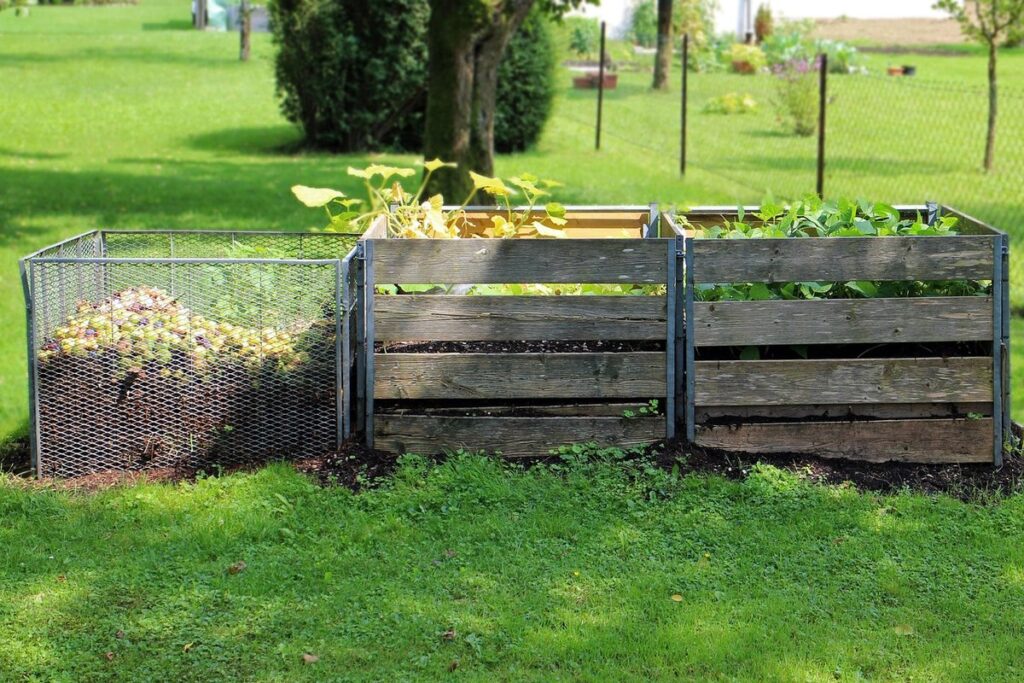
To get started with composting in your greenhouse, begin by setting up a designated composting area or bin. Add a mix of “green” materials (e.g., food scraps, grass clippings) and “brown” materials (e.g., leaves, shredded paper), and maintain a balance of moisture to accelerate decomposition. Regularly turn the pile to ensure even aeration and speed up the process. With these simple steps, you’ll be on your way to harnessing the power of composting in your greenhouse.
Common Challenges with Composting in Greenhouses
Composing compost in a greenhouse can be a challenging task due to various factors. One of the primary concerns is space constraints. Greenhouses are designed to maximize growing space for plants, not storage for organic matter. This limits the amount of waste that can be composted on-site. To overcome this challenge, consider using vertical composting systems or compact bins that make efficient use of limited space.
Temperature fluctuations in greenhouses can also hinder the composting process. Most pathogens and weed seeds are killed when exposed to high temperatures (around 131°F/55°C). However, if the temperature drops below 50°F (10°C), these organisms can survive and contaminate the compost. To manage this issue, ensure adequate ventilation in your greenhouse or invest in a composting system that regulates temperature.
Pest control is another concern when composting in greenhouses. Rodents, insects, and other pests can infest compost piles, contaminating them with their waste and causing odors. Implementing pest control measures, such as covering the compost pile or using rodent-deterrent materials, can help minimize these issues.
Choosing the Right Materials for Your Greenhouse Compost
When selecting materials for your greenhouse compost, it’s essential to consider what will best benefit your plants and the environment. Let’s dive into the ideal choices for a thriving compost.
Carbon-Rich Materials: The Foundation of a Healthy Compost
When selecting carbon-rich materials for your greenhouse compost, it’s essential to strike the right balance between “green” and “brown” elements. Greenhouse composting relies heavily on a mix of readily available materials that are rich in carbon, such as leaves, straw, and shredded newspaper.
Leaves, often collected from fallen trees or yard trimmings, provide an excellent source of carbon-rich material. They’re readily available, easy to shred, and help retain moisture within the compost pile. A general rule of thumb is to include 2-3 parts brown materials (like leaves) for every one part green materials (such as food scraps).
Straw is another valuable resource, often sourced from farm or agricultural waste. Its high carbon content helps balance out the nitrogen levels in your compost, preventing odors and maintaining a healthy environment.
To make the most of shredded newspaper, aim to include it in moderation – about 10% of your overall mix. This will help prevent matting and ensure air can circulate throughout the pile.
Nitrogen-Rich Materials: Balancing the Compost Equation
When it comes to creating an effective compost for your greenhouse, balancing nitrogen levels is crucial. Nitrogen is essential for plant growth, but too much of it can lead to an overabundance of ammonia, which can harm your plants. Conversely, if you have too little nitrogen in the mix, your plants may not receive the nutrients they need.
Incorporating nitrogen-rich materials into your compost pile is a great way to strike this balance. Manure from herbivores like horses or cows is an excellent source of nitrogen and should be added in moderation (about 10-20% of the total material). Another option is blood meal, which contains about 12% nitrogen by weight. Fish emulsion is also rich in nitrogen and phosphorus, but use it sparingly due to its strong smell.
When using these materials, remember that their high nitrogen content can cause temperatures in the compost pile to spike. Monitor your pile’s temperature regularly and turn it as needed to maintain a safe balance between nitrogen-rich materials and other carbon-heavy ingredients like leaves or straw. By incorporating these nitrogen-rich materials into your compost recipe, you’ll be able to create a nutrient-dense blend that will fuel your greenhouse plants’ growth and thrive.
Setting Up an Effective Greenhouse Composting System
To get started on your greenhouse composting journey, let’s dive into setting up a system that effectively turns waste into nutrient-rich gold for your plants. We’ll cover the essential components and considerations.
Design Considerations for Your Composting Setup
When designing a composting system for your greenhouse, it’s essential to consider the specific needs of your space. First and foremost, think about the available space you have allocated for composting. A general rule of thumb is to provide at least 1 square foot of space per 10 gallons of finished compost. This will help ensure that your compost piles don’t become too large or overwhelming.
Another crucial consideration is airflow within your composting setup. Compost needs oxygen to break down efficiently, so you’ll want to include a way for air to circulate through the pile. This can be achieved with aeration tubes, open-bottomed bins, or even simply turning the pile regularly. Moisture control is also vital – you want to maintain a balance that’s neither too dry nor too wet.
To strike this balance, aim for a mix of “green” (nitrogen-rich) and “brown” (carbon-rich) materials. Aim for a 2:1 or 3:1 ratio of brown to green, respectively. This will help regulate moisture levels and promote efficient decomposition.
Tips for Maintaining Optimal Compost Temperatures
Maintaining optimal compost temperatures is crucial for the breakdown of organic matter and creation of nutrient-rich soil. The ideal temperature range for composting falls between 130-140°F (54-60°C). To achieve this, ensure your greenhouse composting system allows for adequate airflow and moisture levels.
If temperatures become too high, it can lead to the degradation of microorganisms and reduced compost quality. Monitor your compost pile’s temperature regularly using a thermometer or heat probe. If the temperature exceeds 150°F (65°C), aerate the pile by turning or adding more coarse materials like straw or hay. Conversely, if temperatures drop below 120°F (49°C), add more green materials like food scraps or grass clippings to increase microbial activity.
A well-balanced compost mix can help maintain optimal temperatures. Aim for a mix of 2/3 “brown” materials (dry leaves, straw) and 1/3 “green” materials (food scraps, grass clippings). Regular monitoring and adjustments will ensure your greenhouse composting system operates within the ideal temperature range, producing high-quality compost that benefits your plants.
Monitoring and Maintaining Your Greenhouse Compost
Now that you have your composting system up and running, let’s talk about monitoring its health and performing regular maintenance to keep it thriving. This includes checking moisture levels and adjusting as needed.
Checking pH Levels and Nutrient Balance
Monitoring pH levels and nutrient balance is crucial for maintaining a healthy greenhouse compost. An ideal compost should have a pH between 6.0 and 7.5, as this range allows for optimal microbial activity. To check the pH level, use a pH meter or pH test kit. If your compost’s pH is too high or low, it can lead to nutrient deficiencies or toxicity.
When testing your compost’s nutrient balance, look for a nitrogen-to-phosphorus ratio (N:P) of around 10:1 to 20:1. You can use a soil test kit to determine the N:P ratio and other essential nutrients like potassium, magnesium, and calcium. If your compost is deficient in certain nutrients, you can adjust the input materials or add supplements.
To maintain optimal nutrient balance, it’s also essential to monitor your plants’ growth and development. If you notice stunted growth or yellowing leaves, it may indicate a nutrient deficiency. In this case, adjust your compost recipe accordingly or consider adding organic fertilizers like fish emulsion or bone meal. Regular monitoring of pH levels and nutrient balance ensures your greenhouse compost is providing the necessary nutrients for thriving plants.
Dealing with Odors and Pests: Common Issues to Watch Out For
When it comes to maintaining a healthy greenhouse composting system, dealing with odors and pests is an inevitable challenge. One of the most common odor-causing materials that can disrupt your composting process is food waste, particularly animal products like meat, dairy, and oils. To minimize these unwanted smells, it’s essential to balance your carbon-to-nitrogen ratio by incorporating more “brown” materials, such as dried leaves or straw.
Preventing pest infestations requires some vigilance too. Regularly inspect your compost pile for signs of pests like rodents, flies, or insects. Keep the area around your composting system clean and free from debris, which can attract unwanted critters. Consider using physical barriers or repellents to deter pests without harming beneficial microorganisms.
To prevent pest infestations, you can also implement a “hot” composting method that involves maintaining high temperatures (above 130°F) to kill off pathogens and pests. Monitor your compost’s temperature regularly by inserting a thermometer into the pile. This will help ensure that your composting system is running smoothly and efficiently.
In addition to these strategies, consider incorporating natural pest repellents like essential oils or diatomaceous earth into your composting routine.
Adding Compost to Your Greenhouse Soil
Now that you have a steady supply of compost, let’s talk about how to effectively add it to your greenhouse soil to give your plants the best chance at thriving. We’ll cover the ideal mix and application methods.
How to Integrate Compost into Your Fertilization Strategy
Incorporating compost into your greenhouse’s fertilization plan is an effective way to provide essential nutrients to your plants. To optimize nutrient uptake by your plants, consider the following steps: First, determine the nutrient levels in your compost and soil. This will help you identify any nutrient deficiencies that need to be addressed through additional fertilizer applications.
Use a ratio of 10-20% compost to 80-90% existing soil for optimal results. Compost can be added as an amendment or mixed directly into the potting mix. A general rule of thumb is to add compost at the beginning of each growing season, rather than continuously throughout the year.
For example, if you’re growing a heavy feeder like tomatoes, you may want to supplement with additional fertilizers during the fruiting stage. However, for lower-maintenance plants like herbs and succulents, compost alone can provide sufficient nutrients. Experiment with different ratios of compost to soil to determine what works best for your specific greenhouse setup.
Additionally, consider implementing a regular schedule for monitoring nutrient levels, making adjustments as needed to prevent over-fertilization. By integrating compost into your fertilization strategy, you’ll reduce waste and create a more sustainable growing environment for your plants.
Case Studies: Success Stories from Other Greenhouse Owners
One of the most compelling reasons to implement composting in your greenhouse is seeing it work for other growers just like you. Let’s take a look at some real-life success stories from various greenhouses.
Greenhouse Growers, Inc. in California has been successfully using a worm composting system to turn food waste into nutrient-rich fertilizer for their plants. They’ve seen a 30% increase in crop yields and a significant reduction in water usage since implementing the system. This is largely due to the improved soil structure and increased microbial activity that comes with regular compost additions.
Another example is the rooftop greenhouse at the University of California, Los Angeles (UCLA). The greenhouse uses a combination of vermicomposting and traditional composting methods to create a sustainable fertilizer program. By reducing their waste output by 75%, they’ve also reduced their overall operating costs.
These success stories demonstrate that with a little creativity and planning, composting can be an effective solution for greenhouses looking to reduce waste and improve soil health.
Conclusion: Taking Your Greenhouse Composting to the Next Level
Now that you’ve mastered the basics of greenhouse composting, it’s time to take your skills to the next level by implementing advanced strategies and fine-tuning your techniques.
Lessons Learned and Future Directions
As we conclude our journey into the world of greenhouse composting, it’s essential to reflect on the key takeaways from this comprehensive guide. By implementing these principles and best practices, you’ll be well on your way to reducing waste and growing thriving plants in your greenhouse.
One of the most critical lessons learned is the importance of creating a balanced compost pile. This involves maintaining an optimal C:N ratio, ensuring adequate moisture levels, and providing sufficient oxygen for decomposition. To achieve this balance, aim for a mix of 2/3 “brown” materials (dried leaves, straw, or shredded newspaper) and 1/3 “green” materials (food scraps, grass clippings, or manure). Regularly monitoring pH levels and temperature will also help you fine-tune your composting process.
Another crucial aspect is selecting the right microorganisms for your greenhouse. Research has shown that certain beneficial bacteria and fungi can significantly enhance compost quality and plant growth. Look into incorporating products like effective microorganisms (EM) or mycorrhizal fungi to boost your compost’s nutrient content and soil structure.
Moving forward, consider exploring innovative approaches to greenhouse composting. This might include implementing vermicomposting systems for small-scale waste management or experimenting with new materials like coffee grounds or tea bags as carbon-rich additives. Remember to continuously monitor and evaluate your composting practices, making adjustments as needed to optimize results.
In conclusion, remember that greenhouse composting is a dynamic process requiring patience, persistence, and continuous improvement. By embracing these lessons learned and staying committed to optimizing your techniques, you’ll be well on your way to creating a thriving, waste-reducing ecosystem within your greenhouse.
Frequently Asked Questions
What’s the ideal carbon-to-nitrogen ratio for my greenhouse compost?
The ideal C:N ratio is between 20:1 and 30:1, but this can vary depending on factors like temperature, moisture, and the type of materials being composted. It’s essential to monitor your compost’s progress and adjust the ratio as needed.
How do I prevent pests from contaminating my compost?
Regularly inspect your compost pile for signs of pests like fruit flies, rodents, or ants. Keep the area around the compost bin clean, and consider using physical barriers like chicken wire or fine mesh to keep pests out.
Can I use kitchen scraps with high water content in my greenhouse compost?
Yes, but be aware that these materials can create anaerobic conditions if not balanced properly. Mix high-water-content materials like fruit and vegetable scraps with dry materials like leaves or straw to maintain a balance between carbon-rich and nitrogen-rich materials.
What’s the best way to monitor pH levels and nutrient balance in my greenhouse compost?
Regularly test your compost for pH and nutrient levels using readily available kits or sending samples to a laboratory. Adjust your composting strategy based on these results, ensuring optimal conditions for beneficial microorganisms.
How can I incorporate compost into my existing fertilization strategy?
Start by adding 10-20% of mature compost to your soil amendments or fertilizers. Gradually increase the proportion as you monitor the effects on plant growth and soil health. Consider integrating compost tea or liquid fish emulsion for added benefits.