
Are you ready to take your gardening game to the next level? Greenhouse raised beds are the secret ingredient that can help you maximize plant growth, increase yield, and enjoy year-round harvesting. But before you start building your dream greenhouse garden, it’s essential to understand the benefits of using raised beds in a controlled environment.
In this comprehensive guide, we’ll explore the advantages of greenhouse raised beds, from improved soil quality and optimized temperature control to increased pest resistance and better crop selection. We’ll also delve into design considerations, including layout, size, and material options. Plus, get expert tips on maintenance and care to ensure your plants thrive in their new environment. Whether you’re a seasoned gardener or just starting out, this article will provide you with everything you need to create the ultimate greenhouse raised bed for optimal plant growth and maximum yield.
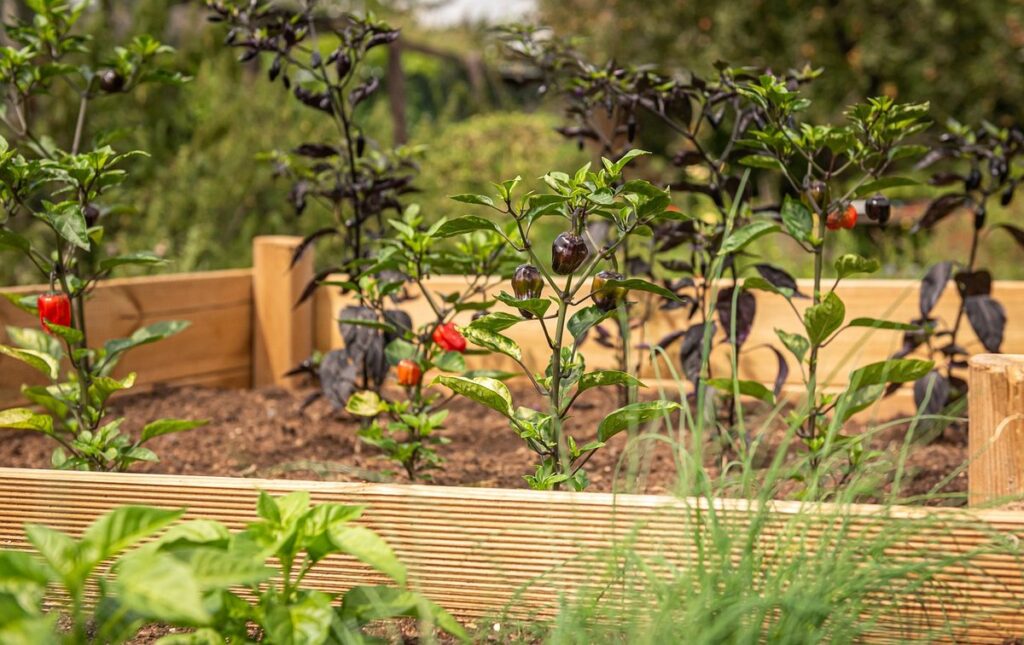
Understanding Greenhouse Raised Beds
Let’s dive into the specifics of greenhouse raised beds, and explore what makes them so beneficial for your garden. In this next part, we’ll break down the key concepts to get you started.
What are Greenhouse Raised Beds?
Greenhouse raised beds are specially designed growing spaces that combine the benefits of hydroponics and container gardening within a controlled environment. Essentially, they’re elevated platforms made from materials like wood, metal, or recycled plastic, enclosed within a greenhouse to provide optimal conditions for plant growth.
These systems offer superior growing conditions due to precise temperature control, ample light, and regulated humidity levels. By creating an ideal microclimate, growers can significantly increase crop yields while reducing water consumption and minimizing pests and diseases.
Greenhouse raised beds also allow for better soil aeration and root development, as the elevated platforms enable roots to grow freely without waterlogging. This design feature enhances nutrient uptake and promotes healthy root growth, ultimately resulting in stronger and more resilient plants. By utilizing greenhouse raised beds, growers can create customized environments tailored to specific plant needs, maximizing their potential for optimal growth and productivity.
Advantages of Using Greenhouse Raised Beds
Using greenhouse raised beds offers numerous advantages that can revolutionize your gardening experience. One of the most significant benefits is improved soil quality. By elevating your plants off the ground, you’re reducing soil compaction and allowing for better drainage, aeration, and root growth. This leads to healthier plants with stronger immune systems.
Another advantage of greenhouse raised beds is increased crop yields. With controlled environments and optimal growing conditions, you can expect up to 20% more produce from your greenhouse compared to traditional outdoor gardens. For example, a study by the University of California found that tomato yields were significantly higher in raised bed gardens compared to traditional soil-based gardens.
Greenhouse raised beds also boast reduced water consumption. By using a contained system, you can monitor and control watering levels precisely, eliminating wastage and runoff. This not only saves you money but also reduces your environmental footprint. Consider incorporating rainwater harvesting systems or drip irrigation to take advantage of these benefits and create a more efficient gardening setup.
By implementing greenhouse raised beds in your garden, you’ll enjoy improved soil quality, increased crop yields, and reduced water consumption – all of which can lead to a more productive and sustainable gardening experience.
Choosing the Right Location and Design
When deciding on a greenhouse raised bed, careful consideration of location and design is crucial to ensuring optimal growth and minimal maintenance for your plants. This section will walk you through key factors to consider.
Factors to Consider When Selecting a Location
When selecting a location for your greenhouse raised bed, there are several key factors to consider. First and foremost, sunlight is essential for plant growth, so choose a spot that receives direct sunlight for at least 6 hours a day. Be mindful of the direction of the sun during different seasons, as this will affect the amount of sunlight your plants receive.
Wind direction is also crucial, as strong winds can damage or even destroy your greenhouse raised bed. Consider the prevailing wind direction in your area and orient your structure accordingly. Ideally, place it on a spot that provides some natural protection from harsh winds.
Finally, accessibility is another vital consideration. Make sure your greenhouse raised bed is located near a water source and has easy access for maintenance and harvesting. Avoid areas with standing water or where water may collect, as this can lead to root rot and other problems. By considering these factors, you’ll be able to create an optimal environment for your plants to thrive.
Types of Greenhouse Raised Bed Designs
When it comes to designing your greenhouse raised bed, you have several options to choose from. Each type of design has its own advantages and can be tailored to suit your specific needs and space constraints.
Freestanding raised beds are a popular choice for greenhouses as they provide excellent drainage and allow for easy access to all sides. They come in various shapes and sizes, making them suitable for small or large areas. For instance, you could choose a rectangular bed that fits neatly into a corner of your greenhouse or opt for a circular bed that adds a decorative touch.
Attached raised beds are another option where the bed is integrated into the greenhouse structure itself. This design not only saves space but also creates a seamless look. Modular raised beds are made up of interlocking components, allowing you to configure them in any shape or size needed. They’re ideal for small spaces and can be easily rearranged as your needs change.
It’s essential to consider factors such as your greenhouse size, available space, and growing goals when choosing the type of raised bed design that best suits you.
Materials and Construction
When building your greenhouse raised beds, it’s essential to choose durable materials that can withstand various weather conditions. We’ll explore the best options for construction in this section.
Choosing the Right Materials
When it comes to building a greenhouse raised bed, choosing the right materials is crucial for its longevity and effectiveness. Durable and weather-resistant materials will not only withstand the elements but also ensure your plants receive the optimal conditions they need to thrive.
Wood is a popular choice for greenhouse raised beds due to its natural insulation properties and availability. However, it requires regular maintenance to prevent rot and pests. Metal and plastic are more durable options, but can be expensive and may affect the aesthetic of your garden. When selecting materials, consider factors such as drainage, sunlight exposure, and moisture levels.
For example, if you live in an area with high rainfall or extreme temperatures, metal or plastic may be a better choice due to their water-resistance and ability to withstand harsh weather conditions. Conversely, if you prefer a more natural look and are willing to perform regular maintenance, wood could be the way to go. Ultimately, choose materials that align with your gardening style and climate to ensure a thriving greenhouse raised bed.
Building Your Greenhouse Raised Bed Frame
Building a sturdy greenhouse raised bed frame is crucial for supporting the weight of soil, plants, and potentially heavy irrigation systems. To get started, gather the necessary materials: 2″ x 6″ lumber for the frame’s corners and sides, 1″ x 4″ lumber for the bottom support slats, screws or nails for assembly, weather-resistant wood glue, and a drill with screwdriver bits.
Begin by assembling the corner posts using 2″ x 6″ lumber. Cut four pieces to the desired height of your raised bed frame (typically 3-4 feet). Use weather-resistant wood glue and screws to attach the side frames to the corners. Make sure the corners are square and the sides are level. Next, attach the bottom support slats using 1″ x 4″ lumber, spaced evenly apart to provide stability and prevent soil collapse.
As you build your raised bed frame, consider factors like drainage, irrigation accessibility, and ease of maintenance. For example, incorporate a slight slope (about 1-2%) to promote water runoff and prevent waterlogged soil. Also, plan for easy access to the irrigation system by installing a removable panel or a built-in watering hose guide.
Planting and Maintenance
Now that you have your greenhouse raised bed set up, let’s dive into the essentials of planting and maintaining a thriving garden within its walls. We’ll cover everything from soil prep to pruning techniques.
Selecting the Right Plants for Your Greenhouse Raised Bed
When selecting plants for your greenhouse raised bed, it’s essential to consider their specific requirements for temperature tolerance and humidity levels. Most plants can thrive in a controlled environment like a greenhouse, but some are more suited to the conditions than others.
Begin by choosing plants that have similar temperature preferences to those of your greenhouse. For example, if you live in an area with mild winters, look for plants like tomatoes, peppers, or eggplants that prefer daytime temperatures between 65-75°F (18-24°C) and nighttime temperatures around 55-65°F (13-18°C). Conversely, if you’re located in a region with harsh winters, opt for hardy plants like kale, spinach, or lettuce that can tolerate cooler temperatures.
Additionally, consider the humidity levels your greenhouse maintains. Plants from tropical regions typically require higher humidity to thrive, so choose plants like ferns, peace lilies, or bromeliads that can adapt to these conditions. Make sure to research each plant’s specific requirements and choose varieties that are disease-resistant and well-suited for container gardening.
Remember to also consider the mature size of your plants and leave enough space between them for proper growth. A general rule of thumb is to provide at least 12-18 inches (30-45 cm) of space between plants, depending on their spread and growth habits.
Tips for Optimal Watering and Fertilization
When it comes to ensuring optimal growth and health of your plants in a greenhouse raised bed, proper watering and fertilization are crucial. Overwatering can lead to root rot and other issues, while underwatering can cause stunted growth and nutrient deficiencies.
To get it right, monitor the soil moisture by inserting your finger into the soil up to the first knuckle. If the soil feels dry, it’s time to water. For raised beds in a greenhouse, water at the base of the plants rather than from above to prevent fungal diseases that thrive in moist conditions.
Fertilization is also vital for healthy plant growth. Use a balanced fertilizer (10-10-10 NPK) and follow the recommended application rates. Consider using organic fertilizers like compost or worm castings for a slow release of nutrients. Be cautious not to overfertilize, as this can burn your plants’ roots.
It’s also essential to consider the specific nutrient needs of different plant species. For example, fruiting plants like tomatoes and peppers require more potassium than flowering plants. Research the specific requirements of each plant variety you’re growing in your greenhouse raised bed.
Monitoring and Controlling the Environment
To ensure optimal growing conditions, you’ll need to monitor temperature, humidity, and light levels within your greenhouse raised beds. Regular checks will also help prevent pests and diseases from taking hold.
Temperature Control and Heating Options
Maintaining a consistent temperature in your greenhouse raised bed is crucial for optimal plant growth and health. A fluctuating temperature can lead to stress, reduced yields, and even plant death. This is particularly true during the winter months when temperatures outside are typically at their lowest.
When it comes to heating options, electric heaters are a popular choice due to their ease of installation and precise temperature control. However, they can be expensive to run, especially in larger greenhouses. Another option is hot water pipes, which circulate warm water through the greenhouse to maintain a stable temperature. These systems can be more cost-effective but require a significant upfront investment.
When selecting a heating system, consider factors such as the size of your greenhouse, the climate you live in, and the types of plants you’re growing. Be sure to also choose a system that’s energy-efficient and easy to maintain. With proper planning and installation, a reliable heating system can help ensure a successful harvest year-round.
Humidity Management and Ventilation Strategies
Maintaining optimal humidity levels is crucial for healthy plant growth. In a greenhouse raised bed environment, it’s essential to strike a balance between humid and dry conditions. If the air is too humid, fungal diseases can spread rapidly, while extremely dry conditions can cause water loss through transpiration. To manage humidity levels effectively:
* Monitor temperature and humidity readings regularly using sensors or hygrometers.
* Implement irrigation systems that allow for precise watering schedules to prevent overwatering, which contributes to high humidity.
* Encourage air circulation by installing fans or vents to circulate the air and remove excess moisture.
* Consider incorporating plants with varying water requirements to create a balanced microclimate within your greenhouse raised bed.
Adequate ventilation is also vital. Ensure that your greenhouse has sufficient intake and exhaust vents to maintain airflow. Regularly inspect your system for blockages and ensure proper function. By balancing humidity management and ventilation, you’ll create an environment conducive to healthy plant growth and prevent costly issues down the line.
Troubleshooting Common Issues
Even with proper planning, unexpected issues can arise in your greenhouse raised bed. This section will walk you through common problems and their solutions to get you back on track.
Identifying and Addressing Pests and Diseases
Greenhouses provide an ideal environment for pests and diseases to thrive, making regular monitoring crucial to maintaining healthy raised beds. Recognize common culprits such as aphids, whiteflies, spider mites, and scale insects, which can spread disease through contact or vectoring. Diseases like powdery mildew, root rot, and leaf spot are also prevalent.
To prevent infestations:
* Implement Integrated Pest Management (IPM) strategies by introducing beneficial insects, practicing good hygiene, and using physical barriers.
* Monitor your plants regularly for signs of stress or damage, such as yellowing leaves or black spots.
* Ensure proper air circulation within the greenhouse to reduce moisture accumulation, a breeding ground for pests.
When treating infestations:
* Use targeted pesticides with caution, considering potential harm to beneficial insects and the environment.
* Practice organic alternatives like neem oil, insecticidal soap, or horticultural oil when available.
* Remove infected plants to prevent further spread and maintain a clean greenhouse environment.
Dealing with Temperature Fluctuations and Humidity Imbalances
Temperature fluctuations and humidity imbalances can be challenging to manage in greenhouse raised beds. One common issue is condensation buildup on the roof or walls of the greenhouse, which can lead to water pooling and potentially damage plants. To combat this, install a ventilation system that allows for airflow circulation within the greenhouse.
Another approach is to use shading materials such as shade cloth or louvers to reduce direct sunlight and prevent overheating during peak sun hours. Additionally, ensure adequate spacing between plants to promote air circulation and prevent moisture accumulation.
Monitor temperature and humidity levels regularly using thermometers and hygrometers. Aim for a balance of 60-80°F (15-27°C) temperature and 40-60% relative humidity. Regularly inspect the greenhouse structure for any signs of water damage or leaks, which can exacerbate temperature fluctuations.
In some cases, you may need to adjust your irrigation schedule to account for changes in temperature and humidity levels. Be prepared to adapt and fine-tune your management strategies as the seasons change and weather patterns shift.
Maximizing Your Yield: Tips and Best Practices
Now that you’ve set up your greenhouse raised bed, let’s dive into maximizing its yield with expert tips and best practices to get the most out of your growing space.
Using Companion Planting Strategies
Companion planting is a simple yet effective technique to promote healthy plant growth and reduce pests in your greenhouse raised bed. By strategically pairing plants together, you can create a harmonious ecosystem that benefits from the unique characteristics of each species.
For example, basil repels aphids and other pests that target tomatoes, while marigolds deter nematodes that can harm carrots. Nasturtiums, on the other hand, attract beneficial insects like lacewings and hoverflies, which prey on common greenhouse pests like whiteflies and aphids. By combining these plants in a raised bed, you can create a balanced environment that minimizes the need for pesticides.
Some popular companion planting combinations include:
• Tomatoes with basil and marigolds
• Carrots with radishes and nasturtiums
• Cucumbers with dill and mint
Remember to research specific pairing recommendations based on your greenhouse climate, soil type, and plant varieties. With a little planning, you can create a thriving ecosystem that maximizes yields while reducing pests and maintenance.
Implementing Integrated Pest Management (IPM) Techniques
Implementing Integrated Pest Management (IPM) techniques is a crucial aspect of maintaining a healthy and balanced ecosystem within your greenhouse raised beds. By adopting an IPM approach, you can significantly minimize chemical usage, reduce the risk of pests and diseases, and promote long-term soil fertility.
To begin with, it’s essential to monitor your plants regularly for any signs of stress or infestation. This involves observing their physical condition, checking for any unusual growth patterns, and monitoring pest populations. Once you’ve identified an issue, you can implement targeted control measures that address the root cause rather than just treating symptoms.
Some practical IPM strategies include crop rotation, biological control using beneficial insects, and practicing good sanitation. For example, removing weeds and debris can help prevent pests from spreading, while introducing natural predators like ladybugs or lacewings can help regulate pest populations. By integrating these techniques into your greenhouse management routine, you’ll be well on your way to creating a balanced ecosystem that promotes healthy plant growth without relying heavily on chemicals.
Frequently Asked Questions
What are some key factors to consider when choosing the right location for my greenhouse raised bed?
When selecting a location, consider factors like sunlight exposure, wind direction, and proximity to water sources. Ensure that your greenhouse is shielded from harsh winds and direct sunlight during peak hours. Also, think about accessibility and ease of maintenance. Ideally, choose a spot with good drainage to prevent waterlogged soil.
How can I maintain optimal temperature control in my greenhouse raised bed?
Temperature control is crucial for optimal plant growth. To regulate temperatures, consider investing in thermostatically controlled heaters or fans. You can also use shading materials like shade cloth or louvers to filter direct sunlight during hot periods. Monitor your plants’ specific temperature requirements and adjust your control measures accordingly.
Can I grow any type of plant in a greenhouse raised bed?
While greenhouses provide an optimal environment, not all plants thrive in the same conditions. Research your plants’ specific needs regarding humidity, light intensity, and temperature tolerance. Some plants may require specialized care or additional equipment, like trellises for climbing vines.
How do I ensure proper ventilation in my greenhouse raised bed during hot weather?
Proper ventilation is crucial to prevent overheating and maintain a healthy environment. Install automatic vents or operable windows that open and close with the temperature changes. You can also use solar-powered fans to circulate air and reduce heat buildup. Monitor your greenhouse’s internal temperature and adjust your ventilation strategy accordingly.
What are some common pests and diseases I should be aware of when growing in a greenhouse raised bed?
Greenhouse environments can be more susceptible to pests and diseases due to high humidity levels. Be on the lookout for common issues like aphids, whiteflies, and spider mites. Regularly inspect your plants, and implement integrated pest management techniques, such as introducing beneficial insects or using organic pesticides when necessary.