
Growing your own greenhouse peppers can be a game-changer for any home gardener. Not only do they add a burst of color and flavor to your meals, but with proper care, you can enjoy a bountiful harvest all season long. However, cultivating pepper plants in a controlled environment requires careful attention to detail – from maintaining the perfect climate control to monitoring for pests that can devastate your crop.
In this comprehensive guide, we’ll walk you through the essential steps of growing greenhouse peppers, covering topics such as soil preparation, pest management, and more. By following our expert advice, you’ll be able to coax even the most reluctant pepper plants into producing an abundance of delicious fruit. Whether you’re a seasoned green thumb or just starting out, this ultimate guide has everything you need to know for a thriving greenhouse pepper harvest.
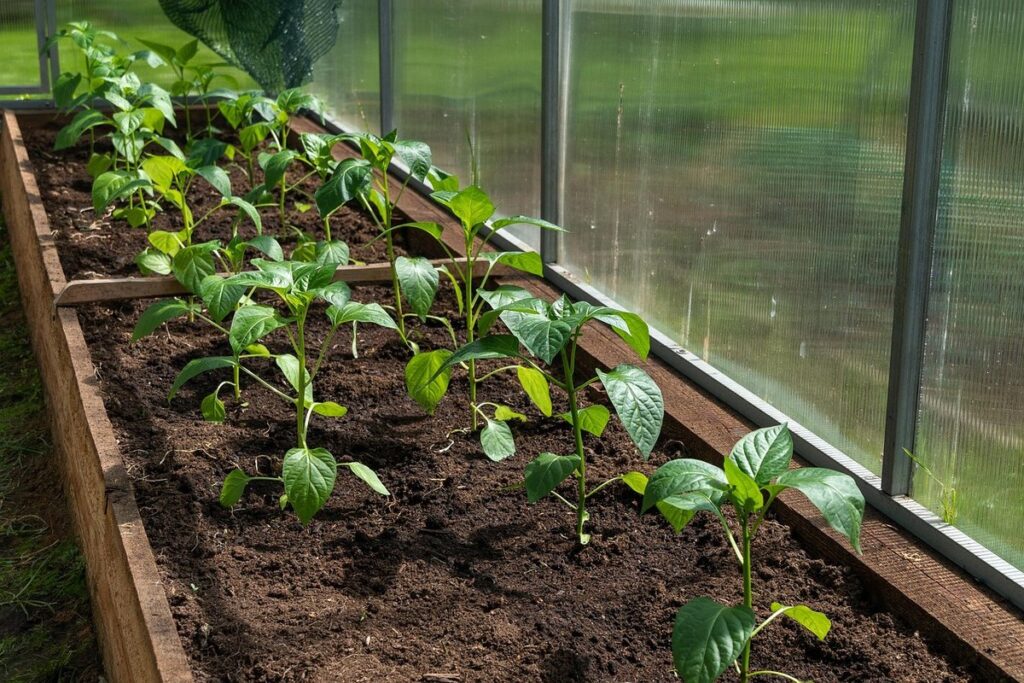
Benefits of Growing Greenhouse Peppers
Growing greenhouse peppers can be incredibly rewarding, and now that you’ve learned how to grow them, it’s time to explore the benefits of nurturing these delicious vegetables. From increased crop yields to improved flavor, we’re excited to share the advantages with you.
Introduction to Greenhouse Growing
Growing peppers in a greenhouse offers numerous advantages that make it an ideal choice for pepper enthusiasts. One of the primary benefits is year-round production. With a greenhouse, you can grow peppers throughout the year, regardless of the external weather conditions. This means you can enjoy a continuous supply of fresh peppers, even during harsh winters or hot summers.
Climate control is another significant advantage of growing peppers in a greenhouse. You can regulate the temperature, humidity, and light levels to create an optimal environment for pepper growth. For instance, during the hot summer months, you can provide shade for your plants to prevent scorching, while also maintaining a consistent level of moisture. This precise control enables you to grow a wide range of pepper varieties that might not thrive in outdoor conditions.
By leveraging these advantages, greenhouse growing allows you to produce high-quality peppers with minimal environmental stress and maximum yield.
Optimizing Greenhouse Conditions for Pepper Growth
To optimize greenhouse conditions for pepper growth, you’ll want to focus on creating an environment that mimics their natural habitat. Peppers thrive in temperatures between 65-75°F (18-24°C), with ideal daytime temperatures around 70-72°F (21-22°C). Aim to maintain a consistent temperature, as fluctuations can stress the plants and lead to reduced yields.
Maintaining optimal humidity levels is also crucial for pepper growth. The ideal relative humidity for peppers ranges from 40-60%, but it’s essential to monitor levels carefully to prevent fungal diseases that thrive in humid environments. To achieve this balance, you can use a dehumidifier or misting system in conjunction with proper ventilation.
Light levels are another critical factor to consider. While peppers require plenty of direct sunlight, excessive light can cause leaf scorch and reduced fruit production. Provide your pepper plants with 4-6 hours of direct sunlight per day, and supplement with LED grow lights if necessary. By balancing temperature, humidity, and light, you’ll create an optimal environment for your pepper plants to thrive in the greenhouse.
Choosing the Right Pepper Variety for Your Greenhouse
When it comes to growing peppers in your greenhouse, selecting the right variety is crucial – some are better suited to the climate and conditions of a glass house than others. Let’s explore what factors to consider when making this important decision.
Popular Greenhouse Pepper Varieties
When it comes to choosing the right pepper variety for your greenhouse, you’ll want to consider several factors including disease resistance, growth habits, and flavor profiles. Here are some popular varieties of greenhouse peppers that fit the bill:
Bell Boy is a sweet bell pepper variety that’s perfect for slicing and stuffing. It produces large, blocky fruits with thick walls and is resistant to tobacco mosaic virus (TMV). Another popular variety is California Wonder, which has a slightly sweeter flavor and larger fruit size than Bell Boy.
For those looking for some heat in their greenhouse peppers, try the Cayenne or Jalapeño varieties. These hot peppers are great for adding spice to dishes and can be used fresh or dried. You might also consider growing the Thai Chili, which is known for its intense heat and sweet flavor.
When selecting a pepper variety for your greenhouse, keep an eye out for plants with compact growth habits that won’t take up too much space. Look for disease-resistant varieties like Bell Boy and California Wonder to reduce maintenance needs.
Factors to Consider When Selecting a Pepper Variety
When selecting a pepper variety for your greenhouse, there are several factors to consider beyond just its appearance. One crucial aspect is disease resistance. Some pepper varieties are more susceptible to diseases like powdery mildew and fungal infections, which can spread quickly in a greenhouse environment. Look for varieties that have built-in resistance or are bred specifically to be more resilient.
Another key consideration is maturation time. If you’re growing peppers for a specific market or event, you’ll want to choose a variety that matures quickly, typically within 60-90 days. On the other hand, if you’re growing for local consumption and have a longer season, you can opt for varieties that take up to 120 days to mature.
Lastly, flavor is also an essential factor to consider. Some pepper varieties are bred specifically for their sweet or hot flavors, while others may have a more complex taste profile. Think about the flavor preferences of your target market or personal taste buds when making your selection.
Preparing the Soil and Climate for Greenhouse Peppers
Before you can grow delicious greenhouse peppers, it’s essential to prepare your soil and climate to give them the best possible start in life. This section will walk you through that crucial process step by step.
Creating an Ideal Soil Environment
When creating an ideal soil environment for your greenhouse peppers, it’s essential to focus on two critical aspects: drainage and fertility. Peppers are sensitive to waterlogged soils, which can lead to root rot and other diseases. To address this, add organic matter like compost or well-rotted manure to improve the soil‘s structure and increase its water-holding capacity. This will also provide a boost of nutrients that peppers love.
Maintaining an optimal pH level is equally crucial. Most pepper varieties prefer a slightly acidic to neutral soil pH between 6.0 and 7.0. If your soil test reveals a higher or lower pH, you can adjust it using lime (to raise the pH) or sulfur or peat moss (to lower it).
In terms of nutrient management, peppers are heavy feeders and require a balanced diet of nitrogen, phosphorus, and potassium throughout their growth cycle. Consider using a slow-release fertilizer during planting, followed by regular applications of water-soluble fertilizers as needed. This will promote healthy plant development and fruit production. By getting your soil environment just right, you’ll be well on your way to growing robust, disease-resistant peppers in your greenhouse.
Controlling Pests and Diseases in Your Greenhouse
Controlling pests and diseases is crucial in maintaining the health and productivity of your greenhouse pepper crop. Common issues include spider mites, mealybugs, aphids, powdery mildew, and bacterial leaf spot. Integrated pest management (IPM) techniques can help prevent these problems.
To prevent pest infestations, ensure good air circulation within the greenhouse by maintaining adequate spacing between plants. Regularly inspect your crop for signs of pests or diseases, and take action promptly if you notice any issues. For example, introduce beneficial insects like ladybugs or lacewings to control aphid populations naturally.
For chemical controls, use targeted pesticides that minimize harm to beneficial insects and the environment. Always read labels carefully and follow application instructions. In addition to pest management, practice good sanitation by removing weeds, pruning infected plants, and disinfecting tools regularly. By combining these methods, you can effectively manage pests and diseases in your greenhouse and ensure a healthy crop of peppers.
Planting and Transplanting Greenhouse Peppers
When it comes to growing greenhouse peppers, proper planting and transplanting techniques are crucial for their success. Let’s dive into the specifics of getting your pepper plants off to a healthy start.
Starting Seeds Indoors or Outdoors
When it comes to starting seeds for greenhouse peppers, you have two main options: indoors or outdoors. Both methods have their benefits and challenges, which we’ll explore below.
Starting seeds indoors allows for more control over the environment, including soil temperature, light exposure, and sowing depth. This is especially important when growing sensitive varieties of peppers that require specific conditions to germinate. You can place seed trays on a heated mat or in a warm location to maintain optimal temperatures between 70-80°F (21-27°C). Additionally, you can provide supplemental lighting using grow lights to ensure adequate light exposure.
On the other hand, starting seeds outdoors takes advantage of natural sunlight and soil conditions. However, this method is more susceptible to weather fluctuations and pests. When sowing seeds directly into the garden, make sure the soil temperature has reached at least 60°F (15°C) for optimal germination. Sow seeds about ¼ inch deep and maintain consistent moisture levels.
Ultimately, the choice between starting seeds indoors or outdoors depends on your specific situation and climate. If you have a controlled environment or limited outdoor space, indoor seeding may be the way to go.
Transplanting Seedlings to Larger Containers or Greenhouse Beds
When transplanting seedlings from smaller pots into larger containers or greenhouse beds, it’s essential to minimize shock and promote healthy root development. To achieve this, start by hardening off the seedlings 1-2 weeks before transplanting them. This process involves gradually exposing them to outdoor conditions, such as direct sunlight, wind, and cooler temperatures.
To further reduce transplant shock, avoid handling the roots excessively during transplantation. Gently remove the seedling from its pot, taking care not to disturb the root ball. If necessary, trim any damaged or circling roots to encourage new growth.
Once transplanted, water thoroughly to settle the soil and provide enough moisture for establishment. Mulching around the plants can also help retain moisture, suppress weeds, and regulate soil temperature.
Keep in mind that transplanting seedlings too far apart can lead to competition for resources and reduced yields. Plant them at the same depth as they were previously growing, and space them 12-18 inches apart to allow for proper air circulation and growth.
Monitoring and Maintaining Healthy Greenhouse Peppers
To ensure a bountiful harvest, it’s crucial to monitor your greenhouse peppers regularly for signs of stress or disease. Regular checks will also help you address any issues before they affect the entire crop.
Monitoring Temperature and Humidity Levels
Monitoring temperature and humidity levels is crucial for healthy greenhouse pepper production. Greenhouse peppers thrive within a specific range of temperatures (60-75°F during the day and 55-65°F at night) and relative humidity levels (40-60%). To ensure optimal conditions, consider investing in high-quality sensors that can monitor temperature and humidity levels accurately.
These sensors can be connected to your greenhouse’s climate control system or mobile app, allowing you to receive alerts when conditions deviate from the ideal range. For instance, if the temperature suddenly drops or rises, you’ll be notified, enabling you to take corrective action promptly. Some popular options include hygrometers, thermocouples, and wireless sensors that can transmit data remotely.
Regularly check your sensors’ accuracy by comparing their readings with a separate thermometer or hygrometer. Additionally, ensure proper sensor placement within the greenhouse to capture accurate temperature and humidity levels. By using these tools effectively, you’ll be able to fine-tune your climate control system and create an optimal environment for your pepper plants to thrive. This can lead to increased yields, better quality, and reduced stress on your crops.
Providing Adequate Light and Water for Pepper Plants
Providing adequate light and water is crucial for pepper plants to thrive in your greenhouse. Light intensity is one of the most critical factors affecting pepper plant growth. To measure light intensity, you can use a lux meter or a light meter app on your smartphone. Aim for at least 40-50 micromoles per second (μmol/s) for optimal growth.
When it comes to watering, overwatering is a common mistake that can lead to root rot and other problems. Check the soil moisture by sticking your finger into the soil up to the first knuckle. If the soil feels dry, it’s time to water. Water your pepper plants when the top 1-2 inches of soil are dry to prevent overwatering.
A good rule of thumb is to water your pepper plants when the temperature drops below 65°F (18°C) or during periods of low light intensity. Monitor your plants’ responses to watering schedules and adjust as needed. For example, if you notice that the leaves start to droop after a few days without rain, it may be time to increase the frequency of watering.
Keep in mind that pepper plants require more water when they’re producing fruit. Make sure to provide enough moisture to support the plant’s needs during this stage. By striking a balance between light and water, you’ll set your pepper plants up for success and enjoy a bountiful harvest.
Harvesting and Storing Greenhouse Peppers
Now that your peppers are ripe, it’s time to learn how to harvest them without damaging the plant. This section will walk you through the best practices for picking and storing your greenhouse peppers.
Determining Maturity and Timing of Harvest
Determining when greenhouse peppers are ripe can be a bit tricky, but with some guidance, you’ll become a pro at timing their harvest. One of the most common methods is to check for color changes. Greenhouse peppers typically transition from green to their final color – whether it’s red, yellow, orange, or purple – as they ripen.
However, not all ripe peppers are the same color. Some varieties remain green even when fully mature, while others may develop a slight yellow tint before turning red. This is why it’s essential to check for texture and flavor in addition to color. Ripe peppers will have a slightly soft skin, but still be firm enough to hold their shape.
Another crucial aspect is the sugar content. As peppers ripen, their natural sugars increase, making them sweeter. To test this, gently snap one of the peppers from the plant; if it comes off easily and tastes sweet, it’s ready for harvest. Remember that some varieties may remain firm even when ripe, so taste-testing is crucial.
Timing your harvest correctly will ensure you pick peppers at their peak flavor and texture.
Storing and Preserving Freshly Harvested Peppers
Once you’ve harvested those perfectly ripe peppers from your greenhouse, it’s essential to store them properly to maintain their flavor and nutritional value. The methods for storing and preserving freshly harvested peppers are numerous, allowing you to enjoy the fruits of your labor throughout the year.
One of the most popular methods is freezing. To freeze peppers, simply chop or slice them, blanch in boiling water for 2-3 minutes to inactivate enzymes, then submerge them in an airtight container or freezer bag filled with a brine solution (1 tablespoon salt per cup of water). Frozen peppers are perfect for adding to stir-fries, stews, and sauces.
Canning is another excellent way to preserve peppers. Before canning, peppers should be packed into clean, sterilized jars, leaving about 1/4 inch headspace. The jar must then be sealed with a tight lid, processed in a boiling water bath for 10-15 minutes, or using a pressure canner.
Drying is also an effective method for preserving peppers. Slice them thinly and lay out on a baking sheet lined with parchment paper in a single layer. Dehydrate at 135°F (57°C) until crisp, usually within 6-8 hours. Dried peppers are ideal for grinding into spices or adding to soups.
By employing these techniques, you can enjoy the delicious flavors of your greenhouse-grown peppers year-round.
Frequently Asked Questions
Can I grow multiple pepper varieties together in the same greenhouse?
Yes, you can grow multiple pepper varieties together in the same greenhouse. However, consider their specific growing requirements and ensure there’s enough space for each variety to thrive. For example, some peppers require more sunlight or have different soil pH needs.
How do I know if my pepper plants are receiving sufficient light?
Check your pepper plants’ growth habit and color. If they’re stretching towards the light or showing yellowing leaves, it may indicate insufficient light. Consider supplementing with grow lights or adjusting the greenhouse layout to provide more direct sunlight.
What’s the best way to control pests in a greenhouse environment?
Regularly inspect your plants for signs of pests, and use integrated pest management (IPM) techniques. This includes using physical barriers, introducing beneficial insects, and applying targeted pesticides when necessary. Also, maintain good air circulation and keep the greenhouse clean to prevent pest buildup.
Can I start growing pepper seeds in a cold climate?
While some pepper varieties can tolerate cooler temperatures, most benefit from warmer conditions. If you’re starting seeds in a cold climate, consider using seed trays with built-in heating or starting them indoors under grow lights before transplanting outside when the weather warms up.
How do I determine when my greenhouse peppers are ripe and ready to harvest?
Check your pepper plants regularly for signs of ripeness, such as color changes (e.g., from green to red) or increased sweetness. Gently check the fruit’s texture by gently squeezing it; ripe peppers should be slightly soft to the touch but still firm enough not to squish easily.