
Growing high-quality greenhouse tomatoes can be a challenging yet rewarding experience for gardeners. With the right techniques, you can produce delicious, disease-resistant fruits that are perfect for any meal. However, many growers struggle with inconsistent yields and susceptibility to diseases. To overcome these challenges, it’s essential to have a solid understanding of climate control, crop diversity, and expert growing techniques.
In this ultimate guide, we’ll walk you through the process of cultivating exceptional greenhouse tomatoes. We’ll explore the importance of maintaining optimal temperature and humidity levels, as well as the benefits of diversifying your tomato varieties for improved disease resistance. By the end of this article, you’ll be equipped with the knowledge to grow healthy, thriving plants that will provide you with a bountiful harvest all season long.
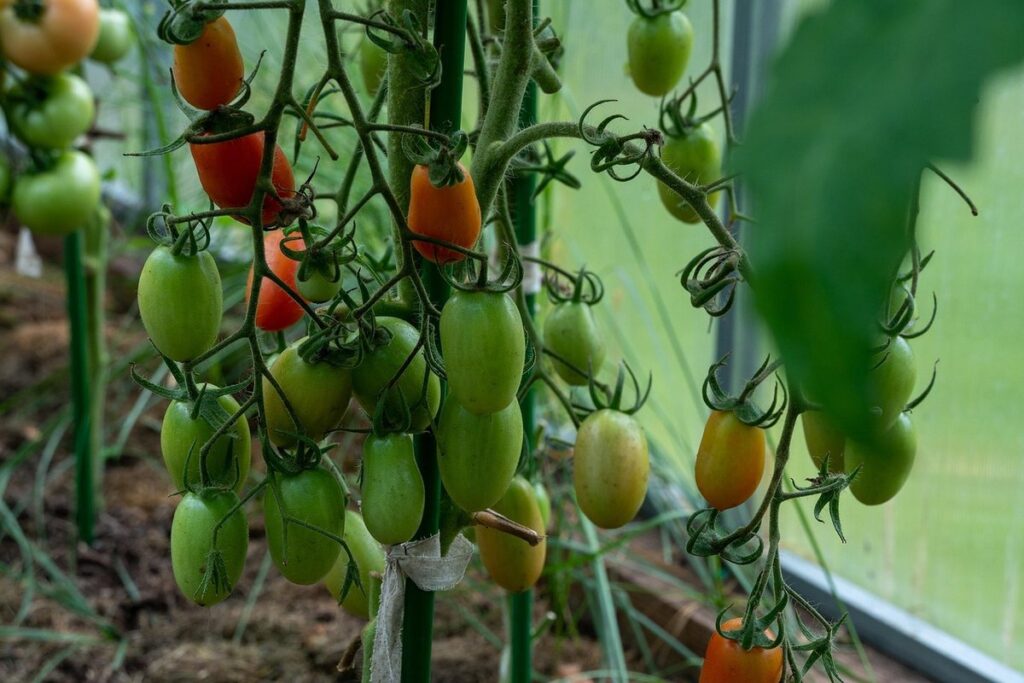
Benefits of Growing Greenhouse Tomatoes
Growing greenhouse tomatoes can be a game-changer for home gardeners and commercial farmers alike, offering numerous benefits that make them a popular choice. In this next section, we’ll explore some of these advantages in more detail.
Advantages in Climate Control
When you grow greenhouse tomatoes, one of the most significant advantages is the ability to control temperature, humidity, and light conditions. This level of precision leads to increased yields and better quality fruits.
Greenhouse tomatoes benefit from a narrow temperature range between 18°C and 24°C (64°F – 75°F) during the day. Within this range, plants can focus on growth and fruit production rather than trying to survive extreme temperatures. For example, a study conducted in Italy found that tomatoes grown in greenhouses with controlled temperature showed a 20% increase in yield compared to those grown outdoors.
By controlling humidity levels between 60-80%, you can reduce the risk of fungal diseases and promote healthy growth. Additionally, precise light management allows for optimal photosynthesis, resulting in larger fruit sizes and more vibrant colors. To achieve this balance, consider investing in sensors that monitor temperature, humidity, and light levels to make adjustments accordingly.
This level of control enables growers to optimize conditions for specific stages of plant development, leading to healthier and more productive plants. By understanding the intricate relationship between climate factors and greenhouse tomatoes, you can unlock their full potential and enjoy a bountiful harvest.
Reduced Pest and Disease Pressure
One of the most significant advantages of growing greenhouse tomatoes is the reduced pest and disease pressure. In an enclosed environment, you have more control over the conditions that contribute to the spread of pests and diseases. For instance, by maintaining a consistent temperature between 65°F and 75°F (18°C and 24°C), you can slow down fungal growth and inhibit the development of certain pests.
This controlled climate also allows for more efficient and effective pest management strategies. Instead of relying on chemical pesticides that can harm beneficial insects and soil health, you can adopt integrated pest management techniques such as introducing beneficial insects like ladybugs or lacewings to control aphid populations.
Regular monitoring and quick response to any issues are key in a greenhouse setting. By implementing a robust sanitation program, including regular cleaning and disinfecting of equipment and tools, you can prevent the spread of diseases and reduce the risk of infestation by pests.
Increased Crop Diversity
Growing a wide range of tomato varieties is one of the greatest advantages of greenhouse cultivation. In traditional outdoor farming, extreme weather conditions and pests can be detrimental to certain sensitive varieties, leading to crop loss and reduced yields. However, greenhouses provide a controlled environment that allows farmers to grow these delicate tomatoes without worrying about external factors.
For instance, heirloom tomatoes are often too fragile for outdoor conditions but thrive in the stable climate of a greenhouse. Similarly, cherry and grape tomatoes, which are prone to fungal diseases, can be grown with ease under the protective roof of a greenhouse. By utilizing greenhouses, farmers can diversify their crops and offer customers a greater variety of fresh produce.
To take advantage of this benefit, consider selecting varieties that are specifically bred for greenhouse cultivation or those that have natural resistance to common pests and diseases. Regular monitoring of temperature, humidity, and light levels will also help maintain optimal growing conditions for your diverse tomato crop.
Choosing the Right Greenhouse
When it comes to growing greenhouse tomatoes, selecting the right structure is crucial for success. We’ll help you choose a greenhouse that suits your needs and climate.
Factors to Consider When Selecting a Greenhouse
When selecting a greenhouse for growing tomatoes, several key factors come into play. The size of the greenhouse is crucial, as it will determine the number of plants you can grow and the ease of maintenance. A general rule of thumb is to allow at least 2-3 square feet per tomato plant, but this can vary depending on the variety and growth habits.
The material used for the greenhouse structure also plays a significant role in its overall performance. Glass greenhouses are traditional and aesthetically pleasing, but they can be heavy and prone to breakage. Polycarbonate and acrylic materials are more durable and lightweight options that offer better insulation and UV protection.
Ventilation systems are another critical consideration, as tomatoes produce a significant amount of heat and moisture. Ensure your greenhouse has adequate ventilation, including windows or vents that open automatically with temperature sensors. Budget is also an essential factor; consider the initial investment, ongoing maintenance costs, and potential upgrades.
In addition to these factors, consider the type of climate you live in and how it will impact your greenhouse’s performance. In areas with extreme temperatures, look for greenhouses with built-in insulation or those designed specifically for cold or hot climates. By carefully weighing these factors, you can choose a greenhouse that meets your needs and provides optimal growing conditions for your tomatoes.
Assessing Local Climate and Regulations
When it comes to growing greenhouse tomatoes, understanding your local climate and regulations is crucial for making informed decisions about your greenhouse design and construction. This is because different regions experience varying levels of temperature, humidity, sunlight, and weather patterns that can impact plant growth.
Start by assessing the average temperature range in your area during winter and summer months. If you live in an area with extremely cold winters or hot summers, you may need to invest in insulation or cooling systems for your greenhouse. For example, if you’re growing tomatoes in a region with frequent frost, consider using a cold frame or selecting tomato varieties that are resistant to cooler temperatures.
Additionally, research local regulations regarding greenhouse construction and operation. Some areas may have specific requirements for ventilation systems, energy efficiency, or water usage. In some regions, greenhouses might be subject to zoning restrictions or building permits. Ensure you comply with these regulations to avoid any potential issues down the line.
Lastly, consider factors like sunlight exposure and wind patterns in your area when designing your greenhouse. This can help prevent damage from excessive sunlight or harsh weather conditions.
Budgeting for Initial Investment and Ongoing Costs
When it comes to growing greenhouse tomatoes, one of the most significant investments you’ll make is in the structure itself. Estimating initial investment costs can be a daunting task, but breaking down the expenses will give you a clearer picture of what to expect.
Purchasing or building a greenhouse can range from $3,000 to over $50,000, depending on its size and features. A smaller, pre-fabricated greenhouse might cost around $5,000, while a custom-built one can exceed $30,000. Consider the materials you’ll need, such as aluminum frames, polycarbonate panels, and irrigation systems.
Ongoing expenses, like energy consumption and maintenance, should also be factored into your budget. Energy costs can vary depending on the climate and temperature requirements of your greenhouse. A well-insulated and efficient system can help minimize these costs. Regular maintenance is essential to extend the life of your equipment and ensure optimal growing conditions.
To give you a better idea, here’s a rough estimate of annual ongoing expenses: electricity (around $2,000), water (around $1,500), and maintenance supplies (around $1,000). These numbers can fluctuate depending on factors like location and the number of crops being grown.
Preparing the Soil and Environment
Before planting, it’s essential to prepare your greenhouse soil and environment for optimal tomato growth. This involves selecting a suitable location, assessing and improving the soil quality, and controlling temperature and humidity levels.
Understanding Tomato Plant Nutritional Needs
Tomato plants require a balanced mix of essential nutrients to support healthy growth and production. Nitrogen (N), phosphorus (P), and potassium (K) are the primary macronutrients tomatoes need, often remembered by the phrase “Nature’s Garden.” Nitrogen promotes leafy green growth, while phosphorus supports root development and overall health. Potassium helps with water balance and resistance to disease.
Other essential micronutrients include calcium (Ca), magnesium (Mg), sulfur (S), iron (Fe), manganese (Mn), zinc (Zn), copper (Cu), boron (B), molybdenum (Mo), chlorine (Cl), and nickel (Ni). These nutrients play critical roles in various plant functions, such as photosynthesis, enzyme activity, and cell wall development.
To ensure your greenhouse tomatoes receive the necessary nutrients, consider using a balanced fertilizer specifically formulated for tomato plants. Follow the product’s instructions and start with a lower concentration to avoid over-fertilizing. Regular soil testing can also help determine if additional micronutrients are needed.
Optimizing Greenhouse Lighting for Tomatoes
Providing sufficient light is one of the most critical factors in growing healthy and productive tomato plants in a greenhouse. Tomatoes are heavy feeders and require a lot of light to produce their signature red color and high yields. A general rule of thumb for tomato production is that each plant needs around 6-8 hours of direct sunlight per day. However, since greenhouses can provide controlled environments, you may need to supplement natural lighting with artificial systems.
For supplemental lighting, consider using LED grow lights or HPS (High Pressure Sodium) lights. These options are energy-efficient and produce minimal heat, making them ideal for greenhouse applications. When choosing a lighting system, consider the spectrum and intensity of light required by your tomato plants. Most tomato varieties prefer a balanced spectrum with blue, red, and green wavelengths.
To ensure optimal growth, place supplemental lights about 2-3 feet above your tomato plants to prevent burning their leaves. You can also use natural ventilation and shading systems to regulate temperature and prevent overheating. Keep in mind that using supplemental lighting will increase energy costs, so balance the benefits with the expenses of your greenhouse operation.
Managing Greenhouse Temperature and Humidity Levels
Maintaining optimal temperature and humidity levels within your greenhouse is crucial for promoting healthy plant growth. Tomatoes, being one of the most sensitive crops to environmental conditions, require a precise balance between temperature and humidity to produce high yields.
To achieve this balance, it’s essential to understand that tomatoes thrive in temperatures between 65°F (18°C) and 75°F (24°C) during the day. However, they prefer slightly cooler temperatures at night, around 55-60°F (13-16°C). If you’re using a heating system, ensure it’s set to provide a gentle temperature increase over an extended period rather than rapid spikes.
Maintaining humidity levels between 40% and 60% is also vital for tomato growth. High humidity can lead to fungal diseases, while low humidity causes water stress, resulting in reduced yields. To regulate humidity, consider installing a misting system or using evaporative cooling methods like foggers or pad-and-fan systems.
Monitor temperature and humidity levels closely throughout the day, making adjustments as needed to ensure optimal conditions for your tomato plants. A well-regulated greenhouse environment will not only promote healthy growth but also reduce the risk of pests and diseases.
Growing Techniques and Best Practices
To produce a bountiful harvest of greenhouse tomatoes, mastering specific growing techniques is crucial. This section shares expert advice on optimizing conditions for maximum yields.
Pruning and Training Tomatoes in a Greenhouse
When it comes to maximizing space efficiency and promoting fruiting in greenhouse tomatoes, pruning and training techniques are crucial. To start, prune your tomato plants by removing lower leaves that touch the ground to prevent soil-borne diseases from spreading. This is especially important in a greenhouse environment where moisture can be high.
Next, remove any weak or spindly growth, focusing on promoting a strong, central stem. For indeterminate varieties, provide support using stakes or trellises to keep the plant upright and encourage vertical growth. Consider using tomato clips to gently tie the stems to the stake, leaving some space between each clip for even growth.
To make the most of your greenhouse’s vertical space, consider using a double-tying method where you tie two strings around the stem at the same height, one on either side of the plant. This will help keep the plant upright while also providing additional support for the fruit as it grows.
Integrated Pest Management (IPM) Strategies
Integrated Pest Management (IPM) is essential for growing healthy and productive greenhouse tomatoes. IPM combines biological, cultural, physical, and chemical controls to minimize pest damage and maintain ecosystem balance. By adopting a comprehensive IPM approach, you can reduce the reliance on pesticides, promote beneficial insects, and create a more sustainable growing environment.
Biological control methods involve introducing natural predators or parasites that prey on pests, such as ladybugs for aphids. Cultural controls include crop rotation, sanitation, and pruning to prevent pest infestations. Physical controls like fine mesh screens or row covers can also be used to exclude pests from the greenhouse. Chemical controls should only be used as a last resort and in accordance with Integrated Pest Management guidelines.
To implement an effective IPM strategy for your greenhouse tomatoes, start by monitoring your crop regularly for signs of pest damage. Use sticky traps, yellow traps, or other monitoring tools to detect early infestations. By identifying pests early, you can take swift action to control them using a combination of these IPM methods. This holistic approach will not only reduce pest-related problems but also promote a balanced and healthy ecosystem within your greenhouse.
Monitoring and Adjusting Greenhouse Conditions
Monitoring greenhouse conditions is crucial for optimal tomato growth. This involves tracking temperature, humidity, light levels, and CO2 concentrations to ensure they’re within the ideal range for your plants. You’ll need to install sensors and monitoring systems that can provide real-time data on these factors.
As you collect data, observe how your tomatoes respond to changes in greenhouse conditions. For instance, if temperatures consistently dip below 60°F (15°C) at night, consider investing in a heating system or adjusting ventilation to maintain a stable temperature. Similarly, monitor for signs of overwatering or underwatering based on humidity levels and plant behavior.
Adjustments should be made promptly in response to changing weather patterns as well as fluctuations in your greenhouse’s internal environment. This might involve opening vents during hot spells or closing them when temperatures drop outside. Keep records of your monitoring data and adjustments to refine your strategy over time, ensuring that your tomato crop receives the best possible conditions for growth.
Harvesting and Storage
Now that you’ve coaxed those beautiful tomatoes into ripeness, it’s time to learn how to harvest them sustainably and store them for optimal flavor and freshness. Let’s dive into the essentials of greenhouse tomato care.
Determining Optimal Maturity for Greenhouse Tomatoes
Determining optimal maturity for greenhouse tomatoes requires careful observation and attention to specific changes. As the fruit approaches full ripeness, several indicators become apparent. The most notable is a shift from green to various shades of red, yellow, orange, or pink, depending on the variety. Some cultivars may retain their green skin even when fully ripe.
Beyond color, texture plays a significant role in determining harvest readiness. Ripe tomatoes will typically yield to pressure but still feel slightly firm. They should also exhibit slight give around the stem end. Avoid pulling or twisting the fruit, as this can damage the plant.
Weight is another consideration. While not always an exact science, ripe tomatoes tend to be heavy for their size. Weighing multiple fruits from the same cluster can provide a more accurate indication of optimal maturity. Harvesting at this stage ensures peak flavor and texture while minimizing the risk of over-ripeness.
Handling and Storing Freshly Harvested Tomatoes
When handling freshly harvested greenhouse tomatoes, it’s essential to take extra care to prevent damage and spoilage. Start by gently removing the fruit from the plant, taking care not to pull on the stem, which can cause bruising or breakage.
Next, inspect each tomato for any visible signs of damage or disease. Remove any affected fruits immediately to avoid cross-contamination with healthy ones. Store tomatoes in a cool, dry place away from direct sunlight and heat sources.
Maintain optimal storage conditions by keeping the temperature between 50-60°F (10-15°C) and relative humidity levels around 80-90%. This will slow down ripening and prevent moisture loss, which can lead to spoilage. Avoid storing tomatoes near strong-smelling fruits or vegetables, as they can absorb odors easily.
To extend shelf life, consider using breathable containers such as mesh bags or paper-lined boxes. Avoid plastic bags, as they trap moisture and promote fungal growth. Handle the stored tomatoes carefully, and check on them regularly to remove any spoiled or overripe ones. Proper handling and storage techniques will help you enjoy your greenhouse-grown tomatoes for a longer period.
Marketing and Selling Greenhouse Grown Produce
When it comes time to harvest your greenhouse-grown tomatoes, you’ll want to focus not only on their quality and flavor but also on effectively marketing and selling them. This can be a crucial step in recouping your investment and making a profit.
To start, consider local sales channels like farmers’ markets, community-supported agriculture (CSA) programs, and roadside stands. These platforms allow you to connect directly with customers who value locally grown produce. You can also partner with local restaurants or grocery stores to offer your greenhouse-grown tomatoes through their wholesale networks.
Online platforms can also be a valuable resource for selling your produce. Consider using social media to create an online presence and reach potential buyers. You can use platforms like Instagram and Facebook to share high-quality images of your products, update customers on harvest schedules, and even facilitate direct sales. Another option is to sell through online marketplaces or websites dedicated to local food sales.
Ultimately, the key to successfully marketing and selling greenhouse-grown produce lies in knowing your target audience and tailoring your strategy accordingly.
Frequently Asked Questions
What is the ideal temperature range for greenhouse tomatoes, especially during sensitive growth stages?
The ideal temperature range for greenhouse tomatoes varies depending on the stage of growth. During germination (0-7 days), temperatures between 70°F to 80°F (21°C to 27°C) are optimal. For seedlings (1-2 weeks), maintain a consistent temperature around 75°F (24°C). Once plants reach maturity, they can tolerate higher temperatures up to 85°F (29°C).
How often should I monitor and adjust greenhouse conditions for optimal growth?
Regular monitoring of greenhouse conditions is crucial for maintaining optimal growth. Check temperature, humidity levels, and light conditions at least twice a day. Adjust settings as needed to ensure a stable environment, taking into account factors like weather forecasts, plant maturity, and pest/disease pressures.
Can I use any type of soil in my greenhouse, or are there specific requirements?
While some greenhouses use hydroponics or other soilless growing systems, traditional growers often prefer well-draining potting mixes. When selecting a soil for your greenhouse tomatoes, prioritize a mix with high organic matter content (at least 20%) and excellent drainage properties to prevent waterlogged conditions.
What are some effective integrated pest management strategies for controlling pests in my greenhouse?
Effective IPM involves monitoring for signs of pests, using physical barriers like fine mesh or fine netting to prevent entry, and introducing beneficial insects. Additionally, use organic or chemical pesticides judiciously, and maintain good sanitation practices within your greenhouse.
Can I grow multiple varieties of tomatoes together in the same greenhouse, or should they be separate?
Diversifying tomato varieties can enhance disease resistance but also poses challenges when growing multiple types together. To minimize risks, plant complementary varieties that mature at different times, have different growth habits (e.g., indeterminate vs. determinate), and exhibit distinct resistance profiles to common pests/diseases in your area.